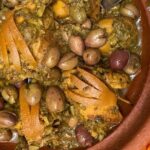
REVIEW · MARRAKECH
Marrakech Cooking Class
Book on Viator →Operated by Moroccan Food Tour · Bookable on Viator
Fresh herbs, sharp spices, real technique. That’s the deal with this Marrakech cooking class. You’ll pair a guided stop at Souk Ishaak with time in a traditional riad kitchen (Riad Star or similar) where you’ll cook a full 3-course menu. It’s built for first-timers and food lovers alike, even if your French or Arabic is limited—your guide helps you make sense of the market and the recipes.
What I like most is the combination of ingredient shopping and hands-on cooking. You’re not just learning Moroccan flavors; you’re also learning how people actually shop for them, using tools and ingredients that can be hard to find at home. The second big plus is the meal at the end—dinner is included, along with coffee and/or tea—so you leave with a full belly and recipes you can repeat.
One thing to consider: the experience can feel less interactive if the kitchen space is tight or if you’re rerouted to a smaller cooking area. Keep expectations flexible, and you’ll still likely enjoy the food-focused chaos.
In This Review
- Key things to know before you go
- Marrakech Cooking Class and Market Tour: The 3 Hours That Actually Feed You
- Finding Ingredients at Souk Ishaak (Without Getting Lost)
- Choosing Your 3-Course Menu Like a Local Home Cook
- Mint Tea, Kitchen Tools, and Chef Assistance That Keeps You Moving
- The Riad Kitchen Experience: What Cooking in a Traditional Setting Really Means
- Dinner and Coffee or Tea: Eating What You Just Learned
- Price and Value: Is $87.86 Worth It?
- Group Size, Pacing, and How to Make It Work for You
- What Could Go Wrong (And How to Keep It from Ruining Your Day)
- Should You Book This Marrakech Cooking Class?
- FAQ
- How long is the Marrakech Cooking Class?
- Where is the meeting point, and when does it start?
- What does the tour include?
- Is alcohol included?
- Do I need private transportation?
- How many people are in the group?
- Is a mobile ticket used?
- What if I need to cancel?
Key things to know before you go
- Souk Ishaak market time to pick ingredients with guidance, not guesswork
- 3-course cooking menu chosen up front, after a start with mint tea and cookies
- Riad setting (Riad Star or similar) plus kitchen supplies and tools included
- Chef assistance throughout so you can ask questions as you go
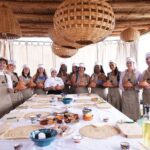
- Small group size (max 12) keeps things from turning into a demo show
Marrakech Cooking Class and Market Tour: The 3 Hours That Actually Feed You
This is a compact, afternoon-friendly experience designed around one goal: help you understand Moroccan cooking in a way that sticks. You’ll start at World Storytelling Cafe – Vegan Cafe on Route Ahel-Fes at 2:00 pm, then spend time at Souk Ishaak before heading to a traditional riad kitchen (Riad Star or a similar Marrakech Riads property).
The whole thing runs about 3 hours, which is the sweet spot when you want something more “real” than a quick tasting. You get guided shopping, cooking instruction, and then dinner. That matters because Moroccan cuisine is about layering flavors—spices, herbs, and prep steps—and the class format keeps you from leaving with only notes and no memory attached to the taste.
The best part is that you’re doing this in a setting Morocco travelers actually recognize: the riad kitchen vibe, where the process feels domestic and practical. And yes, you’ll be able to eat what you make.
You can also read our reviews of more tours and experiences in Marrakech.

Finding Ingredients at Souk Ishaak (Without Getting Lost)
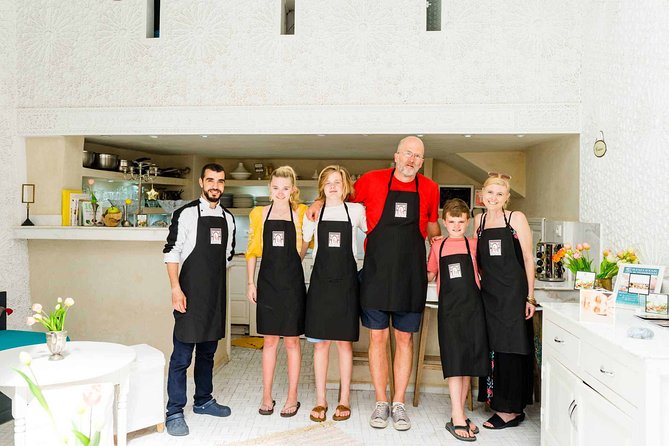
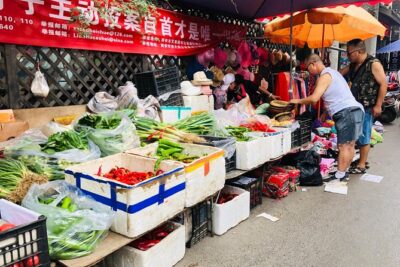
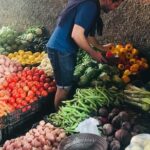
The market stop is the foundation. Before you touch a knife or measure spice, you learn what to buy and why, guided through one of Marrakech’s historical markets: Souk Ishaak.
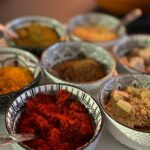
You’ll shop for all the ingredients needed for your class menu. In plain terms, that means you’re learning the logic behind Moroccan recipes: what ingredients come together, what combinations are common, and how vendors talk about items you might not recognize at home. If language is a worry, this part is where the guide earns their role. The class is built to help you get what you need without standing there smiling and guessing.
A practical tip: don’t overpack your hands. You’ll be buying ingredients, and you’ll want your energy for cooking later. Wear something comfortable with easy movement. Markets involve walking, leaning, and quick stops.
What you should expect from the souk portion:
- guided navigation through main market streets
- time to select ingredients needed for the recipes
- help dealing with translation and questions
What you might not love:
- markets can be loud and crowded, and you’ll move through busy streets as part of the experience
If you’ve only ever had Moroccan food outside Morocco, this market time will make you understand why spice blends taste different when you’re choosing them in person.
Choosing Your 3-Course Menu Like a Local Home Cook
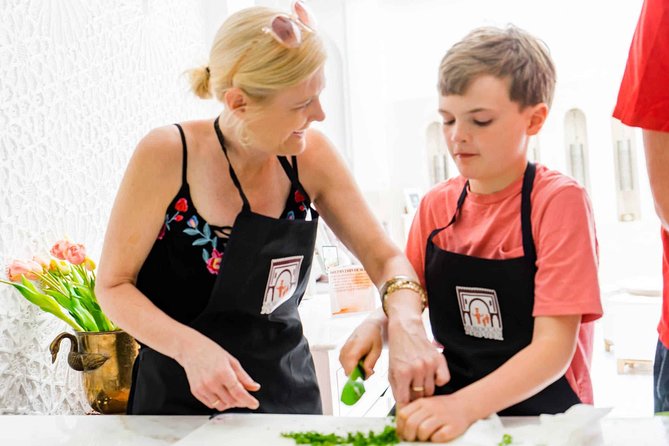
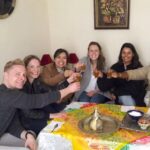
After the market, the class flows into the riad kitchen setup. One review mentioned starting with mint tea and cookies, then selecting a 3-course menu from the riad’s cookery book. Even if your exact menu varies, the structure is the same idea: you’re not picking random dishes; you’re choosing a set that works together.
I like this approach because it teaches planning. Many cooking classes throw you into one recipe and call it “Moroccan food.” Here, you experience a sequence—soup or starter, main course, and finish—so you start thinking like a cook rather than just a student.
Here’s how this helps you at home:
- you get a sense of timing and workload
- you see how one dish’s flavors support another
- you learn prep methods that repeat across dishes (chopping, spicing, simmering)
And because you’re in a riad, the pace feels like a real kitchen session: drink first, decide menu, then cook.
Mint Tea, Kitchen Tools, and Chef Assistance That Keeps You Moving
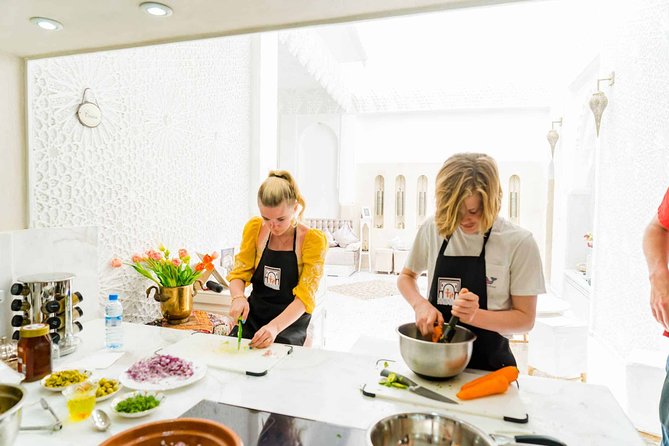
This is where the class stops being theoretical.
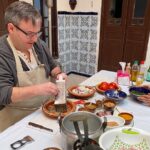
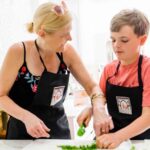
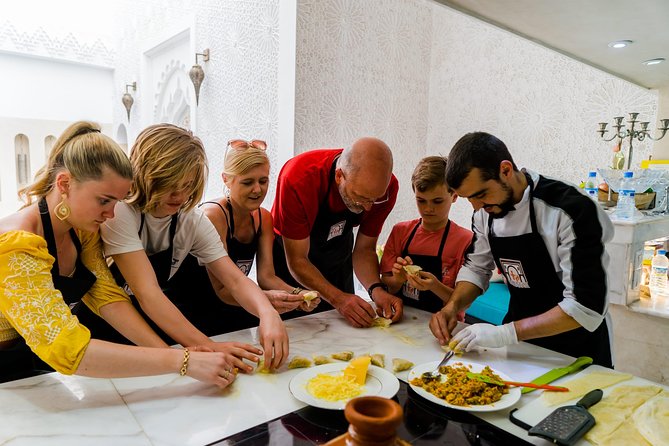
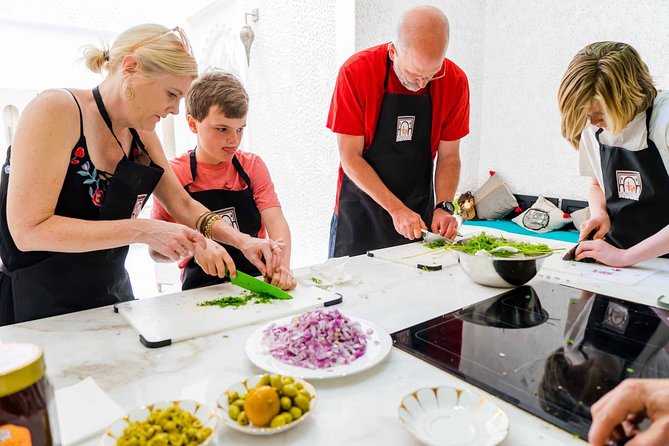
You’ll use included ingredients, kitchen supplies, and tools. The cooking happens with chef assistance, which matters because Moroccan cooking depends on small technique details: how long something simmers, when you add spices, and how you adjust seasoning. When you’re watching with no chance to ask, technique stays fuzzy. With real support, you can actually correct your process as you go.
One guide name came up in the experience write-ups: Oumaima. Reviews described her as delightful and fun, and that she explained things in an enjoyable way. Another guide name also showed up: Mohamed, tied to the guide-led start and the experience moving through Marrakech streets before the food part.
Even if your guide isn’t Oumaima or Mohamed, the format is the same: guided help, explanations, and time to participate in cooking rather than only standing around.
A small heads-up from one cautionary note: if you’re placed in a smaller workspace, the class can shift toward more watching than doing. The lesson still happens, but you might feel the interaction level drop. That doesn’t automatically ruin the class—it can still be informative—but it’s worth keeping in mind when you want a very hands-on experience.
The Riad Kitchen Experience: What Cooking in a Traditional Setting Really Means
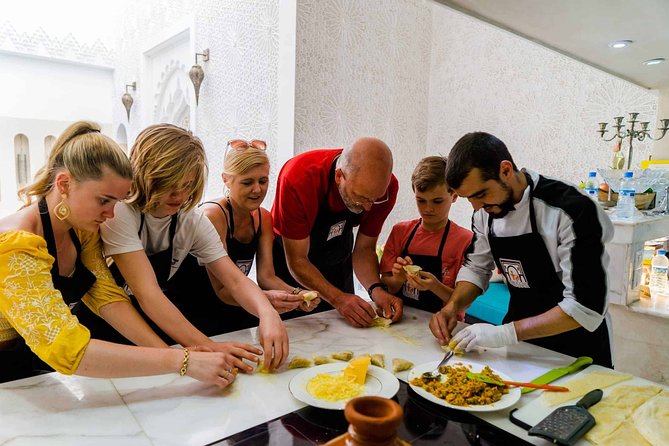
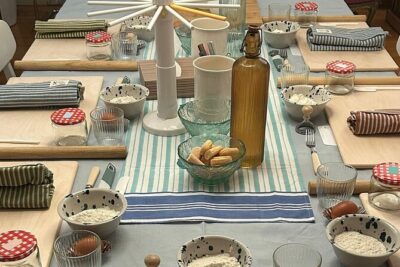
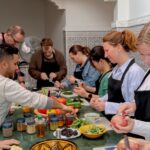
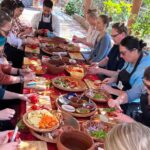
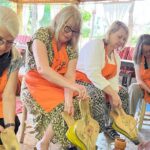
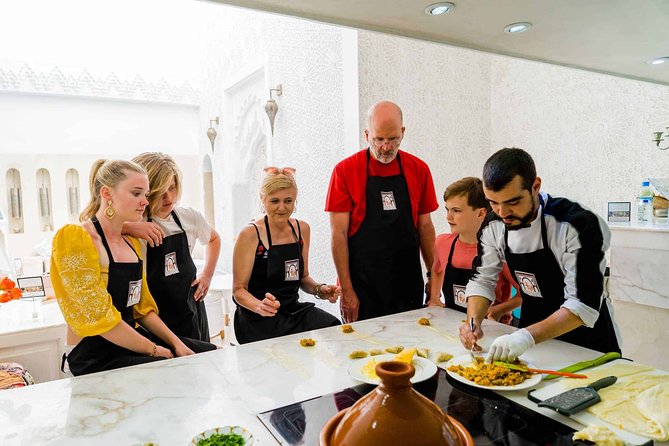
This class takes place at Riad Star or a similar beautiful traditional riad associated with Marrakech Riads. That setting isn’t just decoration. In a riad kitchen, you naturally slow down and pay attention. The kitchen setup encourages practicality: organized tools, shared workspace, and a home-cook rhythm.
Also, a traditional riad means the kitchen feels built for local routines, not a staged demonstration. You’ll likely notice the difference in how ingredients and tools are laid out. It’s easier to follow when the environment makes sense.
Plus, the riad context helps you understand Morocco as a lived-in place. You’re not only consuming Moroccan food; you’re seeing where it’s prepared and how it fits into daily hospitality.
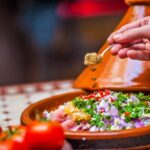
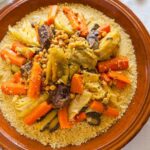
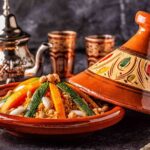
For photography lovers: you’ll have plenty of moments, but keep your focus on cooking first. The best memories come from the smell of spices while you’re working, not just a photo of a tagine.

Dinner and Coffee or Tea: Eating What You Just Learned
Most classes end when the cooking ends. This one ends with dinner, plus coffee and/or tea.
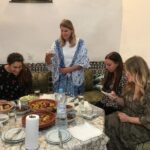
That’s a big value point. You’re tasting your own work while everything is fresh in your mind—how something smelled right when you added spices, what changed after simmering, and how the final balance landed. It’s the easiest way to make the recipes stick.
One dish name that came up in the experience notes was bissara, a traditional soup made from dried fava beans. Even if you don’t cook the exact same dishes, knowing that the menu can include staples like this helps you set expectations: you’ll likely cook Moroccan comfort foods, not just showy tourist-only plates.
What you’ll leave with:
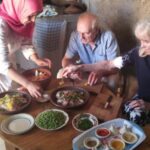
- an actual meal you helped make
- a clearer sense of Moroccan flavor building blocks
- confidence to recreate dishes later
What you may not get:
- alcoholic beverages, since they’re not included
If alcohol is important to your evening plans, plan for it separately. The class is built around tea and coffee, which matches the typical Moroccan hospitality flow.
Price and Value: Is $87.86 Worth It?
At $87.86 per person, this isn’t the cheapest cooking class you’ll find. But the pricing makes more sense when you zoom in on what’s included.
You’re getting:
- a guided market visit to Souk Ishaak
- ingredient shopping for your menu
- riad kitchen cooking with tools and supplies included
- dinner (not just snacks)
- coffee and/or tea
- chef assistance and guidance
- a small group limit of 12 travelers max
That’s a lot bundled together for a relatively short time. The market piece alone is often where costs rise in other food experiences, since it requires guide time plus ingredient selection support. Here, you’re paying for both sides of the story: where the flavors come from and how they’re prepared.
The value equation changes depending on your travel style:
- If you love food and want more than a tasting, it’s a strong fit.
- If you only want to cook one simple dish and then leave, it may feel like too much bundled together.
- If you’re expecting a high-interaction kitchen where everyone is cooking constantly, keep in mind that kitchen space can sometimes affect how hands-on it feels.
My take: the price is easier to swallow because you’re not just buying instruction—you’re buying a meal plus the market guided process that helps you repeat the results later.
Group Size, Pacing, and How to Make It Work for You
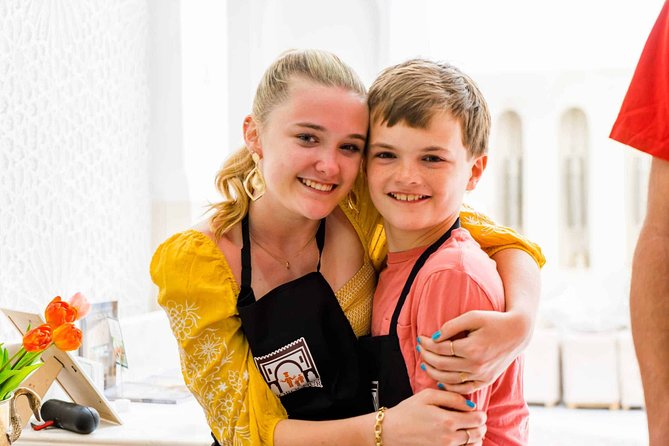
With a maximum group size of 12, you’ll usually get enough attention to ask questions and keep moving. In a small setting, cooks and guides can handle adjustments faster, and you’re less likely to get stuck waiting while someone else takes over the station.
Pacing matters because you’ll have multiple phases:
1) meeting at 2:00 pm
2) market time shopping ingredients
3) riad cooking and menu flow
4) dinner and tea/coffee
5) return to the meeting point
So plan your afternoon like an adult: eat beforehand if you’re starving, but expect you’ll still work up appetite during the market and cooking.
Also note what’s not included: private transportation. The meeting point is near public transportation, so you’ll want to get there on your own. I’d keep it simple—arrive a little early, so you’re not stressed when the group lines up.
What Could Go Wrong (And How to Keep It from Ruining Your Day)
Every cooking class runs on logistics, and this one has a few practical risks based on the experience notes.
Possible drawbacks you should plan around:
- Hands-on time may vary if the kitchen ends up smaller or more crowded.
- Start delays can happen if pickup runs late or if arrangements change for the kitchen space.
- You may have to be flexible if the class uses a different kitchen setup.
How to protect your experience:
- be ready for a moving schedule and keep your next commitment later in the day
- ask your guide how interactive the cooking will be at the start (if the kitchen space looks tight, you’ll get a clearer idea quickly)
- bring a good attitude. Moroccan cooking is warm, loud, and forgiving—just like the food
If you go with “learn and enjoy, not perfect choreography,” this kind of class usually lands well.
Should You Book This Marrakech Cooking Class?
Book it if:
- you want a market-to-riad food experience in about 3 hours
- you like understanding ingredients, not just eating dishes
- you enjoy guided help when shopping for herbs and spices
- you want dinner included, plus tea/coffee
Skip it if:
- you expect an always-everyone-cooking setup with unlimited space
- you strongly prefer private transportation or you don’t want to manage your own way to the meeting point
If you’re a first-time Marrakech visitor who wants to eat well and learn something practical, I think this is a very reasonable way to spend an afternoon. The best outcome is you leave with a taste memory and a clearer method for Moroccan dishes—so you’re not only enjoying Marrakech while you’re there.
FAQ
How long is the Marrakech Cooking Class?
It lasts about 3 hours.
Where is the meeting point, and when does it start?
The tour starts at World Storytelling Cafe – Vegan Cafe, Route Ahel-Fes, Marrakech 40000, and it begins at 2:00 pm.
What does the tour include?
It includes use of ingredients, kitchen supplies and tools, dinner, coffee and/or tea, chef assistance, and the market visit to Souk Ishaak.
Is alcohol included?
No, alcoholic beverages are not included.
Do I need private transportation?
No private transportation is included. The meeting point is near public transportation.
How many people are in the group?
The maximum group size is 12 travelers.
Is a mobile ticket used?
Yes, it includes a mobile ticket.
What if I need to cancel?
You can cancel for a full refund up to 24 hours before the experience’s start time.