REVIEW · ROME
Rome: Gourmet Pizza Cooking Class (SHARED)
Book on GetYourGuide →Operated by Walks Inside Rome · Bookable on GetYourGuide
Ninety minutes. One great slice. This Rome gourmet pizza cooking class pairs welcome wine and snacks with hands-on dough work from scratch, so you learn what makes Roman pizza thinner and crunchier than Neapolitan style.
What I like most is the chef-led coaching while you work, plus the way you choose from seasonal toppings instead of getting a one-size-fits-all pizza.
One drawback to keep in mind: it is not suitable for people with mobility impairments, since you’ll be in a working kitchen setting and doing hands-on prep.
In This Review
- Key highlights at a glance
- Why this Rome pizza class is more than a cooking gimmick
- Meeting point near Corso del Rinascimento (and what to do when you arrive)
- The aperitivo-style welcome: wine, snacks, and a low-pressure start
- The Roman vs Neapolitan lesson you’ll actually remember
- Dough from scratch: learning the feel, not just the steps
- Shaping your base and aiming for that Roman texture
- Toppings: choosing your style from pizza rosso to pizza bianca
- The oven payoff: eating what you made (with wine)
- What the $93 price covers, and why it feels fair
- Who this shared pizza class suits best (and who should think twice)
- Practical tips so you get the most from your pizza session
- Should you book this Rome gourmet pizza cooking class?
- FAQ
- Is this a shared cooking class?
- How long is the class?
- What is the price per person?
- What language is the instructor?
- Where do I meet for the class?
- Does the price include food and drinks?
- Do I make the dough from scratch?
- Is there hotel pickup or drop-off?
- Is the class suitable for people with mobility impairments?
- What is the cancellation policy?
Key highlights at a glance
- Aperitivo-style start with welcome drinks and snacks right when you arrive
- Dough from scratch guided step by step so you understand the feel, not just the recipe
- Roman vs Neapolitan lesson on what changes and why the texture differs
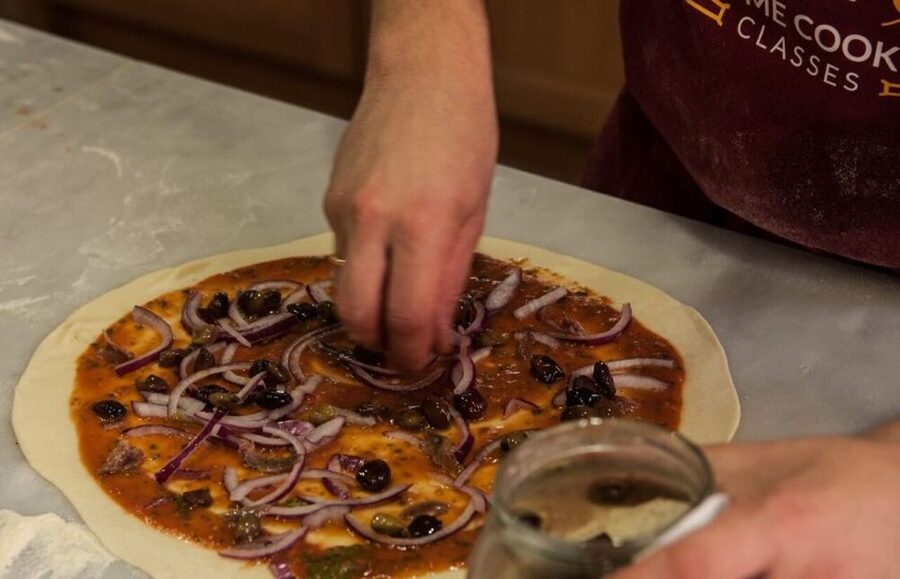
- Custom toppings using fresh, seasonal ingredients like mozzarella, prosciutto, zucchini flowers, and black olives
- English-speaking chef instruction you can follow without a language gap
Why this Rome pizza class is more than a cooking gimmick
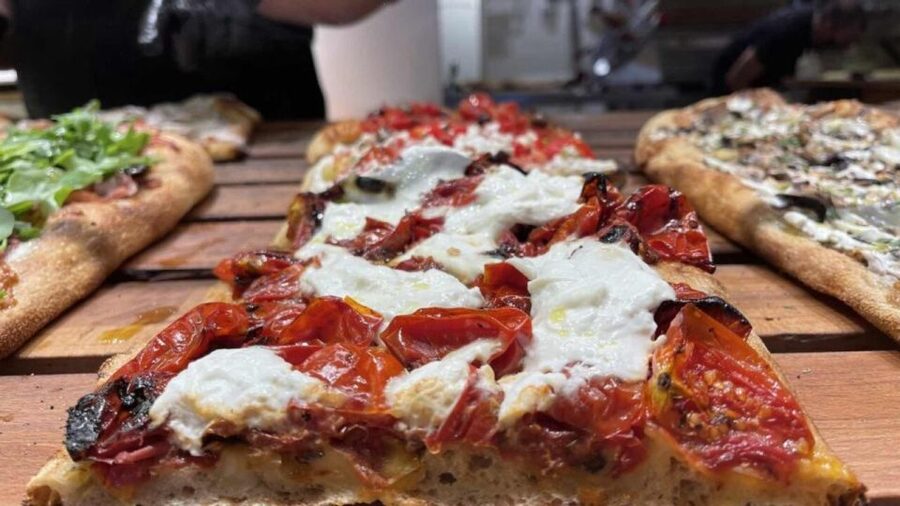
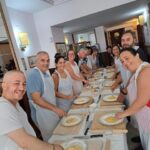
If you’ve ever taken a class where you watch for 45 minutes and cook for 10, you’ll appreciate the pacing here. The whole point is to get you working with your hands, so the Roman pizza ideas actually stick. In 1.5 hours, you’re doing the key steps: dough, shaping, choosing toppings, and then enjoying what you made—plus you start with a wine-and-snacks welcome that keeps the tone relaxed.
I also like the balance of theory and practice. You’re not just handed ingredients and told to have fun; you’re taught the logic behind the dough and the pizza style. That includes a clear comparison between Roman pizza (thinner, crunchier) and Neapolitan pizza, which helps you order the right slice later while you’re sightseeing.
The other big value is that it’s designed around Roman ingredients and seasonal choices. Instead of the same toppings year-round, you’ll work with fresh, rotating ingredients, so you taste the season the way Italians do—at least for this short slice of your day.
You can also read our reviews of more tours and experiences in Rome.
Meeting point near Corso del Rinascimento (and what to do when you arrive)
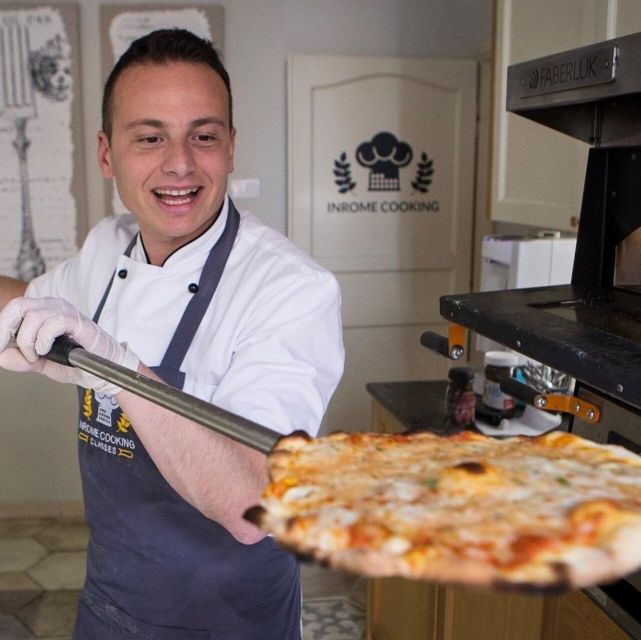
You meet at Corso del Rinascimento 65, and you ring the doorbell for InRome Cooking. This is a practical setup because you can build the class into a Rome day without relying on a tour bus.
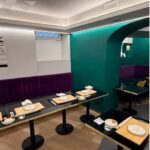
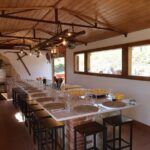
One more detail that matters: the cooking school location can vary. The program notes kitchens around two central areas—one near the Pantheon and another near Piazza Navona—depending on the season and the ingredients. So even if the meeting address is fixed, your working kitchen may be in either neighborhood.
Plan to arrive a little early so you’re not rushing through the doorbell moment and then into introductions. This class is short, so the first 10 minutes set the mood.
The aperitivo-style welcome: wine, snacks, and a low-pressure start
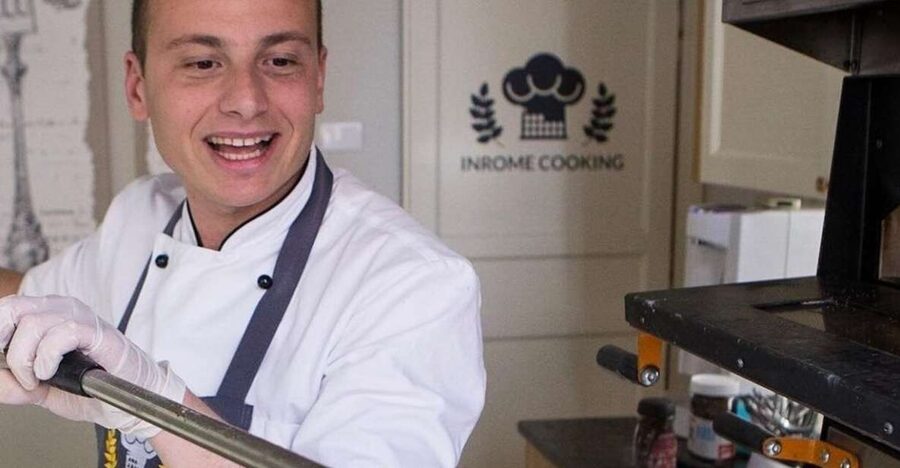
Before you touch dough, you get a welcome setup that feels like a mini aperitivo. You’ll have drinks and snacks, the kind of start that tells you this is meant to be friendly, not stiff. It’s also a smart way to get everyone settled—especially in a shared class format—so you’re not waiting in a group for instructions while your brain is still on vacation mode.
This part is more than social ritual. It helps you shift from tourist mode to cook mode fast. You’ll get the basic orientation and then the chef’s tips make sense right away, because your hands follow what your ears learn.
And yes, the experience includes wine with the welcome drinks. For many people, that’s the first hint this is a “real food day” instead of a quick demo.
The Roman vs Neapolitan lesson you’ll actually remember
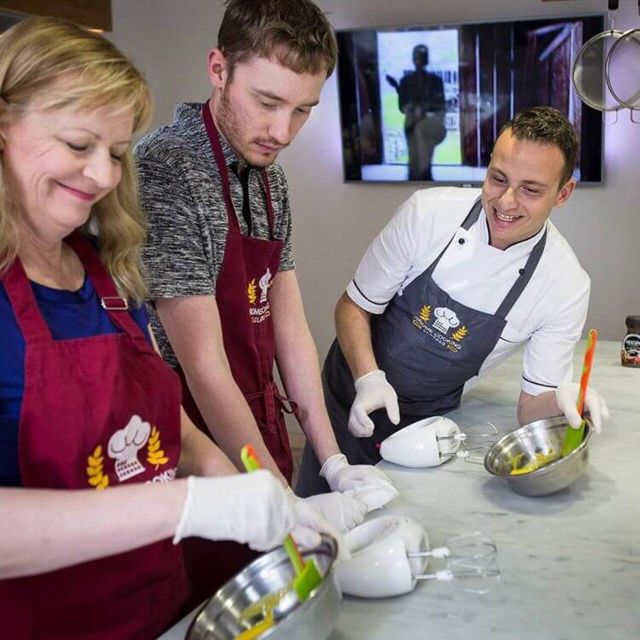
One of the most useful parts is the comparison between pizza from Rome and pizza from Naples. You learn that Roman style is typically thinner and crunchier than its Neapolitan cousin. That one detail changes how you think about the whole pizza: dough thickness, shaping, and what you’re aiming for when you bake.
Instead of treating it like a vague cultural trivia tidbit, you get it tied to the process you’re doing in the kitchen. That’s why it’s valuable for your future Rome meals. The next time you’re choosing between a crunchy Roman slice and a softer Neapolitan-style pie, you’ll know what to look for and why.
It also makes the class feel more grounded in place. Pizza isn’t just food here; it’s a local identity you can taste.
Dough from scratch: learning the feel, not just the steps
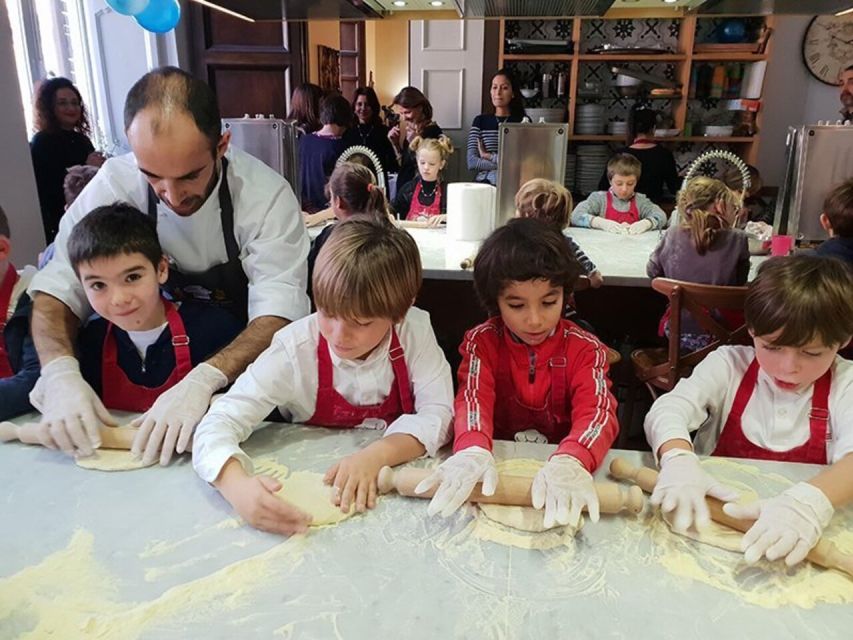
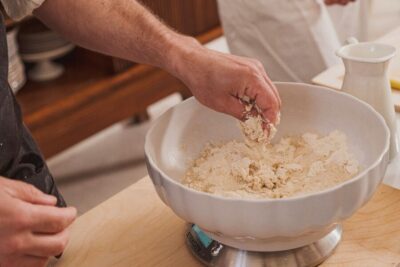
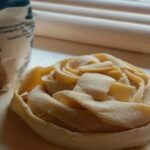
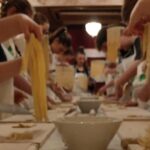
The core of the class is making your dough from scratch. This is where the chef coaching matters most, because dough is all about feel—how it comes together, how it stretches, and how it resists before it relaxes.
You’ll roll out your base and shape it into something distinctly yours. That personal touch is surprisingly satisfying. It’s not about producing a perfect lab sample; it’s about understanding the technique that gets you the right thickness and structure for the Roman style goal.
If you’re the type who likes to cook at home, this is the part you’ll repeat in your memory. You’ll leave knowing how the dough should behave at each stage and how to adjust your hands when it’s not cooperating.
Also, this is where your chef’s English instruction helps a lot. The course is led by a professional, local chef who guides you during the masterclass, and that matters if you’re trying to understand the why behind each action.

Shaping your base and aiming for that Roman texture
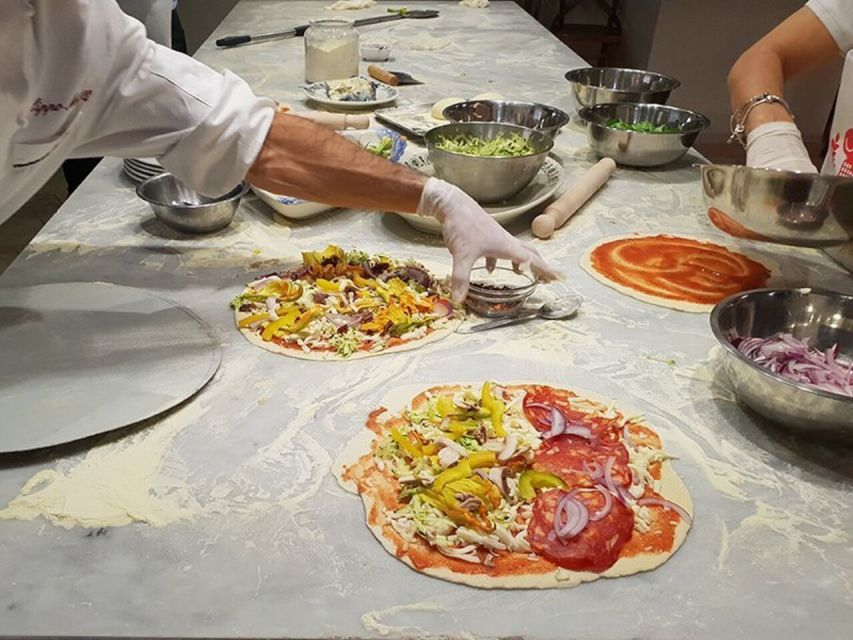
Once your dough is made, the class moves into shaping so you can chase that Roman pizza profile. Remember the Roman style takeaway: thinner and crunchier. That’s not just marketing—it’s what you’re trying to build with the way you roll and handle the base.
This is also where you’ll likely notice how easy it is to mess up texture if you treat the dough like something precious. A chef will nudge you toward a more natural workflow: handle the dough confidently, keep it moving through the steps, and stop overthinking.
For you, that means you don’t have to be a bread expert. The chef’s job is to translate technique into something you can do in a short session. And since the class includes guidance throughout, you’re not left trying to “figure it out” alone in a kitchen.
Toppings: choosing your style from pizza rosso to pizza bianca
After dough work, the fun part hits: toppings. You’ll explore the difference between pizza rosso and pizza bianca, which is basically tomato-sauce-forward versus white-sauce style. You get to choose, so your final pizza reflects your preferences rather than the kitchen’s menu template.
From there, you’ll build your pizza using fresh, seasonal toppings and ingredients such as:
- mozzarella (the base you’ll spread so it melts properly in the oven)
- prosciutto for a salty, richer bite
- zucchini flowers, if you want something delicate
- black olives for that sweet-salty punch
- plus other seasonal options depending on what’s available that time of year
This is where you learn what “fresh and seasonal” actually means in practice. The chef isn’t just assembling random toppings; they’re using ingredients that make sense for flavor balance and what works in that oven session.
And because you’re making your own topping choices, you’ll understand how each ingredient behaves—what becomes creamy, what stays punchy, and what might soften quickly. That’s the kind of knowledge you can use when you eat pizza in Rome afterward.
The oven payoff: eating what you made (with wine)
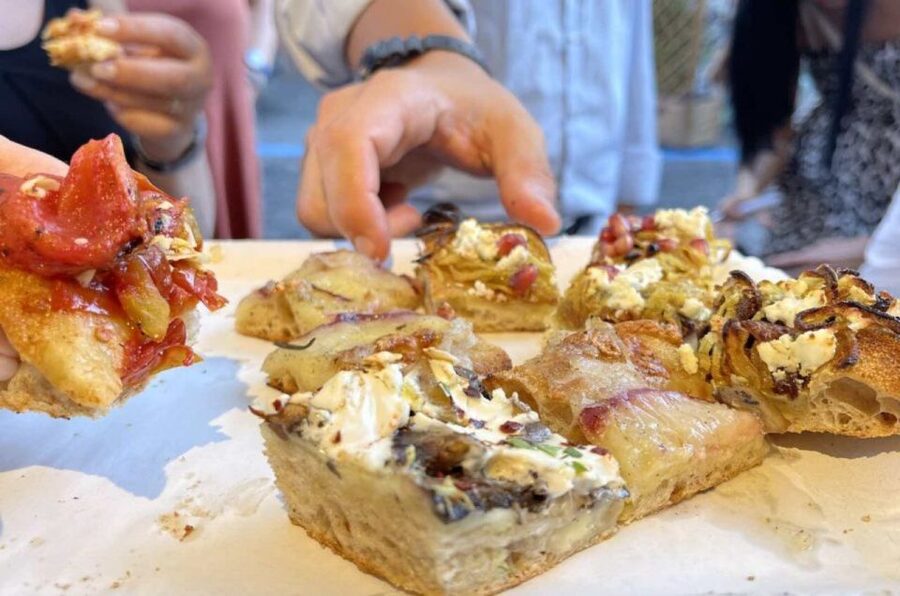
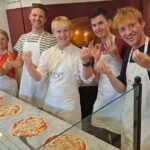
The class wraps with the moment you’ve been working toward: the pizza comes together in the oven and you enjoy what you made. In the reviews and the class flow, this is a recurring highlight—the satisfaction of learning the process and then tasting the result right away.
You also keep the relaxed vibe with wine during the experience. It’s not a fancy tasting course; it’s a good pairing to the food you’re cooking. For me, that’s part of the charm: it’s social, but it still has real technique.
One practical note: because the session is only 1.5 hours, there isn’t time for endless variations. You’ll make one pizza, maybe guided through small choices, but you won’t leave with a binder of recipes. Instead, you’ll leave with one great pizza and the confidence to order and talk pizza like you know what you’re doing.
What the $93 price covers, and why it feels fair
At $93 per person for a 1.5-hour shared class, the price can look a little steep at first—until you break down what’s included.
You’re paying for:
- welcome drinks and snacks (aperitivo-style)
- professional chef instruction in English
- dough made from scratch with guidance
- toppings that are fresh and seasonal
- the full experience of shaping, building, and cooking your pizza
The value comes from the combination. You’re not just tasting; you’re learning a skill for your own kitchen. And you’re not just cooking with a random set of ingredients; you’re working with ingredients that match Rome’s pizza identity. Add in the wine-and-snacks welcome, and the experience becomes more like a short culinary night out than a strict cooking workshop.
If you compare this to how much a good meal costs when you’re already paying for wine, plus a separate class or private lesson elsewhere, the pricing starts to make sense. It’s built as a compact, guided food experience in a central location.
Who this shared pizza class suits best (and who should think twice)
This class is a great fit if you:
- want a hands-on activity that still feels like part of your Rome trip
- like food experiences with a clear “Rome vs Naples” cultural hook
- enjoy learning cooking technique, not just eating out
- want an English-friendly chef-led workshop
It’s also ideal for couples, solo travelers, and groups of friends who like shared activities where everyone gets to cook.
Think twice if:
- you need accessibility accommodations, since it is not suitable for mobility impairments
- you expect a long class with multiple doughs or lots of different baked results—this one is focused and time-boxed
Practical tips so you get the most from your pizza session
A few small choices make a big difference in a short, hands-on class.
- Wear comfortable shoes. You’ll be in a kitchen environment and moving around during prep.
- Take notes in your head. The Roman vs Neapolitan lesson is simple, but it’s easier to remember when you connect it to what you’re doing with the dough.
- Plan your toppings decision early. When you know whether you’re leaning pizza rosso or pizza bianca, the build feels smoother.
- Arrive on time for the doorbell check. With a short 1.5-hour window, you don’t want to lose early momentum.
- If you get guidance from Marco, lean in. One recurring theme in the experience is that the chef tips are practical, and you’ll get more out of it if you ask questions while you’re still actively cooking.
Should you book this Rome gourmet pizza cooking class?
I’d book it if you want a structured, chef-guided pizza experience that pays off with a real result: a Roman-style pie you helped make, plus tips you can use next time you’re ordering in Rome.
It’s also a smart pick when you don’t want to gamble on finding a pizza place and hoping it hits your taste. This class teaches the style differences and the technique in a very quick, friendly format.
Skip it only if mobility is a concern or if you’re looking for a long, multi-course cooking marathon. Otherwise, this is one of those Rome activities that ends with food you can brag about—and with knowledge you’ll keep using.
FAQ
Is this a shared cooking class?
Yes, it’s described as a shared Rome gourmet pizza cooking class.
How long is the class?
The duration is 1.5 hours.
What is the price per person?
The price is $93 per person.
What language is the instructor?
The instructor is English-speaking.
Where do I meet for the class?
You meet at Corso del Rinascimento 65, ringing the doorbell for InRome Cooking.
Does the price include food and drinks?
Yes. The class includes welcome drinks and snacks, plus fresh and seasonal toppings.
Do I make the dough from scratch?
Yes. You create your dough from scratch as part of the class.
Is there hotel pickup or drop-off?
No, hotel pickup and drop-off are not included.
Is the class suitable for people with mobility impairments?
No, it is not suitable for people with mobility impairments.
What is the cancellation policy?
Free cancellation is available up to 24 hours in advance for a full refund.