REVIEW · BANGKOK
Pink Chili – Thai Cooking Class and Market Tour in Bangkok
Book on Viator →Operated by Pink Chili - Thai Cooking School in Bangkok · Bookable on Viator
Thai cooking starts at the market, not your plate. I love that this class treats the On Nut fresh market like the real first lesson, so you learn what you’re buying and why it tastes the way it does. You’re not just following steps; you’re building Thai flavor from the ground up, with a small group that keeps the pace human.
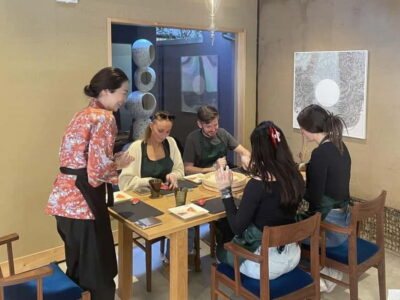
My other favorite part is the hands-on teaching with chef Pimmy and her sous chef, where you cook using proper techniques instead of watching from the sidelines. The main thing to plan for is logistics: Bangkok traffic can be heavy, and the meeting point isn’t in the city center, so arriving late can shorten your market time.
In This Review
- Key things to know before you go
- Why this Bangkok cooking class feels more real than dinner
- The 4-hour rhythm: market shopping to wok cooking
- Stop 1: Pink Chili School and the start of class
- Stop 2: On Nut fresh market shopping
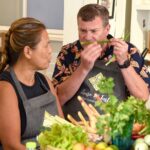
- Stop 3: Cooking your Thai specialties (hands-on wok work)
- Stop 4: Sit down to the meal you made
- What you’ll cook: curry, noodles, soup, and sweet finish
- Curries: red and green foundations
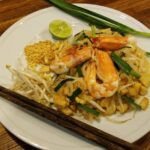
- Noodles and starters: pad thai and spring rolls
- Soup: sour shrimp soup
- Dessert: mango sticky rice
- Chef Pimmy and the real teaching style
- Small group size: why 10 people matters
- Included perks that add real value
- What to wear and how to prepare (so you enjoy it more)
- Price and value: why $38.81 can make sense
- Who should book Pink Chili (and who might not)
- Should you book this Pink Chili Thai Cooking Class?
- FAQ
- FAQ
- How long is the Pink Chili Thai Cooking Class and Market Tour?
- Where does the tour start?
- Is the market included?
- What kinds of dishes will I learn to make?
- Is lunch or dinner included?
- What is included in the price?
- Are alcoholic drinks included?
- How big is the group?
- Is the tour near public transportation?
- What if weather is bad or the tour is canceled?
Key things to know before you go
- On Nut fresh market first: You pick ingredients on location, then use them right away in your meal.
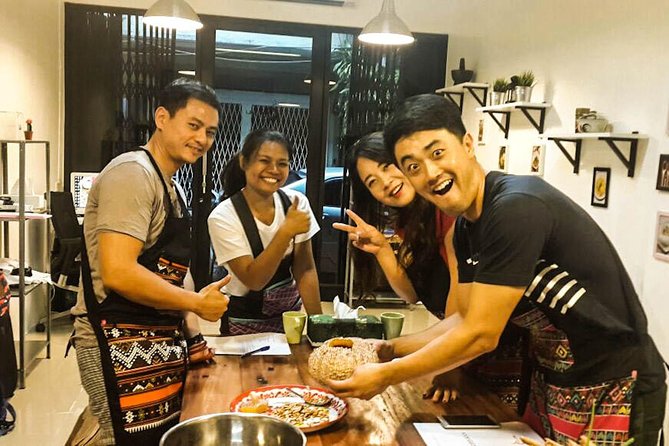
- Chef-led cooking, not a demo: You’ll work with a wok and get guided step-by-step.
- Thai classics in the mix: Expect dishes from the red curry, green curry, pad thai, sour shrimp soup, spring rolls, and mango sticky rice range.
- Max 10 people: That limit usually means more attention and easier questions.
- Recipes included: You leave with instructions you can actually reproduce later.
- Meal included, alcohol not: Lunch or dinner is part of the value, while alcoholic drinks are extra.
Why this Bangkok cooking class feels more real than dinner
Most Bangkok food tours end when the plates land. This one flips that. You start with shopping, then cook what you bought, then eat it as a full homemade meal. That flow matters, because Thai cuisine is ingredient-driven. If you don’t understand the aromatics, herbs, and pantry staples, the dishes can feel like magic tricks instead of teachable cooking.
The setting also helps. The tour runs through the On Nut fresh market, which gives you a chance to see Thai cooking ingredients in their natural habitat. You’re not stuck with tourist-friendly substitutions. You’re learning what “fresh” looks like, and which items matter most for flavor and texture.
And yes, you’ll still get the fun part: cooking and eating. But the market stop turns the whole thing into a skill you can carry home.
You can also read our reviews of more tours and experiences in Bangkok.
The 4-hour rhythm: market shopping to wok cooking
The schedule is simple, but it’s built for learning. Plan for about 4 hours total, and remember you’ll be busy during all of it. This isn’t a slow stroll with snacks; most of the eating happens at the end when you sit down to your lunch or dinner.
Stop 1: Pink Chili School and the start of class
You meet at Pink Chili – Thai Cooking School in Bangkok, at Soi Phae Anuson (near Watthana, in the Phra Khanong area). The activity ends back at the meeting point, so you’re not spending time figuring out how to get anywhere afterward.
One practical note: Bangkok traffic can be rough, and the location isn’t in the city center. If you’re using public transport, give yourself extra buffer so you can arrive when the group is ready, not after they’ve already moved into market prep.
Stop 2: On Nut fresh market shopping
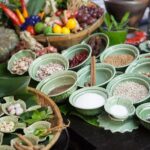
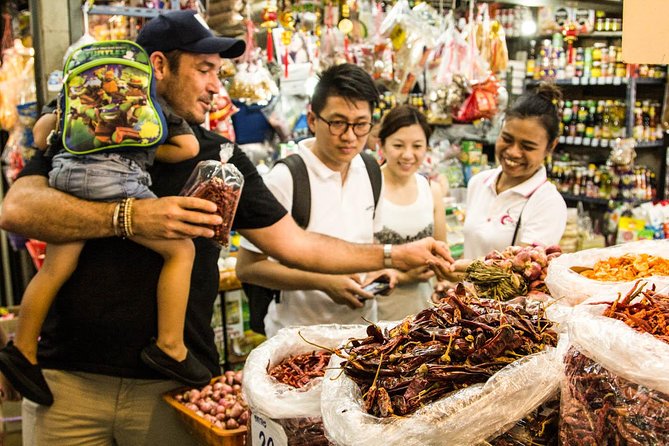
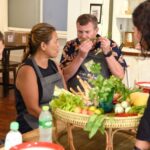
Next comes the market at On Nut. This is where the tour earns its keep. You’ll choose vegetables and ingredients as you go, and you’ll get guidance on what to look for so you’re not buying guesswork.
What you’re learning here is more than shopping. You’re training your senses for Thai cooking:
- How aromatics look and smell
- Which ingredients should feel firm, not limp
- How different herbs and vegetables behave once chopped and cooked
This step is also where language gaps get handled. Your guide can help you understand what the market sellers are saying, and you’ll be translating the choices into cooking decisions for the next phase.
If you’re the type who thinks you can only learn Thai flavor by eating it, this stop changes that mindset. You start to see the structure behind the taste.
Stop 3: Cooking your Thai specialties (hands-on wok work)
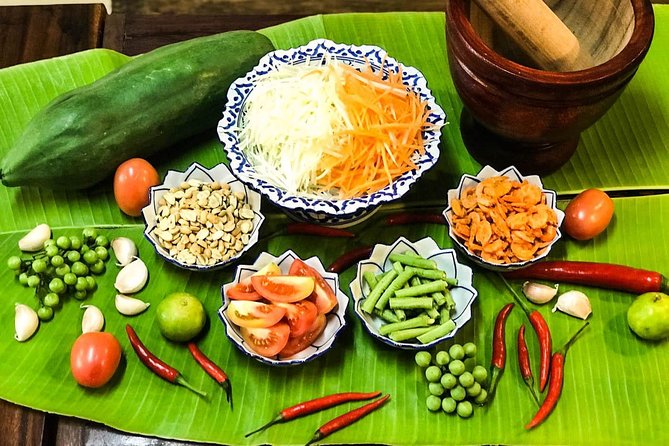
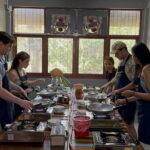
Then you move from buying ingredients to actually using them. The class focuses on hands-on wok cooking, and you’ll learn popular dishes drawn from the Thai menu favorites of this tour: red curry, green curry, pad thai, sour shrimp soup, spring rolls, and mango sticky rice.
You won’t just memorize steps. You’ll pick up techniques—things like how to time ingredients, when to adjust heat, and how to build sauce flavor instead of pouring everything in at once. That’s where a good chef makes the difference.
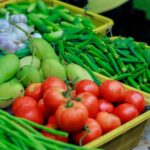
Stop 4: Sit down to the meal you made
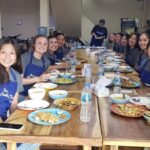
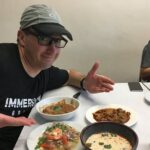
Finally, you enjoy the Thai dishes you prepared yourself. Lunch or dinner is included, and it’s part of what makes the price feel fair. You’re paying for the whole learning arc, not only the cooking portion.
One timing tip based on past experiences: if you go in very hungry, you might have a bit of a wait before you eat. It’s smart to have a small snack before you head out, or at least plan to be ready for a late meal depending on your class time.
What you’ll cook: curry, noodles, soup, and sweet finish
The tour description includes specific Thai dishes, and your final menu typically pulls from that list. Across the experience, you’ll get practice with Thai flavors that show up again and again in Bangkok cooking.
Curries: red and green foundations
You’ll learn curry making through red curry and green curry style cooking. Even if you’ve eaten curry before, learning it in a class helps you understand what’s doing the work: spice paste building, balancing flavors, and knowing how curry changes as it cooks.
If you love the idea of bringing Thai curry home, this is the part you’ll use most.
Noodles and starters: pad thai and spring rolls
You’ll also get instruction for dishes like pad thai and spring rolls. These are great learning targets because they teach you timing and texture. Noodles can go wrong fast if you overcook. Spring roll wrappers need the right handling so they stay crisp, not soggy.
Soup: sour shrimp soup
The menu also references sour shrimp soup. Thai sour notes can be tricky because they’re not just about sourness—they’re about balance. This is one of those dishes where technique matters more than ingredients alone.
Dessert: mango sticky rice
Finally, you’ll see why mango sticky rice is such an enduring Thai classic. In a short class, dessert can feel like an afterthought, but here it’s part of the learning meal, so you’re finishing with something that actually matches the rest of the cuisine.
Chef Pimmy and the real teaching style
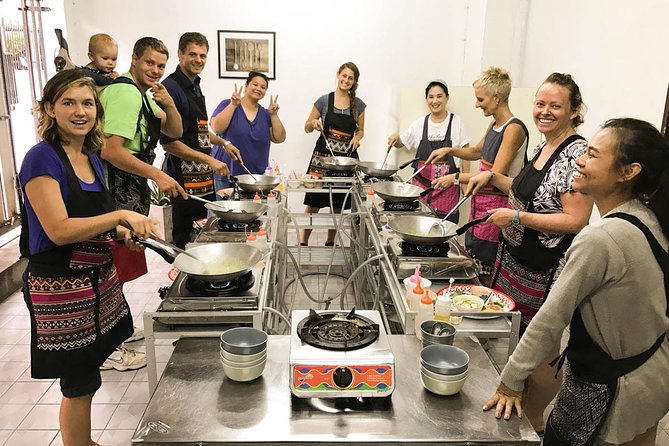
Chef Pimmy is a big reason this experience gets such strong ratings. The instruction approach is what you want from a Bangkok cooking class: practical, patient, and tied to ingredients you just bought.
Many classes promise hands-on cooking, but not all of them deliver. Here, the goal is for you to cook, not just watch. You’ll be guided through the process, and you should feel comfortable asking questions about ingredients and techniques.
That said, there’s one consideration worth mentioning. A small number of experiences note that teaching style can vary—at times, the pace may feel fast, or communication might be hard if you’re not used to Thai cooking terms. If you learn best by slowing down and asking lots of questions, bring that energy early.
Small group size: why 10 people matters
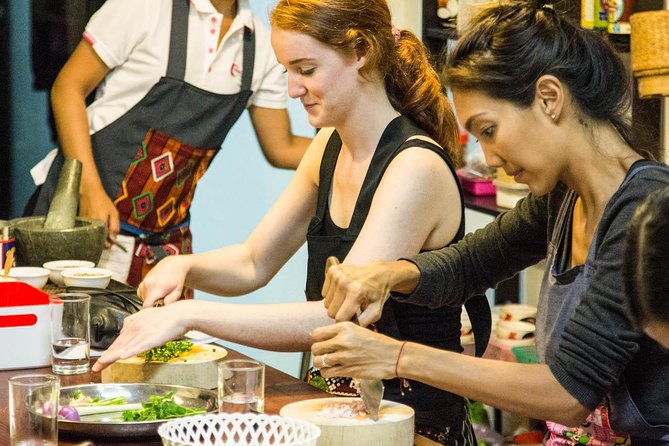
A max of 10 travelers sounds like a detail, but it changes the whole class. Smaller groups mean:
- More chances to get your hand corrected when chopping or mixing
- Less time waiting for the chef to check in
- A more relaxed market pace and cooking flow
It also tends to make the experience feel like a shared activity rather than a conveyor belt. In a market-based class, that’s a big deal.
Included perks that add real value
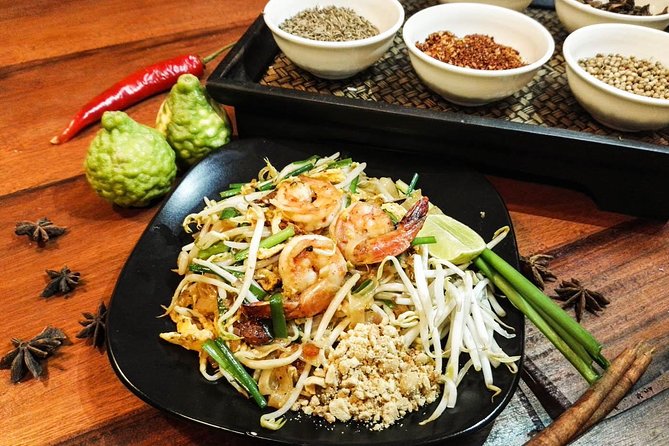
This tour includes more than the cooking itself.
You get:
- Local market tour and fresh ingredients
- Thai cooking class
- Lunch or dinner
- Tea, coffee, water, and wifi
- Recipes to take home
- A mobile ticket
Those inclusions matter because they reduce your daily Bangkok planning. You don’t need to hunt for a meal afterward, and you leave with written guidance that turns your memory into a repeatable recipe.
Alcoholic drinks are not included, but you can usually purchase them on site if you want. If you don’t want to think about extra charges, just plan on sticking to the included drinks.
What to wear and how to prepare (so you enjoy it more)
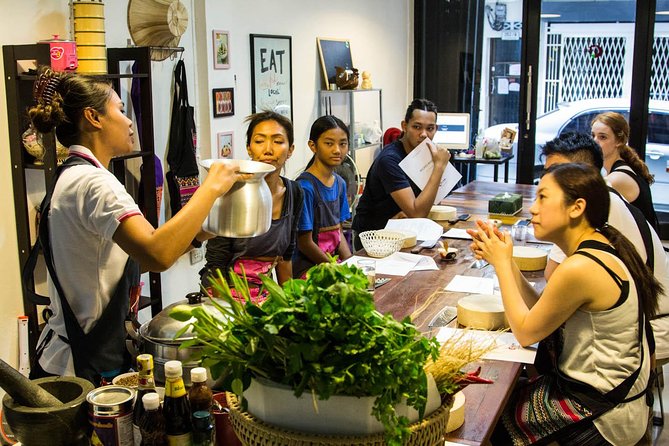
This is a market + kitchen day. Keep your plan simple.
Wear:
- Comfortable clothes
- Comfortable shoes (you’ll walk)
- Something you don’t mind getting a little food-adjacent
Also, show up with your senses ready. Market cooking is partly about taste and smell, not only measuring. If you try to rush it like a museum visit, you’ll miss the point.
One more practical move: arrive with extra time because traffic can be heavy. If you’re late, you can lose time right at the start of the learning cycle.
Price and value: why $38.81 can make sense
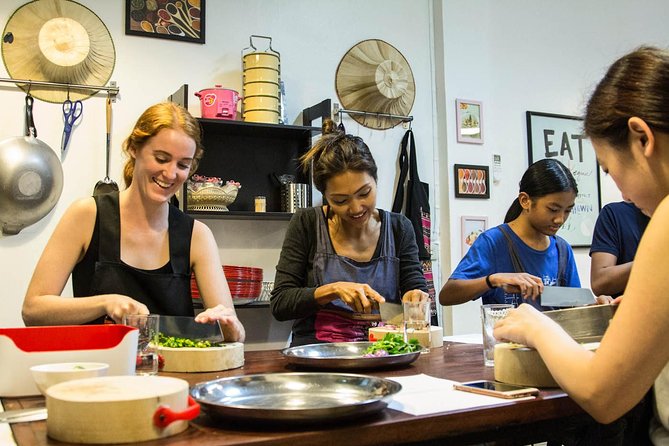
At $38.81 per person, you’re paying for a full package: market shopping, chef instruction, ingredients, and a meal, plus recipes. Some cooking classes sell a lot of “class time” but keep ingredient sourcing generic.
Here, the ingredient sourcing is part of the price. You’re learning how to choose produce and seasonings at a real Bangkok market, then translating that into curry, noodles, soup, spring rolls, and sweet sticky rice.
If you want a cooking class mostly for a fun dinner, you might prefer a cheaper option. If you want Thai cooking skills you can recreate, this price starts to look like good value.
Who should book Pink Chili (and who might not)
Book this if you want:
- A Bangkok food experience that teaches you as you eat
- A small group setting
- Market-to-kitchen learning, not just a restaurant meal
- Recipes you can take home
It may be less ideal if you:
- Hate waiting before the meal (you’ll eat at the end)
- Need very slow, highly detailed instruction without any pace changes
- Are sensitive to communication issues if you’re struggling to follow the guide’s explanations
Should you book this Pink Chili Thai Cooking Class?
If your priority is learning how Thai flavors are built, I think this is a smart booking. The market stop at On Nut is a meaningful step, and the small group format helps you actually practice cooking. Chef Pimmy’s reputation for patient instruction shows up again and again, and the fact that you leave with recipes makes it more than a one-day food activity.
If you’re short on time or you hate logistics, you might feel the class is “scheduled” rather than casual. But with a little planning for Bangkok traffic and a comfortable outfit, this is the kind of experience that gives you something to cook again later.
FAQ
FAQ
How long is the Pink Chili Thai Cooking Class and Market Tour?
It runs for about 4 hours.
Where does the tour start?
The meeting point is Pink Chili – Thai Cooking School in Bangkok at Soi Phae Anuson, Khwaeng Phra Khanong Nuea, Watthana, Krung Thep Maha Nakhon 10110, Thailand.
Is the market included?
Yes. You visit the On Nut fresh market and select ingredients there.
What kinds of dishes will I learn to make?
You’ll learn Thai dishes such as red curry, sour shrimp soup, spring rolls, and popular items including pad thai, green curry, and mango sticky rice.
Is lunch or dinner included?
Yes. The tour includes lunch or dinner, based on the class.
What is included in the price?
The price includes the local market tour and fresh ingredients, the Thai cooking class, your meal, tea/coffee/water, wifi, and recipes.
Are alcoholic drinks included?
No. Alcoholic drinks are not included, but they are available to purchase.
How big is the group?
The tour has a maximum of 10 travelers.
Is the tour near public transportation?
Yes, it is listed as near public transportation.
What if weather is bad or the tour is canceled?
The experience requires good weather. If it’s canceled due to poor weather, you’ll be offered a different date or a full refund.