REVIEW · BANGKOK
Thai Herbal Cooking Class & Market Tour in Bangkok
Book on GetYourGuide →Operated by Plan Vacation Asia Co.,Ltd · Bookable on GetYourGuide
Herbs lead the way in Bangkok. This half-day class blends a local market walk with hands-on cooking focused on fresh Thai herbs and their traditional wellness uses.
Two things I really like about this experience are the small group size (max 8) and the way the day starts at the market, where you learn how herbs show up in everyday Thai cooking. One simple consideration: the itinerary includes moderate walking and standing, so good shoes matter.
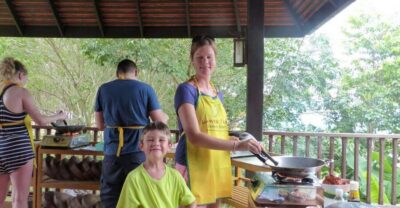
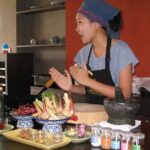
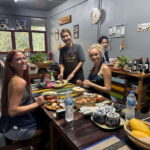
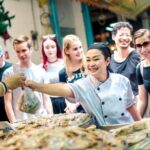
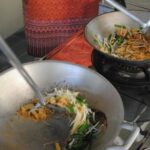
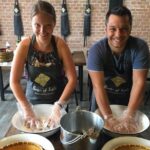
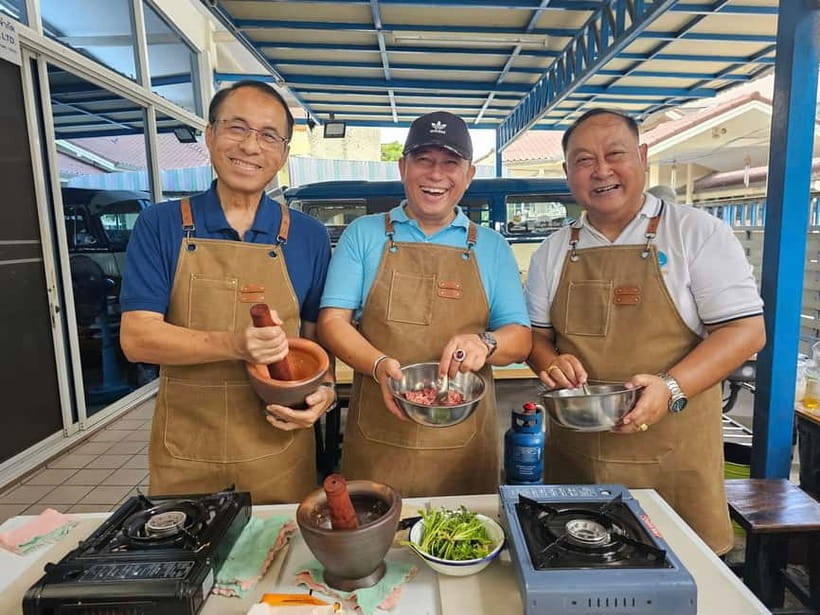
In the cooking house, it’s cozy and family-style, and the vibe is very hands-on with hosts like Sunee, who runs the experience with a warm, home-feeling approach. You’ll cook 4 dishes plus 1 dessert, then sit down to eat them together—while also tasting herbal teas and learning how Thai people think about balancing flavors.
You also leave with more than a full stomach: you get digital recipes, a certificate, and even photos from the cooking time (so you can actually repeat the results later).
In This Review
- Key points worth knowing before you go
- The half-day schedule and why it works
- MRT Huai Khwang to the local market: getting your bearings fast
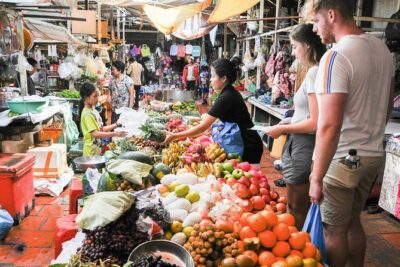
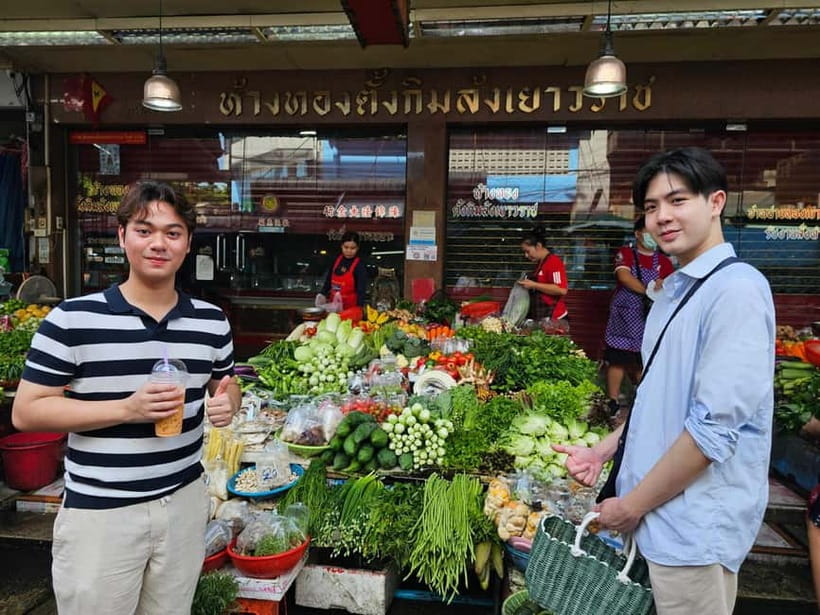
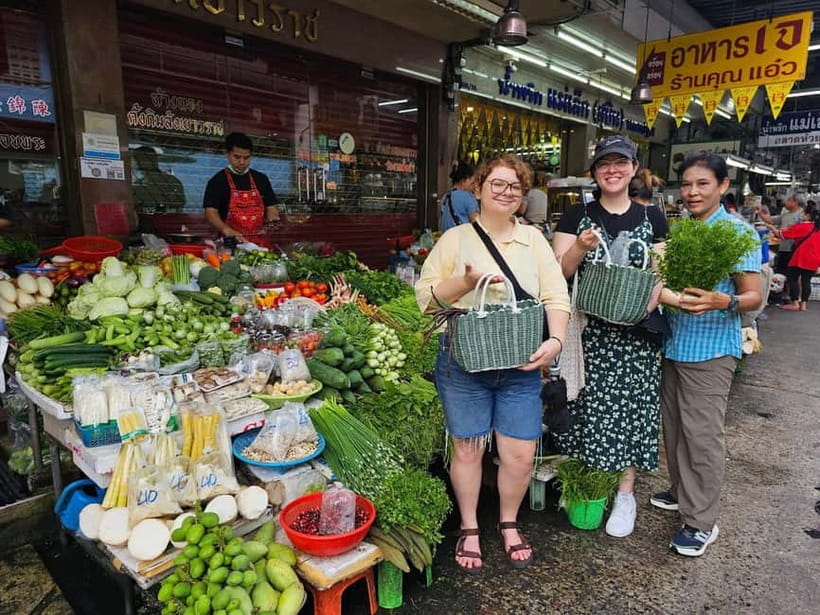
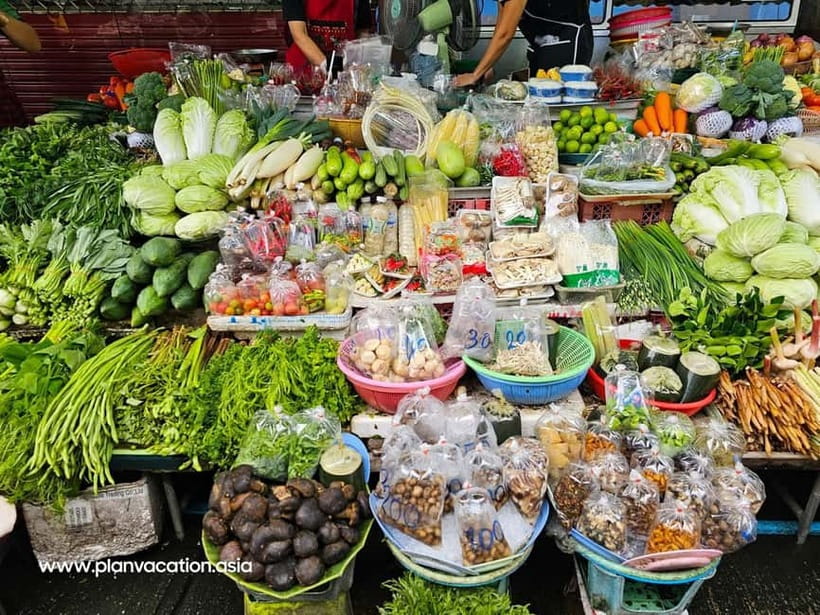
- The market walk: herbs, remedies, and what you should notice
- Garden tour and herbal welcome drink: where the plant talk becomes real
- Cooking in a family-style kitchen: your hands-on moment
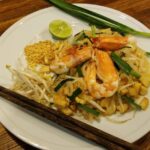
- What you’ll cook: the weekly rotating menu (check your weekday)
- Herbal teas and wellness principles: what you should take from it
- Eating together: tasting your work in a cozy setting
- Value for $77: what you’re really buying
- Who should book this (and who might not love it)
- Practical tips: shoes, allergies, and how to get the best results
- Should you book the Thai Herbal Cooking Class & Market Tour?
- FAQ
- How many people are in the group?
- Where do I meet, and where does it end?
- What language is the class taught in?
- What do I cook during the class?
- Are recipes provided after the class?
- Is transportation included?
Key points worth knowing before you go
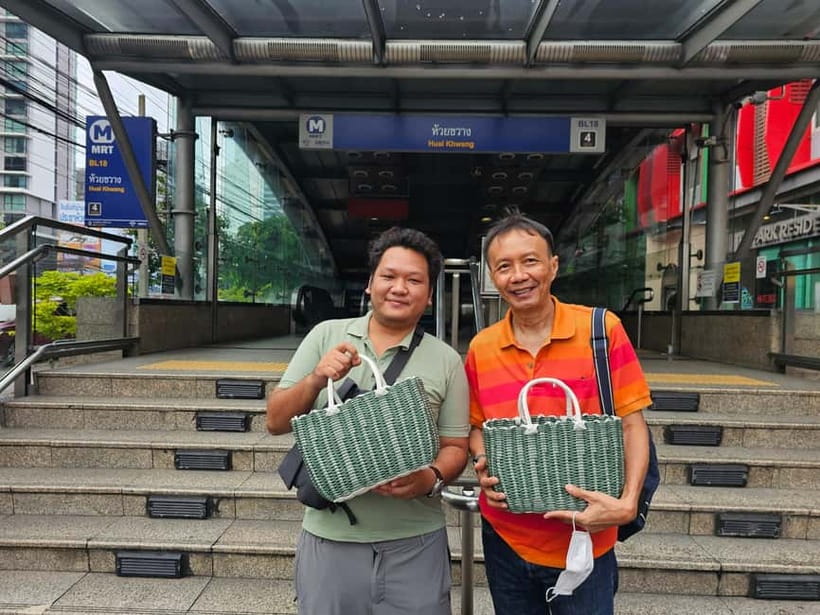
- Small group, max 8 people: less waiting, more personal attention, better questions answered.
- Market walk with herb lessons: you don’t just buy ingredients—you learn what you’re looking at and why.
- Garden tour + herbal welcome drink: it’s built around the plant side of Thai cooking, not just flavor.
- You cook 4 savory dishes + 1 dessert: the class focuses on producing a real meal, not demo-only cooking.
- English step-by-step instruction: clear guidance while you chop, stir, and taste your way through Thai herbs.
- Rotating daily menu: each day highlights different herbs and dishes, so check your weekday.
The half-day schedule and why it works
The day runs from 8:00 AM to about 1:00 PM, starting at MRT Huai Khwang Station (Exit 4). You’ll meet up, get an herbal welcome drink, and head into the plan with your group.
The flow is intentionally paced: you shop and learn first, then cook, then eat. That matters because Thai herbal cooking can be confusing if you only learn recipes from a book. Here, you pick ingredients up close, then you cook them immediately while the meaning is still fresh.
A small practical note: transportation to and from the meeting point isn’t included, but the tour does include transfers between the market and the cooking venue, plus the return to the meeting point area.
You can also read our reviews of more tours and experiences in Bangkok.
MRT Huai Khwang to the local market: getting your bearings fast
Meeting at MRT Huai Khwang Exit 4 is convenient if you’re staying somewhere in central Bangkok and want to avoid a complicated pickup. Once you’re there, the group stays small, and the guide leads you through what you’ll see and cook.
This start is more than just logistics. A market walk can easily turn into random wandering. Here, the market is tied directly to the dishes you’ll make later, and the goal is to help you understand herbs and remedies in a practical way—how Thai people select them and how they show up at the stove.
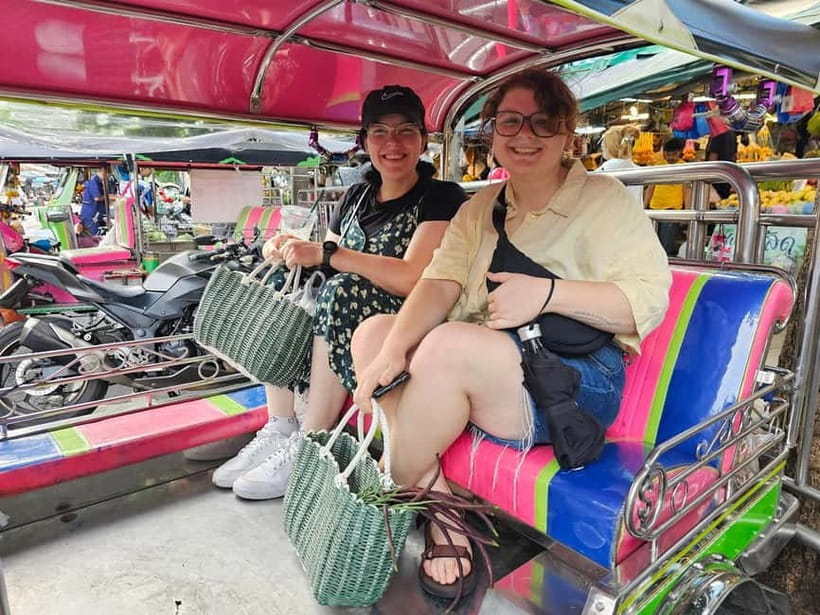
Some days include a quick ride between stops (one account describes a tuk-tuk transfer). Either way, the movement is short and keeps you from getting fried by Bangkok heat before cooking.
The market walk: herbs, remedies, and what you should notice
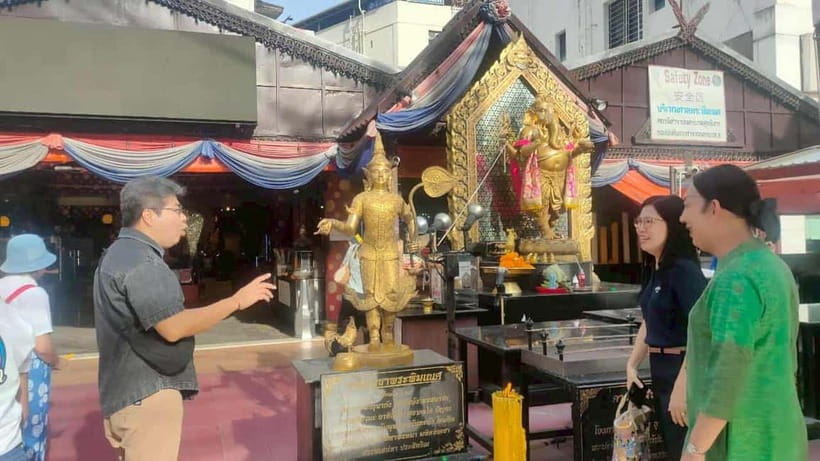
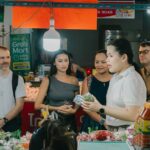
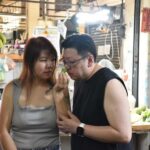
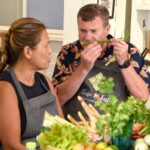
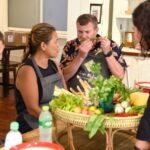
This is where the class separates itself from the usual cooking-school routine. As you walk through stalls, you’re not only choosing ingredients for taste. You’re learning the herb logic behind Thai flavor and wellness traditions.
What you can expect to focus on:
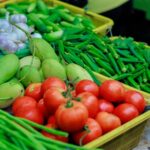
- Aromatic herbs you might not normally buy in a supermarket
- Vegetables and seasonal produce that change the menu and the textures
- Fruit and other items that show up in Thai desserts and balancing flavors
The biggest practical win is ingredient recognition. After you’ve seen what “fresh” really looks like—plus how Thai cooks pair herbs with the rest of the dish—you’ll be more confident the next time you shop.
Also, if you’re the type who likes to know what you’re eating, this market segment gives you context beyond taste alone. That herbal-and-remedies angle is central to the experience.
Garden tour and herbal welcome drink: where the plant talk becomes real
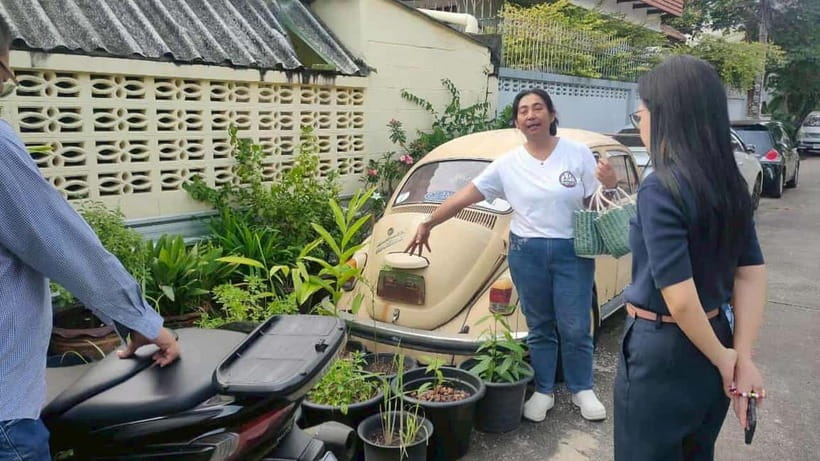
Back at the cooking venue, the day doesn’t jump straight to cutting boards. You’ll get a garden tour showcasing herbs and plants used in cooking, and then a herbal welcome drink.
This part helps you connect the dots. Instead of treating herbs like a vague garnish, you get to see the real living ingredients and understand that Thai cooking treats herbs as functional—both for flavor and for traditional wellness thinking.
Even if you don’t make herbal tea a daily habit at home, you’ll likely appreciate the concept: herbs aren’t just there to look pretty. They’re doing work.
Cooking in a family-style kitchen: your hands-on moment
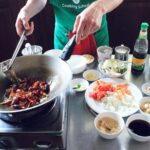
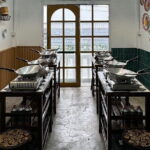
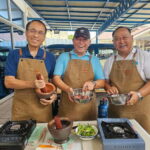
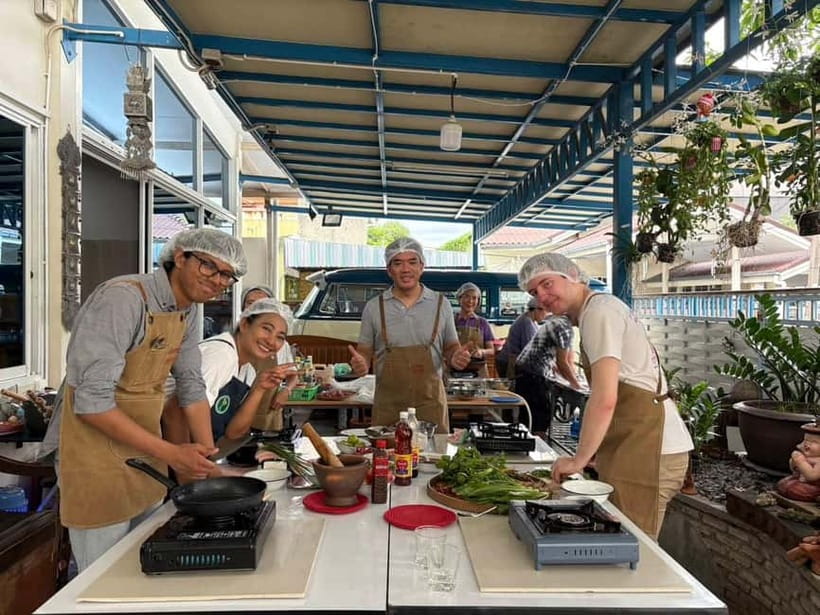
The cooking portion is where your effort turns into results. You’ll get step-by-step instruction in English, and all ingredients and cooking equipment are provided.
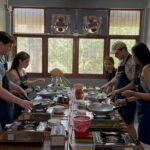
You’ll tackle 4 Thai dishes plus 1 dessert, rotating through cooking stations and techniques. The class is designed so you’re not only watching—you’re cooking the meal. That’s also why the group size matters. With a max of 8 people, it’s easier to get close guidance, correct technique in time, and actually finish each dish confidently.
From what you’re told and what you make, it’s clear the goal is competency. For example, one account highlights making a chili paste, which is a great skill if you want to reproduce Thai flavor at home.
Where it gets fun: cooking at a home setup (not a classroom kitchen). The tone is warm and casual, with an emphasis on doing it together. In reports, the host Sunee and the family-run staff create a feeling of being looked after while still letting you do the work.
What you’ll cook: the weekly rotating menu (check your weekday)
The menu rotates by day, so if you’re choosing based on specific dishes, plan around your day of the week. Here’s the daily lineup:
Monday
- Beef Panang Curry
- Stir-fried Morning Glory with Red Chili
- Poached Eggs
- Fried Chicken with Thai Herbs
- Khanom Tom (traditional Thai sweet coconut balls)
Tuesday
- Tom Kha Gai (Chicken Coconut Soup)
- Stir-fried Tofu with Bean Sprouts
- Deep-fried Pork with Herbs
- Fried Rice
- Steamed Pandan Layer Cake
Wednesday
- Hot and Sour Shrimp Soup with Mixed Vegetables
- Stir-fried Chicken with Holy Basil
- Thai Omelet
- Thai-style Fried Noodles
- Kanom Tuay (steamed coconut milk custard)
Thursday
- Stir-fried Bamboo Shoot with Curry Paste
- Clear Tofu Soup
- Deep-fried Pork Belly with Herbs
- Chinese-style Fried Noodles
- Steamed Banana Cake
Friday
- Chicken Green Curry
- Stir-fried Kale with Salted Fish
- Fried Chicken with Garlic and Pepper
- Stir-fried Rice Noodles with Soy Sauce
- Soft Mung Bean Crepe
Saturday
- Som Tum (Papaya Salad)
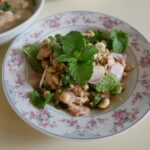
- Spicy Minced Meat Salad
- Hot and Spicy Soup
- Fried Chicken with Thai Herbs
- Banana in Coconut Milk
Sunday
- Tom Yum Gai (Spicy Chicken Soup)
- Stir-fried Napa Cabbage
- Stir-fried Beef with Red Curry Paste
- Stir-fried Rice Noodles with Chicken
- Poached Pumpkin in Coconut Milk
The herbal focus is built into the dishes. You’ll likely notice herbs aren’t just tossed in at the end. They’re part of the structure—used in curries, stir-fries, marinades, and sauces.
Also, one learning detail that comes up in accounts: you may work with special ingredients like jasmine buds, banana leaves, and lotus flowers. If you like Thai food that feels more ceremonial than routine, those touches make the class more memorable.
Herbal teas and wellness principles: what you should take from it
After the cooking sessions, you’ll sit down around 12:00 PM to eat, and you’ll also learn about Thai herbal teas and their wellness benefits.
A helpful way to think about this: you’re not being sold on a miracle. You’re getting an explanation of how Thai culinary traditions connect herbs, balance, and how a meal is put together. That can make your cooking decisions feel more intentional—like why certain herbs show up with certain dishes.
If you’re the kind of person who enjoys tea culture, this part adds extra depth. If you’re not, you can still treat the tasting and lessons as food education, not a pressure to adopt a new lifestyle.
Eating together: tasting your work in a cozy setting
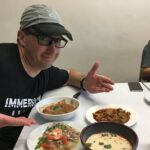
When you finish cooking, you don’t rush out. You share the meal in a warm, family-style kitchen setting, eating the dishes you made.
That format matters for two reasons:
- You get immediate feedback on seasoning and flavor balance while it’s still fresh.
- You’re more likely to try everything, including the dessert, since it’s part of the shared table.
Some accounts also mention a calm, quiet area of Bangkok and a light, laughing atmosphere during prep. That’s a good sign if you want something less rigid than a typical cooking-school vibe.
Value for $77: what you’re really buying
At $77 per person, you’re paying for more than recipes. You’re buying a compact lesson in Thai herbal cuisine with real ingredient context.
Here’s what makes it good value:
- Small group (max 8): you’re not lost in a crowd.
- Market walk + cooking + dessert: you’re doing the full flow, not just one segment.
- 4 dishes + 1 dessert: you leave with enough food knowledge to recreate a full Thai-style meal.
- Digital recipes + photos + certificate: you get materials you can use later.
- Herbal tea tasting + wellness explanations: adds an extra learning layer beyond standard cooking.
What’s not included is also worth noting. You’ll need to get yourself to the meeting point on your own (BTS or MRT depending on where you start). Alcoholic beverages aren’t included either.
So the value math works best if you want a guided, hands-on experience where the market learning directly supports what you cook.
Who should book this (and who might not love it)
This class is a strong fit if you:
- want to learn Thai cooking using fresh herbs as the main theme
- enjoy markets and want ingredient education, not just shopping
- prefer a small, cozy group with English instruction
- like practical skills—like making chili paste or cooking soups and curries from scratch
You might choose a different option if you:
- need a class with minimal standing/walking (the market walk and kitchen movement are part of the program)
- only want a quick recipe demo without ingredient context
Practical tips: shoes, allergies, and how to get the best results
A few things will make the day smoother:
- Wear comfortable shoes. You’ll walk and stand during the market and cooking.
- Bring passport or ID card.
- If you have dietary restrictions or allergies, inform the organizer at least 48 hours before. That’s your best move for a safe, enjoyable meal.
- Since you’ll be cooking with herbs and making sauces, have some flexibility with flavor intensity. If spice is a concern, mention it early so the team can guide you.
Also, the experience doesn’t allow pets, alcohol, or drugs. Simple rules, but good to know before you pack.
Should you book the Thai Herbal Cooking Class & Market Tour?
If you want one Bangkok activity that blends real ingredients with real cooking, this is an excellent choice. The small group limit, the guided market learning, and the fact you cook five dishes total make it feel like a complete experience rather than a short demo.
Book it if herbal food, Thai wellness traditions, and home-style cooking sound like your kind of fun. Skip it if you’re looking for purely tourist sightseeing or a low-movement class.
If you’re the type who wants to go home with skills you can repeat, the digital recipes and certificate help you keep that momentum.
FAQ
How many people are in the group?
The experience is a small group setting with a maximum of 8 people, which is designed for more personal attention during the market walk and cooking.
Where do I meet, and where does it end?
You meet at MRT Huai Khwang Station (Exit 4). The experience ends back at the meeting point.
What language is the class taught in?
Instruction is provided in English, including step-by-step guidance during the cooking sessions.
What do I cook during the class?
You’ll cook 4 Thai dishes and 1 dessert. The exact menu changes by day of the week, but you’ll always leave with a full meal you prepared.
Are recipes provided after the class?
Yes. You receive digital recipes after the class, along with materials that include photos taken during cooking.
Is transportation included?
Transportation between the market and the cooking venue is included, as is the transfer from the cooking venue back to the first meeting point. Transportation to the initial meeting point (MRT/BTS) is not included.