REVIEW · BANGKOK
Sukhumvit: Hands-on Thai Cooking Class & Market Tour in BKK
Book on GetYourGuide →Operated by House of Taste Thai Cooking School · Bookable on GetYourGuide
Thai food tastes different after you make it. This hands-on class in Bangkok pairs a market tour (mornings only) with cooking from scratch, including curry paste you build yourself. I like the step-by-step teaching style and the fact you eat what you cook while it’s still hot. One thing to consider: the market portion is only for morning sessions, so timing matters if that’s the part you want most.
Over about 210 minutes, you’ll learn how Thai flavors come together—spices, herbs, coconut milk, and sauces—then turn that know-how into four traditional dishes. Expect a friendly, English-speaking instructor (names like April, Jay, and Pitch show up often) plus modern, clean kitchen setups, with recipes sent to you afterward.
In This Review
- Key things that make this class worth your time
- Getting to the kitchen: BTS Asoke and MRT Sukhumvit meeting points
- Morning market tour vs afternoon mango carving: pick the right session
- Inside the cooking class: how you go from ingredients to four hot dishes
- Curry paste from scratch: the skill that actually helps at home
- The weekday menu: what you’ll cook from Monday to Sunday
- What the four-course meal really means (and why you’ll leave full)
- No MSG, plus real dietary accommodations (if you plan ahead)
- Price and value: what $45 buys you in Bangkok
- Practical tips: shoes, hunger, and how to avoid small annoyances
- Who this class is best for
- Should you book Sukhumvit: Hands-on Thai Cooking Class & Market Tour?
- FAQ
- How long is the Sukhumvit hands-on cooking class?
- Where do I meet for the morning class?
- Is the market tour included for every session?
- What dishes will I make?
- Does the class include ingredients and equipment?
- Can the class accommodate vegetarian, halal, kosher, or allergies?
- Does the cooking use MSG?
Key things that make this class worth your time
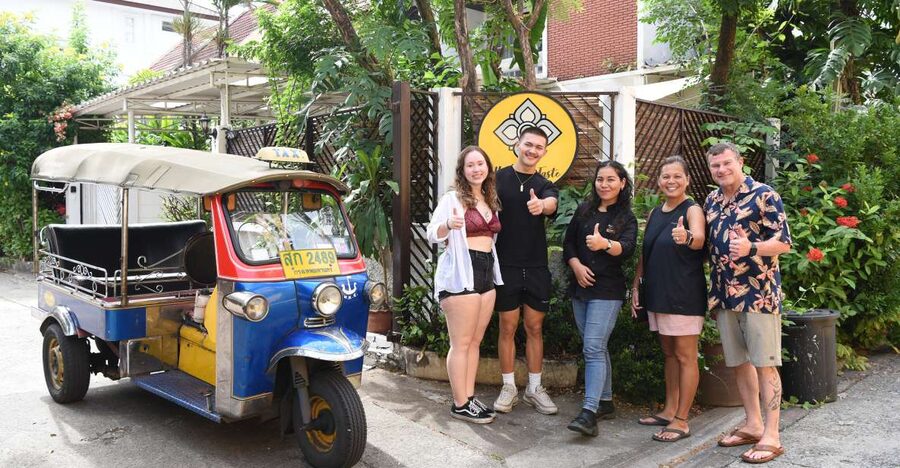
- Market-first flavors (morning only): fresh ingredients and ingredient spotting before you cook.
- Curry paste from scratch: not just instruction, but hands-on grinding and mixing.
- Four dishes, one meal: you cook and eat multiple courses you control.
- Heat, taste, and pacing: you get chances to sample as you go, not just at the end.
- Clear guidance for beginners: instructors explain processes in plain, repeatable steps.
- Diet-friendly support: substitutions for vegetarian, halal, kosher, and allergy needs with advance notice.
Getting to the kitchen: BTS Asoke and MRT Sukhumvit meeting points
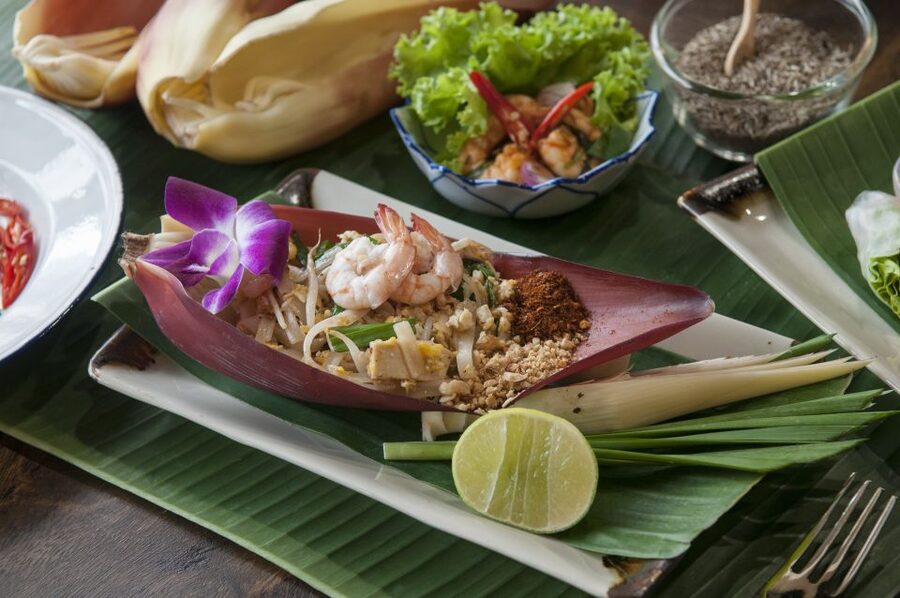
The morning version is built around a super central meetup: street level at BTS Asoke Exit 3 and MRT Sukhumvit Exit 3. The afternoon and evening classes start at the school in Sukhumvit 4, so you don’t have to chase down a market location later.
This matters because Bangkok is big, and cooking classes run on time. I’d give yourself a few extra minutes to find the group, especially if you’re arriving early. One practical heads-up from people who’ve taken the class: the area can feel a bit unclear at first if there’s no obvious sign right where you expect it.
You can also read our reviews of more tours and experiences in Bangkok.
Morning market tour vs afternoon mango carving: pick the right session
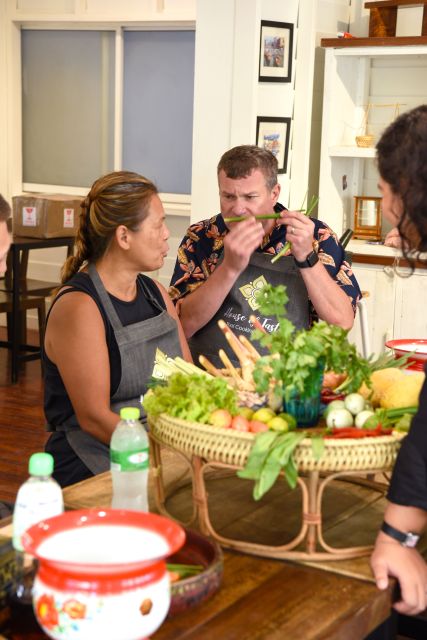
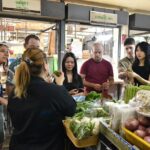
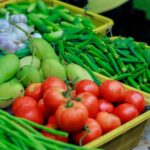
Here’s the core scheduling difference. If you book the morning class, you’ll shop for ingredients at a local market with a guided introduction. That’s where you’ll get familiar with vegetables, herbs, rice, spices, and how coconut milk and curry paste fit into Thai cooking.
For afternoon and evening classes, the market tour is replaced with mango carving. The ingredient learning still happens, but it takes place at House of Taste Thai Cooking School in Sukhumvit 4 instead of out on the street market.
So choose based on your goal:
- Want the ingredient hunt and market atmosphere? Go morning.
- Want cooking plus a fun Thai dessert/craft element without the market walk? Go afternoon or evening.
Inside the cooking class: how you go from ingredients to four hot dishes
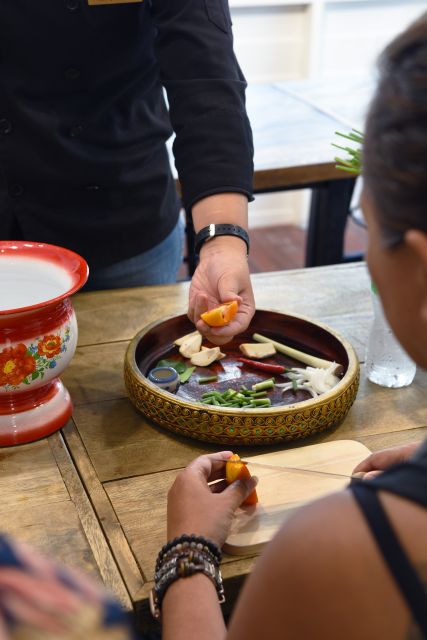
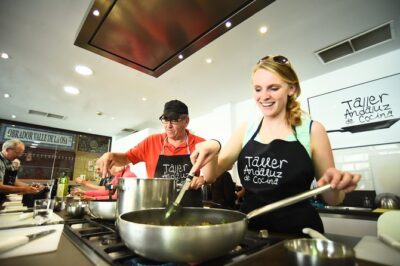
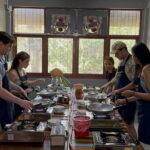
The format is simple and effective: you learn the building blocks, you make the dishes with hands-on guidance, and you eat what you cooked as it’s fresh and hot. The class runs about 210 minutes, which is long enough to get real practice without dragging on.
Most sessions follow a similar flow:
- Ingredient introduction: you learn what goes into Thai food—herbs, aromatics, spices, and key sauces.
- Coconut milk and curry paste prep: you see what creates Thai curry depth, then you practice.
- Hands-on cooking: you work through your assigned dishes, following clear steps.
- Taste as you go: you’ll sample your dishes during the session, not only at the end.
- Take-home support: you leave with recipes sent by follow-up email.
What stands out from the experience for me is the organization. People often praise how items are laid out neatly (like cooking trays ready for the next step), and how the instructors keep instructions both friendly and precise. That combination helps beginners avoid the common mistake of cooking by guesswork.
Curry paste from scratch: the skill that actually helps at home
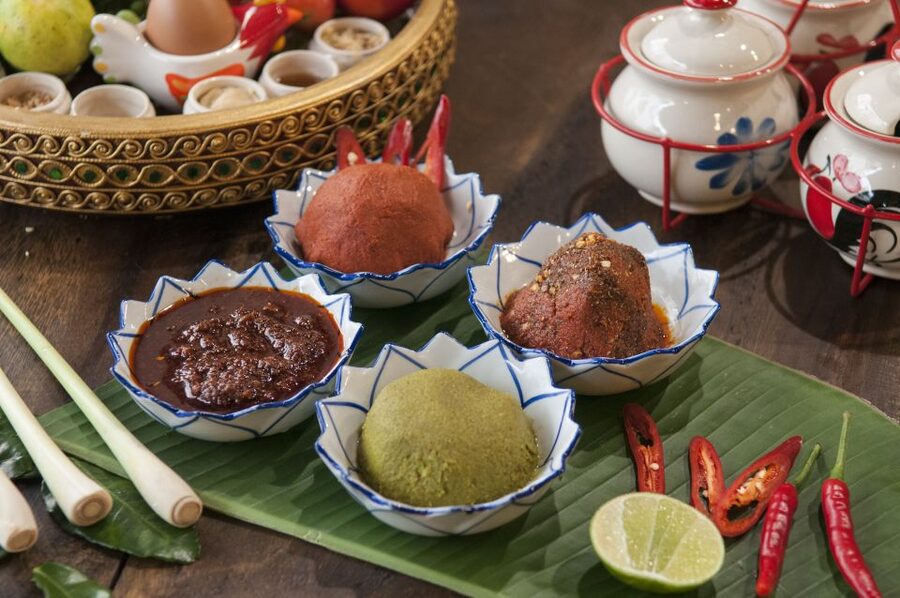
Curry paste is where this class earns its keep. You’re not just stirring sauce in a pot—you’re making curry paste from scratch. That’s the flavor engine for green curry, red curry, panang curry, and the way Thai dishes taste rich without feeling heavy.
You’ll also learn why certain ingredients matter beyond the headline flavors. Reviews repeatedly mention smelling and identifying ingredients during prep—ginger, coriander, herbs—and then seeing how those aromas translate into the final dish. If you’ve ever tried to recreate Thai curry at home using a jar and wondered why it tastes flatter, this is the missing piece.
Even if you only make curry once a year, curry paste practice gives you a template for:
- how spicy levels build
- how balanced the mix should feel
- how curry aroma changes as ingredients combine
The weekday menu: what you’ll cook from Monday to Sunday
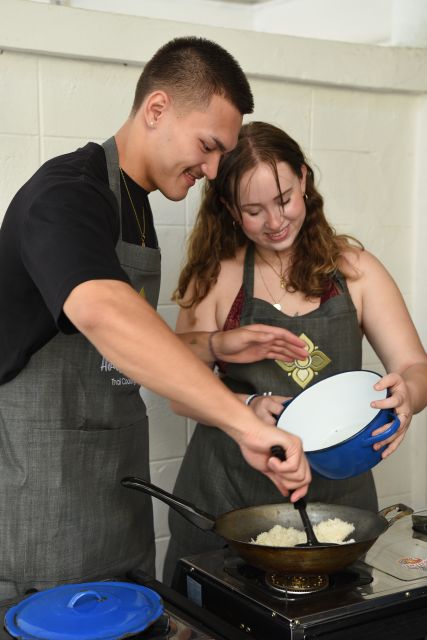
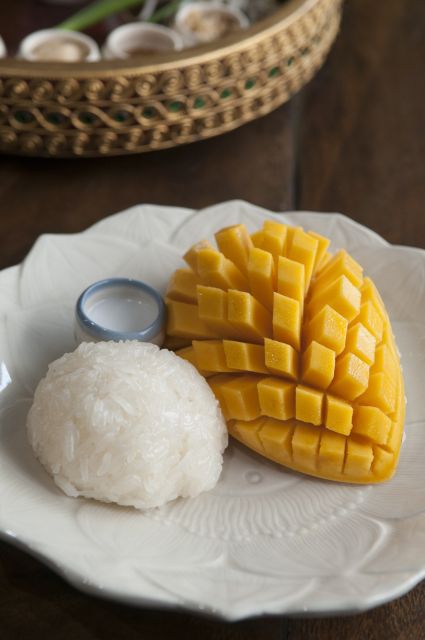
The dishes rotate daily, so check your day before you book. No matter the day, you’ll cook four dishes and end with mango sticky rice.
- Monday
- Thai Papaya Salad (Som Tum)
- Stir-Fried Noodles with Shrimp (Pad Thai)
- Green Curry with Chicken
- Mango Sticky Rice
- Tuesday
- Spicy Coconut Soup with Chicken (Tom Kha Gai)
- Stir-Fried Thai Basil Chicken (Pad Krapow Gai)
- Red Curry with Chicken
- Mango Sticky Rice
- Wednesday
- Hot and Sour Soup with Shrimp (Tom Yum Goong)
- Stir-Fried Flat Rice Noodles with Chicken (Pad See Ew)
- Green Curry with Chicken
- Mango Sticky Rice
- Thursday
- Spicy Minced Chicken Salad (Larb Gai)
- Stir-Fried Noodles with Shrimp (Pad Thai)
- Panang Curry with Chicken
- Mango Sticky Rice
- Friday
- Thai Papaya Salad (Som Tum)
- Stir-Fried Thai Basil Chicken (Pad Krapow Gai)
- Red Curry with Chicken
- Mango Sticky Rice
- Saturday
- Spicy Coconut Soup with Chicken (Tom Kha Gai)
- Stir-Fried Noodles with Shrimp (Pad Thai)
- Green Curry with Chicken
- Mango Sticky Rice
- Sunday
- Hot and Sour Soup with Shrimp (Tom Yum Goong)
- Stir-Fried Flat Rice Noodles with Chicken (Pad See Ew)
- Panang Curry with Chicken
- Mango Sticky Rice
A quick tip: if you’re picky about what you want most, pick your weekday based on your top dish. The class is hands-on, but you don’t get to swap the menu on the fly based on preference (at least not based on the info provided).

What the four-course meal really means (and why you’ll leave full)
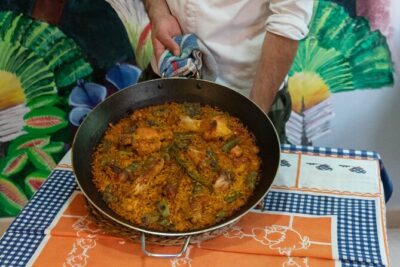
This isn’t a tiny tasting class. Included in the experience is a four-course meal, and you’ll typically get to savor each dish individually while it’s hot and fresh. The idea is that you cook, then you eat what you made—so you learn through feedback.
That matters because Thai cooking is about timing. Noodles need the right heat and toss order. Curry paste needs time to bloom and mix with coconut milk. Stir-fries need enough heat to keep texture.
You’ll also get drinking water as part of the included package. Alcoholic drinks aren’t included (you can purchase them).
One practical note from people who’ve been: come hungry. Several participants stress the same thing—there’s plenty of food, and you’ll want your stomach ready.
No MSG, plus real dietary accommodations (if you plan ahead)
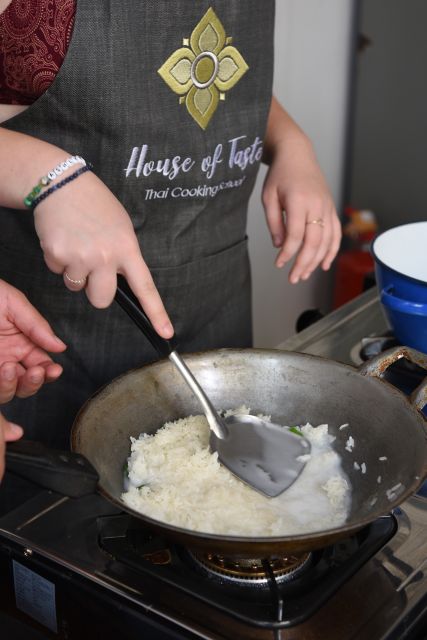
The class states that no MSG is used, which is nice if you’re sensitive to flavor enhancers or you just prefer cleaner seasoning.
If you have dietary needs—vegetarian, halal, kosher, or allergies—you can request substitutions. The key is timing: you need to notify the school in advance. That’s also where you’ll get the best results, because you want ingredient swaps to be prepared before you start cooking.
Price and value: what $45 buys you in Bangkok
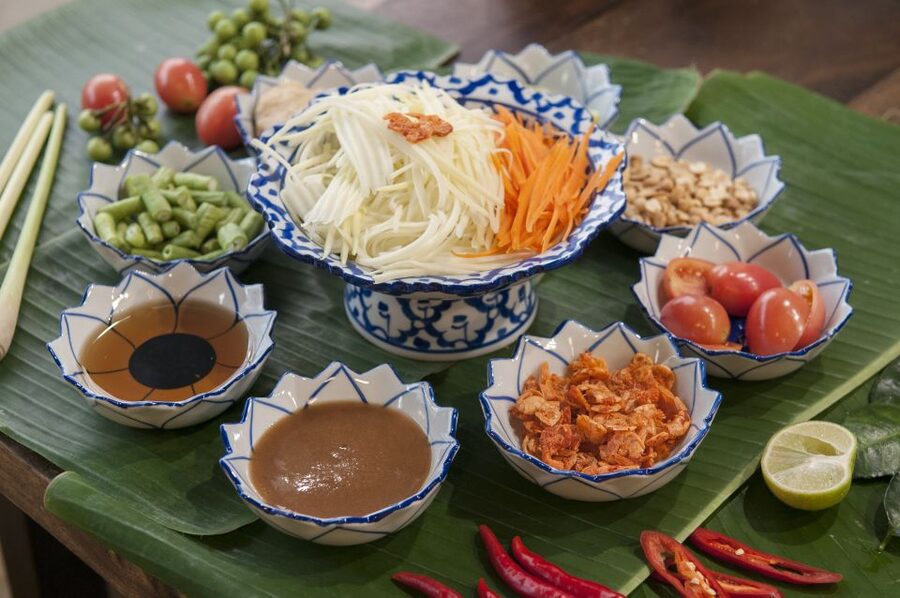
At $45 per person for about 210 minutes, this is one of those deals where the value is in what’s included, not just the instruction. You get:
- all ingredients and equipment
- a four-course meal
- a personal locker
- drinking water
- follow-up standard recipes by email
- the morning market tour or afternoon/evening mango carving, depending on your session
Put another way: you’re paying for a full cooking practice session plus a real meal, with take-home instructions. If you’ve ever tried to learn Thai cooking from a YouTube video, you know what you’re missing: step timing, texture checks, and instructor feedback.
Also, because the recipes come afterward, you don’t have to copy every measurement during the class. You can focus on technique, then recreate later.
Practical tips: shoes, hunger, and how to avoid small annoyances
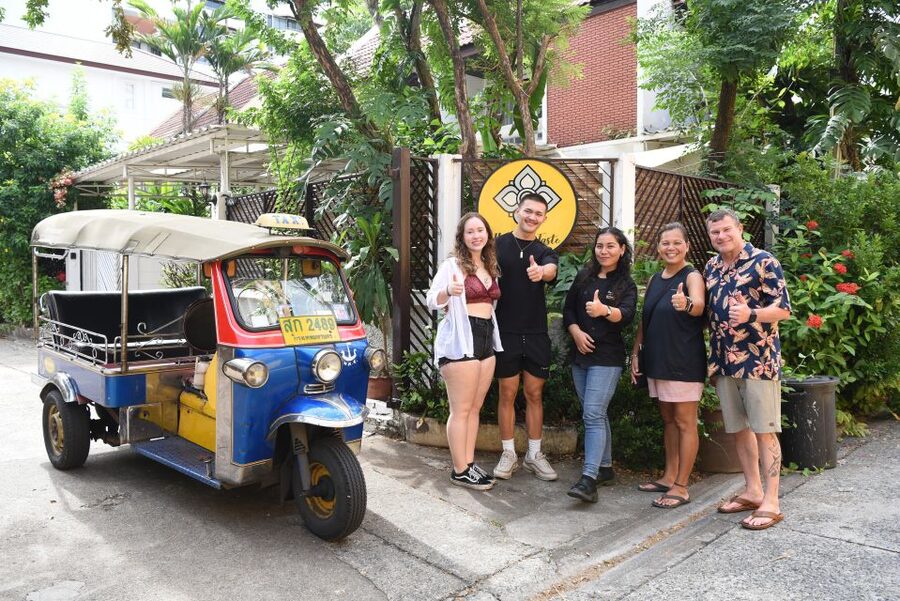
This class is straightforward, but a few small things can make a big difference:
- Wear comfortable shoes. There’s walking involved, especially in the morning market option, and the kitchens require mobility.
- Bring an empty stomach mindset. You’ll cook and eat four dishes.
- If you want to take food home, consider bringing containers. People have suggested packing options like small Tupperware so you don’t waste leftovers.
- Arrive a little early on the morning meetup. Some people found the exact check-in area confusing at first, so extra time helps you start calm.
And if you’re coming with a group, you’ll still want one person to focus on meeting-point clarity. Bangkok routing is easy once you’ve found the right stairwell or street level entry.
Who this class is best for
This is a great fit for:
- Beginners who want Thai food explained in a way that doesn’t assume you already know the ingredients.
- Couples who want a fun shared activity and a meal at the end.
- Families with older kids—people have taken the class with teens and reported they enjoyed the hands-on pace.
- Anyone who likes learning by doing, not just watching from the side.
It may be less suitable if you have mobility limitations. The information provided includes both wheelchair accessibility and also says it is not suitable for people with mobility impairments, so I’d check directly with the school before you book if this is a concern.
Should you book Sukhumvit: Hands-on Thai Cooking Class & Market Tour?
If you want to leave Bangkok with more than photos, book it. This is one of those experiences where you learn key Thai techniques—especially curry paste—and you eat the results right away. The food is consistently described as delicious, and the best part is that instruction feels structured: you get clear steps, friendly humor, and a kitchen setup that helps you follow along.
Skip it only if you:
- specifically want a full morning market plus extra add-ons, because afternoon/evening sessions swap in mango carving instead
- prefer alcohol-focused experiences (drinks are available for purchase, but they’re not the point)
- have mobility needs that might not fit the kitchen and movement requirements—check with the operator first
If your schedule lines up, pick your day based on the dishes you most want to cook, then come hungry and ready to work. You’ll get four courses, a curry paste skill you can repeat, and recipes you can actually use later.
FAQ
How long is the Sukhumvit hands-on cooking class?
The class duration is 210 minutes.
Where do I meet for the morning class?
For the morning class, meet at the street floor of BTS Asoke Exit 3 and MRT Sukhumvit Exit 3. You can also pin the meeting point to Hey! Coffee MRT Sukhumvit.
Is the market tour included for every session?
No. The market tour is available only for the morning class. Afternoon and evening classes include mango carving instead.
What dishes will I make?
You will make four traditional dishes plus mango sticky rice, but the exact menu changes by weekday (for example Som Tum and Pad Thai on Monday, Tom Yum and Pad See Ew on Wednesday, and Larb Gai with Panang curry on Thursday).
Does the class include ingredients and equipment?
Yes. All ingredients and equipment are included, along with drinking water and a personal locker.
Can the class accommodate vegetarian, halal, kosher, or allergies?
Yes, dietary requirements and allergies can be accommodated with advanced notification, including substitutes such as replacing meat with other ingredients.
Does the cooking use MSG?
The class states that no MSG is used.