REVIEW · PALERMO
Sicilian Cooking Class in Palermo
Book on Viator →Operated by Siciliandays · Bookable on Viator
Sicilian food starts with one good ingredient. In Palermo, this class turns that idea into a full afternoon: you shop for seasonal produce, walk to a gourmet home kitchen in a historic setting, then cook and eat with Sicilian wine pairings. The big draw is how practical it feels, from choosing ingredients to tasting the final plates side by side with what made them special.
I love the market-to-meal flow. You don’t just follow recipes—you learn how Sicilians shop, what “fresh” looks like in real life, and how flavors snap into place once you start cooking. I also love the hands-on teaching style, with specific Sicilian dishes like caponata and busiate al pesto trapanese, plus extra classics that can rotate by session. One thing to plan for: there’s no hotel pickup, and parking isn’t included (you’ll pay a fee at check-in).
In This Review
- Key highlights you’ll care about
- Market to kitchen in central Palermo: how the day really runs
- Choosing Sicilian ingredients at the farmers market (and what to look for)
- Palazzo Asmundo to a home kitchen: the setting that makes cooking feel real
- The Sicilian dishes you’ll cook: caponata and busiate al pesto trapanese
- Wine pairings, cheese, and the flavor lesson baked in
- Beyond the menu: pasta skills, desserts, and why the class feels complete
- Group size and hands-on time: up to 20, but it feels personal
- Price and value: what $229.29 includes (and what to budget for)
- Who should book this class in Palermo (and who might prefer something else)
- Practical planning tips for your day at Via Volturno
- Should you book this Palermo cooking class?
- FAQ
- What is the duration of the Sicilian Cooking Class in Palermo?
- Where does the class start?
- Is the class offered in English?
- Is lunch or dinner included?
- Is wine included?
- Are vegetarian options available?
- Is hotel pickup included?
- Is there an extra cost for parking?
- How many people are in the class?
Key highlights you’ll care about
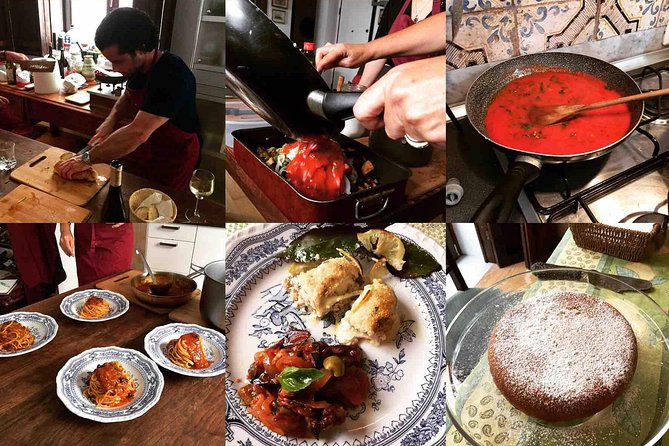
- Market shopping for seasonal ingredients so your cooking starts with the right produce and pantry staples
- Hands-on Sicilian dishes built around local flavors like agrodolce caponata
- A gourmet home kitchen in a historic building for a real “eat here like locals” feel
- Wine pairings included that help you understand why Sicilian cooking tastes the way it does
- Small max group size (up to 20), usually enough room to ask questions and actually cook
Market to kitchen in central Palermo: how the day really runs
You’ll begin at Via Volturno, 78, in central Palermo. From there, you head toward the first area stop connected with the activity (Palazzo Asmundo – Museo), then the key part starts: the ingredient hunt. Expect a walk that’s short and easy, including about a 10-minute trek from the market to the home kitchen once you’ve bought everything.
This format matters because it keeps your attention where it should be. You’re not bouncing between far-apart places, and you’re not waiting around. Instead, you get into “make mode” fast—shopping first, then cooking, then eating what you made.
The class runs about 4 hours 30 minutes, with a lunch or dinner meal depending on your departure time. You’ll also have a mobile ticket, and the session is offered in English, with the possibility of a multi-lingual guide.
You can also read our reviews of more tours and experiences in Palermo.
Choosing Sicilian ingredients at the farmers market (and what to look for)
The market part isn’t just sightseeing. This is where you learn the habits that create Sicilian flavors: picking produce at peak ripeness, recognizing what’s worth spending on, and understanding how ingredients behave once cooked.
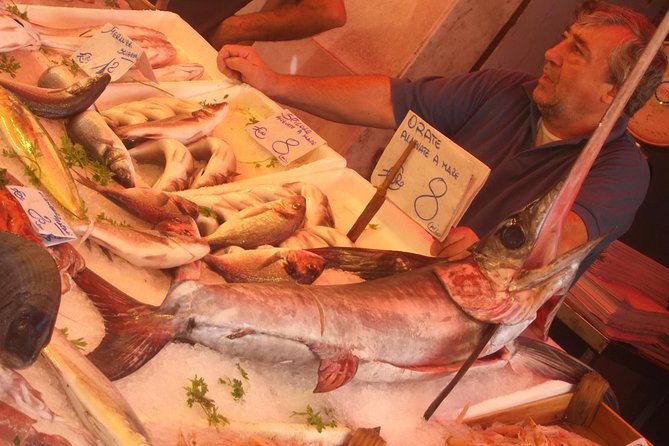
You’ll shop for the ingredients needed for your class menu, and the whole point is that Sicilian cooking leans on seasonal logic. Eggplants, onions, capers, olives, and pantry staples are the kind of ingredients that show up again and again in Palermo kitchens. You’ll also notice how vendors present their goods and what looks freshest in the moment, not what looks good in a photo.
Here’s the practical payoff: once you’ve seen how to choose, you can recreate the style at home even if you’re using different brands. That’s where many cooking classes fall short—this one tries to teach the why behind the what.
Palazzo Asmundo to a home kitchen: the setting that makes cooking feel real
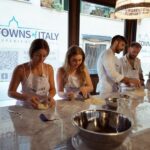
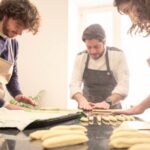
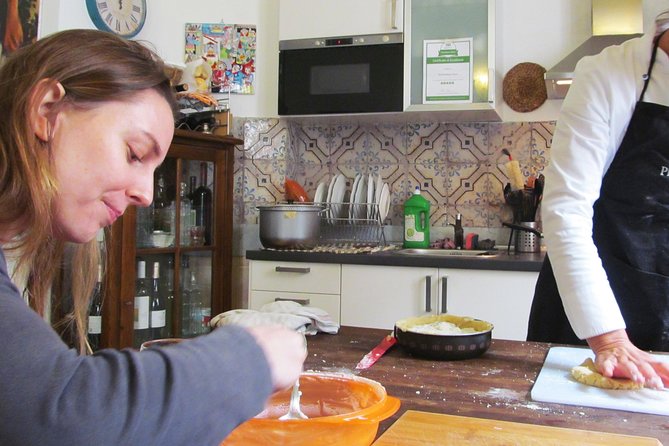
After the market, you walk to the cooking location: a gourmet home kitchen inside a historic building. That sounds like a nice detail, but it changes the vibe. A home kitchen means you get real tools, a real workspace flow, and a table where you’ll actually sit down and eat together.
In many sessions, the host welcomes you right away with small tastes—think local bread, olive oil, olives, and wine—so you’re not starting cold. The meal setup tends to encourage group participation, with your ingredients pre-selected and your tasks broken into manageable steps.
This is also where you’ll feel the personal touch. The hosts are described as warm, energetic, and patient, which matters if you’re not a natural at chopping, sauce-making, or pasta shaping. I like this because it turns a class into an experience you remember, not a stress test.
The Sicilian dishes you’ll cook: caponata and busiate al pesto trapanese
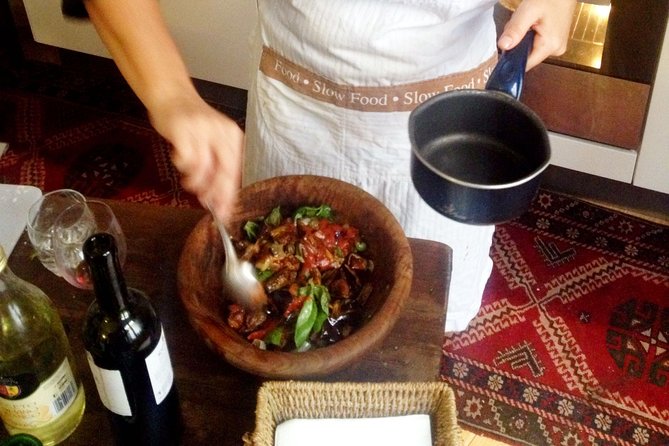
Your sample menu anchors on two Sicilian favorites.
Caponata (starter) is a stew-like vegetable dish built around eggplant, onions, capers, and green olives. The flavor comes from the signature agrodolce balance—sweet and tangy working together. This is one of the most “Sicily” flavors you can learn because it’s distinct from many other Italian styles. It also teaches you technique: getting vegetables to soften without turning into mush, and seasoning so the sweet-sour balance feels intentional.
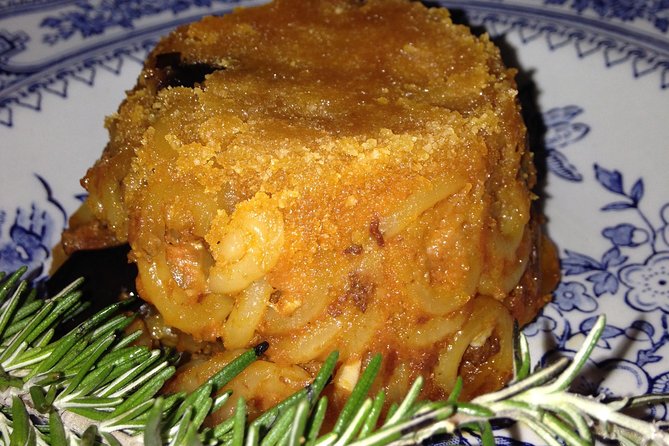
Busiate al pesto trapanese (main) is a pasta pairing designed for Trapani-style pesto. Busiate is a typical pasta shape from Trapani, and the pesto is local and different from the more common green pesto you may have seen elsewhere. If you’re used to basil-driven sauces, this is a chance to experience another Sicilian logic: fragrant, savory, and built to cling to a textured pasta shape.
A lot of people also come away mentioning other classic items they learned—like arancini and cannoli in some sessions. That’s a good sign if you want variety, but it also means you should treat the menu as a Sicilian highlight set rather than a single guaranteed shopping list of dishes.
Wine pairings, cheese, and the flavor lesson baked in
Wine is included, and it’s not treated like an afterthought. You get wine and food tasting as you go, which helps you connect what’s in your plate to what you’re drinking.
Sicilian wine pairings can be eye-opening because they tend to match the region’s flavor patterns: acidity that stands up to tomato and tang, and structure that doesn’t get lost next to olive oil, capers, and savory sauces. Even if you’re not a wine nerd, you’ll leave with a simple rule: pairings aren’t random. They’re built around the dominant flavors in what you cook.
You’ll also likely snack while cooking—local bread, olive oil, olives, and sometimes cheese appears in the welcome and snack moments. That matters because it keeps energy steady. You’re busy with chopping, stirring, and timing, and small tastings keep things enjoyable instead of turning it into a marathon.

Beyond the menu: pasta skills, desserts, and why the class feels complete
The class doesn’t stop at one dish. It’s built to feel like a full Sicilian meal, not a quick appetizer-and-go event.
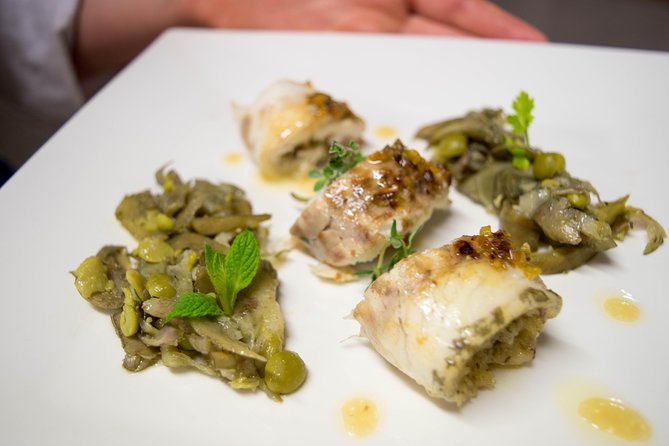
In different sessions, people report learning techniques and dishes that go beyond caponata and pesto—things like pasta shaping, arancini, and cannoli, plus traditional desserts such as cassata al forno (a baked ricotta-based cake). In some variants, you may also see meat or fish dishes like involtini and seafood preparations, depending on what the group’s session focuses on.
This variety is useful even for non-foodies. You’re not just eating. You’re building a mental map of how Sicilian meals are structured: starter with punchy flavors, a pasta dish that carries the meal, and a dessert that brings sweetness into the story without flattening everything else.
And yes, dessert matters here. You’ll finish with something traditional, which gives the day a real arc—from market freshness to home-kitchen technique to the last bite.
Group size and hands-on time: up to 20, but it feels personal
The group maximum is 20 travelers, which is a big deal for quality. With a ceiling like that, the host can actually keep an eye on technique and answer questions without turning the class into a lecture.
In reviews, solo travelers and small groups describe a relaxed pace with enough hands-on time to feel confident. When groups are smaller, you naturally get more attention on how you’re doing the little things—timing sauces, adjusting seasoning, and shaping pasta correctly.
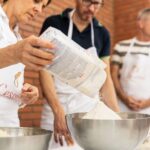
If you’re worried about whether you’ll truly cook versus watch, this is the right kind of class to choose. You’re walking into a kitchen workflow where everyone contributes, and the food ends up on your table because your hands were part of it.
Price and value: what $229.29 includes (and what to budget for)
At $229.29 per person, you might wonder if it’s a splurge. Here’s the honest way to think about value.
Included:
- Cooking lesson
- Lunch or dinner (based on departure time)
- Wine and food tasting
That’s not just “food.” It’s a guided market trip, hands-on instruction, the ingredients tied to your dishes, and a seated meal with tasting components. For a 4.5-hour experience, that can be good value if you like learning in a practical way—and not just eating a plate.
Not included:
- Parking fee, payable at check-in
- Hotel pickup and drop-off
So your real cost picture depends on how you’ll get there. If you’re driving, budget for the parking fee. If you want a car-free plan, you’ll need to handle the route to Via Volturno on your own.
Who should book this class in Palermo (and who might prefer something else)
This is a great fit if you want a grounded, local-feeling experience. You’ll enjoy it most if you like:
- Cooking at home and want usable technique, not just inspiration
- Learning what makes Sicilian food different from other Italian cuisines
- Spending time with a real host in a home kitchen setting
It also works well for couples and solo travelers. The tone described is friendly, and the class structure gives you conversation without forcing it.
If you have diet needs, the host asks for details at booking and a vegetarian option is available. That’s a big plus for planning your meal with confidence.
One caution: if you hate wine or don’t drink alcohol, you should still message your needs at booking, since wine is part of the experience format. The data says wine is included, so treat that as core to the style of the day.
Practical planning tips for your day at Via Volturno
Start with logistics that make the day smoother:
- Plan to arrive a bit early at Via Volturno, 78 so you don’t feel rushed.
- Wear comfortable shoes. You’ll be walking (including that short walk after the market).
- Bring a question list. This kind of class is best when you ask about taste balance—especially agrodolce-style dishes.
- If you want vegetarian meals or have dietary requirements, send them during booking so the host can adjust.
Also, keep in mind the group size cap of 20. That’s usually ideal for learning, but it does mean you’ll share attention with others—so being ready to participate helps.
Should you book this Palermo cooking class?
If your goal is an authentic Sicilian food day that teaches you how the cuisine is built, I’d book it. The market ingredient shopping, the hands-on cooking, and the meal with wine pairings combine into something more useful than a typical restaurant meal.
Book it especially if you’re excited about caponata, pesto trapanese, and the idea that shopping choices shape the final flavor. And if you want a small-group class in a real home kitchen, this format fits that perfectly.
Skip it only if you strongly want hotel pickup or you dislike the idea of paying an extra parking fee. Otherwise, this is one of the most practical ways to take Palermo flavors home with you.
FAQ
What is the duration of the Sicilian Cooking Class in Palermo?
The class lasts about 4 hours 30 minutes.
Where does the class start?
It starts at Via Volturno, 78, 90138 Palermo PA, Italy.
Is the class offered in English?
Yes. The experience is offered in English.
Is lunch or dinner included?
Yes. Lunch or dinner is included depending on your departure time.
Is wine included?
Yes. Wine and food tastings are included.
Are vegetarian options available?
Yes. A vegetarian option is available—tell the provider at booking.
Is hotel pickup included?
No. Hotel pick-up and drop-off are not included.
Is there an extra cost for parking?
Yes. A parking fee is payable at tour check-in.
How many people are in the class?
The class has a maximum of 20 travelers.