REVIEW · ROME
Rome: Pasta Cooking Class with Market Visit and Wine
Book on GetYourGuide →Operated by Yellowsquare Rome · Bookable on GetYourGuide
Fresh pasta starts with a market walk.
This Rome class pairs a stroll through Nomentano Market with cooking instruction from Chef Marco (and sometimes Lucas), plus stories that link food to the city you’re walking. I like how the experience is practical, not just a performance, and that you actually leave with pasta you can make again later.
I love the hands-on pasta time at your own station, where the chef checks your dough and guides the tricky bits like cutting and stuffing. I also like the real-meal feel: lunch with Italian wine, then coffee and limoncello to close the loop.
One thing to plan around: it’s not suitable for gluten intolerance, since homemade pasta dough is part of the hands-on work.
In This Review
- Key highlights worth circling
- Rome’s Market-First Pasta Lesson: Why It Works
- Nomentano Market: Fresh Ingredients and Local Shopping Skills
- “Kitchen of Mamma” and the Chef’s Hands-On Teaching
- What You’ll Make: Pasta Shapes, Fillings, and Sauces
- Lunch with Italian Wine: A Real Meal Comes with the Skills
- Price and Logistics: Is $103 a Good Deal?
- Who Should Book This Pasta Class (and Who Might Skip It)
- What to Expect From Your Take-Home Results
- Should You Book This Rome Pasta Cooking Class?
- FAQ
- Where is the meeting point for the Rome pasta class?
- How long does the cooking class last?
- Is prior cooking experience needed?
- Is there a market visit included, and which market is it?
- What food and drinks are included?
- Do you get anything to take home?
- Is it suitable for gluten intolerance?
Key highlights worth circling
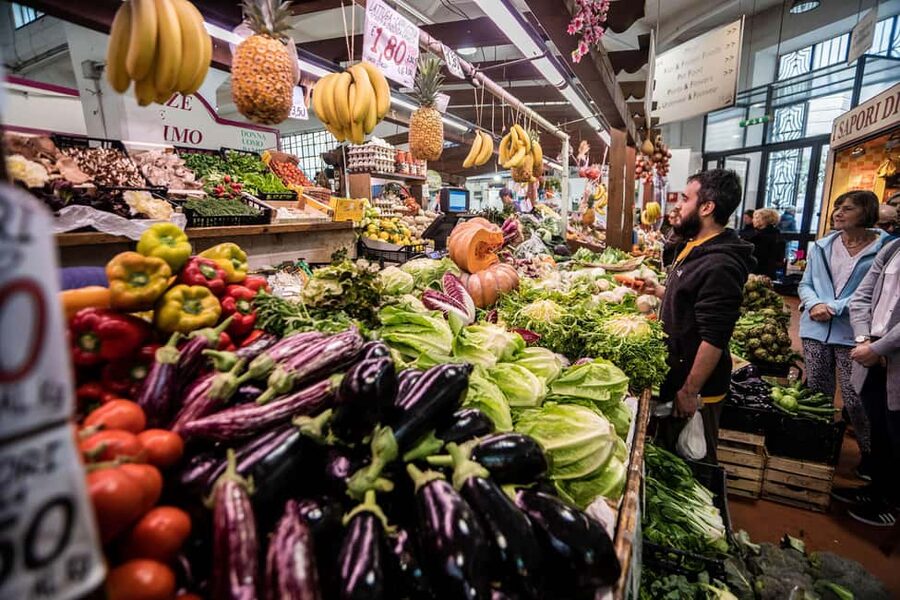
- Nomentano Market walk to pick seasonal ingredients before you cook
- Chef-led instruction with patient, step-by-step coaching at your station
- Multiple pasta shapes (often including ravioli/tortellini and long pasta like linguine)
- Lunch + wine in a way that feels like a proper Roman afternoon, not a snack break
- Coffee and limoncello at the end, plus recipes and a participation certificate
Rome’s Market-First Pasta Lesson: Why It Works
If you’ve ever watched someone make pasta and thought, I can’t do that, this class is built to calm that fear. It starts with a walk to Nomentano Market, where you see ingredients up close and learn what matters about choosing them. That alone changes how you taste and cook afterward, because you’re not guessing.
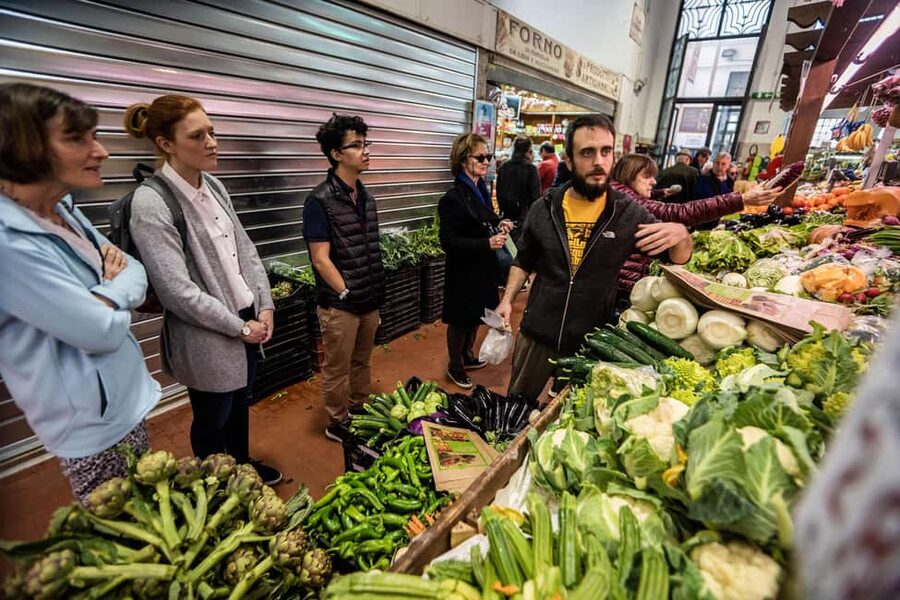
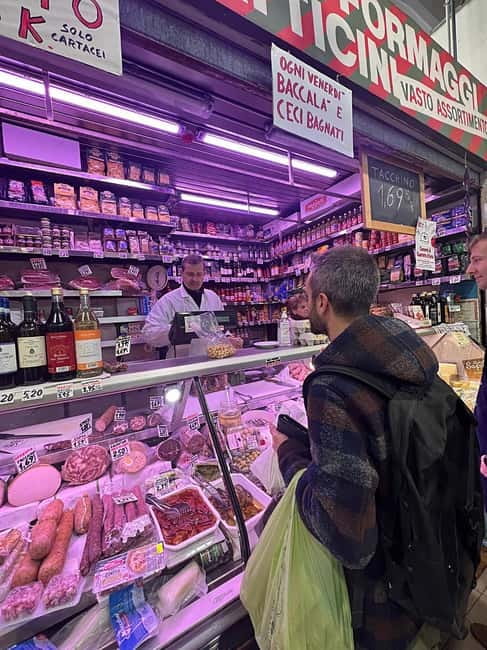
I like the way the market part gives you a shopping lens. You’re shown products used in the recipes, and you pick with a chef’s logic instead of wandering randomly. On the walk, you also get Roman context, so the food doesn’t feel like a separate activity floating above the city.
The cooking portion runs through the full rhythm: dough first, then fillings and sauces, then shaping, then eating. In other words, you go from raw materials to a plate, with the chef correcting technique as you go. And yes, you end with the fun stuff: coffee and limoncello after lunch.
You can also read our reviews of more tours and experiences in Rome.
Nomentano Market: Fresh Ingredients and Local Shopping Skills
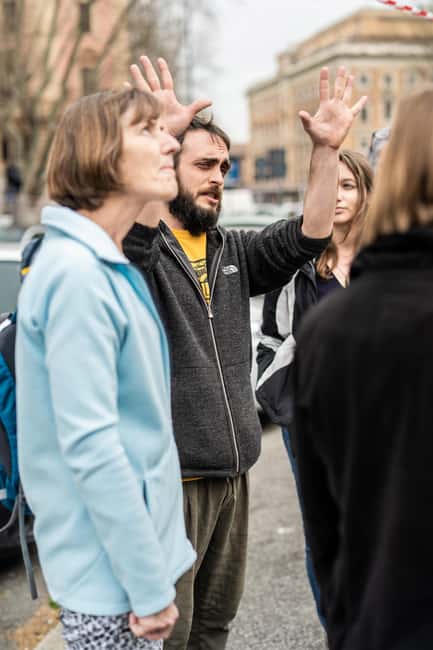
The market visit is short enough to fit your day, but meaningful enough to matter. You head to the market on foot from the meeting area, and the chef points out what to look for as you walk through stalls and shops. From there, you choose ingredients that will show up in what you cook later.
This is where the class becomes more than cooking. You’re learning how to think like an Italian cook at the counter. Things like freshness, ingredient pairing, and seasonality don’t stay abstract. They show up in the recipes as real decisions you made with your own hands or eyes.
A practical bonus: the market walk also helps you get your bearings in Rome. It’s not a long, tiring trek. It’s a guided neighborhood stroll that makes the area feel familiar fast. And because it’s part of the program, you don’t have to worry about wandering alone trying to figure out what’s worth buying.
“Kitchen of Mamma” and the Chef’s Hands-On Teaching
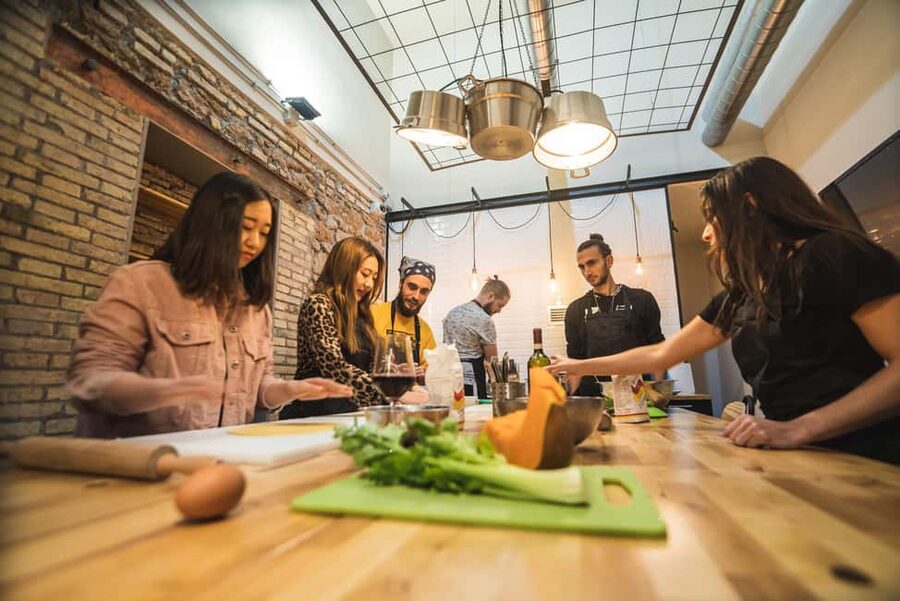
After the market, you return to the cooking space known as Kitchen of Mamma. This is where the class shifts from seeing to doing, and where the chef’s teaching style really shows.
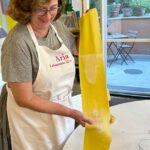
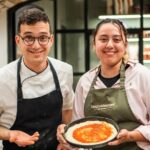
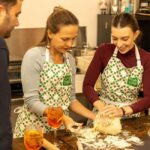
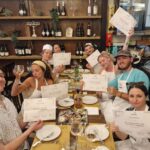
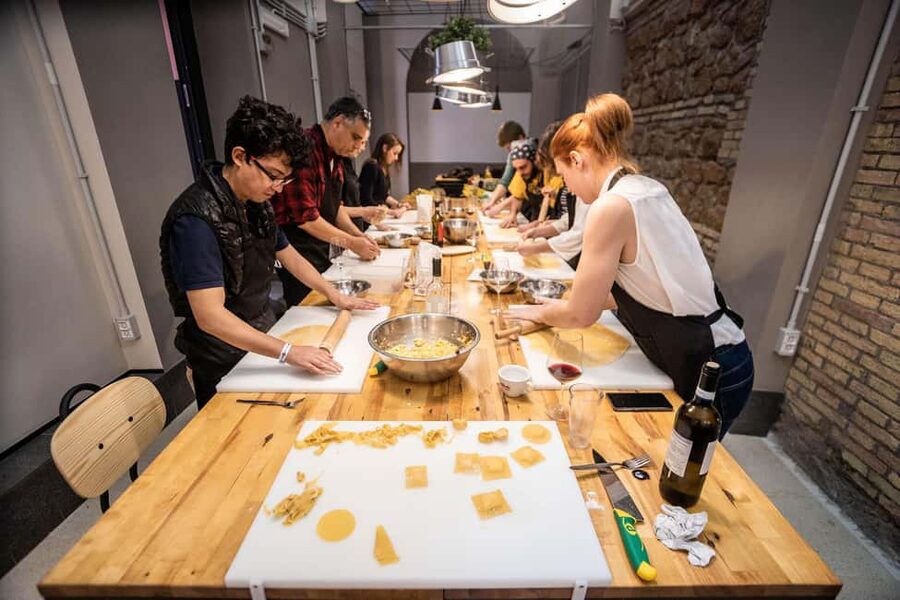
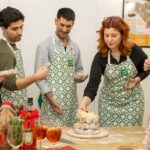
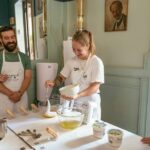
You should expect an active format. You’re not just watching someone else roll dough. You get utensils and a station, and you copy the steps the chef demonstrates. The chef moves around to help where needed, with explanations that aim to get your dough right and your shaping under control.
One reason this class scores so high is the level of attention. In the stories I read about it, Chef Marco (and the occasional Chef Lucas) is described as patient, funny, and serious about technique. You get correction when your dough needs it, and you aren’t left to figure things out alone.
There’s also a helpful vibe: the chef keeps people relaxed. That matters, because pasta can feel intimidating the first time you work with flour, water, and timing. When the host puts everyone at ease, you focus on learning instead of panicking.
What You’ll Make: Pasta Shapes, Fillings, and Sauces
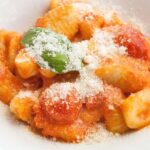
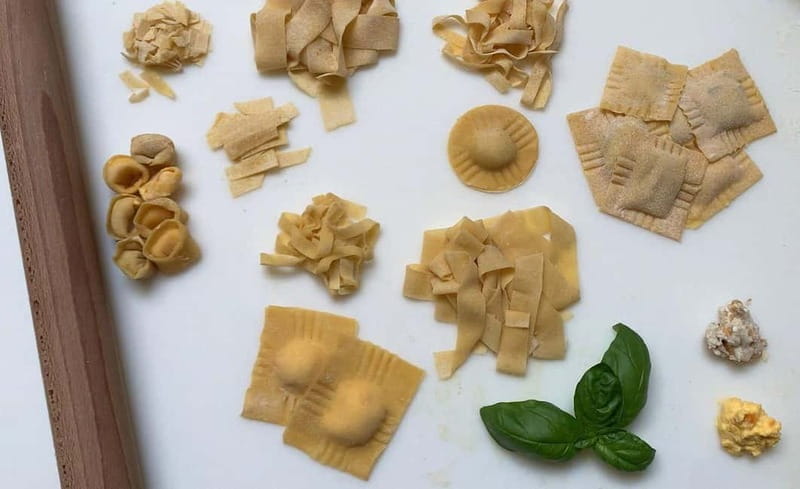
The highlight is homemade pasta from scratch. The class description says you’ll learn traditional pasta making basics, and the experience is built around multiple pasta types—not just one. The exact lineup can vary, but you can reasonably expect you’ll shape at least several varieties and work with fillings and sauces.
From the types mentioned in real examples, common items include:
- Ravioli (with different fillings, including pumpkin ricotta in at least one instance)
- Tortellini (stuffed pasta that tests patience and precision)
- Long pasta like linguine (so you also practice stretching and cutting, not only stuffing)
- Sauces like a classic bolognese-style preparation (some versions are meat-based, so pay attention to what’s being cooked and tell the chef your preferences)
Why this matters for value: learning one pasta shape is nice. Learning how different shapes change the technique (and how sauce choices affect the result) gives you a broader skill set. You’ll be able to recreate the basics at home, not just repeat a single recipe.
Also, you’ll learn more than the final product. Expect technique talk about dough texture, how to handle it, how much to fill (and how not to overstuff), and how to cook pasta properly. Even if you don’t master every part on day one, you’ll leave with a clear process.
Lunch with Italian Wine: A Real Meal Comes with the Skills
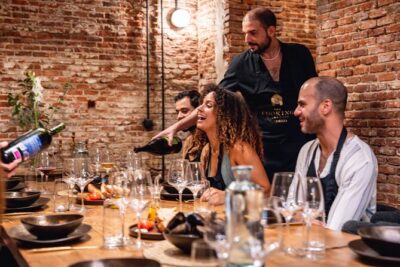
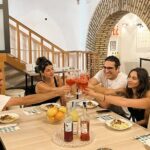
The class is structured so you don’t just work hard and then snack. Lunch is included, and it comes paired with a glass of Italian wine. You’ll sit down and eat what you made, which is the best test of whether your sauce and pasta balance worked.
A smart detail: the chef’s teaching doesn’t stop at the kitchen. During the meal, you’ll hear Italian stories tied to the food and the city. That turns the lunch break into something you remember, not just a pause.
You also get coffee and limoncello afterward. It’s a classic rhythm in Italian dining: savory meal, coffee finish, then something sweet and bright. If you like ending meals with a little ritual, this hits the mark.
One practical consideration: the wine is part of the experience. If you have dietary needs or you want to limit alcohol, you can talk with the chef. In at least one case, the chef adjusted the drinking approach for a pregnant participant to keep it safe, which suggests the group isn’t treated as one-size-fits-all.
Price and Logistics: Is $103 a Good Deal?
At about $103 per person for a 4-hour experience, the value comes from bundling four things that are usually separate in Rome:
- A market visit with guidance for ingredients
- Hands-on pasta instruction (not just a demonstration)
- Lunch plus a glass of Italian wine
- Take-home materials: recipes and a participation certificate
If you price those individually, you quickly see why this isn’t just a food tour with cooking tacked on. You’re paying for coaching, the workspace, ingredients, and the meal tied to what you made.
Timing also feels right. You’re not giving up a whole day, but you still get enough time to work through dough, shaping, and eating. At 4 hours, it fits well into an afternoon when you want something more meaningful than yet another sit-down dinner.
Logistics are also straightforward: you meet at Via Palestro 51, 00185 Rome, and you should arrive about 10 minutes early so you start on time.
Who Should Book This Pasta Class (and Who Might Skip It)
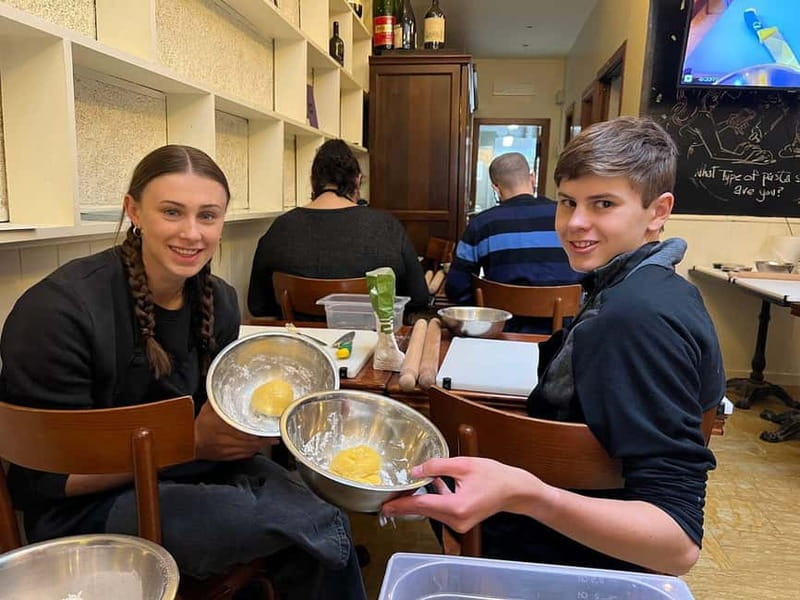
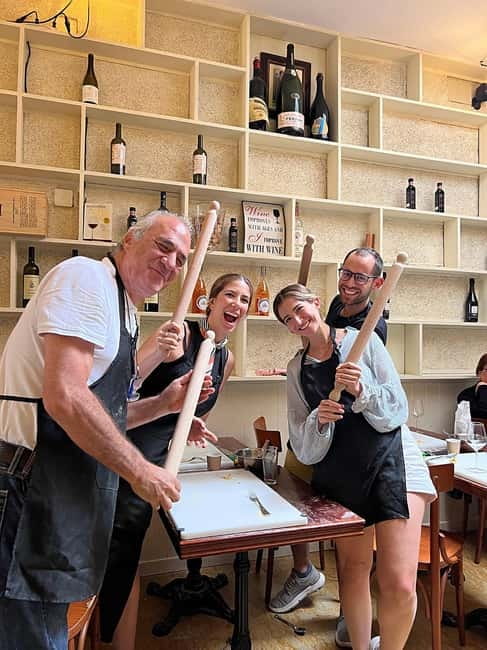
This class is ideal if you want a hands-on Rome experience that goes beyond eating. If you like learning techniques, rolling, cutting, and shaping, you’ll feel the payoff fast. It’s also a strong pick if you enjoy pairing food with context, since the chef shares Italian and Rome stories during the walk and cooking.
It can also work well for small groups because the format supports one-station-at-a-time practice. The chef attention matters when you’re learning something fiddly like stuffed pasta, and the class is set up to help you get through those steps.
Skip it if gluten is an issue for you. Since it’s not suitable for gluten intolerance, you’d be gambling on the dough and ingredients.
If you’re traveling with someone who gets nervous about cooking, don’t worry. The tone described for Chef Marco and Chef Lucas is patient and confidence-building. You’re taught in a way that helps beginners keep up.
What to Expect From Your Take-Home Results
You’ll leave with pasta recipes and a participation certificate, which is a nice touch if you like documenting experiences. But the bigger win is the skill transfer.
The chef teaches the steps you need to repeat pasta at home: dough basics, shaping fundamentals, and sauce approach. Even if you don’t nail every technique on the first try, you’ll know what went wrong when you practice—because you learned what the dough should feel like and how the process should run.
If your goal is to bring something back that isn’t just photos, this is one of the better ways to do it. You don’t just taste Rome. You manufacture it in your own kitchen.
Should You Book This Rome Pasta Cooking Class?
Book it if you want a structured, local-food day that starts in a real market, ends with a real meal, and teaches you how to cook pasta in a way you can repeat. At $103 for a 4-hour class that includes lunch, wine, coffee, limoncello, recipes, and the chef’s instruction, it’s strong value for people who care about both food and technique.
I’d especially book it if you love the idea of Chef-led coaching. Based on how Chef Marco and Chef Lucas run the class, the experience is designed for beginners and for anyone who wants hands-on attention, not a seat-only activity.
Just don’t book it if you need gluten-free cooking. And if you’re the kind of person who wants 100% of every step done by your own hands, know that the class is still a guided kitchen experience. You’ll do plenty, but a chef-led workflow means some parts may be handled for efficiency so the group gets to eat and learn without rushing.
FAQ
Where is the meeting point for the Rome pasta class?
You meet at Via Palestro 51, 00185 Rome. Plan to arrive at least 10 minutes early.
How long does the cooking class last?
The experience runs for 4 hours.
Is prior cooking experience needed?
No previous skills are required. The class is designed for beginners.
Is there a market visit included, and which market is it?
Yes. You’ll do a walking tour of a local market, and the stroll described is to Nomentano Market.
What food and drinks are included?
Lunch includes the pasta you make, with a glass of Italian wine. You’ll also get coffee and limoncello at the end.
Do you get anything to take home?
Yes. You receive a participation certificate and pasta recipes.
Is it suitable for gluten intolerance?
No. It is not suitable for people with gluten intolerance.