REVIEW · HANOI
Hanoi: Village Farm Tour and Cooking Class with Lunch
Book on GetYourGuide →Operated by Hanoi Eco Tour · Bookable on GetYourGuide
Rural Hanoi feels far from the city streets, and this day trip makes it easy to see why. You’ll start with a short trip into the countryside, then spend time at a vegetable farm and in a host family’s kitchen. The best part is that you’re not just watching, you’re doing the work and learning the food side by side.
I like the hands-on farming time most, especially the chance to try tasks like raking, sowing, watering, and collecting vegetables. I also love the family lunch setup, because you’re cooking Vietnamese dishes in a real home, then eating what you helped make. It’s the kind of experience that turns “Vietnam food” from a topic into something you can name, taste, and repeat.
One thing to consider: it’s a full 8-hour block, and in inclement weather the tour is canceled. If your schedule is tight or you hate getting a little dirty, plan your expectations and clothing accordingly.
In This Review
- Key things you’ll remember from this farm and cooking day
- From your hotel in Hanoi to Dong Bac’s vegetable country
- The village market stop: chickens, ducks, and daily supplies
- Green tea welcome and a village walk between vegetable farms
- Raking, sowing, watering, and collecting vegetables
- Cooking Vietnamese lunch step by step in a local kitchen
- Organic pig farm conversation: how raising pigs fits the local system
- Price and value: what you get for $75 in an 8-hour day
- Who this fits best, and who should skip it
- Should you book the Hanoi village farm tour and cooking class?
- FAQ
- How long is the tour?
- Is this a private tour?
- What language is the guide?
- What’s included with lunch?
- Is the tour suitable for everyone?
- What happens if the weather is bad?
Key things you’ll remember from this farm and cooking day
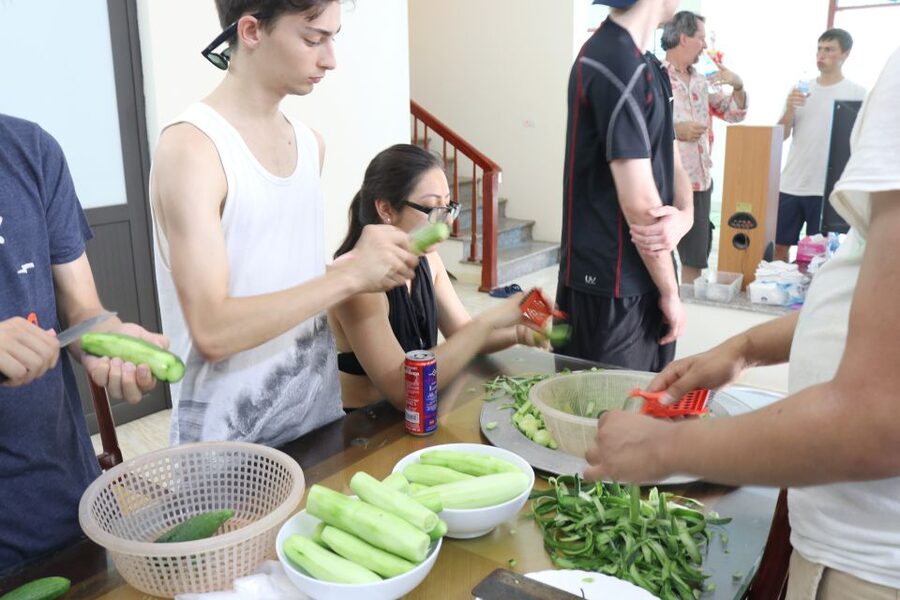
- Hands-on veggie farming with provided equipment and a friendly local
- Market walk where you’ll see ducks, chickens, and everyday village supplies up close
- Green tea and fruit welcome at the host family’s house before you start the day
- Step-by-step Vietnamese cooking in a local kitchen, not a demo
- Lunch with the family plus a taste of local rice liquor
- Organic pig farm stop for a look at how food systems work outside the city
From your hotel in Hanoi to Dong Bac’s vegetable country
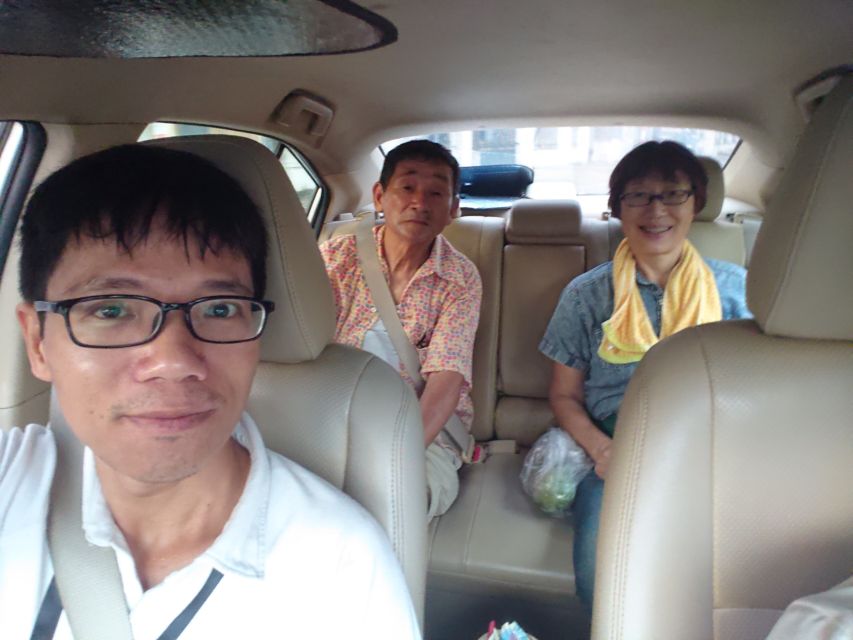
Your day starts with pickup at your hotel in Hanoi and a private, air-conditioned transfer. The drive takes about an hour, and it’s long enough to shift from traffic mode into countryside mode.
What I like here is the pacing. You’re not rushed out the door, and the transport is straightforward: you get a car, not a chain of stops. Since the tour is private, you’ll move at the time you’re given by the guide rather than getting squeezed into someone else’s pace.
Expect the setting to feel rural fast: smaller roads, quiet stretches, and lots of fields. It’s also a good reminder that Hanoi isn’t only city. Dong Bac is where daily work looks like work, not a staged performance.
You can also read our reviews of more tours and experiences in Hanoi.
The village market stop: chickens, ducks, and daily supplies
Before you reach the family, you’ll take a short walk around a local market. This is where you’ll see how villagers buy and barter for what they need, not what a tourist brochure wants you to notice.
You’ll spot locals selling chickens and ducks in cages, along with fresh meat, vegetables, and household goods. For me, the market walk is valuable because it gives context. You learn what’s available locally, and that makes the cooking lesson afterward feel more connected.
There’s also a practical angle. If you’re the type who likes to buy snacks later, you’ll leave knowing what you’ve already seen. And if you’re traveling with kids, this is often the easiest part of the day to keep their attention.
One small consideration: it’s a market, so it can be lively and close. Comfortable shoes and a light hand for photos help.
Green tea welcome and a village walk between vegetable farms
Next you arrive at your host family’s house, where you’ll start with green tea and fresh fruit. It’s a simple welcome, but it sets the tone: this isn’t a workshop where everyone stays separate. You’re brought into the rhythm of their home.
Then you’ll walk around the village with your guide. You’ll see village life unfold and catch views of nearby vegetable farms along the way. This walk matters because it bridges the market and the farm work, showing how the same plants and animals move through daily routines.
I find this part calming. After the energy of the market, you get open space and real everyday scenes: courtyards, small lanes, and the kind of work that happens out in the open. It also helps you understand what you’re about to do with your hands later.
If you don’t like slow starts, don’t worry. The day keeps moving, but this section gives you a chance to settle in.
Raking, sowing, watering, and collecting vegetables
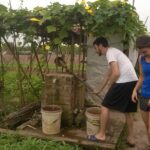
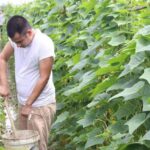
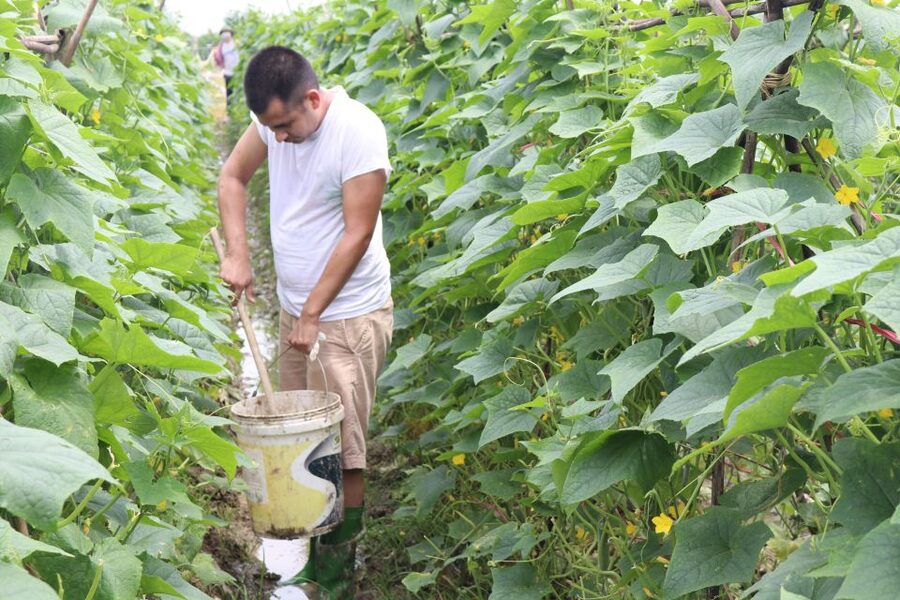
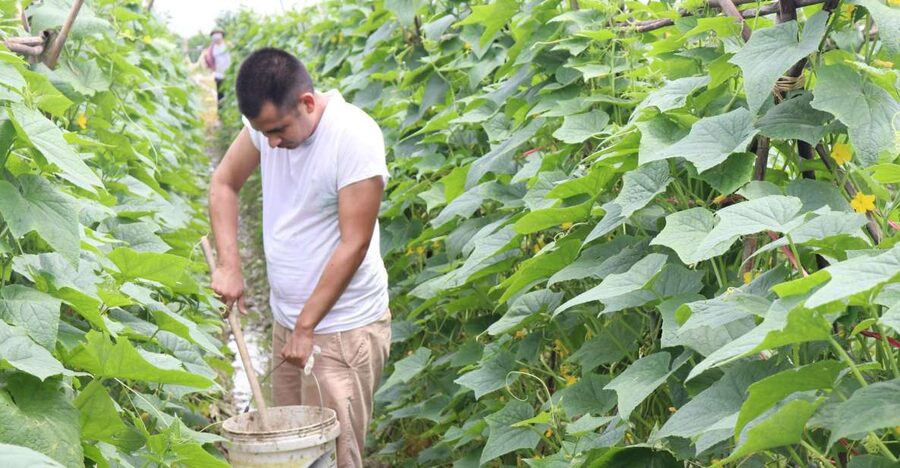
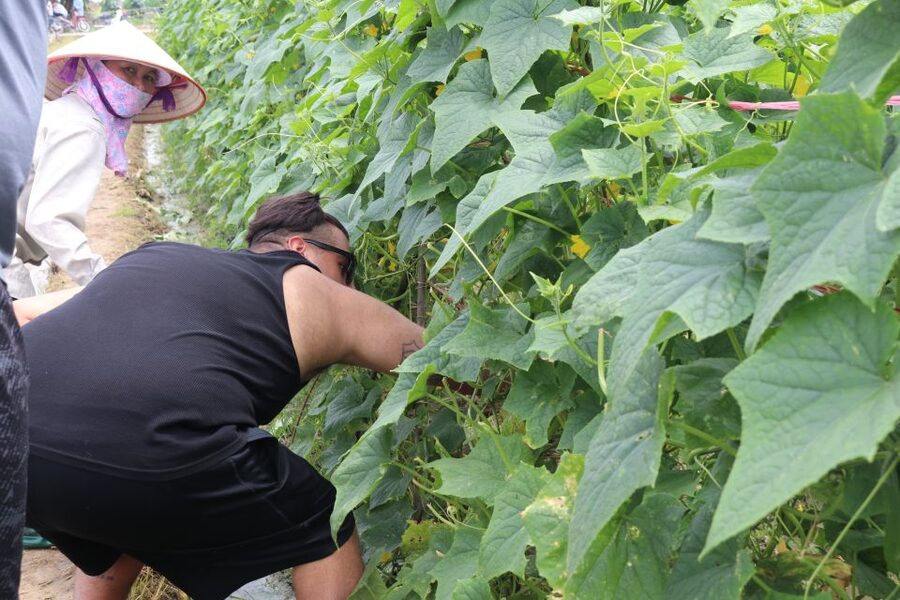
Now comes the muddy part, the fun part, and the reason the tour feels different from a typical city food experience. You’ll get your hands dirty and join a farmer working in a vegetable field.
You’ll take part in farming activities such as raking, sowing, watering, and collecting vegetables. The tour includes farming equipment, so you’re not stuck figuring out what tool you’re supposed to use. A local will guide you, and the goal isn’t perfection. The goal is participation, and you’ll feel that from the way the work is explained.
Why this is worth your time: it teaches you more than farming as a concept. You learn about timing, the physical steps, and the effort behind a meal that shows up at a restaurant. Even if you’ve never farmed before, you’ll walk away with a better appreciation for ingredients that actually come from soil, not shelves.
One consideration: you may get splashed or have to handle earthy conditions. Wear clothes you don’t mind getting stained, and plan to bring something to cover your shoes if you’re worried about mess.
Cooking Vietnamese lunch step by step in a local kitchen
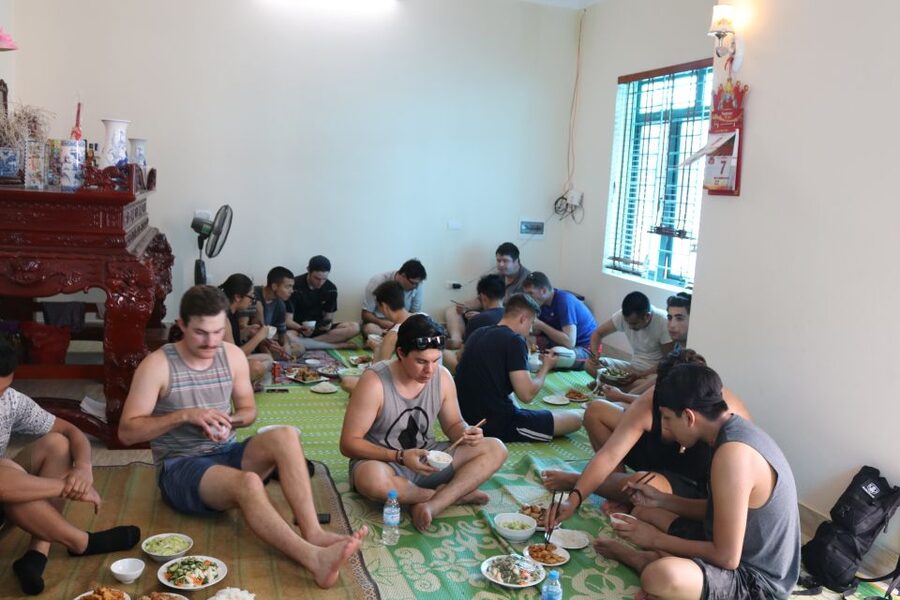
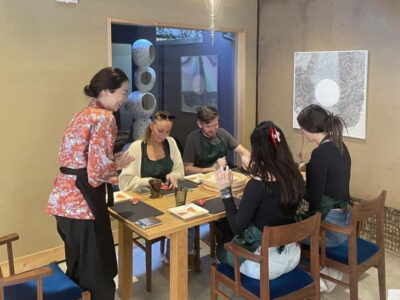
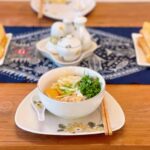
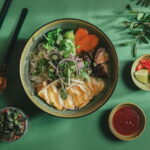
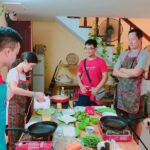
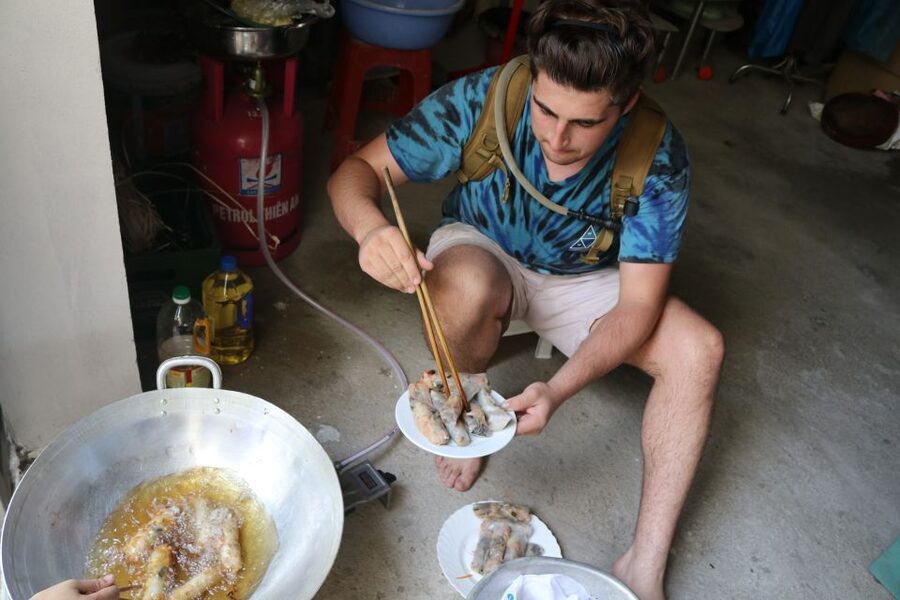
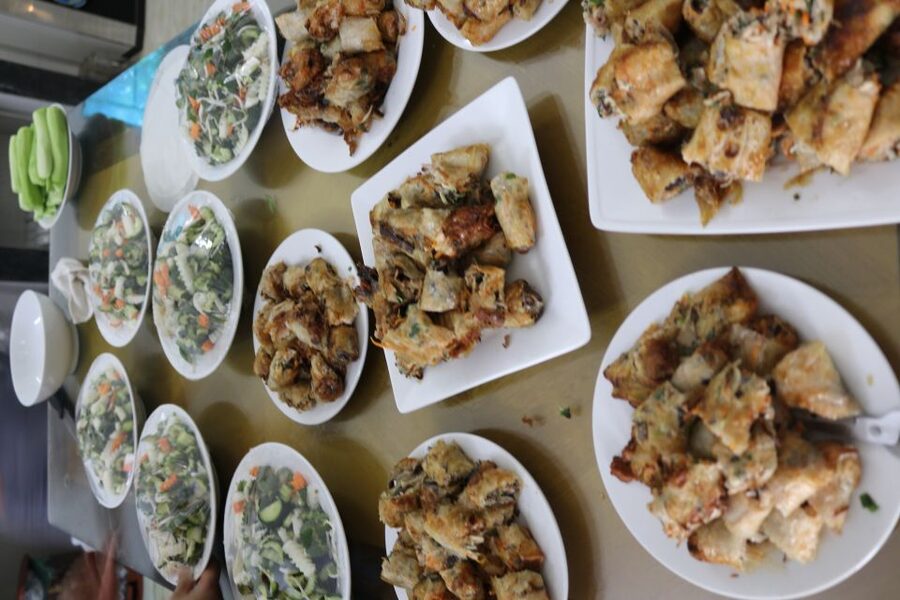
After the farm work, you head back to the house for the cooking lesson. This is the centerpiece for food lovers: you learn how to make authentic Vietnamese cuisine with your host, then you eat your lunch together.
The lesson is hands-on and step by step. Instead of watching someone cook, you’ll join the process. The structure matters because it ties ingredients to technique, and technique to flavor. And because you already saw market goods and the vegetables from the field, you’ll notice what you chose and why.
You can also expect a taste of local rice liquor. It’s not for everyone, but it’s part of the cultural meal rhythm here, and the moment is treated as casual—more like sharing than selling.
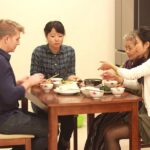
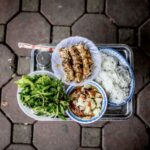
What I really like is the family table atmosphere. After cooking, you sit down and eat the meal you helped prepare. That kind of shared lunch is one of those experiences you can’t replicate by ordering food later.
If you’re traveling with kids, it’s worth noting that the guide David went out of his way to accommodate small children, even stopping to buy toy shovels so they could participate in planting. That’s the kind of thoughtful touch that makes the farm time less like “watching adults work” and more like everyone joining in.

Organic pig farm conversation: how raising pigs fits the local system
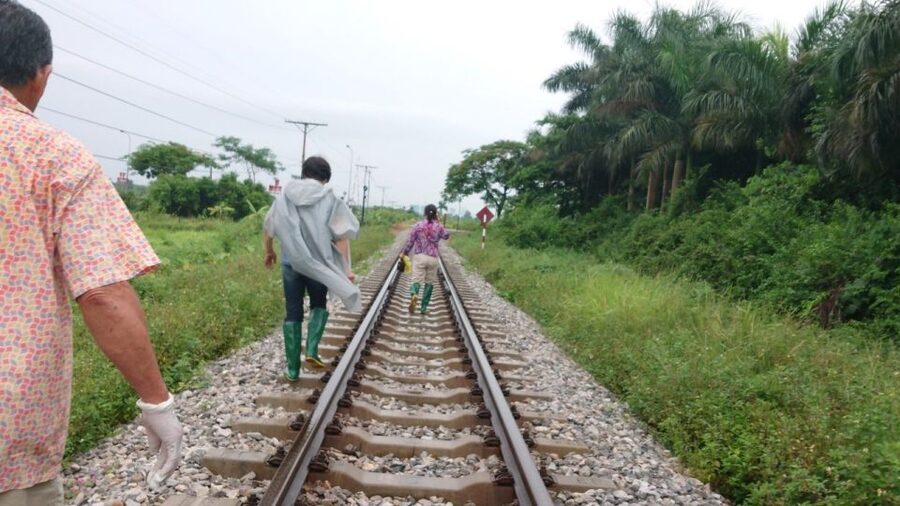
After lunch, you’ll walk with your guide to a local organic pig farm. This isn’t just a quick photo stop. You’ll chat with your host and learn about how organic pigs are raised.
Why this matters for your understanding: farms don’t work in one department. The vegetables you helped plant connect to the larger idea of local food production, and then the pig farm adds another piece of the puzzle. You start seeing food systems as complete cycles rather than isolated products.
It also adds a calm, observational pace after the hands-on cooking. If you like questions, this is where you’ll get them answered in plain language.
Don’t expect a polished presentation. Expect real conversation, and ask about what “organic” means in their daily practices if you want to go deeper.
Price and value: what you get for $75 in an 8-hour day
The price is $75 per person for an 8-hour tour. For Hanoi, that’s in the category of experiences where you’re paying for more than a guide—you’re paying for transportation, local access, and hands-on time.
Here’s what’s included:
- round-trip private transfer by air-conditioned car
- an English-speaking local tour guide
- farming equipment for the activities
- authentic lunch with the local family
- a free bottle of water and a soft drink for lunch
What’s not included: drinks beyond lunch, travel insurance, and personal expenses.
To judge value, look at the structure. You’re getting a market walk, a farm work session with tools, a full cooking lesson in a home, lunch, and an extra farm visit afterward. Many shorter tours pick one theme and skim the rest. This one gives you multiple pieces of rural life in one day, without forcing you to organize it yourself.
Also, the tour is private, and that changes the vibe. You’re not waiting on a large group schedule, and your guide can slow down for your pace.
Who this fits best, and who should skip it
This tour is a strong match if you want a countryside day without losing the comfort of a hotel pickup and private transport. It also fits food travelers who like learning by doing. The cooking class is practical, and the lunch feels earned.
It’s especially good for people who enjoy learning how daily life connects: market goods, vegetable farming, kitchen work, and livestock on the organic pig farm stop. If you’re the type who collects stories as well as photos, you’ll leave with both.
It’s not suitable for pregnant women. And because the tour can be canceled due to inclement weather, you’ll want a bit of flexibility built into your travel plans.
If you’re someone who hates getting messy, you might still enjoy the cooking and lunch parts. But the farm tasks are a core part of the experience, so plan for dirt.
Should you book the Hanoi village farm tour and cooking class?
I’d book this if you want your Hanoi trip to include real countryside work, not just views. The combination of market walking, hands-on farming, and a Vietnamese cooking lesson with lunch is the kind of full-day experience that doesn’t feel like a checklist.
Two practical reasons to say yes:
- You’re supported at each step—pickup, guide, and equipment—so you spend energy on learning, not logistics.
- You eat what you make, in a local family setting, which makes the food feel personal.
I’d pause and reconsider if you can’t handle a full 8 hours away from the city, or if weather risk would wreck your plans. Since the tour can be canceled in bad conditions, book it only when your schedule can absorb a shuffle.
If you come with comfortable shoes, clothes you don’t mind getting stained, and a curious attitude, this day trip has a lot going for it—and you’ll likely remember it long after the taste of lunch fades.
FAQ
How long is the tour?
The experience lasts 8 hours. Starting times vary, so you’ll need to check availability.
Is this a private tour?
Yes. All eco-tours are private tours.
What language is the guide?
The live tour guide speaks English.
What’s included with lunch?
Lunch is included, along with a bottle of water and a soft drink for lunch.
Is the tour suitable for everyone?
It is not suitable for pregnant women.
What happens if the weather is bad?
In case of inclement weather, the tour will be canceled.