REVIEW · ROME
Rome: Traditional Pizza Cooking Class near Piazza Navona
Book on GetYourGuide →Operated by IPM COETUS SRL · Bookable on GetYourGuide
Making pizza in Rome feels like magic. You do it hands-on at Osteria Pasquino near Piazza Navona, then sit down and eat what you made. I love that the class is truly practical, not just a demo, and that the setting turns dinner into an experience: drinks, bruschetta, and a classic Roman meal after baking.
Two things I really liked: the small group size (up to 10), which makes it easier to get help when your dough gets sticky, and the way the staff turns the class into a proper osteria night—waiters serve you and you get to relax. One thing to consider: this isn’t for everyone because it’s not suitable for gluten intolerance, and a couple of people found the class shorter than the listed 2 hours.
In This Review
- Quick reasons this class works well
- Why Roman Pizza Here Beats a Normal Dinner Near Piazza Navona
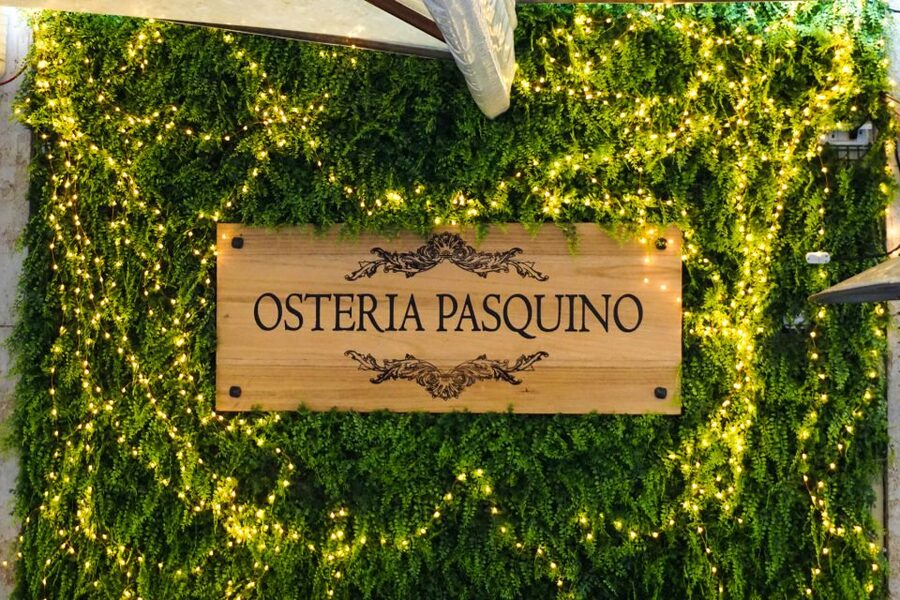
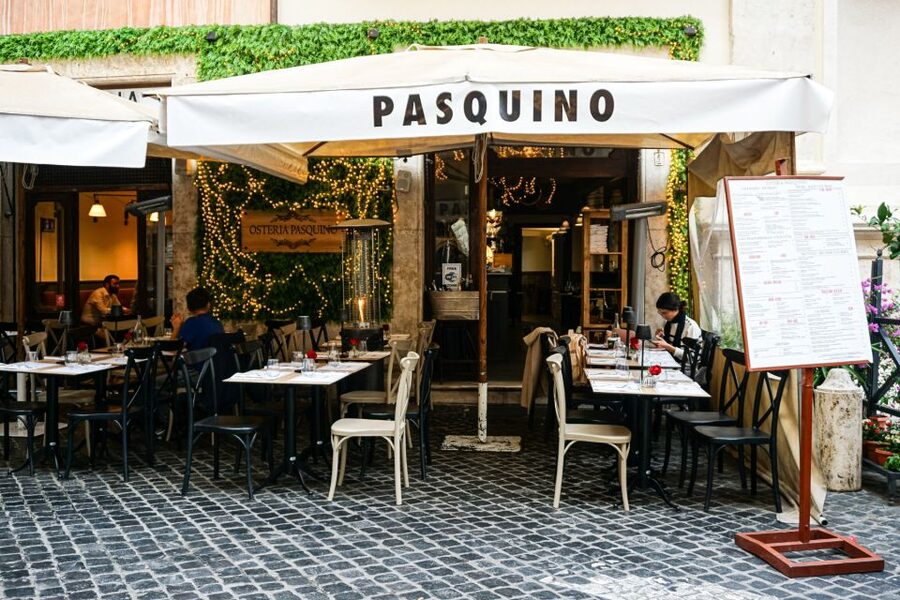
- Meeting at Osteria Pasquino (Piazza di Pasquino 1) Without Getting Lost
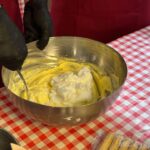
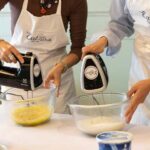
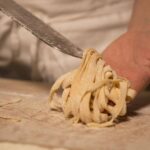
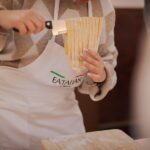
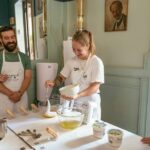
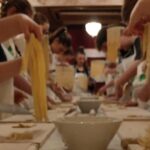
- The Hands-On Part: Dough, Shaping, and Toppings You Actually Learn
- How Baking Works: From Oven Time to Your Finished Pizza
- The Meal After Class: Bruschetta, Wine or Beer, and Limoncello or Coffee
- What You’ll Walk Away With (Beyond the Recipe Card)
- Price and Value: What You’re Really Paying For at $46
- Who Should Book This Pizza Class (and Who Should Skip It)
- My Booking Checklist Before You Go
- Should You Book This Roman Pizza Class Near Piazza Navona?
- FAQ
- Where do we meet for the pizza class?
- How long is the class?
- Is the class in English?
- How big is the group?
- What’s included with the class?
- Are vegetarian diets accommodated?
- Is it suitable for gluten intolerance?
- Can I cancel and get a refund?
Quick reasons this class works well
- Hands-on Roman pizza making from flour/yeast/water to shaping and toppings
- Small group of up to 10 so instructors can correct your technique
- Prosecco on arrival plus wine or beer, with coffee/limoncello afterward
- You bake and then eat your pizza in the same osteria experience
- English instruction with no prior experience needed
- Dietary options supported (vegetarian and other diets), but not gluten-free
Why Roman Pizza Here Beats a Normal Dinner Near Piazza Navona
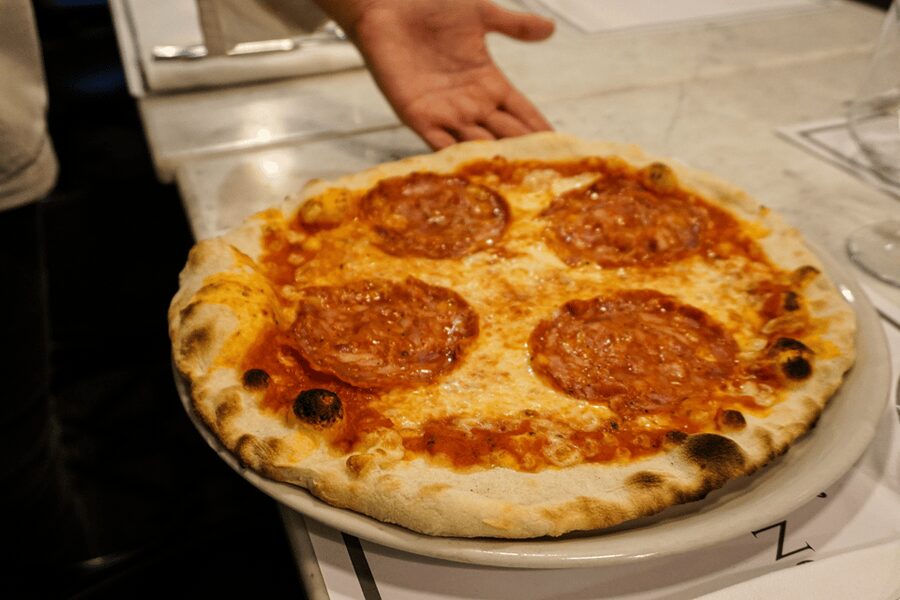
If you’re in Rome and you only eat pizza, you miss the “how” behind the taste. This class gives you the steps that make Roman Pizza (Pizza Romana) feel different—thin, flexible, and built on dough technique. You’ll be making something you recognize from Rome menus, not a generic tourist version.
I also like that it’s anchored in real life at an actual osteria. You don’t just leave with a recipe you’ll forget. You get to eat your pizza right where you learned it, with the waiters doing their thing and the meal kept moving.
The location is another win. You’re near Piazza Navona, in the historic center, so the night already feels special even before you start. It’s the kind of area where you can wander before or after and still come back to something structured.
You can also read our reviews of more tours and experiences in Rome.
Meeting at Osteria Pasquino (Piazza di Pasquino 1) Without Getting Lost
Your best bet is to plan this as a “walk there, no stress” stop. The meeting point is inside Osteria Pasquino, Piazza di Pasquino 1. When you arrive, ask a waiter to escort you to the class.
One practical note: the restaurant area can feel busy and confusing at first glance because it’s a compact historic-center setting. If you don’t see a big obvious sign pointing to the class, that’s normal—go straight to staff and say you’re there for the pizza lesson.
You’ll start with an Italian welcome. The class includes complimentary prosecco, which sets the tone immediately. People who don’t want prosecco have reported swapping to another drink, so it’s smart to speak up early about what you want.
The Hands-On Part: Dough, Shaping, and Toppings You Actually Learn
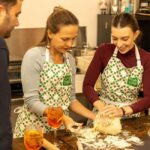
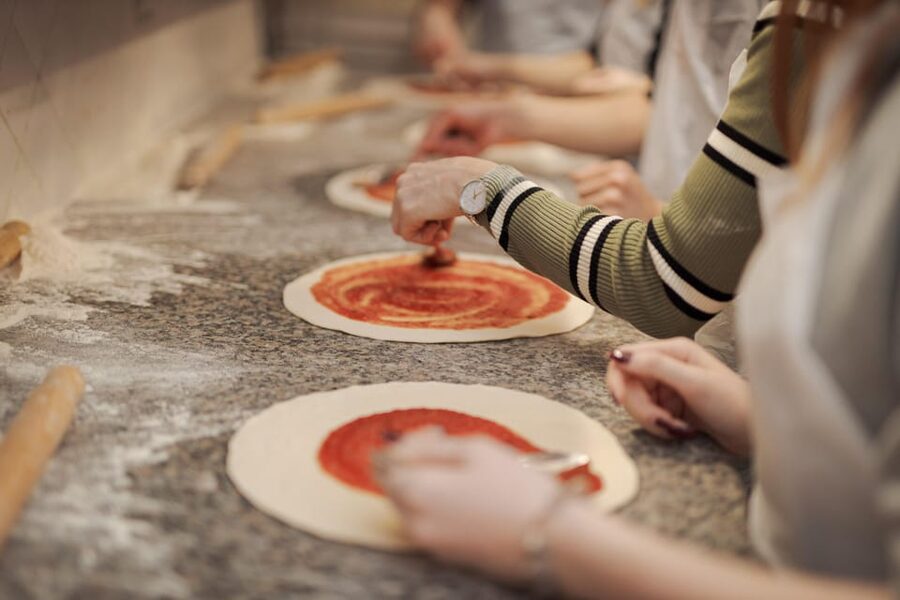
This is a true workshop. You don’t just watch; you make. The class is designed for no prior experience, which matters in Rome where kitchens and dining rhythms can be intimidating if you’re unsure what you’re “supposed” to do.
You’ll work through the basics that pizza people talk about:
- mixing/working with flour, yeast, and water
- learning how to handle dough so it stretches and bakes well
- practicing shaping/tossing techniques to manage excess flour
- choosing toppings that match the Roman style
One tip that showed up in the teaching style from multiple instructors: dough handling is taught with practical, repeatable corrections—how to keep it workable, how to stop it from drying out, and how to get it to the right thickness.
The instructors vary by date, and you may meet different chefs. Names that came up often in recent classes include Luca, Elisa, and Simone, plus instructors like Sara, Ana, and Georgia. The common thread is how they balance instruction with humor and a relaxed pace, so even first-timers feel comfortable.
And yes, you may hear a bit of science behind the dough. At least one class included discussion of the chemistry and the reason dough behaves the way it does—helpful if you want to understand what you’re doing rather than just copy a motion.
How Baking Works: From Oven Time to Your Finished Pizza
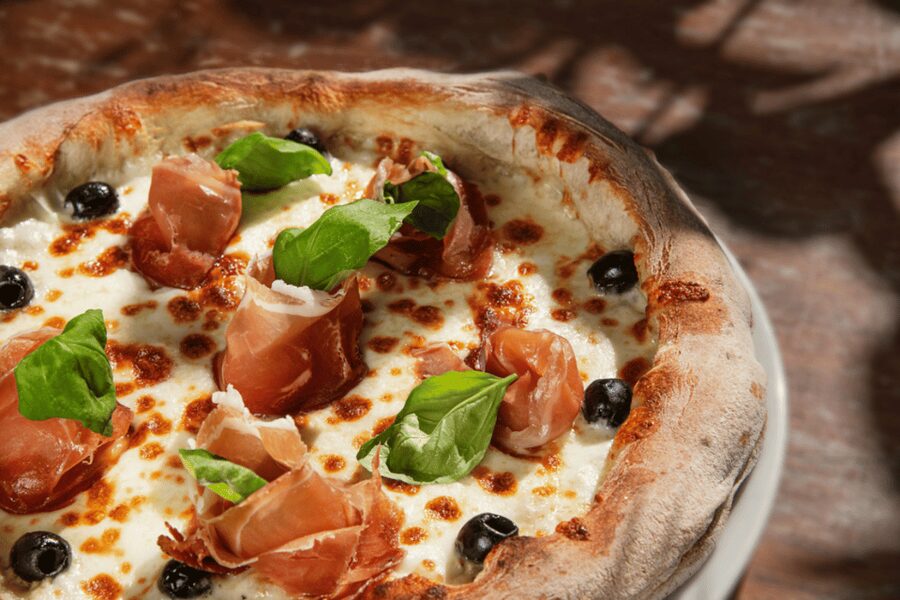
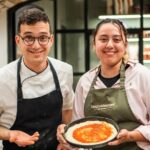
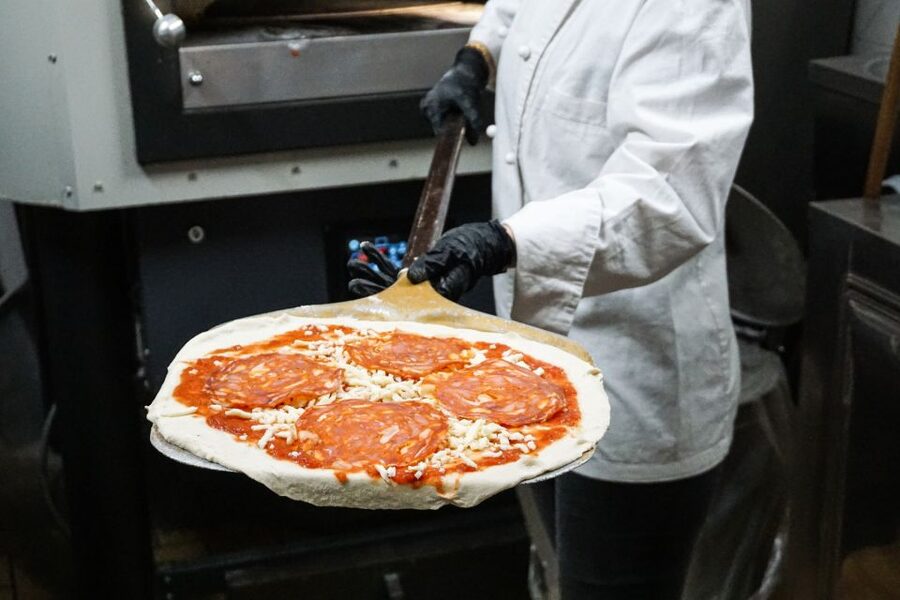
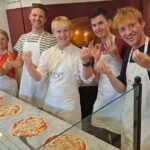
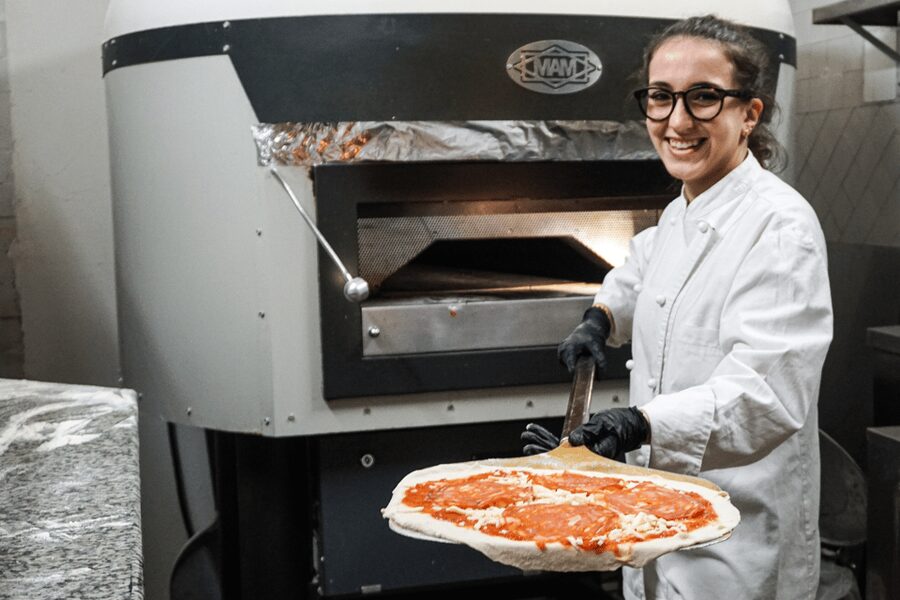
Once your pizza is assembled, it goes to bake. The ovens move fast, and the class is structured so you don’t end up waiting around. People have described this phase as a quick turnaround—once the pizza is ready, you’re soon eating what you made.
The most satisfying part is that the baking step isn’t hidden in the background. You see the process end-to-end. That’s the difference between a cooking class and a “walk-through.”
You’ll also have the chance to compare your finished pizza to your expectations. If you’re used to thick crusts, Roman style can feel different on first bite. But that’s the point: you learn what Roman dough does when it bakes thin and evenly.
The Meal After Class: Bruschetta, Wine or Beer, and Limoncello or Coffee
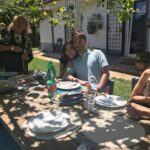
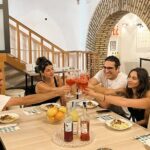
This is where the experience turns from activity into dinner. After baking, you stay seated at the osteria and are served. The class setup includes:
- bruschetta (appetizer)
- bottled water
- a glass of wine or a small glass of beer
- and either coffee and tea or a glass of limoncello after you finish your pizza
There’s also that arrival prosecco as a complimentary welcome. Several people flagged the drinks as a big reason the class feels like value, not just a short lesson.
I like the pacing here. You do the work, then you eat immediately. It keeps your motivation high and stops the class from feeling like a chore where the best part comes later.
One caution from a single experience: drink selection can get a bit tricky if you request substitutions (like changing prosecco to soda) and you’re assuming it will count the same way. If you care about a specific drink plan, tell your waiter your preference clearly at the start of the meal portion so everyone is on the same page.

What You’ll Walk Away With (Beyond the Recipe Card)
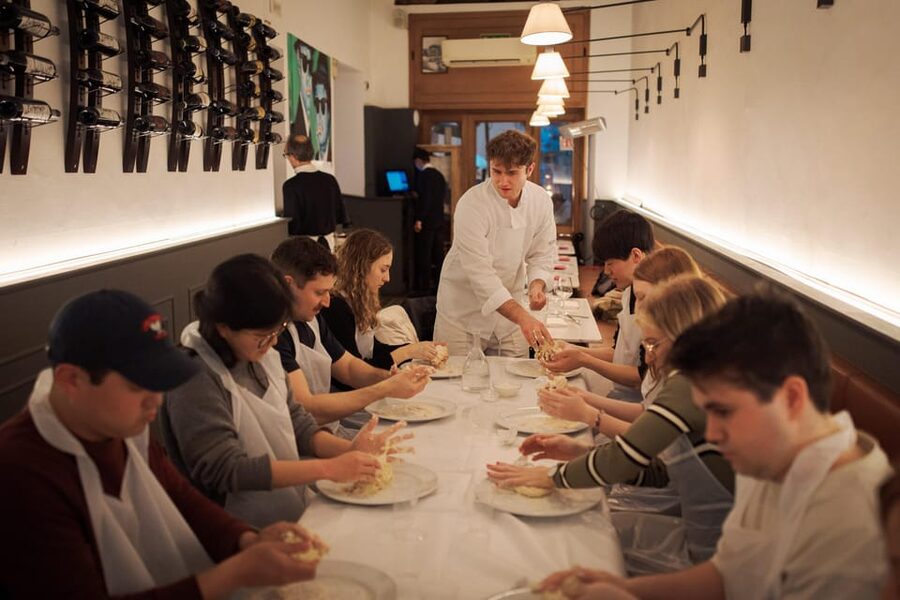
The class is built around more than making one pizza. The payoff is that your next meal in Rome becomes smarter.
You’ll start noticing:
- how dough texture changes when you handle it correctly
- why toppings matter more with thin crusts
- what “thin and flexible” means in practice, not theory
And because instruction is in English and includes step-by-step guidance, you’ll understand the reasons for the motions. That makes it easier to reproduce the results later at home.
Another underrated value: you’re in an osteria, eating with staff service, so you get a feel for how a Roman meal night flows. You don’t just leave with dough on your hands; you leave with a better understanding of how Romans actually enjoy pizza with drinks and an appetizer first.
Price and Value: What You’re Really Paying For at $46
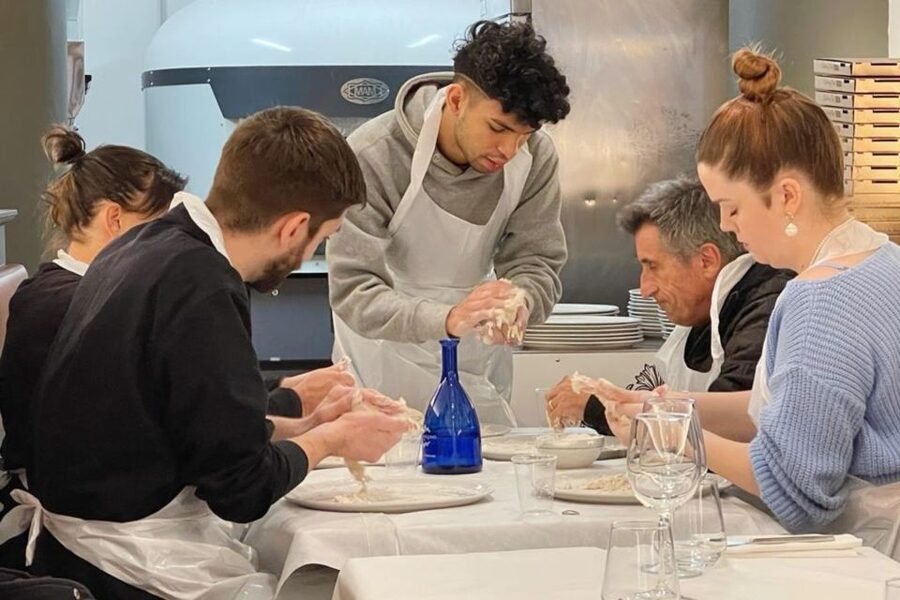
At $46 per person for about 2 hours, you’re paying for three things at once:
- instruction from an English-speaking team
- the hands-on kitchen time (small group, up to 10 people)
- an actual sit-down food and drink experience afterward
Pizza in central Rome is not cheap, and drinks add up fast. Here, you’re not buying pizza and then separately buying a class. The class structure includes enough food and beverages to turn it into dinner-level value.
Is it a bargain compared to cooking at home? Of course not. You’re paying for the chef time, the technique feedback, the oven time, and the osteria setting. But compared to a typical “pizza meal” you’d have near Piazza Navona, it’s often a better deal because you get both learning and dining.
There’s one additional consideration: even though the duration is listed as 2 hours, a couple of people reported it running shorter. That doesn’t mean it’s low quality—it can be a compact, efficient teaching style—but it’s worth keeping your expectations flexible.
Who Should Book This Pizza Class (and Who Should Skip It)
This class is a great fit if:
- you want a hands-on Rome food experience, not a passive tour
- you like small-group settings and quick feedback
- you’re traveling with teens or family members who enjoy doing things, not just watching
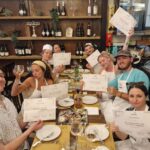
It can also work for couples who want a fun shared activity with a meal at the end. Several reviews specifically praised the family-friendly vibe, especially with kids and teenagers who got to participate and eat right away.
Skip it if you:
- need gluten-free options. The class is not suitable for people with gluten intolerance.
- have children under 5 years old. It’s not suitable for them.
If you’re vegetarian, you’ll likely be okay. The class supports vegetarian and other dietary options, but you must inform the provider when booking so they can prepare accordingly.
My Booking Checklist Before You Go
Here’s how to set yourself up for an easy, low-friction evening:
- Arrive ready to work: you’ll handle dough, so wear comfortable clothes and be okay with getting a little flour on you
- Ask about drink preferences early: especially if you want prosecco swapped for something else
- Plan for a compact class: even though it’s listed at 2 hours, expect a focused experience
- Meet inside Osteria Pasquino: don’t overthink the outside—go to staff and get escorted to the class
- Bring your appetite: you’ll bake and eat what you made, plus you’ll start with bruschetta and drink service
One extra detail I liked from the vibe of the class: at least one instructor mentioned that extra dough/pizza can be used to help feed people in need. Even if you never see that side of it directly, it adds a “good to know” feeling to the night.
Should You Book This Roman Pizza Class Near Piazza Navona?
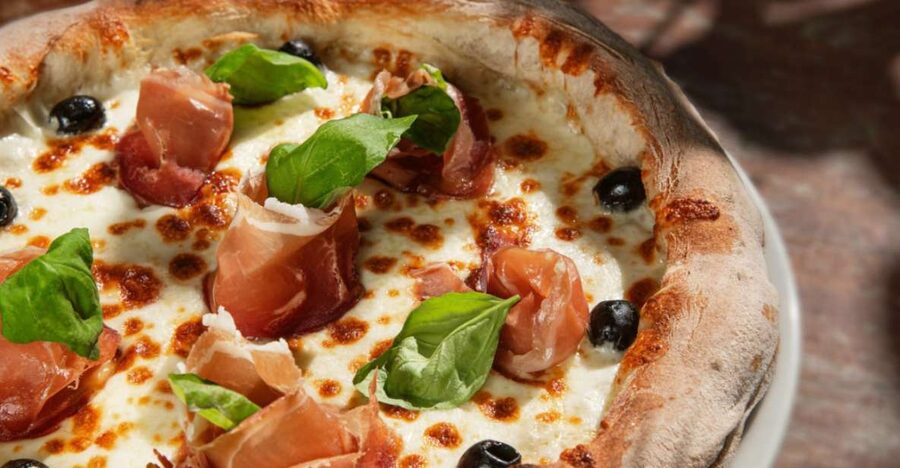
Yes, I’d book it if you want your Rome pizza experience to be more than tasting. The combination of small group instruction, a real osteria meal, and learning how to make Roman pizza makes this a strong value at $46. The setting is right in the historic center, and the class is designed so you can jump in without prior experience.
But if gluten intolerance affects you, or you need a strictly gluten-free setting, this isn’t the right class based on the stated suitability. If you fall into the “I want to make pizza and then eat it in a proper Roman meal setting” group, this one is an easy yes.
FAQ
Where do we meet for the pizza class?
Meet inside Osteria Pasquino on Piazza Pasquino 1. Once you arrive, ask a waiter to escort you to the class.
How long is the class?
The class duration is 2 hours.
Is the class in English?
Yes. Instruction is offered in English.
How big is the group?
It’s a small group limited to 10 participants.
What’s included with the class?
You get an instructor, coffee and tea or a glass of limoncello, bottled water, and a glass of wine or a small glass of beer. The experience also includes an Italian meal setup with bruschetta and a welcome prosecco.
Are vegetarian diets accommodated?
Yes. Vegetarian and other dietary options are supported, and you should inform the activity provider of your needs when booking.
Is it suitable for gluten intolerance?
No. It is not suitable for people with gluten intolerance.
Can I cancel and get a refund?
Yes. Free cancellation is available up to 24 hours in advance for a full refund.