REVIEW · TOKYO
Tokyo: Sushi and Ramen Cooking Class with Sake Pairing Set
Book on GetYourGuide →Operated by Sushi Making Japan | Cooking Class in Japan · Bookable on GetYourGuide
Hands-on sushi and ramen in Tokyo.
This 3-hour cooking class in Tsukishima is a friendly way to make ramen and nigiri without guessing at the details, and it tops everything off with a sake pairing set guided by an expert. You’ll spend real time shaping sushi and building ramen flavor from scratch, then sit down with what you made.
What I liked most is how practical it feels, not performative. You work step-by-step on ramen broth and chashu pork belly, and you also learn nigiri technique using the tools and ingredients provided.
One drawback to note: it isn’t set up for vegans or vegetarians, since the menu includes pork (chashu) and fish for sushi.
In This Review
- Key takeaways before you go
- Finding the Class in Tsukishima (and not arriving flustered)
- A 3-hour Tokyo cooking session that actually teaches
- Ramen soup and chashu: the flavor moves you’ll remember
- The ramen broth basics you’re aiming for
- Chashu pork belly: tender is the goal
- Why this ramen portion is great value
- Nigiri sushi: the hand skill behind the perfect bite
- What you practice
- The best takeaway: your confidence
- The sake pairing set: tasting with a sommelier brain
- Why this part makes the class feel special
- What you eat, and what you take home for real-life cooking
- Price and value: is $129 fair for this much teaching?
- Who should book this class (and who should skip it)
- FAQ
- How long is the class?
- How big is the group?
- Is the class taught in English?
- Where do I meet for the class?
- What’s included in the experience?
- Is hotel pickup and drop-off included?
- Is this class suitable for vegetarians or vegans?
- Can I cancel and get a refund?
- Should you book this sushi and ramen cooking class in Tokyo?
Key takeaways before you go
- Small-group instruction capped at about 8 (often closer to four) so you’re not lost in the crowd
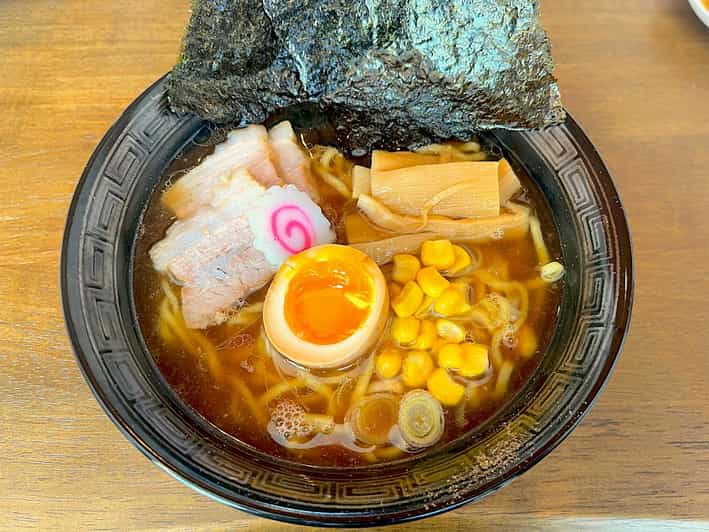
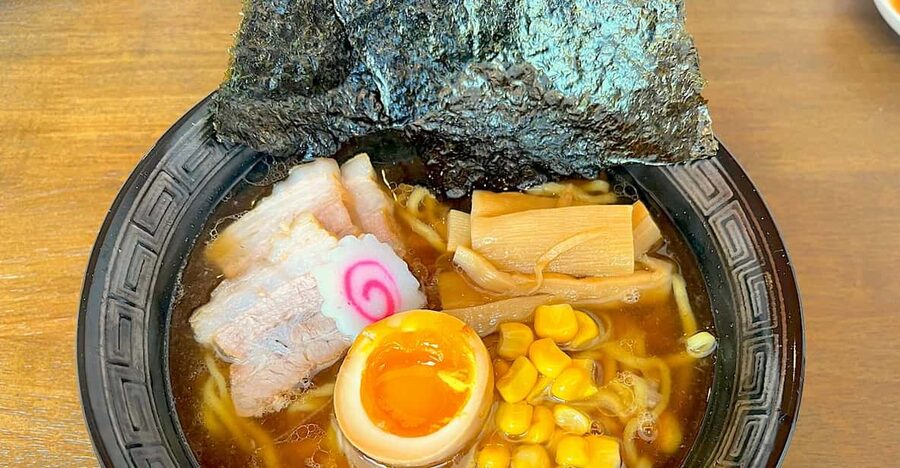
- Ramen soup + chashu made with guided, from-scratch broth and pork belly technique
- Nigiri sushi hands-on training so you can form the pieces yourself, not just watch
- Sake pairing set with three premium sakes picked by a certified sake sommelier
- You take home tools: a recipe booklet and souvenir chopsticks
Finding the Class in Tsukishima (and not arriving flustered)
The meeting point is at 2nd Floor, HAUS Tsukishima, 2-13-5 Tsukuda, Chuo-ku, Tokyo 104-0051. It’s a 5-minute walk from Exit 4 of Tsukishima Station (Y21), so you don’t need a complicated transit plan—just get to Tsukishima and follow local streets.
Bring clothes you don’t mind getting a little messy. Cooking classes in Japan usually mean floury fingers, sauce splashes, and a normal human mess level. Also, arrive about 5 minutes early so you can settle in, grab your station, and start with the intro without rushing.
If you’re using a taxi, show this Japanese address to the driver:
東京都中央区佃2-13-5 HAUS Tsukishima 2階.
You can also read our reviews of more tours and experiences in Tokyo.
A 3-hour Tokyo cooking session that actually teaches
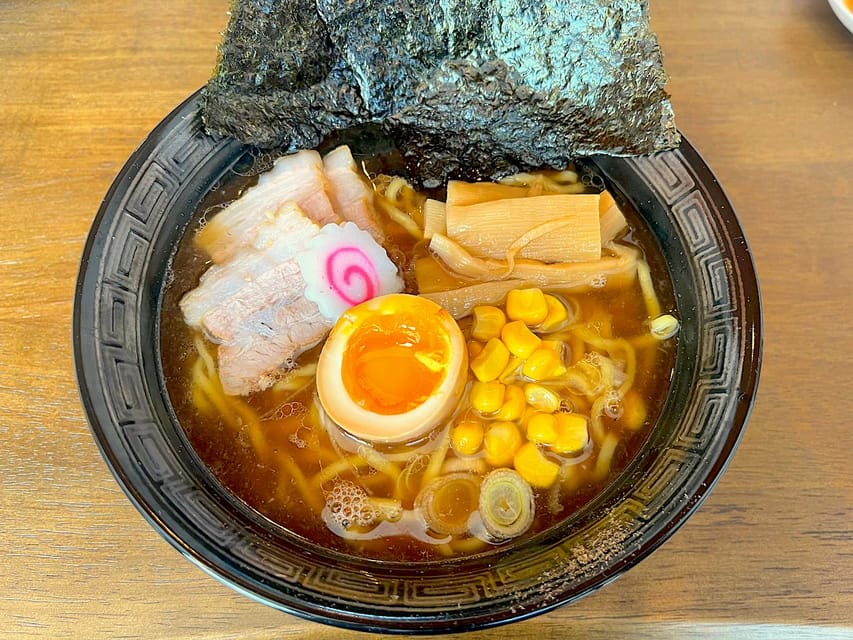
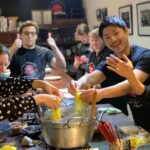
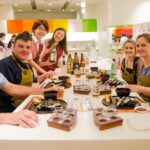
This is a hands-on, small-group class led by English-speaking Japanese instructors. The pace is built for learning: you’re not only tasting at the end—you’re doing the work along the way.
Across the session, you’ll cover two main tracks:
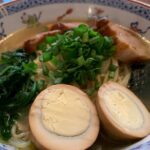
- Ramen cooking, including making ramen soup from scratch and preparing chashu
- Nigiri sushi, including how to hand-form nigiri using provided ingredients and tools
The class structure matters. Ramen takes time for the broth to develop, while nigiri depends on careful handling and quick technique. In a good class flow, the simmering time doesn’t leave you idle—it’s a chance to practice your sushi shaping and learn what makes each dish work.
Also, the room is set up for comfort and interaction. The best part is that this doesn’t feel like a lecture. In multiple sessions, instructors like Sato, Haruko, Risa, Alisa, Misa, and Luna are described as warm, patient, and focused on getting everyone involved. Some even use quick engagement like a pop-quiz style moment to keep the class moving and make the history feel tied to what you’re cooking.
Ramen soup and chashu: the flavor moves you’ll remember
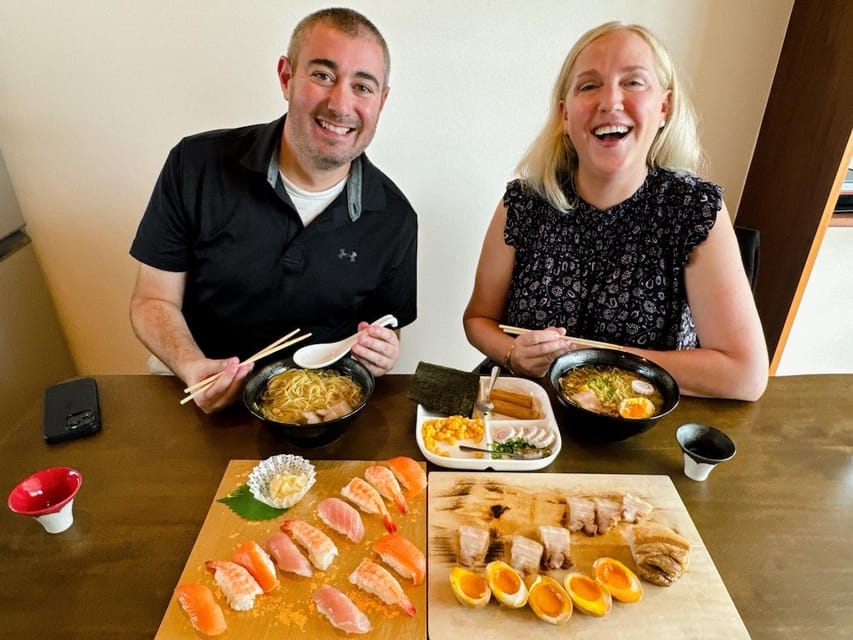
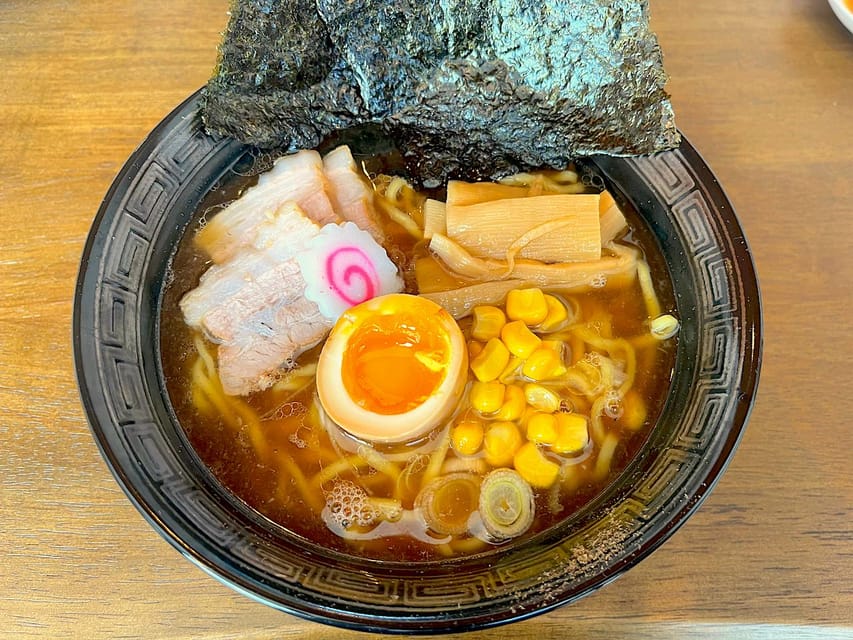
If you’ve ever wondered why ramen tastes so much better in Japan, it’s usually the broth. Here, you learn to create flavorful ramen from scratch, not just assemble toppings.
The ramen broth basics you’re aiming for
Expect instruction on building a broth with real depth—what you’d do at home when you want that layered taste instead of a flat bowl. The class emphasizes:
- broth-making steps you can repeat later
- how to get the balance right so it tastes like ramen, not just hot soup
Chashu pork belly: tender is the goal
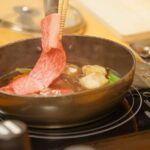
Then comes chashu, a classic pork belly preparation. Chashu matters because it brings fat, salt, and that melt-in-your-mouth texture that turns ramen into a full meal.
In class, you’ll learn what makes chashu work—especially how to handle cooking so it stays tender and flavorful. Even if you’ve never cooked pork belly before, the teaching style here is built around getting you from beginner to confident enough to try at home.



Why this ramen portion is great value
Many food tours are all about eating. This one is about learning the backbone: broth technique plus chashu handling. For $129, that’s a big deal because you’re leaving with skills, not just memories.
One small consideration: you should expect pork and fish ingredients as part of the course. If you’re avoiding pork for dietary or religious reasons, you’ll need to reconsider.
Nigiri sushi: the hand skill behind the perfect bite
Nigiri looks simple until you try it. The class teaches you the delicate art of hand-forming nigiri sushi with the ingredients and tools provided.
You’ll also get context on the origins of sushi—how it developed over time and why nigiri works as a balance of rice, seasoning, and topping. That history isn’t trivia for its own sake. It helps you understand what matters when you shape and season.
What you practice
You’ll practice:
- using provided ingredients and tools
- shaping nigiri pieces by hand
- getting the technique right so the finished pieces hold together for eating
The instructors also do a good job of making technique feel doable. Multiple participants highlight how approachable the instruction is, even when they started from zero.
The best takeaway: your confidence
The class is designed so you don’t just leave impressed. You leave knowing what to do next time. You’ll be able to recreate the basic approach to nigiri at home—rice handling, topping balance, and the idea that technique beats luck.
The sake pairing set: tasting with a sommelier brain
Food classes in Japan are often fun, but this one adds an extra layer with a sake tasting set. You’ll enjoy three premium Japanese sakes, chosen by a certified sake sommelier.
That matters because sake is not one-size-fits-all. Even without becoming a full-time sake nerd, you’ll start recognizing how different styles and flavors play with salty, fatty ramen and delicate sushi flavors.
Some sessions also include additional drinks like beer alongside sake. That’s not listed as a guaranteed part of every booking, but it comes up in participant accounts. Either way, expect a structured tasting experience where you learn what you’re actually tasting rather than just having a drink.
Why this part makes the class feel special
Ramen and sushi can seem like separate worlds. The sake tasting helps connect them. You’re learning a Japanese pairing mindset: taste changes with temperature, texture, and seasoning—not just with “which drink you like.”
What you eat, and what you take home for real-life cooking
At the end, you sit down and eat the results of your work. The food is presented as the point, not just the reward. Participants repeatedly mention that portions are plentiful and satisfying, which is important in a cooking class: you should leave full, not just semi-fed and slightly hungry for dinner.
You’ll also get something that makes the class useful after your trip:
- a professionally designed recipe booklet with instructions for recreating ramen, gyoza, and sushi
- a souvenir pair of high-quality chopsticks
That booklet is the practical bridge between Tokyo and your kitchen. Even if your first homemade attempt isn’t perfect, you’ll have the steps and guidance laid out clearly enough to improve.
One more practical note: wear comfortable clothes and plan for the slight mess that comes with working in a kitchen. That sounds obvious, but it’s the difference between enjoying the session and spending the whole class worrying about your outfit.
Price and value: is $129 fair for this much teaching?
At $129 per person for a 3-hour small-group class, you’re paying for more than ingredients. You’re paying for:
- hands-on ramen and sushi instruction
- all necessary ingredients provided for the class
- English-speaking instructor support
- a structured sake tasting set (three premium sakes)
- a take-home recipe booklet
- souvenir chopsticks
- small-group attention (limited to 8, often around 4)
What’s not included: hotel pickup and drop-off. That’s common for local activities in Tokyo, but it does mean you’ll want to plan your own way to Tsukishima.
Is it expensive? It’s not cheap. But it’s not priced like a basic “watch and eat” experience either. This class is built around learning technique—broth, chashu, and nigiri—so the value is strongest if you actually want to cook after you get home.
Who should book this class (and who should skip it)

This is a great fit if:
- you want hands-on ramen and nigiri skills in one afternoon
- you enjoy cultural context tied to cooking, not just random facts
- you prefer a small-group setting where you can ask questions
- you’re curious about sake pairing and want help tasting with purpose
It’s not a good fit if:
- you’re vegan or vegetarian (the class includes pork chashu and fish for sushi)
- you want a quiet, low-interaction experience. This class is friendly and interactive by design, so you’ll be working with others at shared stations.
If you’re traveling as a couple, it also works well. Many accounts describe intimate settings—even solo or nearly private experiences when group size is small.
FAQ
How long is the class?
The class lasts 3 hours.
How big is the group?
It’s a small group, limited to about 8 participants.
Is the class taught in English?
Yes. The instruction is provided in English.
Where do I meet for the class?
Meet at 2nd Floor, HAUS Tsukishima, 2-13-5 Tsukuda, Chuo-ku, Tokyo 104-0051, about a 5-minute walk from Exit 4 of Tsukishima Station (Y21).
What’s included in the experience?
You get the sushi making experience, ramen cooking class, all necessary ingredients, and an English-speaking instructor. The experience also includes a sake tasting set, a recipe booklet, and souvenir chopsticks.
Is hotel pickup and drop-off included?
No. Hotel pickup and drop-off are not included.
Is this class suitable for vegetarians or vegans?
No. It’s not suitable for vegans or vegetarians.
Can I cancel and get a refund?
Yes. You can cancel up to 24 hours in advance for a full refund.
Should you book this sushi and ramen cooking class in Tokyo?
I’d book it if you want one afternoon where you come away with real kitchen skills: ramen broth, chashu technique, and the hand work behind nigiri. The small group size plus the take-home recipe booklet makes it feel like a lesson you’ll actually use.
Skip it if you need a strictly vegetarian or vegan menu, or if you dislike hands-on cooking and prefer “eat only” experiences. Also plan to get to Tsukishima on your own—no hotel pickup here.
If you’re the type who likes to learn by doing, this is one of the most practical ways to take Tokyo flavor home with you—plus you’ll get three sake pours along the way, which is never a bad deal.