REVIEW · SEOUL
Vegan Korean Food Cooking Class: Gimbap, Sundubu Jjigae, and more
Book on Viator →Operated by Tofu Artist · Bookable on Viator
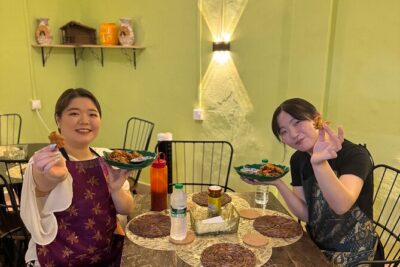
Cooking a real Korean meal beats guessing. This hands-on workshop in Itaewon-dong lets you make a full spread of vegan favorites like Gimbap and Sundubu-jjigae, then practice rolls, pan-cooking, and shaping dough with seasonal edible flowers. I like that it stays small (max 4 people) and that the host, Soomin, keeps things clear with step-by-step guidance you can actually follow. One consideration: it’s on the 3rd floor with no elevator, so plan for stairs.
You’ll be working in a kitchen setting focused on tofu and plant-forward cooking, not just watching from the sidelines. The class runs about 2 hours 30 minutes starting at 11:00 am, and it ends back where you meet. If you’re sensitive to timing, go in ready to focus for the full session, since you’ll be cooking and assembling multiple dishes rather than just one.
In This Review
- Key Highlights You’ll Care About
- Price and What You Actually Get for $75
- Getting Oriented: Location, Timing, and Building Realities
- The Class Setup: A Small Kitchen That Keeps You Busy
- Dish One: Building and Rolling Vegan Gimbap
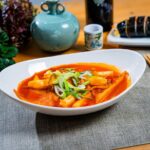
- Dish Two: Cooking Sundubu-jjigae from Scratch
- Dish Three: Biji-jeon (Soy Pulp Pancakes) and the Pancake Mindset
- Dish Four: Hwa-jeon with Glutinous Rice Dough and Edible Flowers
- Where the Real Value Comes From: Techniques You Can Repeat
- Who Should Book This Vegan Korean Cooking Class
- Practical Tips So Your Day Goes Smooth
- Should You Book It?
- FAQ
- What dishes will I cook in this vegan Korean food class?
- How long is the cooking class in Seoul?
- Where does the class meet, and how do I get there?
- Is there an elevator at the location?
- Is gluten-free available?
- What group size should I expect?
Key Highlights You’ll Care About
- Small-group coaching (max 4 travelers) for real interaction while you cook
- A full meal you can eat and taste as you go, not a snack-sized demo
- Tofu-centered Korean classics paired with other vegan dishes
- Hands-on gimbap rolling so you learn the shape, assembly, and workflow
- Sundubu-jjigae cooked from scratch during the class, not pre-made
- Edible flowers on hwa-jeon for a photo-ready finish and a fun final step
Price and What You Actually Get for $75

At $75 per person, this class is priced like a proper cooking session, not a casual tasting. What makes it feel like good value is that you’re learning multiple dishes and techniques in one go, with a small group and a host who explains ingredients and processes in a step-by-step way.
You’re also not ending the experience hungry. Several people recommend going hungry because the meal you help make is substantial and satisfying. And if you want to keep your work going after class, you may be able to package leftovers—bringing a box is a smart move.
For context, this isn’t a one-recipe class. You’re making a sequence of items—gimbap, sundubu-jjigae, bija-jeon (soy pulp pancakes), and hwa-jeon (glutinous rice dough with edible flowers)—so you’re paying for real kitchen time across several techniques.
If you want a Seoul activity that feels practical and food-focused, this hits that sweet spot: you leave with skills you can repeat later, not just memories.
You can also read our reviews of more tours and experiences in Seoul.
Getting Oriented: Location, Timing, and Building Realities
The meeting point is Itaewon-dong, Yongsan District, Seoul, and the activity ends back at the meeting point. It starts at 11:00 am and lasts about 2 hours 30 minutes.
A few practical notes matter here:
- You’ll get a mobile ticket, which is easy to keep on your phone.
- It’s near public transportation, so you can plan to arrive without stress.
- There’s no elevator and you’ll be on the 3rd floor, so stairs are part of the plan.
If you’re traveling with mobility limitations or heavy bags, this is worth factoring in. If you’re bringing nothing but a camera and a curious appetite, you’ll probably feel fine.
Also note: confirmation is sent within 48 hours of booking, based on availability. If you’re coordinating other plans in Seoul, build in a little buffer.
The Class Setup: A Small Kitchen That Keeps You Busy
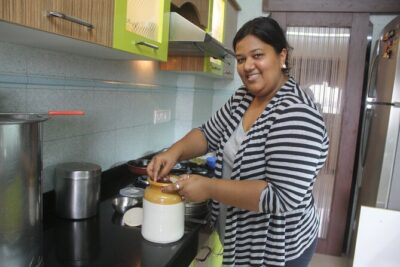
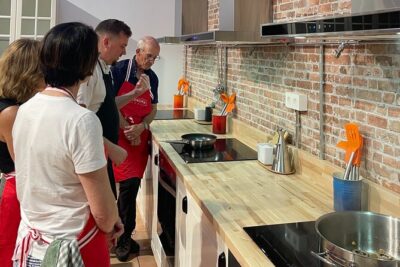
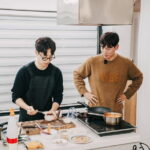
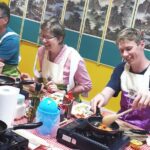
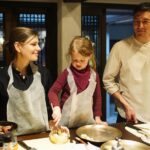
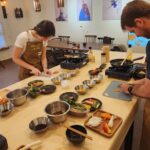
This workshop caps at 4 travelers, which changes the vibe. You’re not waiting your turn for instructions. You’re moving through steps, getting feedback, and asking questions while the meal is still in motion.
The host is Soomin, and the tone from her teaching style seems consistent: friendly, clear, and focused on walking you through processes rather than just listing ingredients. People also highlight that she talks about food traditions and answers questions in detail. That matters if you want to understand what you’re cooking, not just copy a recipe.
The class is also designed with multiple eaters in mind:
- Vegan by default
- Vegetarian-friendly and reducetarian-friendly (meaning it works for people aiming to eat less animal product)
- Muslim-friendly, based on the workshop’s positioning
- Gluten-free on request
If you have dietary needs, request gluten-free ahead of time (the class states it’s available on request), since that’s the only way to make sure you’re cooking the right version.
Dish One: Building and Rolling Vegan Gimbap
You’ll start with one of Korea’s most recognizable comfort foods: Gimbap. This isn’t just assembling a prepped version. The class includes the full action—you assemble and roll it.
Why gimbap is a smart first dish here:
- It gives you a quick win. Rolling something into a neat shape teaches you process, not just taste.
- It sets you up for the rest of the meal. By the time you switch dishes, you already understand how your session flows: prep steps, cooking steps, then presentation.
You’ll also be working in a tofu-focused class environment, so you can expect the workshop’s plant-based approach to show up in how the gimbap fits into the meal. The main takeaway for you is technique: how to take ingredients and turn them into something structured and shareable.
If you like “learning by doing,” gimbap is the kind of dish that rewards attention and makes the class feel hands-on from the start.
Dish Two: Cooking Sundubu-jjigae from Scratch
Next comes Sundubu-jjigae, and the key point is that you’ll cook it from scratch during the class. That’s a different kind of skill than rolling gimbap.
With a stew, you’re not just chasing a shape. You’re learning timing, heat control, and how the ingredients come together as the dish cooks. In a vegan workshop, this is also a good place to understand how tofu becomes the center of a satisfying, spoonable meal rather than a side ingredient.
This dish also helps the whole meal feel real. You end up with both something you can hold and slice (gimbap) and something you eat hot from a bowl (sundubu-jjigae). Together, they make the experience feel like a full Korean dinner, not a cooking demo.
Dish Three: Biji-jeon (Soy Pulp Pancakes) and the Pancake Mindset
After the stew, you move to Biji-jeon, described as soy pulp pancakes, and you’ll prepare and cook them.
This is where the workshop shows range. Pancakes are forgiving in a way that can help you relax. They also train a different skill: batter consistency and cooking until set.
Why I’d recommend this portion, even if you’re not a “pancake person”:
- It’s a plant-based use of a specific ingredient (soy pulp), so you learn that vegan Korean cooking has texture variety.
- Cooking pancakes is a hands-on way to understand doneness without guessing from a label.
You’re not only learning flavors. You’re learning how a vegan ingredient behaves under heat, which helps if you want to reproduce results later.
Dish Four: Hwa-jeon with Glutinous Rice Dough and Edible Flowers
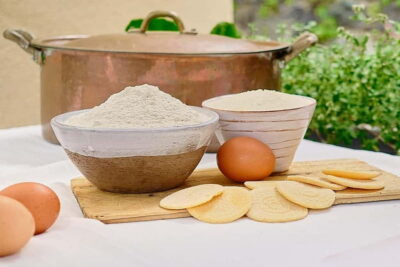
The final dish is Hwa-jeon, where you’ll shape and cook glutinous rice dough and finish it with seasonal edible flowers.
This is the part that tends to feel fun and a little creative, because presentation matters. If you’ve ever thought Korean food looks too pretty to cook, this gives you a concrete way to add visual flair.
It also ties back to what the class promises: you’re not just following steps. You’re learning how ingredients like tofu and flour-based elements can combine with herbs and edible decoration to make a plate look special.
The edible flowers add a seasonal touch, and they also make the final dish feel like a completion point—something you can hold onto in photos and memory.
Where the Real Value Comes From: Techniques You Can Repeat
A big reason this class earns such strong scores is that it gives you learnable, repeatable skills. You’re not only eating Korean food. You’re building Korean-food muscle memory.
Here’s what you’re likely taking home:
- How to work through steps without getting overwhelmed
- How tofu fits into multiple dish types, not just one
- How to move between rolling, cooking, pan work, and shaping dough
- How to explain the ingredients and process back to yourself later
One of the best parts is the teaching approach. People describe Soomin’s explanations as clear and structured, and that she keeps answering questions. That combination is practical: you’ll cook better during the class and feel more confident later.
Who Should Book This Vegan Korean Cooking Class
This workshop is a great match if:
- You want a hands-on Korean cooking experience in a small group
- You’re specifically looking for vegan Korean food that feels like a full meal
- You’d like to learn tofu-focused cooking in a structured way
- You prefer clear step-by-step instruction over vague cooking tips
It can also work well for meat-eaters who want to see how Korean flavors translate into plant-based form. The dish list is broad enough that you’re not stuck with one flavor profile.
If you want a light, short activity, this is probably too much. It’s a real class with real cooking steps across multiple dishes.
Practical Tips So Your Day Goes Smooth
A few simple prep ideas:
- Skip breakfast and go hungry. The class is built around making a full meal, and people recommend arriving with appetite.
- Bring a box for leftovers if you’re the type who likes to keep food for later.
- If you need gluten-free adjustments, request it ahead of time so the class can plan.
- Since it’s on the 3rd floor with no elevator, wear shoes that handle stairs easily.
Also, since the class ends back at the meeting point, you can plan a nearby meal or walk afterward without needing a complicated transit plan.
Should You Book It?
If you want a Seoul activity that pays off in skills and satisfaction, I’d book this. The small-group setup and the fact that you cook multiple dishes—gimbap, sundubu-jjigae, soy pulp pancakes, and hwa-jeon—make the $75 feel more like a focused workshop than a one-off tasting.
Choose this class especially if you:
- like practical learning in a kitchen
- want tofu-based Korean cooking explained clearly
- want a vegan meal you can genuinely eat with confidence
Skip it only if stairs are an issue for you or if you’re looking for something extremely quick and casual.
FAQ
What dishes will I cook in this vegan Korean food class?
You’ll make gimbap, sundubu-jjigae (cooked from scratch), biji-jeon (soy pulp pancakes), and hwa-jeon using glutinous rice dough finished with seasonal edible flowers.
How long is the cooking class in Seoul?
The class lasts about 2 hours 30 minutes.
Where does the class meet, and how do I get there?
It meets at Itaewon-dong, Yongsan District, Seoul, and it ends back at the meeting point. It’s near public transportation.
Is there an elevator at the location?
No. The location is on the 3rd floor and there’s no elevator.
Is gluten-free available?
Yes, gluten-free is available on request.
What group size should I expect?
The workshop has a maximum of 4 travelers, so it stays intimate.