REVIEW · MIRISSA
Sri Lanka: Cooking Class
Book on GetYourGuide →Operated by Tourlankaholidays · Bookable on GetYourGuide
Spices make Sri Lankan food make sense. In Kotapola, you get a hands-on Sri Lanka cooking class where the focus is on how flavors are built, not just what ends up on the plate, plus a spice-driven lesson with cultural context. It’s also a social experience—you cook alongside your hosts and then sit down to eat what you made.
One thing to plan for: heat. Even when you ask for less spicy food, the cooking style can still land very hot for some people, so it’s worth setting expectations early and clearly.
In This Review
- Key things to know before you cook
- Sri Lanka Cooking Class in Kotapola: what you’re really signing up for
- Getting to the kitchen: tuk-tuk pickup and meeting your hosts
- The flavor foundation: rice, coconut, seafood, and spice blends
- The hands-on cooking flow: multiple dishes, clear steps, real pace
- A note on clothing and safety
- Spice level reality check: how to get the heat you want
- You cook, then you dine with your hosts
- Who this class is best for (and who should skip it)
- Price and value: is $50 worth it?
- Accessibility and mobility: a mismatch to take seriously
- Should you book this Sri Lanka cooking class in Kotapola?
- FAQ
- How long is the Sri Lanka cooking class?
- Where does the cooking class take place?
- What’s the price per person?
- What’s included in the experience?
- Are meals and beverages included?
- Is it suitable for wheelchair users?
Key things to know before you cook
- Kotapola setting with hotel pickup and drop-off: you’re collected from your hotel/villa area and transported locally.
- Multiple dishes in one session: you can expect to make around 7 to 8 dishes at a brisk pace, depending on the menu and group.
- Spice secrets explained as you go: you’ll learn why Sri Lankan cooking leans on spice blends, not just heat.
- Diet and preferences get asked upfront: you should tell your host what you can and can’t eat before you start.
- You dine with your hosts: the tasting happens in a shared setting, not as a separate, rushed meal.
- Safety and comfort rules matter: you’ll be cooking vegetables and meat, and the operator asks guests not to arrive drinking.
Sri Lanka Cooking Class in Kotapola: what you’re really signing up for
This class is less about watching and more about doing. In about 3 hours, you work through a real Sri Lankan cooking workflow: prep, seasoning, adjusting flavors, and then eating the results at the end. That matters because Sri Lankan cuisine is built on combinations—rice, coconut, herbs, spices, vegetables, fish, and sometimes preserved seafood—so the only way those flavors truly click is by making them yourself.
What makes this experience especially satisfying is the way the lesson connects cooking to context. You’ll talk about how Sri Lanka’s position on historic ocean trade routes brought in new ingredients and influences, and then you’ll cook within the local tradition. You’re not just learning recipes; you’re learning how cooks think.
You can also read our reviews of more tours and experiences in Mirissa.
Getting to the kitchen: tuk-tuk pickup and meeting your hosts
The logistics are straightforward: hotel pickup and drop-off are included, and you’ll be picked up from your hotel or villa in the Kotapola area. A tuk-tuk is used as part of the transfer, so expect a short, local ride rather than a big vehicle-style transfer.
The best part of the “getting there” phase is what comes right after. You’ll meet your hosts and learn about their daily lives in Sri Lanka while the session gets underway. That personal context turns the class from a transaction into a conversation. You’ll ask questions, get answers, and see how cooking fits into ordinary routines—ingredients, planning, and the way spices are treated as everyday essentials.
The flavor foundation: rice, coconut, seafood, and spice blends
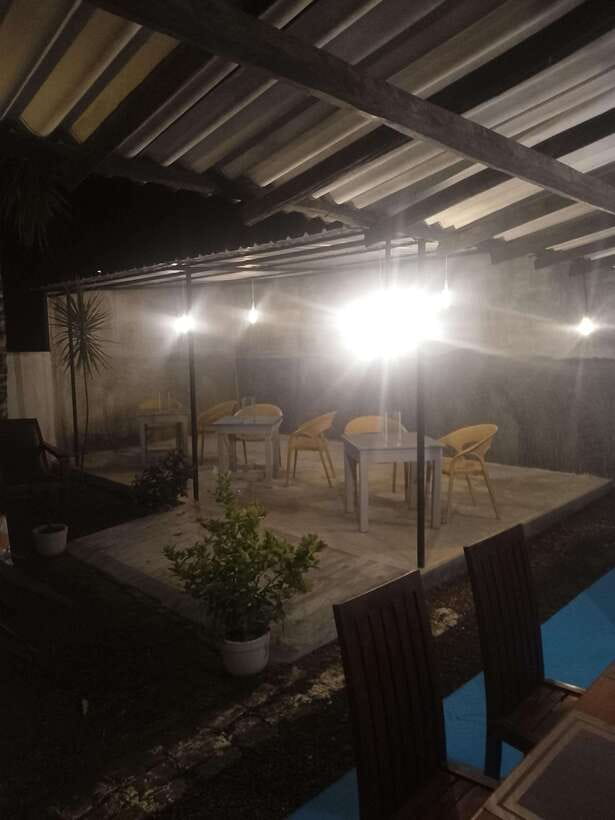
If you’re curious what makes Sri Lankan food distinct, you’ll get a clear framework here.
Sri Lankan cooking leans heavily on:
- Rice in many varieties, and rice as a core base for meals
- Coconut, used so often it becomes part of the flavor language
- Seafood, from fresh fish to preserved fish
- Herbs and spices working together in combinations, not single-note seasonings
- Vegetables and fruits that add balance and freshness
You’ll hear how Sri Lanka’s culinary identity was shaped by both local ethnic food traditions and outside influence from traders along historic ocean routes. That’s one reason some dishes can feel familiar in technique but distinct in flavor direction.
Why this matters for you: once you understand the “base ingredients” (rice, coconut, seafood) and the “flavor logic” (spice blends and balance), ordering in restaurants gets easier. You can recognize what you’re tasting instead of guessing.
The hands-on cooking flow: multiple dishes, clear steps, real pace
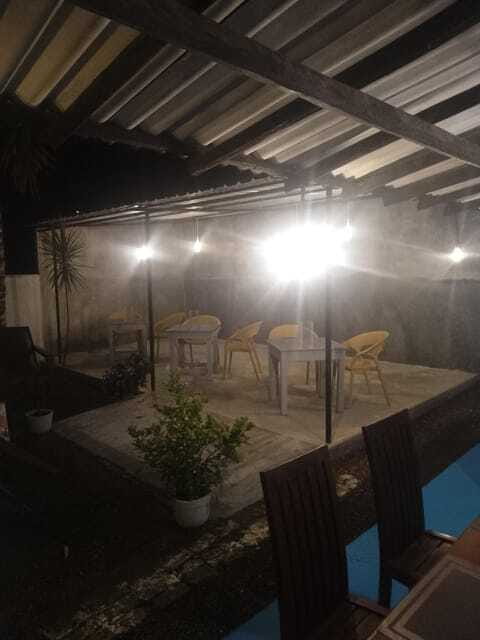
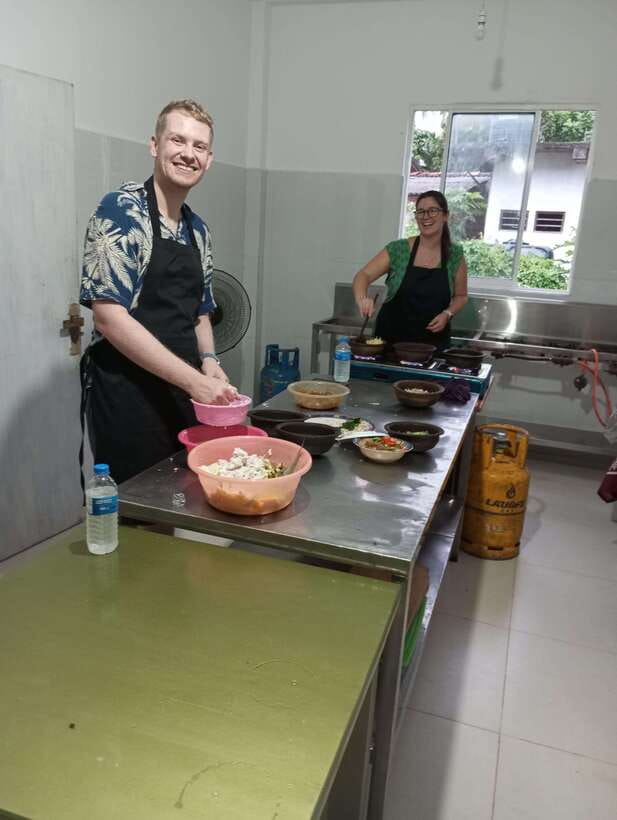
This is a practical class. You’ll be cooking in a hands-on way while an English-speaking guide keeps things moving and explains what’s going on. You’ll also get help that sounds small, but it isn’t: clear instructions on what to do next, when to adjust, and how to handle ingredients without rushing.
In terms of output, many sessions include cooking a lot—often 7 to 8 dishes—and doing it within a short window. That fast pace is part of the appeal if you like action and want to leave with real confidence.
Two details that make the difference between a fun class and a frustrating one:
- They ask about your diet and preferences first. If you’re vegetarian, avoid certain ingredients, or have preferences, tell them early so they can adjust the kitchen and menu choice.
- You’re learning the process, not memorizing a script. The goal is for you to understand how spices are used and why the final balance works.
A note on clothing and safety
They recommend simple clothing that helps you work comfortably, since you’ll be cooking vegetables and meat. And there’s an important safety request: don’t arrive drinking. It’s about keeping the activity safe for everyone involved, especially when you’re handling hot ingredients and working closely in a kitchen setup.
Spice level reality check: how to get the heat you want
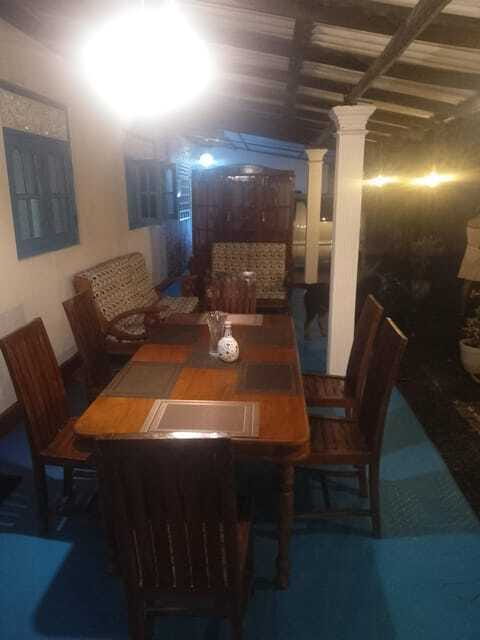
Spice is where this class can swing from exciting to challenging.
One participant issue was that the food turned out much too spicy even after requesting less heat. Another participant described the experience as careful and clear, with the host looking out for safety and correctness. That tells me the class quality and teaching are strong, but spice control may vary by kitchen approach and what gets considered less spicy.
Here’s how you protect yourself:
- Tell your host your heat tolerance at the start. Don’t just say less spicy—use simple terms like you can handle mild heat only, or you need it very mild.
- Repeat it during the first spice step if you feel the dish is going too far. Cooking classrooms should be flexible at that point.
- If you’re traveling with someone who can’t tolerate hot food, don’t assume the kitchen will automatically match their comfort level. Be explicit.
The upside: even if it’s hot, you’ll come away understanding why the spice blend tastes the way it does. That’s the real education.
You cook, then you dine with your hosts
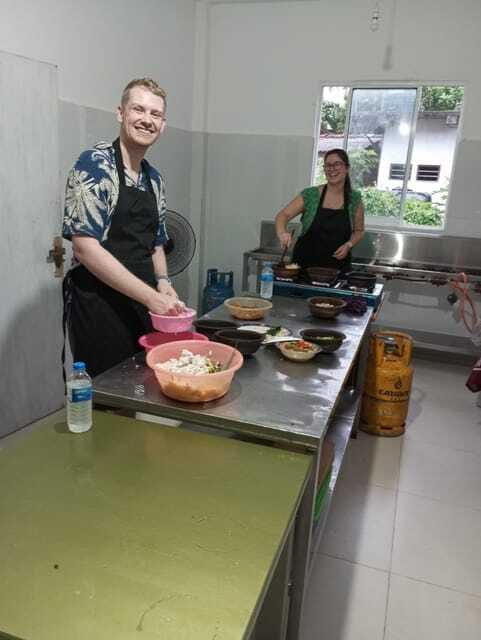
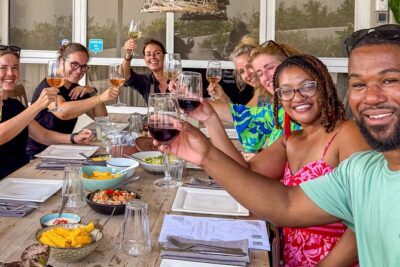
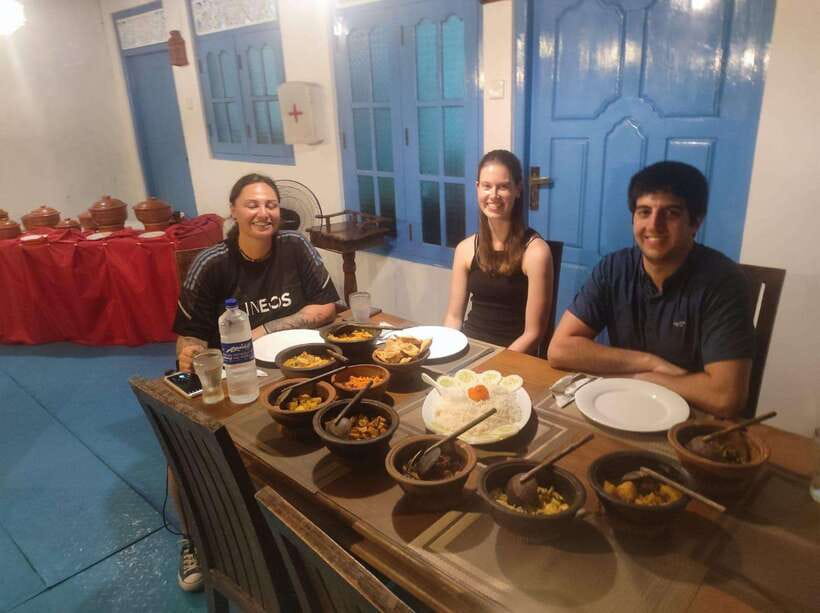
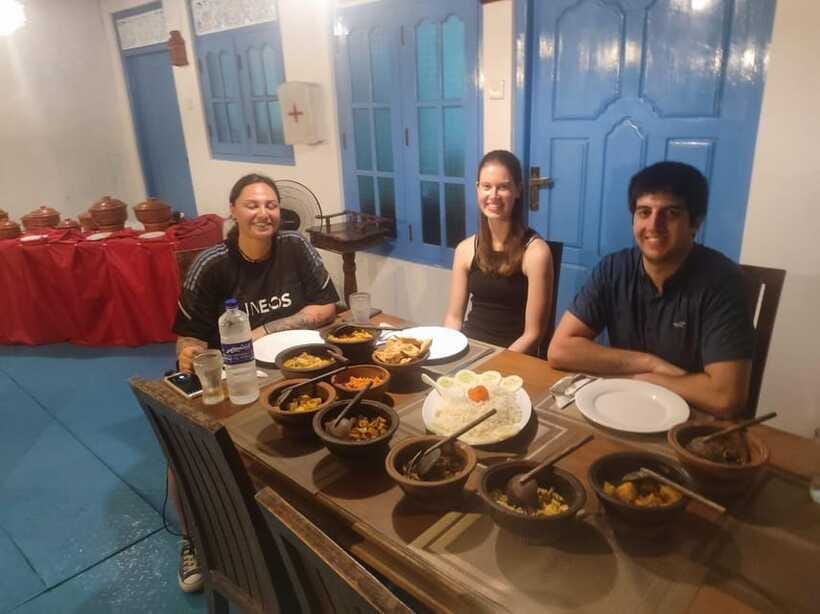
You don’t just leave with recipes. You savor the flavors of what you cooked by dining with your hosts. That’s a big part of the value because it closes the loop: you spend time making something, then you experience the final flavor and texture as intended.
One practical thing to note: meals and beverages are listed as not included. That doesn’t contradict the tasting aspect of the class—you’ll still eat what you prepare—but it may mean you shouldn’t plan on extra drink options or a separate restaurant-style meal spread.
If you’re the type who likes to taste before buying spices or planning restaurant orders, this setup works well. You’ll remember what a properly balanced coconut-spice base tastes like, and you’ll know what to look for back home.
Who this class is best for (and who should skip it)
This is a great fit if you:
- Want a short, high-impact cultural food experience
- Like learning through doing, not just sitting and watching
- Enjoy spice-focused cooking and want practical knowledge you can use later
- Appreciate meeting local hosts and learning about everyday life
It’s also a good choice if you’re traveling with a partner or small group and want something interactive that doesn’t require a ton of walking or extra planning.
Based on the “work in the kitchen” nature of the session (and the instruction that you’ll cook both vegetables and meat), you should also be comfortable getting a little hands-on—prep work, standing, and moving around.
And here’s where to be careful: the activity details include conflicting accessibility notes. On one hand, it’s listed as wheelchair accessible. On the other hand, it’s labeled not suitable for people with mobility impairments and wheelchair users. If mobility is a factor for you, treat it as a likely mismatch and confirm directly with the provider before booking.
Price and value: is $50 worth it?
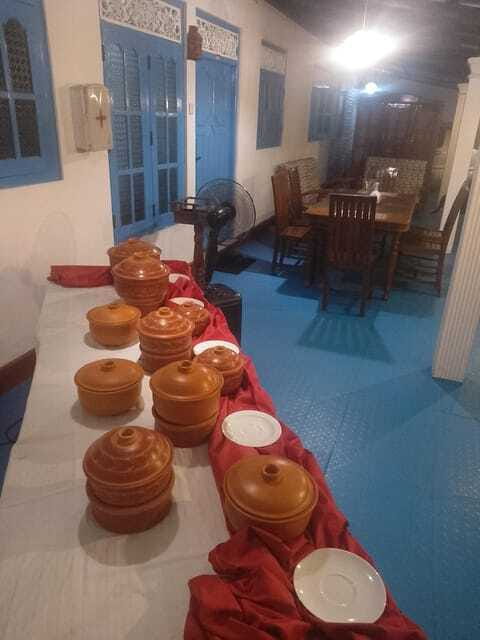
At $50 per person for a 3-hour class with pickup and an English-speaking guide, the value comes from a few clear places:
- You’re paying for instruction that aims at skill, not just entertainment.
- You get transportation (hotel pickup and drop-off) without needing to arrange a driver.
- Bottled water is included.
- You get to cook and then eat your own dishes with your hosts.
For food-focused travelers, this is typically competitive because you’re getting labor, teaching time, and ingredient work baked into one session. You’re also getting cultural context—how Sri Lankan cooking is structured around rice, coconut, seafood, and spice combinations—so it’s more than a cooking demo.
Where the price can feel less worth it is if you show up with food restrictions that aren’t communicated early, or if spice is a deal-breaker and you can’t adjust it. But if you’re clear about your comfort level, the structure works in your favor.
Accessibility and mobility: a mismatch to take seriously
The provided information is contradictory: it mentions wheelchair accessibility, but also says it’s not suitable for wheelchair users and people with mobility impairments. That’s a big red flag for planning.
If you use a wheelchair, you should not assume you can “make it work.” The class involves hands-on cooking and kitchen movement, and kitchen spaces are often not designed for wheelchair access.
My advice: contact the tour provider before booking and ask a direct question about your specific mobility needs—entrance/transfer steps, space to maneuver, and whether the cooking station can be adjusted. If they can’t clearly confirm, choose a different experience.
Should you book this Sri Lanka cooking class in Kotapola?
Book it if you want a practical Sri Lankan food lesson with real output—often 7 to 8 dishes—plus spice knowledge and a shared meal with your hosts. It’s ideal for travelers who love food learning-through-action and enjoy meeting locals.
Skip or reconsider if:
- You have strict limits on spicy food and you’re unlikely to tolerate heat, even mild-to-medium
- Mobility is a concern for you
- You want a fully pre-planned sit-down restaurant-style meal (because this is a cooking session first, with dining as part of it)
If you do book, do yourself one favor: communicate dietary needs and heat tolerance early, in plain language.
FAQ
How long is the Sri Lanka cooking class?
The duration is 3 hours.
Where does the cooking class take place?
It takes place in Kotapola, Sri Lanka.
What’s the price per person?
The price is $50 per person.
What’s included in the experience?
Included items are a professional English-speaking guide, entrance fees to all sites, bottled water, and hotel pickup and drop-off.
Are meals and beverages included?
Meals and beverages are listed as not included. You will still dine with your hosts as part of the experience, but extra drinks or separate meal service is not guaranteed.
Is it suitable for wheelchair users?
The information is mixed: it’s marked wheelchair accessible, but it also says it is not suitable for wheelchair users and people with mobility impairments. You should confirm details with the provider before booking.