Wet market mornings taste different. This small-group cooking tour takes you to the TTDI Wet Market first, then turns you into the chef with a step-by-step class where you make classics like char kway teow, nasi lemak, and roti canai. You finish back around lunchtime, with real dishes in hand and real stories in your head.
What I like most is the way the market visit helps you understand ingredients and herbs before the stove starts. In the best moments, the tour is led by Sally and the cooking is taught by Irene, with both bringing clear explanations and lots of easy back-and-forth while you learn.
One thing to plan for: this booking meets at the market, and hotel pickup/drop-off isn’t included. If you’re hoping to roll from your hotel door straight into the class, you’ll want to double-check what transportation (if any) is actually part of what you’re paying.
In This Review
- Key Things You’ll Notice
- Pasar Besar TTDI: Market Tour That Teaches You What Matters
- From Health Brief to Your Own Kitchen Station
- The Dishes You’ll Cook: Nasi Lemak, Char Kway Teow, Roti Canai
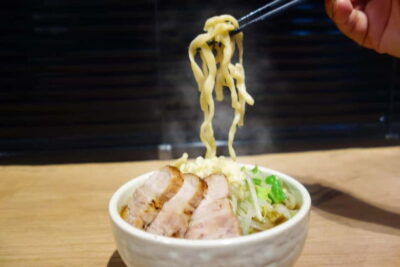
- Char kway teow (fried noodles)
- Nasi lemak (coconut rice)
- Roti canai (flaky bread)
- What You Take Home Beyond Recipes: Food Culture Stories
- Lunch at 1:30: Eating What You Made With Real People
- Price and Value: Is $149.96 a Good Deal for This Class?
- Who This Cooking Class Is For (And Who Might Skip It)
- Should You Book This Malaysian Cooking Class With Market Tour?
- FAQ
- FAQ
- What dishes will I cook during the class?
- How long is the experience?
- Where do I meet for the market tour?
- What time should I arrive?
- What days does the class run?
- Is the class taught in English?
- Is lunch included?
- Are hotel pickup and drop-off included?
- Is the class suitable for vegetarians or vegans?
- What group size should I expect?
- Can I cancel or change my booking?
Key Things You’ll Notice
- TTDI Wet Market start at the Pasar Besar Taman Tun Dr. Ismail TS37 meeting point, with you ready at 8:15am
- Small group cap of 14 means you can ask questions while you cook, not just watch
- Chef-led, station-based cooking with health and safety briefing and step-by-step instruction
- Malay and Indian breads plus noodle and rice staples on the menu: char kway teow, nasi lemak, roti canai
- English instruction makes it easier to follow techniques and ingredient stories
- Lunch is the food you make, eaten communally with the rest of the group
Pasar Besar TTDI: Market Tour That Teaches You What Matters
Your morning starts at Pasar Besar Taman Tun Dr. Ismail (TTDI), at the TS37 spot inside the market area. You’re asked to be ready by 8:15am, and the class activities begin around 8:30am, so it’s not a slow start. Get there early enough to settle in, find the group, and get your bearings fast.
This is a market tour, not a quick walk-by photo stop. The goal is to help you connect the dots between what you see on the stalls and what you’ll cook later. You’ll hear food-culture stories and ingredient and herb explanations that make the class feel less like following a recipe and more like learning a Malaysian kitchen logic.
A big plus here is how the guidance lands in a practical way. The standout part in the feedback I’m using to shape this review is how Sally helped people understand traditional herbs and ingredients. When you can explain what’s going into a dish and why, you cook with confidence later—especially for flavors that aren’t always obvious if you only read a cookbook.
If you’re the type who gets hangry fast, bring your appetite. The market visit is your warm-up, but the real reward is what happens once you’re back in the cooking space.
You can also read our reviews of more tours and experiences in Kuala Lumpur.
From Health Brief to Your Own Kitchen Station
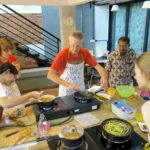
After the market, you head into the cooking school portion for a hands-on, step-by-step lesson. Expect a health and safety briefing first. Then you’ll work at your own kitchen station, which is key if you don’t want to stand over someone else’s shoulder all morning.
Here’s the practical value: the instructors show you how to mix ingredients and how to use the utensils correctly. That matters more than people think. Malaysian cooking has plenty of technique—timing, heat control, and texture—that you can’t fully learn from tasting alone. With station teaching, you can actually practice, make a mistake, and fix it before lunch.
The format is designed to work for both beginners and experienced cooks. If you’re a confident home cook, you’ll appreciate the structured guidance and the chance to refine your method. If you’re new to cooking, you’ll like that the class isn’t assumed-knowledge; it’s organized like a lesson, not a show.
Another detail worth noting: the class runs Tuesday through Saturday, and it runs as a half-day block. The schedule is set from 8:30am to about 1:30pm, and you’ll have lunch as part of the experience. That time box is helpful when you’re planning your Kuala Lumpur days; you can do this, then still have the rest of the afternoon for markets, museums, or just wandering.
The Dishes You’ll Cook: Nasi Lemak, Char Kway Teow, Roti Canai
This class focuses on the kind of dishes Malaysia cooks with pride: noodle, rice, and bread—comfort food with personality.
Char kway teow (fried noodles)
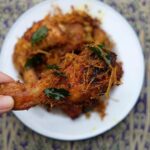
You’ll learn to handle fried noodles and the flavor build that makes this dish so addictive. Even if you’ve eaten it before, the cooking process tends to surprise people. The course instruction style makes it easier to understand the sequence—what you do first, what waits, and what you adjust to keep everything from turning into a sticky mess.
Nasi lemak (coconut rice)
Coconut rice sounds simple until you cook it and realize how much “creaminess” depends on balance and timing. In this class you’re not just assembling a plate; you’re making part of the dish from the ground up. That’s the real benefit: you’ll learn how the ingredients behave and how the rice should look and smell as it cooks.
Roti canai (flaky bread)
Bread often intimidates beginners, but roti canai is a perfect class dish because it rewards hands-on practice. You’ll work with the dough and techniques used to get that flaky texture. If you’ve only ever ordered it in a restaurant, this is your chance to understand what makes it different and how it’s supposed to behave.
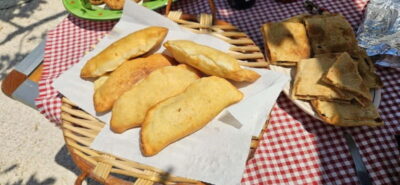
The class also describes preparing “Indian breads” alongside these Malaysian staples. Translation: you’re getting more than one lane of Malaysian food culture, not just repeating the same flavor profile in three bowls.
And because you cook at your station, you’re eating what you made—so you’ll get instant feedback when it hits the table.
What You Take Home Beyond Recipes: Food Culture Stories
A good cooking class teaches you technique. A great one helps you understand context. This one leans hard into the culture side through ingredient and food-culture stories.
You’ll hear interesting stories about Malaysian food culture, ingredients, and herbs. That might sound broad, but it changes how you taste. Instead of eating a dish and thinking, That’s spicy or salty, you start noticing which herb or ingredient direction the dish is pointing in, and why.
The best feedback I’m drawing from here is the combination of Sally’s market explanations and Irene’s teaching during the cooking. That pairing matters. Market knowledge gives you the “why.” Cooking instruction gives you the “how.” Together, you’re not just leaving with full stomachs—you’re leaving with a better way to shop for ingredients on your own later.
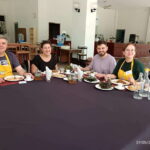
You’ll also be in a group setting that encourages conversation. The class wraps up with communal dining and chatting, which is where you’ll likely learn the most practical “real life” tips: what people loved about the market, what they’d tweak next time, and which Malaysian flavors they want to chase after the lesson.
Lunch at 1:30: Eating What You Made With Real People
Lunch is included, and it’s the food you prepared during the cooking class. That’s a big value point, because it prevents the common disappointment where you cook a few bites and then sit down to someone else’s catered meal.
Communal dining also changes the pace. You’re not just consuming; you’re comparing notes. You’ll likely find that people eat more thoughtfully when they made the dish. You’re watching textures, noticing heat levels, and thinking about what you might do differently next time.
One more practical benefit: you finish around 1:30pm and return to the meeting point. Since hotel drop-off isn’t included, you’ll want a plan for onward travel (public transport nearby is mentioned, which helps). The clean finish time makes it easier to stack the rest of your Kuala Lumpur day without rushing.
Price and Value: Is $149.96 a Good Deal for This Class?
At $149.96 per person for roughly 5 hours, this is not a budget cooking class. You pay for a few things at once: a market tour, ingredient and equipment coverage, lunch, English instruction, and a smaller group size (up to 14).
So the value question is really about expectations:
- If you want hands-on teaching, plus a market orientation first, the structure is solid.
- If you’re expecting your hotel door to be part of the plan, you need to verify transportation details carefully, because this experience is clearly described as meet at the market and hotel drop-off not included.
Some feedback indicates that transportation expectations can affect the feeling of value. I can’t control what a particular booking page includes, but I can tell you this: when the total you see includes extra logistics, your best move is to confirm what’s included in your specific pickup/drop-off arrangement before you pay. For some people, that’s the difference between a fair price and a frustrating one.
Also note booking timing: this is commonly booked about 10 days in advance. If you’re traveling in a busy period or want a specific day (Tuesday through Saturday), lock it in early so you’re not choosing between dates at the last minute.
In short: if you want a genuine morning-to-lunch learning experience—market to stove to table—this price can make sense. If your priority is only cooking and you’d rather skip the market and transport complexity, you might compare options.
Who This Cooking Class Is For (And Who Might Skip It)
This tour is a good fit if you:
- Want a small-group experience where you can ask questions
- Enjoy learning the “why” behind flavors by hearing ingredient and herb stories
- Like making multiple dishes, not just one quick recipe
- Can appreciate a schedule that runs as a half-day block from morning into early afternoon
It’s also a strong choice if you travel with others who want a shared activity. The group setup plus communal dining makes it naturally social, without forcing you to be the loud one in the room.
It’s also noted that vegetarians and vegans are welcome, with substitutions possible. If dietary needs are part of your travel planning, that flexibility is worth taking advantage of—just make sure you communicate your needs at booking.
You might think twice if:
- You dislike market mornings or you’re not interested in learning ingredients before cooking
- You require hotel pickup/drop-off as a non-negotiable
- You want a super short class (this is about five hours)
Should You Book This Malaysian Cooking Class With Market Tour?
I think you should book it if you want a morning with purpose: a market tour that teaches you what you’re about to cook, then a station-based class where you actually make the dishes and eat them for lunch. The upshot is simple—you leave with skills you can repeat at home, and flavors you now understand instead of just taste.
Before you hit confirm, do one practical check: verify the exact meeting and transport expectations for your booking. Since the experience meets at the market and hotel drop-off isn’t included as described, make sure that matches your plans. If it does, this tour is a fun, structured way to get real Malaysian cooking in Kuala Lumpur, not just a meal with a story.
If you want the best chance of a smooth morning, arrive on time (or early), come hungry, and ask questions during the market and cooking portions. That’s where the experience turns from food to learning.
FAQ
FAQ
What dishes will I cook during the class?
You’ll cook dishes such as char kway teow, nasi lemak, and roti canai (flaky bread), using fresh local ingredients.
How long is the experience?
It’s about 5 hours (approx.), starting in the morning and finishing around 1:30pm after lunch.
Where do I meet for the market tour?
You meet at Pasar Besar Taman Tun Dr. Ismail (TTDI), at TS37. The meeting address is listed as 60000 Kuala Lumpur, Malaysia.
What time should I arrive?
The start time is 8:15am for meeting. You should be ready at least 15 minutes prior to the 8:30am start.
What days does the class run?
Classes run regularly from Tuesday through Saturday.
Is the class taught in English?
Yes. The classes are conducted in English.
Is lunch included?
Yes. Lunch is included, and it’s the food you prepared during the cooking class.
Are hotel pickup and drop-off included?
Hotel pickup and drop-off are not included. The activity ends back at the meeting point.
Is the class suitable for vegetarians or vegans?
Yes. Vegetarians and vegans are welcome, and ingredients can be substituted.
What group size should I expect?
The tour has a maximum of 14 travelers, and it requires a minimum of 4 pax to operate.
Can I cancel or change my booking?
This experience is non-refundable and cannot be changed. If it’s canceled because the minimum number of travelers isn’t met, you’ll be offered a different date/experience or a full refund.