REVIEW · KUALA LUMPUR
Malaysian Hands-On Cooking Class : Masala Medley
Book on Viator →Operated by Cooking Class in Kuala Lumpur: Masala Medley · Bookable on Viator
Spices, stoves, and real Malaysian home cooking. This class is a practical 3-hour workshop in Bukit Bintang where you prepare everything yourself at your own station—no sit-and-watch demo. I especially like the focus on masala technique (tempering spices and building flavor) and the fact that you cook a complete meal plus dessert, ending with masala chai brewed from scratch. One thing to consider: the session timing can feel tight if you’re slow with cutting or want extra questions, so go in ready to cook and learn.
You’ll meet at Masala Medley Cooking Class on the first floor above a local bakery on Jalan Imbi, then get set up quickly. The instructor I’m hearing a lot about is Rene, and the vibe is relaxed but structured—apron on, tools out, and you’re moving through the menu step by step. With a max group size of 12, you’ll get more real attention than in big crowds.
In This Review
- Quick Highlights
- A Hands-On Studio Above Jalan Imbi
- What You’ll Cook: Pakora, Chicken Curry, Kesari, and Masala Chai
- Pakora: Your Crispy Starter
- Chicken Curry with Basmati Rice and Cucumber Pachdi
- Kesari: A Comforting Dessert Finish
- Masala Chai Brewed From Scratch
- Spices and Masalas: The Skills You’ll Actually Use
- Your Own Stove Makes It Worth It
- Timing, Location, and How to Plan Your Day
- Price and Value: Is $66.99 a Good Deal?
- Small Watch-Outs Before You Book
- Should You Book Masala Medley?
- FAQ
- FAQ
- How long is the Malaysian Hands-On Cooking Class Masala Medley?
- How much does the class cost?
- Where does the class meet?
- What do I cook in the class?
- Is it a demo or hands-on cooking?
- What’s included in the price?
- Does the class include a drink like masala chai?
- Is transport included to and from the class?
- What extras do I receive at the end?
- What if I need to cancel?
Quick Highlights
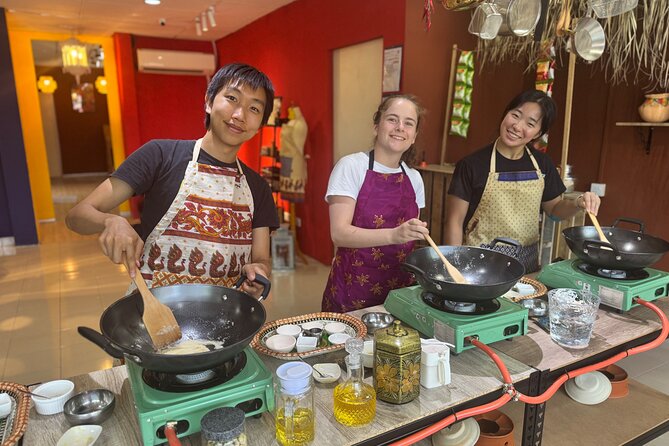
- Your own gas stove and tools so you actually cook, not just taste
- Four full dishes you make yourself: pakora, chicken curry, kesari, and masala chai
- Spice skills you can repeat at home, including how to temper and blend masalas
- Bukit Bintang location near Jalan Imbi, with public transport nearby
- Take-home extras: digital recipe booklet, photo moment, participation certificate, and a door gift
A Hands-On Studio Above Jalan Imbi
This is the kind of cooking class that works because the setting pushes you to participate. You’re in a studio space on the first floor at 76A Jalan Imbi, in the Bukit Bintang area. Being above a local bakery also means the whole place feels lived-in and food-focused, not like a formal classroom.
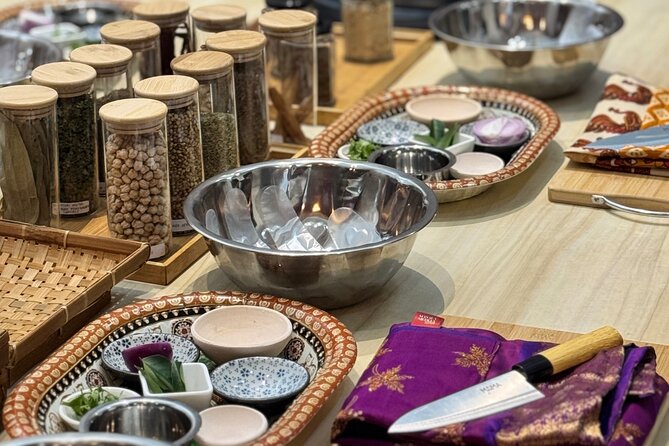
Right when you arrive, you should expect a quick orientation. Then it’s apron time, and the class starts with the building blocks: the essential spices of Malaysian and Indian-influenced cooking and how they show up in the dishes you’ll make. That first phase matters. A lot of cooking classes start by rushing you straight into a recipe. Here, you get the sense of what each spice is doing, so later steps make more sense.
The experience stays beginner-friendly. You’re not expected to already know your way around a kitchen. The goal is to help you understand how to make flavor on purpose, even if you’re starting from zero.
You can also read our reviews of more tours and experiences in Kuala Lumpur.
What You’ll Cook: Pakora, Chicken Curry, Kesari, and Masala Chai
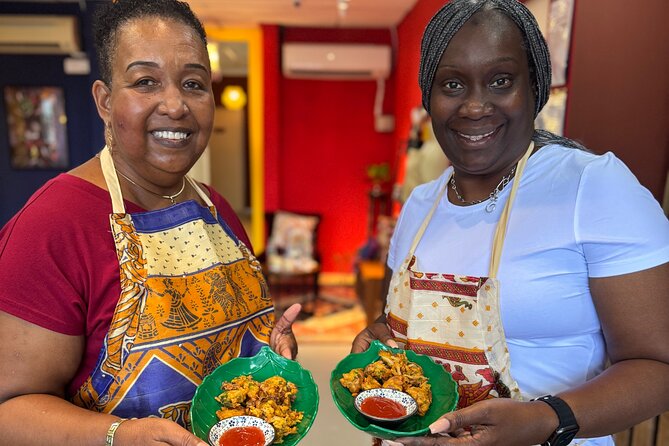
The menu is designed like a real meal arc: crispy starter, hearty main, comforting dessert, then a warm drink to finish. And crucially, it’s not a demo. You’re preparing each dish yourself as you go.
Pakora: Your Crispy Starter
You’ll begin with pakora, described as a crispy vegetable fritter. This is where you practice timing and texture—getting the mix ready and cooking it so it turns out crisp rather than soggy. Even if you’ve never fried anything before, this starter is a good confidence builder because the steps are clear and you can see progress as you work.
One nice detail is that you don’t just assemble an end result. You’re learning how ingredients behave in cooking—how a base changes once heated and how seasoning choices affect the final taste.
Chicken Curry with Basmati Rice and Cucumber Pachdi
For the main, you’ll make chicken curry paired with fragrant basmati rice and cucumber pachdi. This is the heart of the class because curry teaches you the “why” behind masala cooking: how spices develop flavor and how you balance the final profile.
The rice part is also practical. Basmati cooks differently than short-grain rice, and learning how it’s paired with curry helps you replicate the full plate at home. Then you add pachdi—a refreshing cucumber accompaniment—which is more than garnish. It gives you contrast: cooling crunch next to warm, spiced sauce.
If you tend to like restaurant-style curries but don’t know how to build flavor yourself, this is where you’ll feel the shift. The class aims at making your curry taste intentional, not just seasoned.
Kesari: A Comforting Dessert Finish
Then you move into kesari, a comforting Indian dessert. Dessert classes can be hit or miss, but kesari is ideal because it teaches you how sweetness, aroma, and texture come together. You also get a chance to reset after the main course with something that feels satisfying and warm.
The value here isn’t just eating dessert. It’s learning how to follow steps closely when heat and timing matter.
Masala Chai Brewed From Scratch
Finally: masala chai. This is the last step, and it’s a big one because it ties the whole spice conversation together. You’re not just tasting tea with spices—you’re brewing it from scratch, so you see how the flavors bloom.
Chai is a great “home cooking” skill. Even if you never become a curry expert, you’ll likely use the chai method again and again.
Spices and Masalas: The Skills You’ll Actually Use
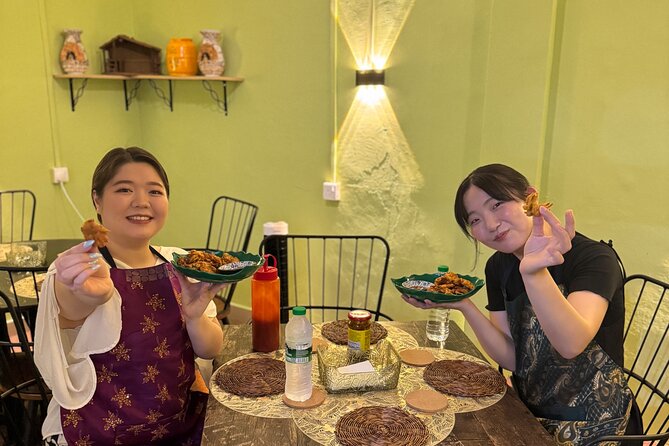
This class’s biggest strength is that it teaches techniques, not just recipes. The way they talk about spices is practical: what you smell first, what develops later, and how tempering helps spices “wake up” in hot oil or fat.
You’ll learn about building masalas—spice mixes and flavor bases—using time-tested methods. That’s useful because once you understand the process, you can adapt it. Maybe you’ll swap vegetables next time, or adjust heat. Maybe you’ll change the type of protein but keep the same flavor logic.
Also, there’s an emphasis on step-by-step guidance at your own station. That matters when you’re trying to remember something like when to add spices, or how to keep a sauce from going flat. You’re not stuck guessing later.
Rene, the instructor mentioned in strong reviews, comes across as the type who answers questions calmly. That’s a real quality-of-life factor in a class like this. When you’re learning from scratch, you want someone who doesn’t rush you and who explains what’s happening.
Your Own Stove Makes It Worth It
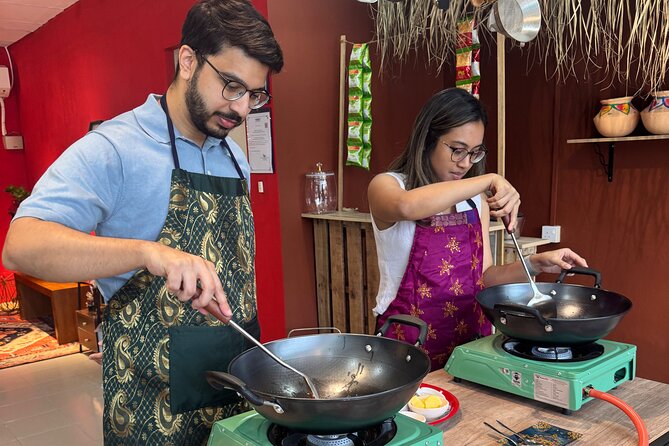
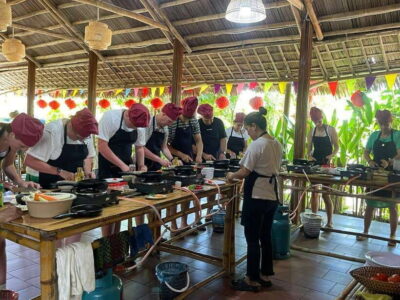
One of the best decisions this class makes is giving each guest their own gas stove, counter space, and full set of cooking tools. That turns a cooking class into actual cooking practice.
If you’ve ever done a class where tools were shared or where someone else did most of the work, you already know the difference. Here, you’re chopping, mixing, stirring, and cooking. That means:
- you build muscle memory for real tasks
- you get hands-on reps with spices and heat
- you learn faster because you can immediately see cause and effect
The studio setup also keeps things social in the right way. You’re cooking alongside others, but you’re not fighting for a station. With a max group size of 12, the room stays manageable.
You’ll also get a photo session, a participation certificate, a thoughtful door gift, and a digital recipe booklet to take home. The recipe booklet is especially useful because it helps you recreate what you made without relying on memory.
Timing, Location, and How to Plan Your Day
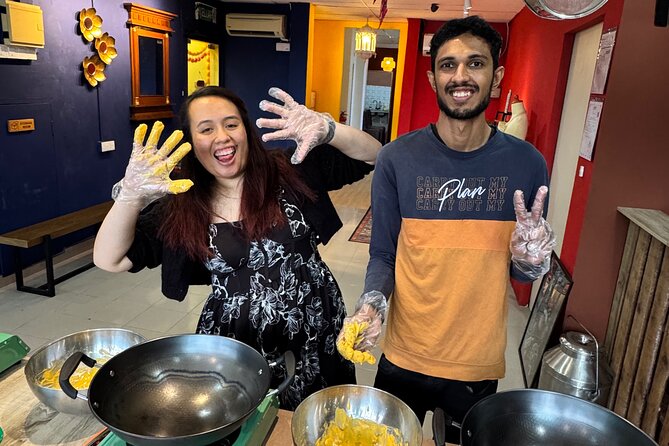
The class runs about 3 hours (approx.). That should be enough time to make four dishes without turning into a kitchen marathon, but you should still expect to move through steps at a steady pace.
Because it ends back at the meeting point, plan for it to be the centerpiece of a half-day plan—especially if you’re also eating around Bukit Bintang later. Since meals are included, you’ll likely go from class straight into a light evening or a dessert crawl, rather than needing a full dinner elsewhere.
As for logistics, transport before and after class isn’t included. The good news is that the meeting point is near public transportation, so you can keep it simple. If you’re already exploring Jalan Imbi and Bukit Bintang, this fits naturally into an itinerary.
Also note the mobile ticket feature. It’s one less thing to print, and it helps if you’re hopping between stops around the city.
Price and Value: Is $66.99 a Good Deal?
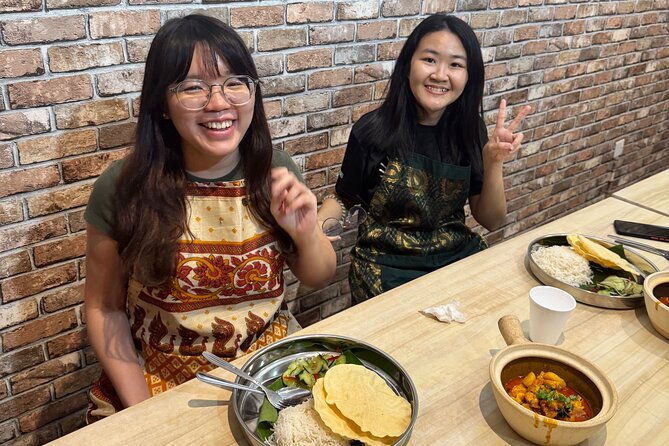
At $66.99 per person, you’re paying for more than ingredients. You’re paying for:
- a hands-on station setup (own stove, counter space, tools)
- guidance through four dishes, including chai and dessert
- the included meal outcomes (starter, main with sides, dessert, and drink)
- food provided on-site (meals plus bottled water, and coffee and/or tea, and snacks)
- take-home material (digital recipe booklet, plus certificate and a door gift)
In other words, you’re not just buying a lecture. You’re buying time in a real teaching kitchen plus the food you cook and eat there.
If you compare it to the cost of eating multiple full meals out plus the cost of a basic cooking class that’s mostly instructional, the structure here makes sense. You leave with both skills and a plated meal you helped create.
Small Watch-Outs Before You Book
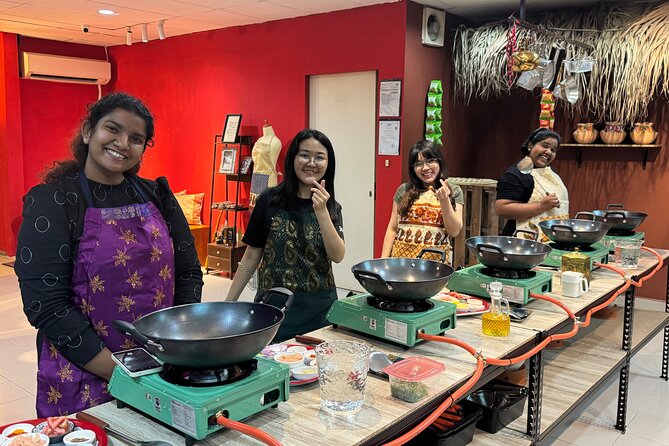
This experience is set up for beginners and food lovers, but a few practical notes can save you frustration.
First, be ready for speed. Four dishes plus chai and dessert in about three hours means you won’t linger too long at any single step. If you know you’ll need extra time cutting or you want to slow down to ask lots of questions, go in with a calm pace mindset.
Second, check your expectations about hands-on time. The intent is clear: each guest prepares four dishes. If you expect a long, slow, leisurely cooking day, you might be disappointed. This class is structured and guided, not a casual hangout.
Finally, decide whether you like spice learning. The class includes an early spice orientation and focuses on tempering and masala building. If you’re not interested in learning how the flavors work, the class might feel like a lot of process. If you do like food science-lite (smell, heat, timing), you’ll probably love it.
Should You Book Masala Medley?
I’d book it if you want a real skill-building cooking class in Kuala Lumpur, not a short demo where someone else cooks while you watch. The best reasons to go are simple: you cook at your own station, you make four dishes that add up to a full meal plus dessert, and you get chai and masala knowledge you can repeat later.
I’d pass (or at least adjust expectations) if you dislike structured timelines or you’re looking for a slow, purely relaxed workshop with no focus on technique. Also, bring a normal beginner attitude. You don’t need cooking experience—you just need the willingness to chop, stir, and learn.
If you’re in Bukit Bintang and want something that feels both local and practical, Masala Medley is a strong way to spend a few hours—and leave with food you actually made yourself.
FAQ
FAQ
How long is the Malaysian Hands-On Cooking Class Masala Medley?
It runs for about 3 hours (approx.).
How much does the class cost?
The price is $66.99 per person.
Where does the class meet?
You’ll start at Masala Medley Cooking Class, First Floor, 76A, Jln Imbi, Bukit Bintang, 55100 Kuala Lumpur, Malaysia.
What do I cook in the class?
You’ll prepare four dishes: pakora, chicken curry with basmati rice and cucumber pachdi, kesari, and masala chai.
Is it a demo or hands-on cooking?
It’s hands-on. Each guest gets their own gas stove, counter space, and cooking tools and prepares the dishes themselves.
What’s included in the price?
Meals are included, along with bottled water, coffee and/or tea, snacks, and all cooking tools and equipment at your station.
Does the class include a drink like masala chai?
Yes. Masala chai is part of the experience, and it’s brewed from scratch during the class.
Is transport included to and from the class?
No. Transport before and after class is not included.
What extras do I receive at the end?
You get a photo session, a participation certificate, a door gift, and a digital recipe booklet.
What if I need to cancel?
You can cancel for a full refund if you cancel at least 24 hours in advance of the experience start time.