REVIEW · HOI AN
Traditional Vietnamese Cooking Class in Leina Cookery
Book on GetYourGuide →Operated by LEINA COOKERY · Bookable on GetYourGuide
The best souvenir is something you can eat. In Leina Cookery’s class in Hoi An, you get a welcome juice up front and then cook your own traditional Vietnamese dishes with a small-group feel. What I liked most is that it’s not just watching a show: you choose dishes and then make them yourself, one step at a time.
Two big wins for me were the roomy, relaxed classroom and the way the teacher makes each dish understandable without taking over your hands. One thing to think about: because you pick from menu options, your final line-up depends on what’s available that day, so it helps to arrive with an open mind.
In This Review
- Key highlights at Leina Cookery
- Finding Leina Cookery at 23 Huỳnh Thúc Kháng (and getting your bearings fast)
- Choosing your dishes: how the class stays personal in a small group
- Cooking for 150 minutes: hands-on steps, then eating what you make
- Leina Cookery’s teaching style: clear explanations with real personality
- The quick Hoi An photo moment: a short break, not a sightseeing tour
- What you take home: recipe articles by email
- Price and value: is $22 for 150 minutes a good deal?
- Who this class suits best (and who might want a different plan)
- Should you book Leina Cookery in Hoi An?
- FAQ
- How long is the Traditional Vietnamese Cooking Class?
- How much does it cost?
- Where do I meet for the class?
- Can I choose what dishes to cook?
- Is it taught in English and is it a small group?
- Do I get recipes after the class?
Key highlights at Leina Cookery
- Welcome juice and quick start before you touch ingredients
- Pick your dishes from menus instead of getting a fixed course set
- Small group (up to 10), so you’re not lost in the crowd
- Cook and eat on the spot, with breaks after each dish
- English-speaking host/greeter for clear instruction
- Recipe articles emailed afterward for what you cooked
Finding Leina Cookery at 23 Huỳnh Thúc Kháng (and getting your bearings fast)
Your class starts at 23 Huỳnh Thúc Kháng in Hoi An, at the corner of Huỳnh Lý, right across from a park. That description matters, because it’s the kind of place you’ll want to find quickly without stress—especially if you’re pairing this with a day of wandering around Central Vietnam.
When you arrive, you’re not thrown into chaos. You’ll be welcomed at the address and offered a glass of juice before cooking begins. I like that pacing. It gives you a minute to settle in, take in the setting, and get ready to focus on chopping, mixing, and following instructions.
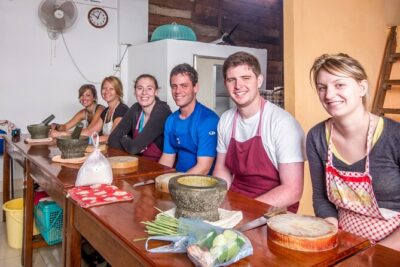
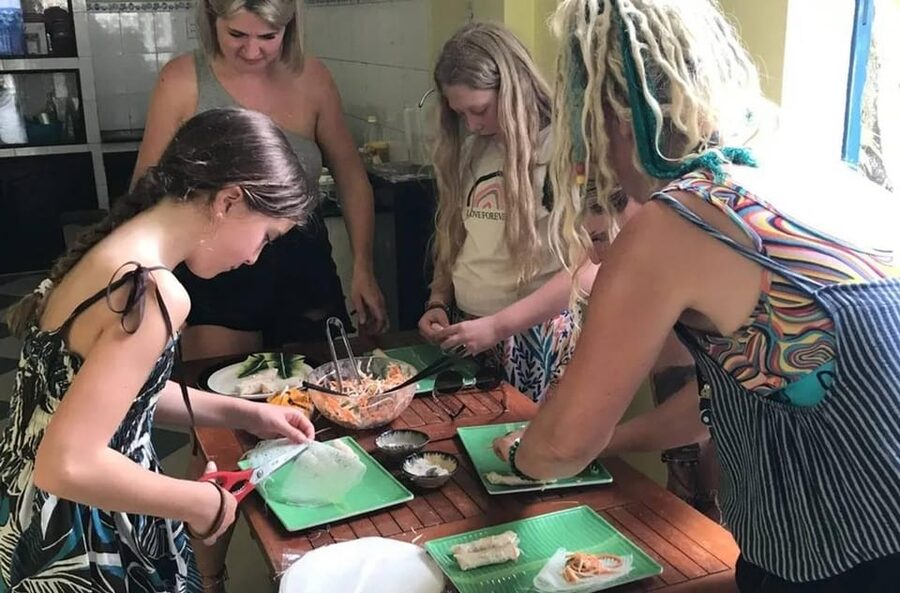
Inside, the classroom is described as airy and spacious, with a cute feel. For a cooking class, that’s practical: better airflow, more room to work, and less of that cramped “bump elbows” vibe you sometimes get in group activities. If you’re sensitive to noise or crowding, this layout is a real plus.
You can also read our reviews of more tours and experiences in Hoi An.


Choosing your dishes: how the class stays personal in a small group
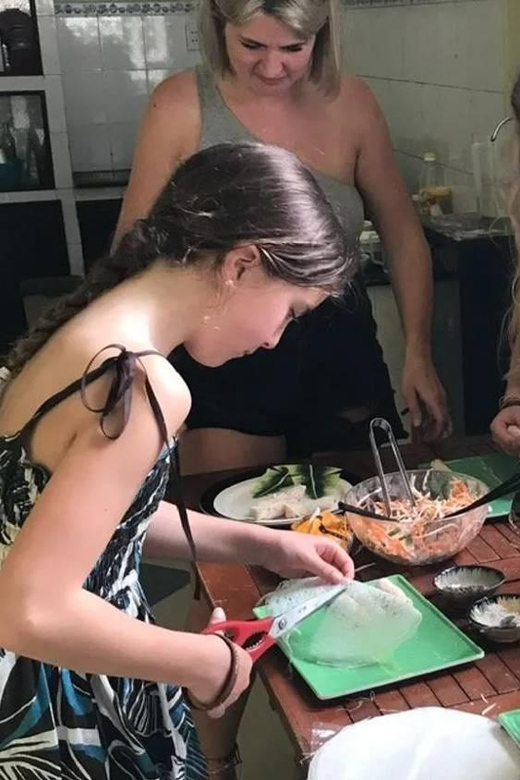
The class model here is simple and smart: you freely choose which dishes you’ll cook from different menu options. That means you can steer the experience toward what you actually want to eat, instead of getting stuck with a set menu that might include foods you’re less excited about.
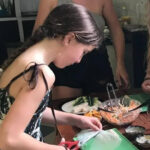
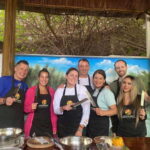
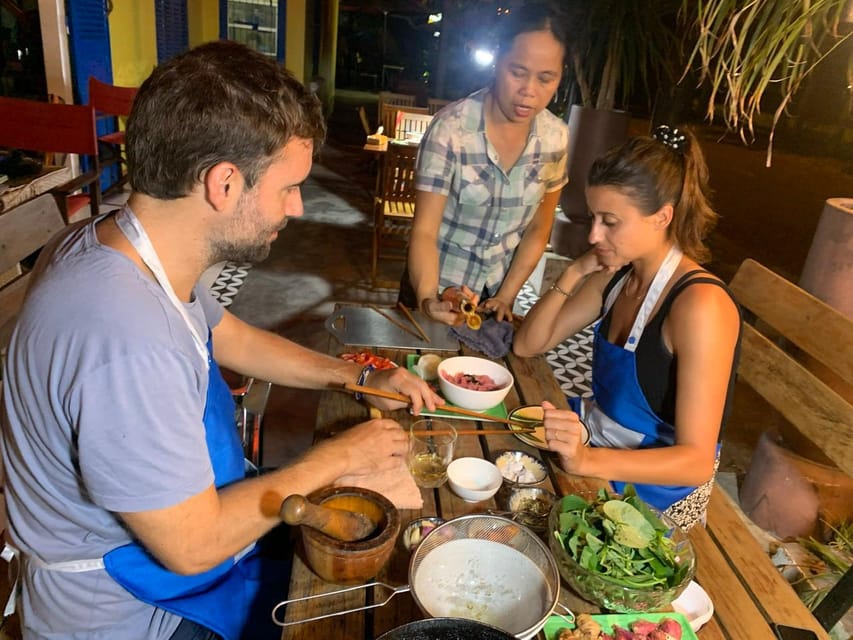
It’s also limited to 10 participants, so the teacher can keep an eye on what you’re doing. You’re not just standing in a line waiting for someone to check your work. You’ll have room to work through steps yourself while the instructor keeps the process on track. In plain terms: you get responsibility, but you’re not left alone.
A detail I really appreciate is that you’re able to choose upfront. That turns the lesson into something more like a planned meal you’re building, rather than a surprise. If you’re traveling as a couple or a solo diner, this kind of choice makes the whole evening feel more customized.
Cooking for 150 minutes: hands-on steps, then eating what you make
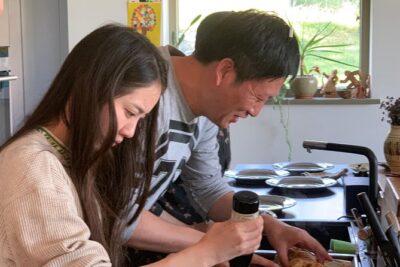
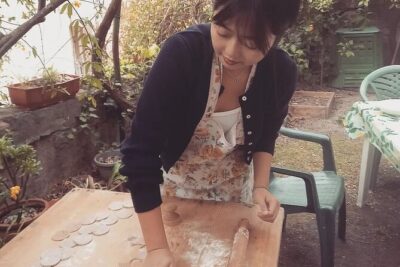
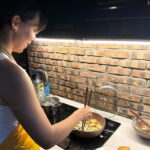
The class lasts 150 minutes, and the flow is built around doing, not just learning. You follow steps yourself based on the teacher’s instructions. That’s the core of why these classes are worth it: you’re building muscle memory—how something should look, how to pace your hands, when to taste, and how to adjust as you go.
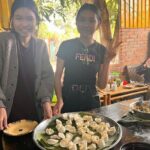
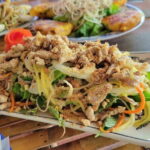
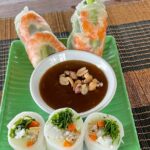
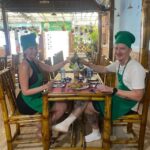
Then comes the part that makes the time feel worth it: after each dish you cook, you enjoy it right there before moving on to the next one. So you’re not waiting until the end to see whether it worked. You get quick feedback from your own plate. That also keeps motivation high—especially if you’re the kind of person who learns better when you can taste while you practice.
The teacher’s role is active. You’ll get guidance through each dish, and the instructor leaves you room to cook while still maintaining quality. In other words, it’s not a hands-over-everything situation, and it’s not a “good luck” situation either.
Based on what I’d look for in any cooking class, this structure is the sweet spot:
- You practice key steps immediately.
- You taste the results right away.
- You learn pacing for the next dish.
Leina Cookery’s teaching style: clear explanations with real personality
Leina Cookery is led by Leina, and in the classroom you may work with Nga as well, along with her sister. What stood out in the way they teach is how step-by-step the explanation feels—clear enough that you can follow along even if you’ve never cooked Vietnamese food before.
One of the nicest things is that the instructor doesn’t just talk. She takes you through each dish, shares experience, and still lets you do the actual cooking. That balance matters because it keeps you engaged. You can’t drift into “watch mode” for too long.
There’s also a friendly, relaxed vibe. Nga is described as welcoming, and there’s even mention of a good laugh during the class. That might sound minor, but it changes the whole experience. Cooking is a skill, and skills come easier when you’re not tense about getting it wrong.
You’ll also see a variety of dishes offered through the menu options. That’s a good sign for anyone who wants more than one “same sauce, different shape” kind of meal. The broader the dish selection, the more you learn about how Vietnamese cooking balances flavors and textures across different recipes.
The quick Hoi An photo moment: a short break, not a sightseeing tour
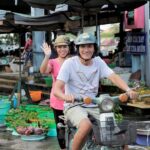
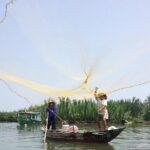
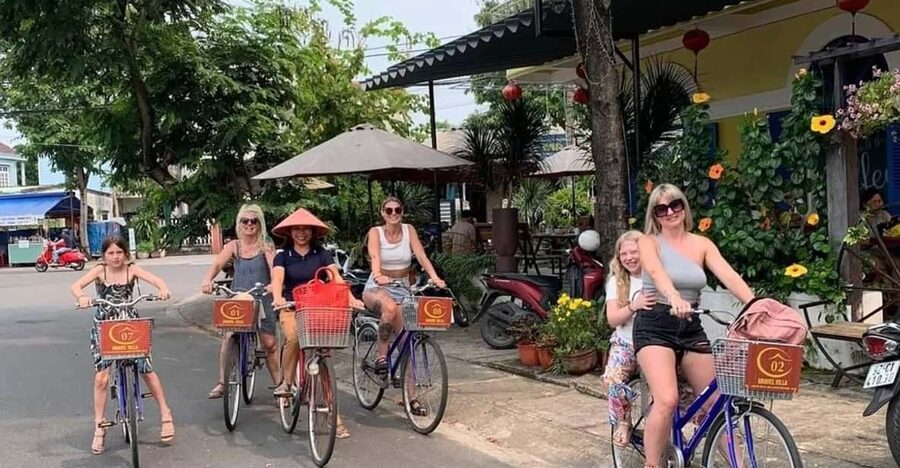
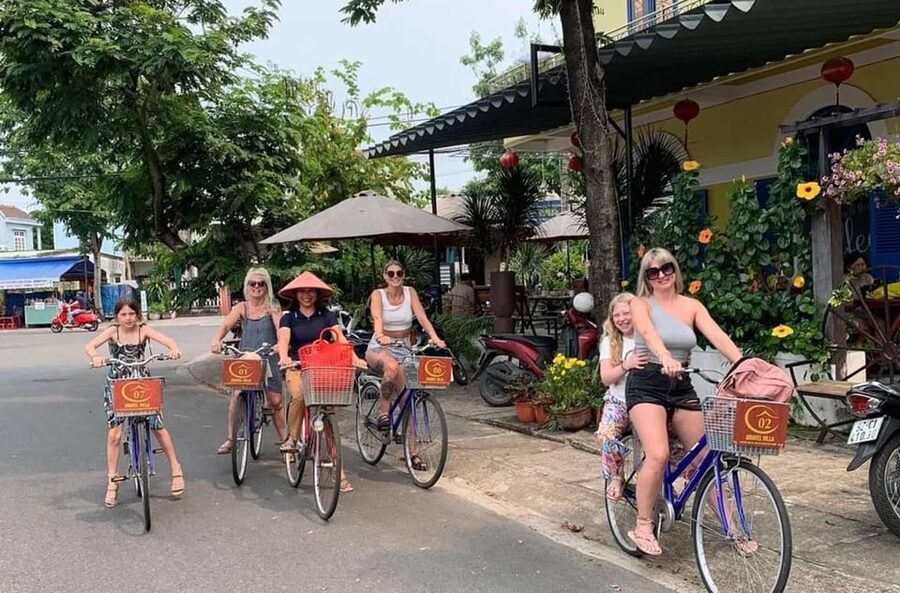
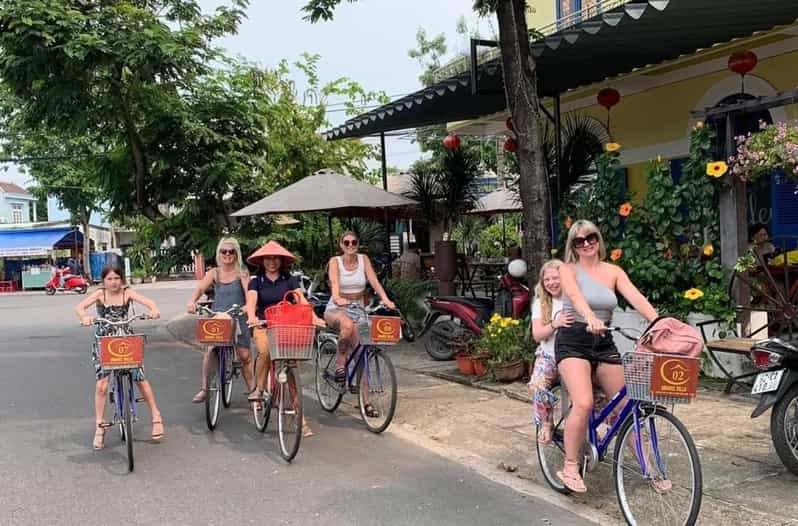
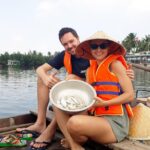
The activity includes time connected to Hoi An with a photo stop. Practically speaking, plan for this to be a short moment tied to the overall class flow, not a full tour of the old town or a long walkabout.
Here’s the trade-off: if you came mainly for cooking, the brief photo break is a light add-on. If you came mainly for sightseeing, you may wish there was more time outside the classroom. My advice is to treat it as a bonus—something to capture the day’s setting—while still expecting the real payoff to be the cooking and the food.
The itinerary brings you back to the starting point at 23 Huỳnh Thúc Kháng. So you’re not stretched across the city. That’s convenient in Hoi An, where you may already have plans before or after dinner.
What you take home: recipe articles by email
Here’s a smart, underrated part of Leina Cookery: after the course, you’ll receive articles about recipes for the dishes you learned via email. This matters more than it sounds.
On the same day, you’re learning steps in the moment—tasting, adjusting, and moving on. But later, memories blur. Having recipe write-ups means you can recreate your favorite dish at home without trying to reverse-engineer what you did.
It also helps if you’re cooking with others later. You can send the recipes to a partner or friend and talk through the process like, Okay, this is how we made it.
If you’ve ever left a cooking class thinking, I’ll remember this, and then didn’t, the email recipes are the difference between a fun evening and a skill you can repeat.
Price and value: is $22 for 150 minutes a good deal?
At $22 per person for a 150-minute class, this sits in the category of value if what you want is instruction plus actual food.
You’re not paying for a sit-and-watch demonstration. You pay for:
- A small-group cooking lesson (up to 10 people)
- The chance to cook dishes you choose from menus
- Eating the dishes on the spot after each one
- A welcome juice
- Recipe articles emailed afterward
- English-speaking help from the host/greeter
That’s a lot packed into one evening. The best value shows up when you’re hungry, curious, and willing to cook. If you only want to sample a little food and you’re not interested in the hands-on part, you might feel it’s pricier than a normal meal. But if you like learning by doing, $22 becomes a straightforward trade: money for ingredients, time, and guided steps that end with you eating what you made.
Also, cooking classes are a great fit for places like Hoi An where you may spend hours walking and snacking. This gives you a different kind of cultural activity—less about buying souvenirs and more about bringing something practical home.
Who this class suits best (and who might want a different plan)
This cooking class is a strong match for you if:
- You want hands-on cooking, not just watching
- You like the idea of choosing dishes upfront
- You enjoy eating what you cook, immediately
- You’re traveling with limited time and want a focused 150-minute activity
- You’d like recipes by email so you can cook again later
It may be less ideal if:
- You’re hoping for a long sightseeing day as the main event
- You want exact dishes listed in advance (your menu options determine what you cook)
- You prefer super fast, single-recipe classes rather than a multi-dish flow
One more practical note: the class is in English with an English-speaking host/greeter, which is great if that’s your comfort zone. If you’re trying to practice Vietnamese, you might find yourself stuck relying on English explanations, depending on how the class is run.
Should you book Leina Cookery in Hoi An?
If your goal is a meal that teaches you something—while also tasting great right away—then yes, I’d book it. The strongest reasons are the hands-on structure (you cook and eat in sequence), the small group size, and the fact that the class ends with recipe articles you can use later.
Also, the atmosphere is set up to help you succeed: welcome juice, roomy classroom, and an instructor style that gives guidance without removing your control. That combination is exactly what makes cooking classes feel practical instead of stressful.
Book it if you’re hungry for both flavor and technique. If you’re only looking for quick photo ops or a passive activity, you’ll probably enjoy something else more. But for $22 and 150 minutes, this is a smart way to spend an evening in Hoi An.
FAQ
How long is the Traditional Vietnamese Cooking Class?
The class lasts 150 minutes.
How much does it cost?
It costs $22 per person.
Where do I meet for the class?
You meet at 23 Huỳnh Thúc Kháng in Hoi An, at the corner of Huỳnh Lý, across from a park.
Can I choose what dishes to cook?
Yes. You can freely choose dishes from multiple menu options.
Is it taught in English and is it a small group?
Yes. The host or greeter speaks English, and the group is limited to 10 participants.
Do I get recipes after the class?
Yes. After the course, you’ll receive articles about the recipes for the dishes you learned via email.