REVIEW · POKHARA
Nepalese Kitchen in Pokhara: Momos or Dal Bhat Cooking Class
Book on GetYourGuide →Operated by Snow Peak Tours and Travels pvt. ltd. · Bookable on GetYourGuide
Cooking Nepal in a real home kitchen feels personal. I like that you cook Momos or Dal Bhat step-by-step with Sarita, and you’ll work with fresh local ingredients and learn the spice logic behind the flavor. One practical snag to keep in mind: transport is arranged from the Lakeside area by taxi/transfer, and at least one guest reported a pushy upsell moment.
The best part is that this isn’t a demo. You’ll chop, mix, season, and cook, then sit down and eat what you made, with conversation along the way. If you want a calm, cultural activity in Pokhara that also gives you a repeatable skill, this is a strong choice.
In This Review
- Key highlights
- A Home-Kitchen Cooking Class in Pokhara with Sarita
- How the 3-Hour Session Flows: Pickup, Short Stop, Then Cooking
- Momos vs Dal Bhat: What You’ll Actually Learn
- Cooking Momos: dumpling technique and spice decisions
- Cooking Dal Bhat: comfort-food structure and flavor balance
- Inside the Kitchen: Ingredients, Spices, and the “Why” Behind Each Step
- The “Eat What You Cook” Part (and Why It’s More Than Just a Meal)
- Value and Pricing: Does $28 for 3 Hours Make Sense?
- Pickup and Getting There: Make This Smooth, Not Stressful
- Who This Cooking Class Fits Best (and Who Might Want to Skip It)
- Should You Book It?
- FAQ
- How long is the Momos or Dal Bhat cooking class in Pokhara?
- Where is the pickup and drop-off?
- Do I get to choose between Momos and Dal Bhat?
- Is the meal included?
- Are ingredients and spices included?
- Do I receive a recipe to take home?
- What languages are available during the class?
- Is this a private group experience?
- What ID do I need to bring?
- What is the cancellation policy?
Key highlights
- Hands-on cooking in a real Nepalese home kitchen with Sarita as your guide
- Choose Momos or Dal Bhat and learn the techniques behind both
- Fresh ingredients and traditional spices used step-by-step during the class
- Private, small-feeling experience (people have described it as very intimate)
- Eat your work and take home a printed or digital recipe
- English, Hindi, or Nepali support from a live guide
A Home-Kitchen Cooking Class in Pokhara with Sarita
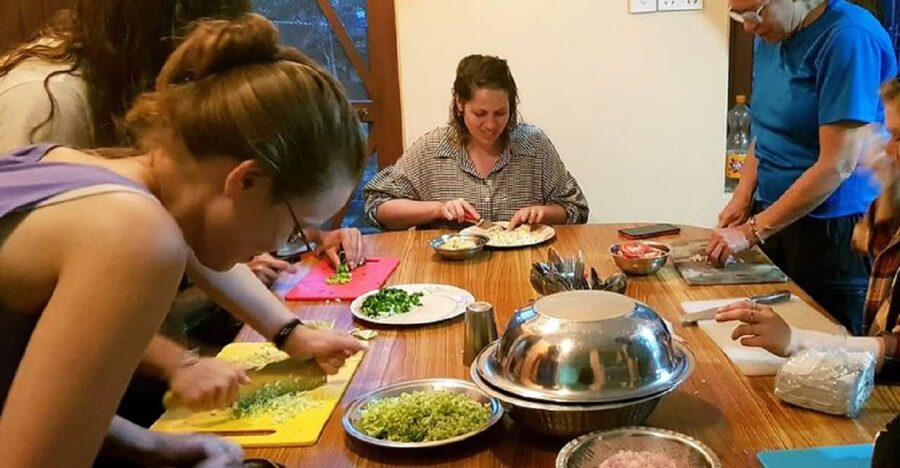
This class is built around one simple idea: food tastes different when you cook it the way local families actually do. Instead of standing behind glass in a restaurant, you’re in a home kitchen, working at the same pace as your instructor, and learning why each step matters.
I especially like the focus on practical skills. You’re not just taught what to add, you’re taught how to handle spices, balance seasoning, and move through the steps without getting lost. And because you finish by eating your own Dal Bhat or Momos, the learning sticks fast.
The instruction is available in English, Hindi, or Nepali through a live guide, and Sarita’s communication stands out in the feedback—clear, patient, and tuned to beginners who don’t know Nepali food yet.
You can also read our reviews of more tours and experiences in Pokhara.
How the 3-Hour Session Flows: Pickup, Short Stop, Then Cooking
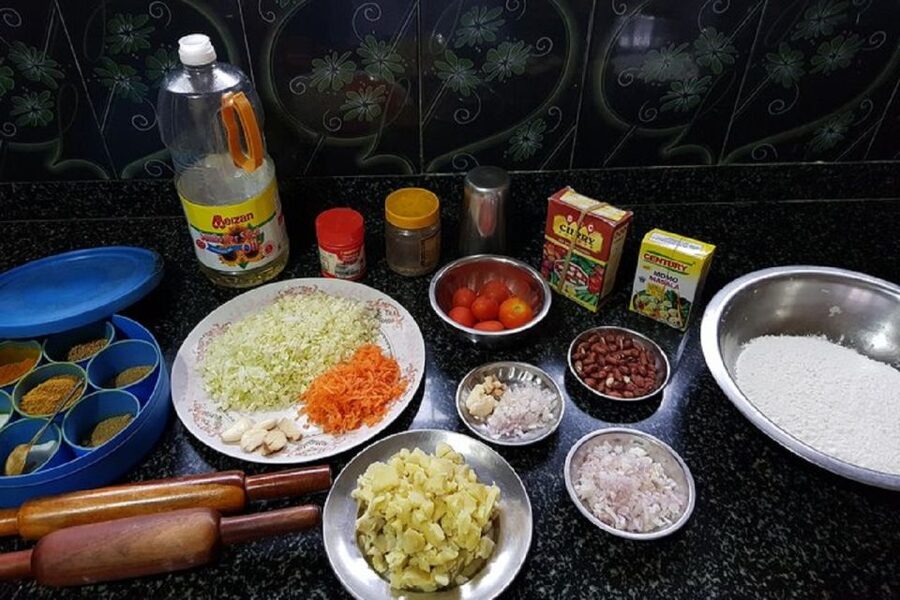
The experience runs about 3 hours, and it starts with transport from the Pokhara Lakeside area. You’ll have two pickup options, both in the Lakeside-6 / Lakeside Road area, and you’ll return to the same general area at the end.
Once you’re picked up, the schedule includes a Pokhara photo stop plus a visit and guided time before the cooking starts, with a bit of free time built in. That matters more than it sounds: it gives you a quick mental reset so you arrive at the kitchen feeling ready to focus, not rushed.
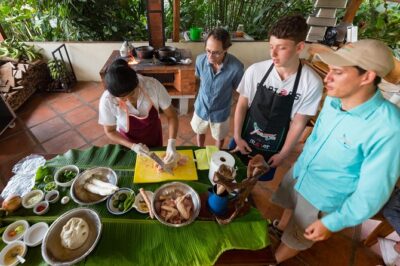
Then the core of the day begins: hands-on cooking inside the home kitchen. This is where the timing works well for a short activity. You’re not waiting around for a long lecture, and you won’t be stuck with complicated theory. You’ll be chopping, mixing, seasoning, and cooking, guided all the way through.
Momos vs Dal Bhat: What You’ll Actually Learn
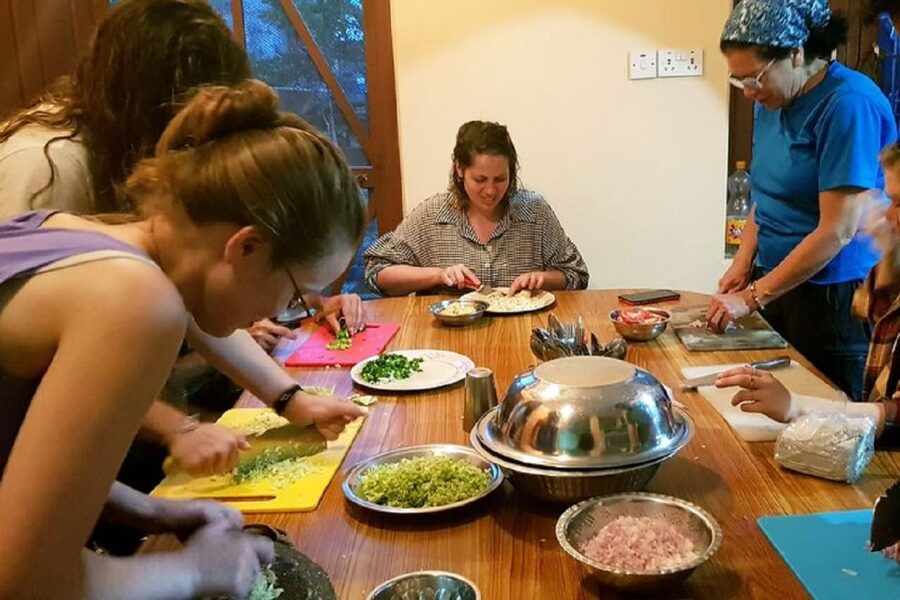
You choose between two classic Nepalese dishes: Momos or Dal Bhat. Both are beloved, but they teach very different skills.
Cooking Momos: dumpling technique and spice decisions
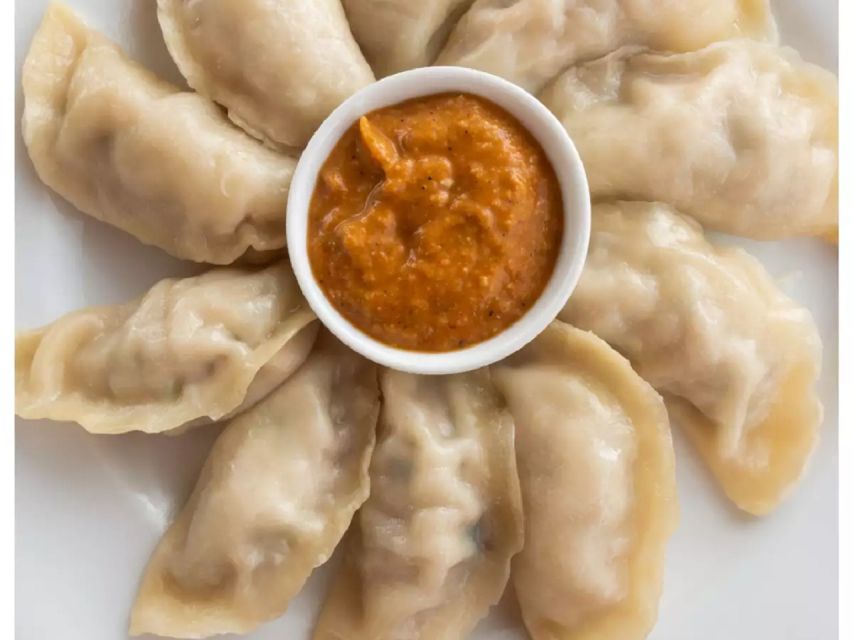
If you pick Momos, you’ll spend the class working through the dumpling process: preparing filling, shaping, and building the dumpling the way it’s done in everyday Nepalese cooking. Some participants have emphasized how much dumpling-making you can end up doing, including batches that felt like a lot of momos—so plan your appetite accordingly.
This is a good option if you like tactile tasks. You’ll learn how to handle the dough and how to assemble fillings without everything falling apart. And you’ll also learn the flavor decisions that make Momos taste complete, not just “stuffed dough.”
Cooking Dal Bhat: comfort-food structure and flavor balance
If you choose Dal Bhat, the class centers on the steps that turn lentils and sides into a balanced Nepali meal. Dal Bhat isn’t one single component—it’s a system. You learn how the lentil base works, how seasoning ties it together, and how the sides fit so the plate feels satisfying instead of flat.
One detail that makes Dal Bhat classes useful is that it teaches the logic of layering flavors. Even if you don’t cook every side the same way at home, you can carry the method—how to season, how to adjust, and how to build a meal you’ll actually want to repeat.
Inside the Kitchen: Ingredients, Spices, and the “Why” Behind Each Step
What you’re paying for here isn’t just the dish. It’s the method you can use again.
From the start, you’re introduced to local ingredients and traditional cooking methods used in day-to-day Nepalese homes. You’ll learn about spices while you cook, not after. That’s the difference between remembering a list and understanding what a spice does in a dish.
Freshness matters too. The class includes all the ingredients and spices you need, and the kitchen setup is described as clean and organized. Several people specifically noted that the ingredients were fresh and of good quality, and some mentioned ingredients coming from home gardening. Even if your batch doesn’t come from a garden, the takeaway is the same: you’re working with real cooking ingredients, not packaged shortcuts.
The “Eat What You Cook” Part (and Why It’s More Than Just a Meal)
After cooking, you sit down and eat the meal you prepared. This is one of the best parts of the experience because it closes the loop. You can taste what you’ve built, then compare it to what you’ve had in restaurants—often with a quick conversation about what’s different and why.
This meal time also tends to be the social heart of the class. Feedback highlights friendly conversation about Nepali culture and food traditions, which helps the cooking instructions feel connected to life beyond the kitchen.
One practical note: you may end up eating a lot, especially with Momos. If you’re someone who hates waste, bring a container if you have one available, since you’ll likely make more than you can comfortably finish on the spot.
Value and Pricing: Does $28 for 3 Hours Make Sense?
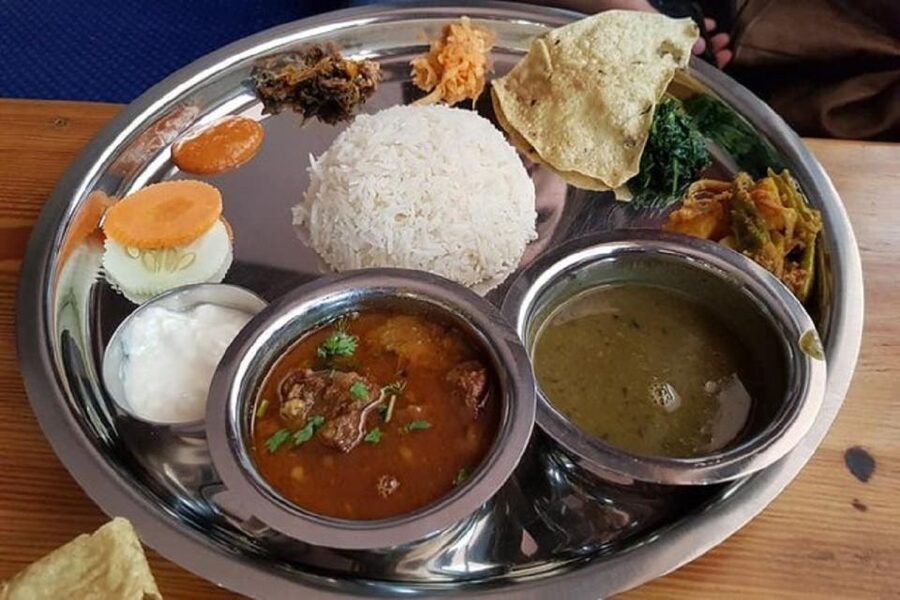
At $28 per person for around 3 hours, the value is mostly about what’s included and how personal the instruction feels.
You get:
- Round-trip transfer from the Pokhara Lakeside area
- A cooking class with a local instructor
- All fresh ingredients and spices
- Hands-on guidance
- The meal you cook
- Drinking water
- A printed or digital recipe to take home
For a short activity, that’s a fair deal because you’re not paying separately for food, ingredients, or instruction. You’re also getting a skill you can repeat at home. A restaurant meal ends when you leave; this ends with a recipe you can actually use.
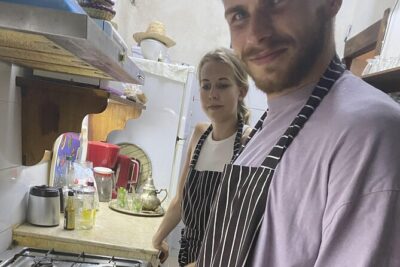
The private group format can also increase value. Even when you’re not in a massive class setting, you get more attention while you’re cooking. Some people described the class as intimate—basically host and a small group—which makes the experience feel less like a production line.
Pickup and Getting There: Make This Smooth, Not Stressful
Transport is included from Lakeside. You’ll be picked up and dropped back to the Lakeside-6 / Lakeside Road area, so you’re not stuck figuring out local transit while hungry and excited.
That said, one caution shows up in the feedback: in at least one case, a taxi tried to hassle for extra services. Your best move is simple: confirm that you’re using the included transfer as planned, keep your focus on the schedule, and don’t feel pressured to add anything extra.
If you want to be extra comfortable, arrive at the pickup point a few minutes early so the exchange feels calm.
Who This Cooking Class Fits Best (and Who Might Want to Skip It)
This experience is a great fit if you:
- want a hands-on Pokhara activity beyond sightseeing
- like learning through doing, not watching
- are curious about Nepalese spices and everyday home cooking
- want a recipe you can recreate later
It’s also a good match for couples and small groups because the private group format often keeps the class relaxed and personal.
You might reconsider if:
- you dislike messy, hands-on activities
- you want a short snack experience (this is a full cooking-and-eating class)
- you’re uncomfortable with transport handled by taxi/transfer in a third-party way
Should You Book It?
I think this is a smart booking for most people in Pokhara who want real culture you can taste, not just photograph. The class has a clear payoff: you learn a well-loved Nepali dish, you eat what you make, and you leave with a recipe—plus the instruction is described as patient and thorough.
Book it if you’re hungry for a practical skill and you like cooking in a home setting. Skip it only if you want something strictly hands-off or you’re very sensitive to transport behavior.
If you do book, come ready to cook, and bring an open mind. Nepalese food rewards patience. And with Sarita guiding the steps, it’s less intimidating than it sounds.
FAQ
How long is the Momos or Dal Bhat cooking class in Pokhara?
It lasts about 3 hours.
Where is the pickup and drop-off?
Pickup and drop-off are from the Pokhara Lakeside area, with options at Lakeside Road, Lakeside-6, Pokhara.
Do I get to choose between Momos and Dal Bhat?
Yes. The class is offered as either Momos or Dal Bhat cooking.
Is the meal included?
Yes. You eat the dish you prepare during the class.
Are ingredients and spices included?
Yes. All fresh ingredients and spices are included.
Do I receive a recipe to take home?
Yes. You get a printed or digital recipe.
What languages are available during the class?
The live guide provides English, Hindi, and Nepali.
Is this a private group experience?
Yes, it’s listed as a private group.
What ID do I need to bring?
You’ll need a passport or ID card. A copy is accepted.
What is the cancellation policy?
Free cancellation is available up to 24 hours in advance for a full refund.