REVIEW · KATHMANDU
Kathmandu: About 3-hour Cooking Class Experience near Thamel
Book on GetYourGuide →Operated by Shepherd Holidays · Bookable on GetYourGuide
Cooking your way through Kathmandu is fun. In a 3-hour class near Thamel run by Shepherd Holidays, you learn classic Nepali dishes hands-on, with teaching from Bikram and Kamal. I especially like the flexibility to choose any three dishes from the menu, and the fact that you finish by eating what you made. One thing to consider: you only cook three dishes, so if you want to sample everything, you’ll have to come back another day (or add extra items where offered).
The setup is simple and friendly. You’ll start with a warm welcome and a complimentary cup of tea or coffee, then you pick your menu, prep fresh ingredients, cook in a traditional kitchen, and finally sit down to enjoy your meal together.
Key takeaways before you go
- Choose any three dishes from a varied Nepali menu so you control the meat/veg balance.
- Dal bhat lessons focus on how to get lentils and rice working together, not just following steps.
- Momo and bara practice gives you the street-food skills behind dumplings and lentil patties.
- Chatamari (Nepali pizza) makes topping logic easy, so you can repeat it later at home.
- Dessert options like yomari and carrot pudding let you finish with something typically Nepali, not generic sweets.
- Instruction in English, Hindi, and Nepali keeps the class relaxed and easy to follow.
In This Review
- Kathmandu Cooking Class Near Thamel: Why This Location Matters
- The 3-Hour Flow: Tea Welcome, Pick Your Menu, Then Cook
- Picking the Right Dishes: How the Menu Lets You Build Your Perfect Nepali Meal
- Dal Bhat Mastery: Lentils and Rice, Explained Like a Real Routine
- Momo Magic and Bara Bliss: Dumpling Folding Plus Lentil Frying
- Momo: Chicken or Veg Dumplings
- Bara: Crispy Outside, Soft Inside
- Chatamari Adventure: Nepali Pizza That’s More Than Just a Name
- Thukpa, Choila, and Other Choices: When the Class Covers More Than One Style
- Thukpa: A Warm Noodle Soup Tradition
- Mushroom choila: Spicy-Marinated Punch
- Sweet Finish: Yomari and Carrot Pudding for a Nepali-Style Dessert
- Price and Value: What $29 Buys You in Real Food Terms
- Who This Cooking Class Fits Best (and Who Might Skip It)
- Practical Tips: Make the Most of Your 3 Hours
- Should You Book This Kathmandu Cooking Class with Shepherd Holidays?
- FAQ
- Where does the cooking class meet?
- How long is the Kathmandu cooking class?
- What does the price include?
- Can I choose which dishes I cook?
- Are there vegetarian options?
- Is pick-up and drop-off included?
- What languages does the instructor speak?
Kathmandu Cooking Class Near Thamel: Why This Location Matters
If you’re already staying around Thamel, this kind of class is a sweet deal. You’re not burning half your day getting to a far-off village kitchen. The meeting point is in the same building as the Shepherd Holidays office, so you can walk over, check in, and get started without a complicated transfer plan.
This matters because food classes work best when you arrive unhurried. You’ll want time to choose dishes calmly, ask questions, and settle into the rhythm of chopping, mixing, and cooking. When the logistics are clean, the lesson feels less like a chore and more like a low-pressure evening activity.
The 3-Hour Flow: Tea Welcome, Pick Your Menu, Then Cook
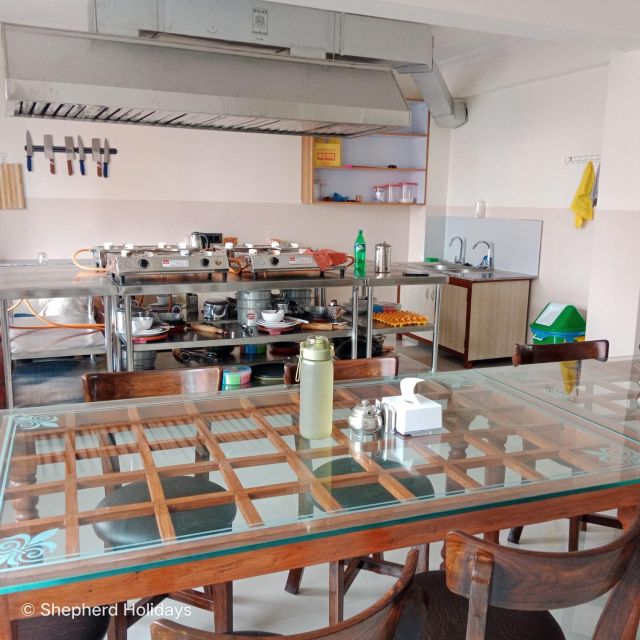
The class runs for three hours, which is just long enough to cover real technique without dragging. When you arrive, you’re greeted with a complimentary cup of tea or coffee. It’s a small touch, but it helps you get comfortable right away, especially if you’re tired from walking around Kathmandu.
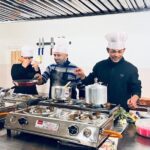
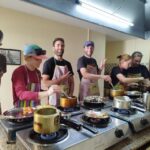
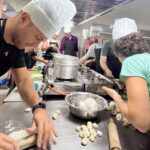
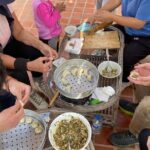
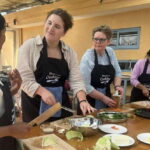
Then comes the part that gives you control: you choose any three dishes from the menu. After that, the kitchen team prepares the ingredients fresh. You’re not watching someone else do everything—you’ll be guided by local chefs and involved in the cooking process with a nearby helper to keep things moving.
At the end, you sit down to eat the dishes you made. That final meal is where the class clicks. You learn faster when you taste what your hands have done, and you get a real sense of how Nepali meals are built—different textures, sauces, and breads working together.
You can also read our reviews of more tours and experiences in Kathmandu.
Picking the Right Dishes: How the Menu Lets You Build Your Perfect Nepali Meal
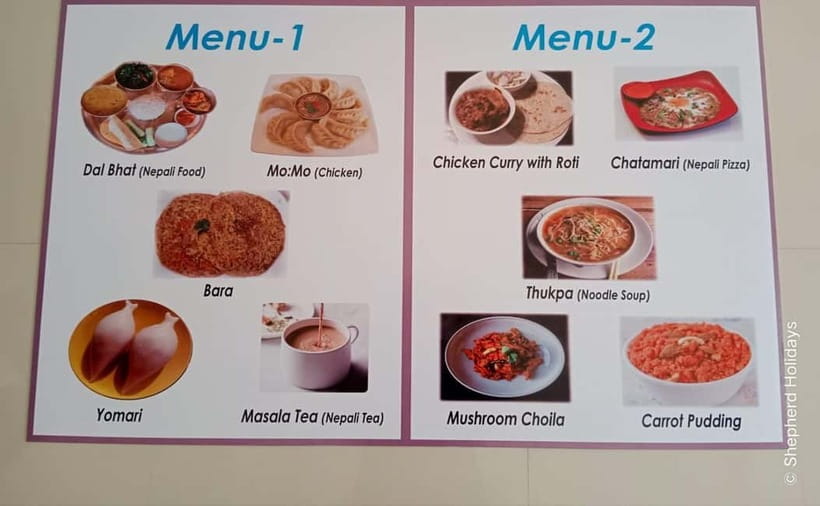
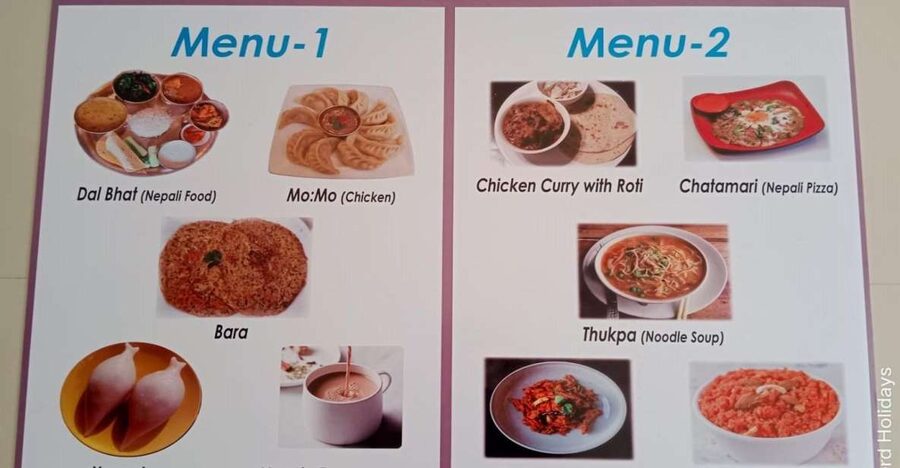
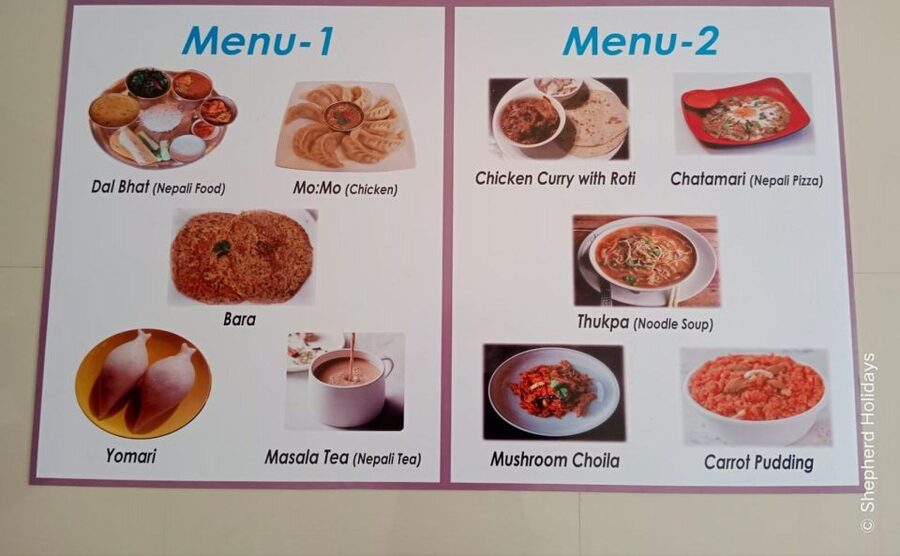
This is one of the most practical parts of the experience: the menu isn’t limited to one style of food. You can shape your cooking day around what you actually want to eat.
Here are the most useful menu options to think about:
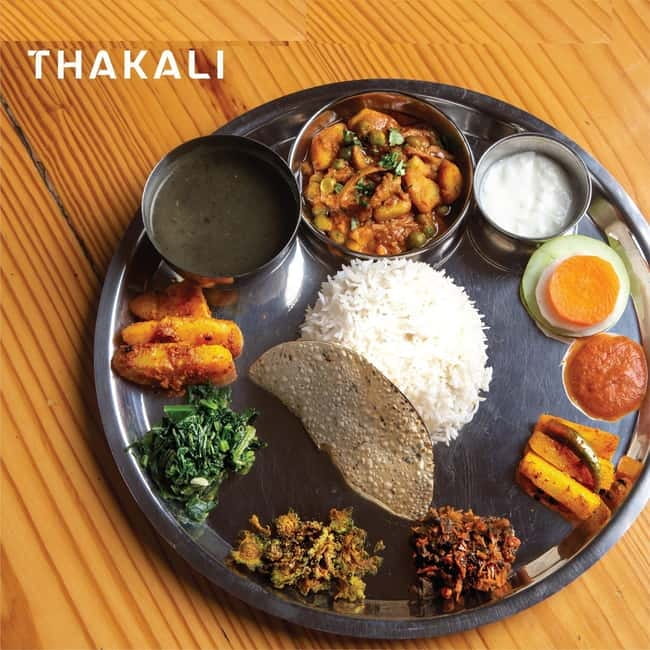
- Dal bhat for a classic Nepali comfort-food base: lentil soup plus rice.
- Momo (chicken or veg) if you want dumpling technique and a satisfying bite.
- Bara if you like lentil flavor and the contrast of crisp outside with a softer center.
- Chatamari if you want the closest thing on the list to a flexible “topping-and-flatbread” method.
- Thukpa if you want warm noodle soup with a different flavor profile.
- Mushroom choila if you like bold seasoning and a more punchy, spicy-leaning dish.
- Yomari or carrot pudding if you want Nepali-style sweetness rather than a generic dessert.
Because you choose only three, you’ll probably get the best result by mixing categories. For example: one main comfort dish (dal bhat), one dumpling or fried item (momo or bara), and one bread or specialty (chatamari). That way your meal feels complete.
Dal Bhat Mastery: Lentils and Rice, Explained Like a Real Routine
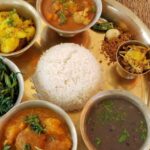
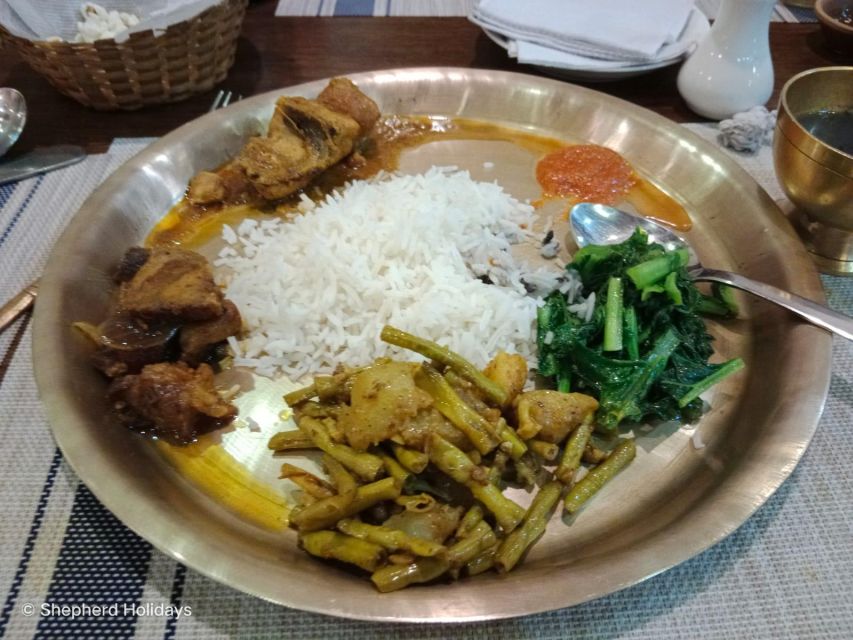
Dal bhat is the kind of dish that looks simple until you try to make it well. In this class, the focus is on the basics that actually matter: the balance between lentils and rice and the way the soup behaves as it simmers.
You’ll learn the mechanics behind a typical Nepali dal bhat plate:
- how lentils come together into a flavorful soup
- how the rice supports the lentils rather than competing with them
- how seasoning affects the final taste and thickness
Even if you’re not a big cook, dal bhat is a great starting point because it teaches you foundational seasoning and simmering instincts. And if you’re traveling in Nepal, it also helps you understand what locals mean when they talk about daily meals. You stop seeing it as just food and start seeing it as a system.
Momo Magic and Bara Bliss: Dumpling Folding Plus Lentil Frying
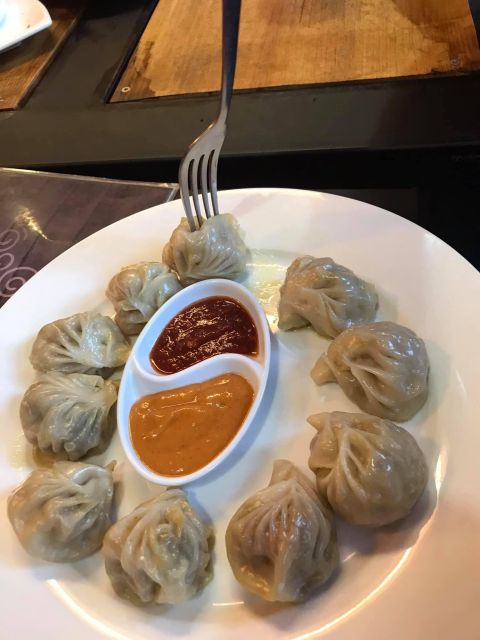
If you want food that feels hands-on from minute one, momos and bara deliver. They’re tactile dishes: shaping, cooking, and then checking texture.
Momo: Chicken or Veg Dumplings
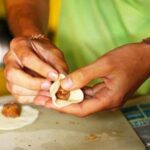
Momos are one of Nepal’s most popular bites, and learning them in class means you’re not just tasting. You’re picking up how fillings are handled and how the wrapper process works.
You can choose chicken or veg momo, which is helpful if you’re traveling with dietary preferences (or if you just want to try both styles over time). Either way, you’ll get a better appreciation for why momos are so satisfying—soft dough, flavorful filling, and a finished texture that stays pleasant even when you eat them slowly.
Bara: Crispy Outside, Soft Inside
Bara is a lentil-based fried snack, and it’s a great contrast dish. The goal isn’t only crispness. It’s that crisp outside with tenderness inside—the texture that makes you keep reaching for another bite.
In class, you’ll understand how the dough batter and frying work together, plus why bara tastes different from other lentil snacks. If dal bhat is daily comfort, bara is street-food energy.
Chatamari Adventure: Nepali Pizza That’s More Than Just a Name
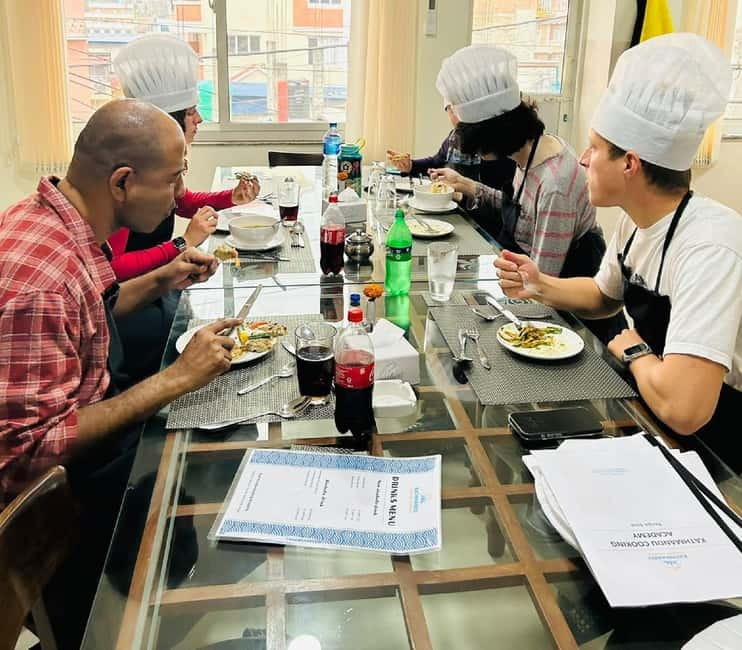
Chatamari is often described as a Nepali pizza, but the real value is the method. You get a template you can remember: a flat base plus topping logic.
You’ll learn how to make chatamari with toppings, and how to think about:
- how the base is prepared
- how toppings are spread so they cook properly
- how the final dish comes out as a warm, savory flatbread style
This is the dish I’d recommend if you love eating in markets and street stalls, because it matches that playful “build-your-own” spirit. And if you’re a home cook, it’s the one that will most likely translate into repeatable experiments after your trip.
Thukpa, Choila, and Other Choices: When the Class Covers More Than One Style
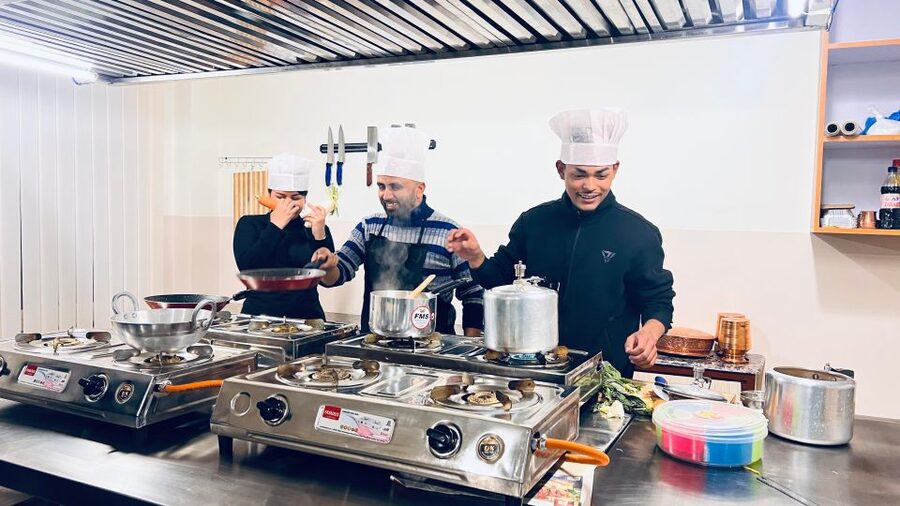
Not every class includes more than one cooking style, but this one gives you options across Nepal’s flavor range.
Thukpa: A Warm Noodle Soup Tradition
Thukpa is a noodle soup with Tibetan origins, and in Nepal it’s widely loved. Learning it helps you compare how Nepali cooking treats warmth and broth—how seasoning works in liquids versus thicker dishes.
If it’s cool or rainy outside, thukpa also gives you a practical reason to pick it. It’s naturally comforting, and it pairs well with the kinds of snacks and breads you may choose alongside it.
Mushroom choila: Spicy-Marinated Punch
Mushroom choila is for people who like seasoning that hits. It’s a marinated mushroom dish with strong flavor from Nepali spices. If you’re choosing only three dishes, adding choila can keep your meal from feeling too uniform.
Sweet Finish: Yomari and Carrot Pudding for a Nepali-Style Dessert
If you’ve only had mainstream desserts while traveling, this is where you level up. The menu includes yomari and carrot pudding—both show Nepali sweets in their own way.
- Yomari is a sweet dumpling filled with jaggery and sesame seeds. It’s not overly complicated, but it carries a distinct flavor profile that’s easy to remember.
- Carrot pudding focuses on balance—how sweetness and softness come together using carrots and classic dessert logic.
Picking dessert here also makes your class feel complete. You’re not just learning savory technique. You’re tasting how Nepal treats sweets: often warm, textured, and spice-adjacent.
Price and Value: What $29 Buys You in Real Food Terms
At $29 per person, this class can be a very reasonable deal, especially because the value isn’t only “you get a meal.” You get a structured cooking session that includes:
- ingredients and all equipment
- instructor plus a helper
- the food and drink prepared during class
That combination is what makes the price feel fair. Cooking classes are expensive when they’re mostly theater. Here, the structure pushes you into doing real work—chopping, stirring, seasoning, and learning technique—then you eat the results.
One note on planning: recipes are available for a small fee. That’s typical for classes like this, but it’s still a smart choice if you want to recreate your favorites at home.
Also, the food quality and cleanliness get positive marks, and the portions are on the larger side. That matters in Kathmandu, where a lot of food adventures can leave you hungry later. Here, you leave satisfied.
Who This Cooking Class Fits Best (and Who Might Skip It)
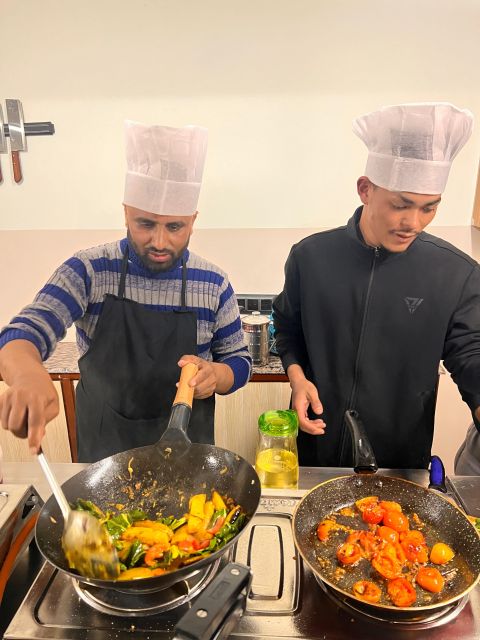
This class is a great fit if you:
- want a hands-on Kathmandu activity that’s not just sightseeing
- like Nepali staples like dal bhat, momos, and fried lentil snacks
- want to take a few practical techniques home, not just a memory photo
It’s also helpful if you travel solo. Smaller group dynamics tend to make it easier to ask questions and get personal help during cooking.
Who might skip it? If you’re chasing a full evening of variety—like five to seven dishes plus lots of extra tasting—this may feel tight because you cook only three. It’s designed for depth, not maximum sampling.
Practical Tips: Make the Most of Your 3 Hours
A few small habits will help you get the most from the time:
- Go in with a plan for your three-dish combo. If you love savory, prioritize one core dish (dal bhat or thukpa), one technique-forward item (momo or bara), and one bread/specialty (chatamari).
- Wear comfortable clothes. You’ll be standing and moving during active cooking.
- If you’re staying outside Thamel, check the pickup and drop-off option. It’s available as an extra charge, and it can save you energy for the rest of your day.
- Expect beverages beyond the complimentary tea or coffee may not be included, so if you like drinks with dinner, plan accordingly.
Should You Book This Kathmandu Cooking Class with Shepherd Holidays?
Yes, I’d book it if you want an easy, near-Thamel way to learn Nepali cooking with real instruction and a full meal at the end. The dish choice system is a big plus: you tailor the day to your taste, including options like chicken or veg momos and savory snacks like bara and mushroom choila. And with teaching from Bikram and Kamal, the class sounds like it keeps its focus on explaining and doing, not just watching.
Skip it if your top priority is sampling a huge number of dishes. You only cook three, so this works best for people who like depth and a teachable routine.
If you’re in Kathmandu and craving more than another meal out, this is one of the smarter ways to turn food into a hands-on Kathmandu memory.
FAQ
Where does the cooking class meet?
The cooking class is located in the same building as the Shepherd Holidays office.
How long is the Kathmandu cooking class?
The class lasts 3 hours.
What does the price include?
It includes ingredients and all equipment, the instructor and helper, and the food and drink prepared during the class.
Can I choose which dishes I cook?
Yes. You choose any three dishes from the available menu.
Are there vegetarian options?
Yes. The menu includes options like veg momo, and it also lists other non-meat dishes such as mushroom choila and desserts.
Is pick-up and drop-off included?
Pick-up and drop-off are not included, but they are available for an extra charge (with an add-on option when booking if you’re staying outside Thamel).
What languages does the instructor speak?
The instructor speaks English, Hindi, and Nepali.