REVIEW · CHIANG MAI
Private Half-Day Thai Cooking Class in Chiang Mai
Book on Viator →Operated by Air's Thai Culinary Kitchen · Bookable on Viator
Shopping for dinner in Chiang Mai teaches you faster. This half-day experience pairs a local market walk at Siriwattana Market with cooking instruction from Mr Chanrat Air Karatna, in a small group that keeps things personal and practical. I like that you’re not just tasting Thai food, you’re learning how the ingredients work together from the ground up.
The best part for me is the hands-on format. You’ll work at your own station in an open-air kitchen, then cook dishes your group chooses from classics like Phad Thai and Green Curry, instead of watching someone else do all the work.
One thing to consider: it’s a 4-hour, mostly active class built around market walking and cooking. If you’re not feeling up for hands-on kitchen time (or long standing), you might prefer a more relaxed food tour.
In This Review
- Key Points Worth Booking
- Market First: How Siriwattana Sets Up Thai Flavor
- Meet Mr Chanrat Air Karatna: What a Small Group Changes
- The Cooking Portion: From Demo to Your Own Dishes
- Dishes You Can Choose: Why These Classics Teach More
- Lunch Included: Eating What You Just Made
- Value and Price: Does $126.47 Make Sense?
- Timing in Real Life: Four Hours and Your Chiang Mai Day
- Who Should Book This Thai Cooking Class
- Should You Book Air’s Thai Culinary Kitchen in Chiang Mai?
- FAQ
- How long is the Private Half-Day Thai Cooking Class in Chiang Mai?
- Is hotel pickup and drop-off included?
- Where does the market visit take place?
- How many people are in the group?
- What dishes will I learn to cook?
- Is there a vegetarian option?
- Is lunch included?
- What drinks are included?
- What is the cancellation policy?
Key Points Worth Booking
- Siriwattana Market ingredient hunt: You shop for the building blocks of Thai flavor with a chef-guide, not a generic tour script.
- Mr Chanrat Air Karatna’s small-group attention: Limited to six people so questions don’t get lost.
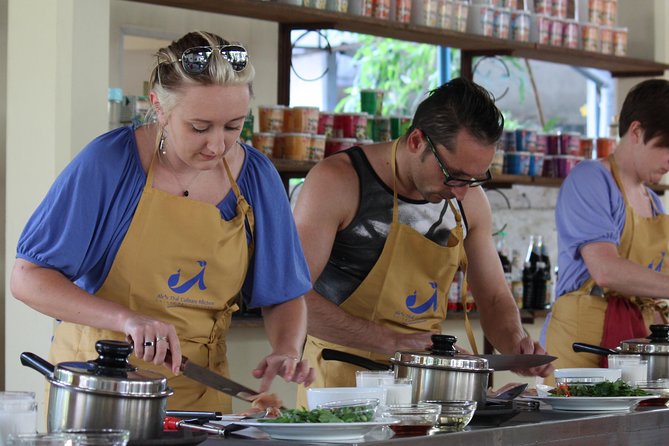
- Your own cooking station in an open-air kitchen: You cook, you taste, you adjust.
- Thai menu choices you can tailor: Popular picks include Phad Thai, Tom Yum Goong, Green Curry, and Sticky Rice with Mango.
- Lunch is part of the lesson: You eat what you made, right after you finish cooking.
- Take-home recipes plus cookbook: You’re leaving with tools to recreate dishes at home.
Market First: How Siriwattana Sets Up Thai Flavor
A Thai cooking class gets real when you start with ingredients, not recipes. Here, you begin with pickup from your Chiang Mai hotel around 8:30am, then head to Siriwattana Market for about a one-hour walking visit. That timing matters because you’re shopping with your class in mind, so you can connect what you see at the stalls to what you’ll cook later.
Siriwattana Market is the kind of place where herbs, vegetables, and fruit are all right there in front of you, and the smells are part of the lesson. Your chef-guide points out ingredients that often get glossed over on restaurant menus. You’ll talk through the menu your group will cook, then buy what you need together.
This approach is valuable for two reasons. First, Thai cuisine depends heavily on balancing flavors like sweet, sour, salty, and heat—so understanding ingredients early helps you cook with intention. Second, market shopping teaches you how to select ingredients in a practical way, like choosing the right vegetables or herbs for the dish your instructor is steering you toward.
You can also read our reviews of more tours and experiences in Chiang Mai.
Meet Mr Chanrat Air Karatna: What a Small Group Changes
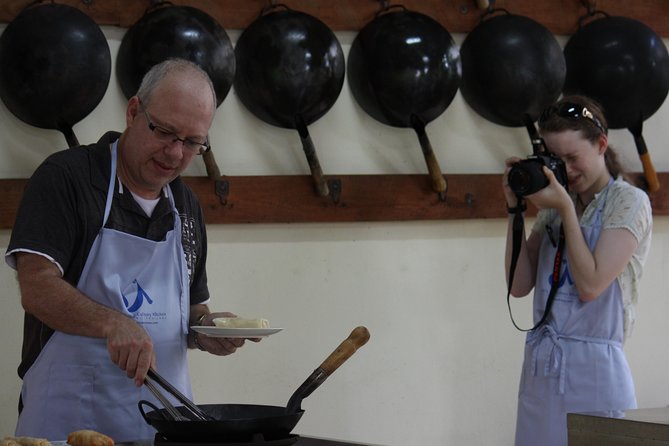
The class is tied to Air’s Thai Culinary Kitchen, and you meet Mr Chanrat Air Karatna after the market stop. The group stays small—no more than six people—so your guide can spend time with you instead of rotating attention every few minutes.
That’s not a luxury detail; it’s a cooking advantage. Thai dishes can turn fast. A sauce might need tweaking, a stir-fry might require different timing, or a curry paste may need adjustment. In a larger class, you’d lose precious chances to ask questions. In this setup, you can actually get guidance while you’re cooking.
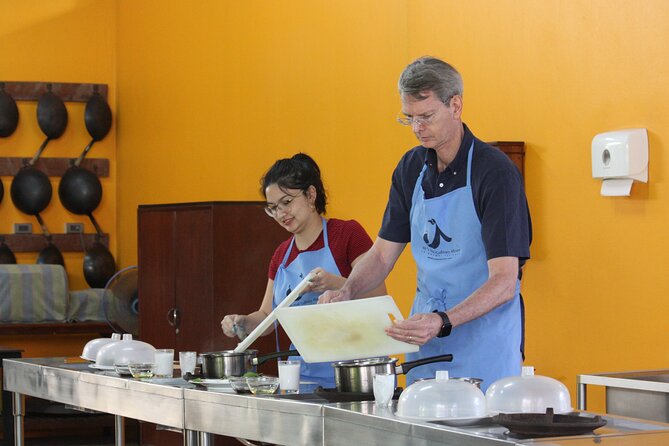
You also get a structured rhythm: a short instructor demonstration, then you take over at your individual station in the open-air kitchen. When you’re learning something new, a clear start helps—watch one round, then repeat with feedback while you’re doing the work.
The Cooking Portion: From Demo to Your Own Dishes
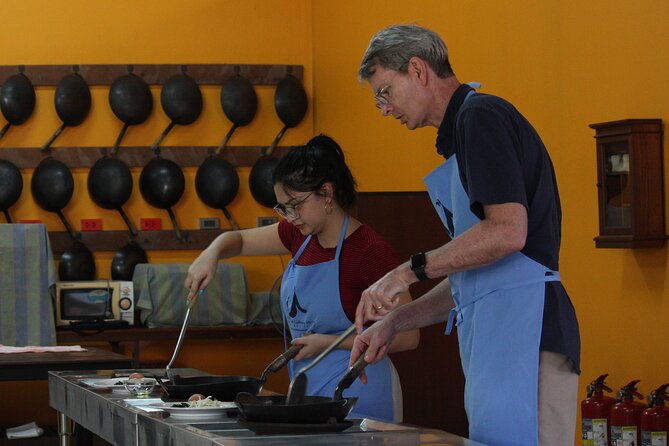
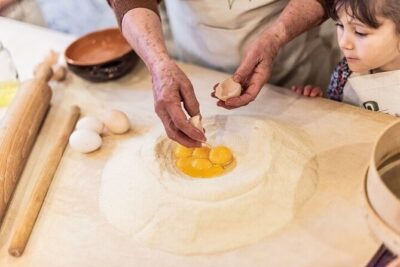
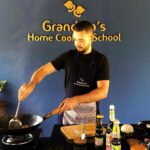
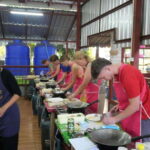
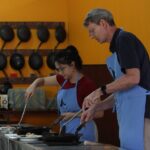
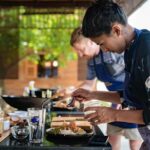
After the market visit and ingredient purchases, you move to the nearby cooking school. You’ll be assigned an individual cooking station in the open-air kitchen, which keeps the lesson hands-on. You watch a demonstration from the instructor, then start creating dishes with your own ingredients and your own hands-on progress.
The exact menu can vary, but popular dish options include:
- Tom Yum Goong (hot and sour prawn soup)
- Gaeng Khiew Waan Gai (green curry with chicken)
- Phad Thai (Thai-style fried rice noodles)
- Fried rice noodles
- Sweet and Sour soup
- Sticky Rice with Mango
What I like about this menu range is that it covers different Thai flavor styles. You’re not just learning one technique. You’ll get experience with sour-and-spicy soup flavors, creamy curry paste-based cooking, stir-fry noodle methods, and the sweet finish that makes Thai desserts so memorable.
If you have dietary needs, you’ll want to speak up during booking. A vegetarian option is available, and you’re asked to advise specific dietary requirements in advance. That’s important, because Thai cooking is ingredient-driven, and substitutions work best when the kitchen knows your needs ahead of time.
Dishes You Can Choose: Why These Classics Teach More
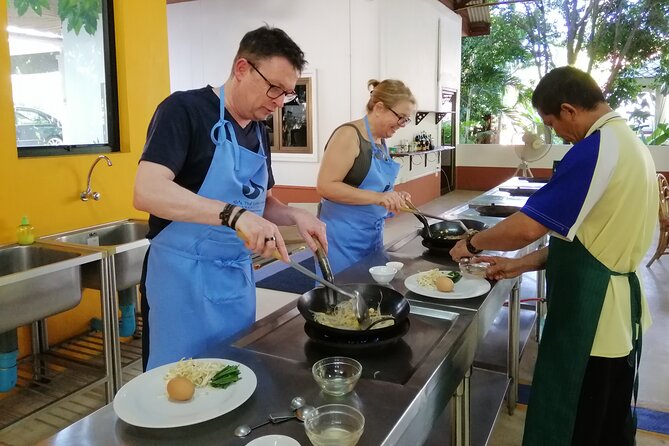
This class gives you options, and the dishes listed are smart choices for learning Thai cooking fundamentals. Phad Thai teaches noodle timing and sauce balance. Green curry teaches curry base and how coconut and spice interact. Tom Yum Goong gives you the sour-heat balance that makes Thai soups so addictive in the first place.
A practical bonus: you’ll do more than one dish. That matters because Thai meals are usually built in layers. Even when the course order differs, you’ll learn how different dishes handle flavor balance, texture, and heat.
And because the menu is discussed with your group before shopping, you’re cooking what you actually want. That’s a better feeling than being handed a fixed menu that doesn’t match your tastes.
Lunch Included: Eating What You Just Made
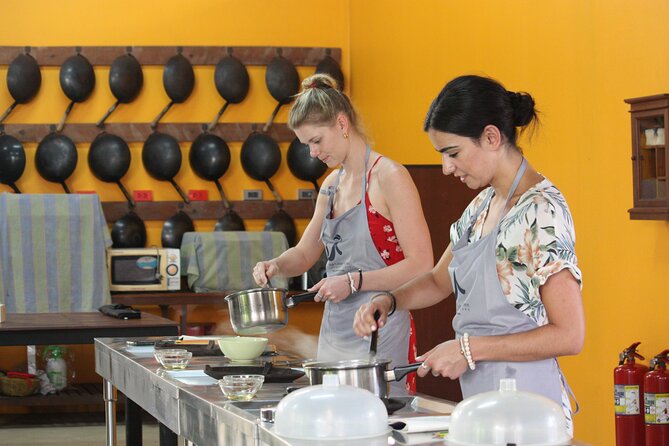
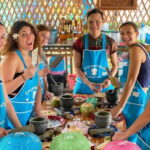
Once you finish cooking, you sit down for lunch. This is not a quick snack between activities. It’s a full meal break that lets you taste your food while it’s still fresh from the lesson.
I like that the meal is part of the experience flow. You learn a technique, you apply it, and then you immediately taste the result. If something is off—too salty, too spicy, not enough sour—you understand what likely caused it. That feedback loop sticks better than any written recipe.
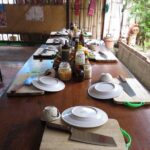
Also, lunch is included in the price, and you’ll have bottled water plus tea and coffee as part of the class. Soda and alcohol aren’t included, but they can be purchased separately, so you can keep things simple if you’re trying to control the budget.



Value and Price: Does $126.47 Make Sense?
At $126.47 per person for about four hours, this class isn’t the cheapest way to eat Thai food in Chiang Mai. But it can be strong value because you’re paying for a mix that usually costs more separately: market time, chef instruction, all ingredients, lunch, pickup/drop-off, and a take-home cookbook.
Hotel pickup and drop-off are included for city hotels, which saves time and reduces stress—especially if your day is busy. All ingredients are included too, so you’re not guessing what you’ll pay for spices, proteins, and produce. And you’re not leaving empty-handed: you get a cookbook plus take-away recipes, which is where “tour value” often turns into real-world use.
What you don’t get is also clear: soda/pop, alcoholic drinks, and tips aren’t included. Tips are optional. If you’re trying to keep costs predictable, plan for water/tea/coffee during the class, then budget for anything extra you buy.
The other value angle is the small group size. A limited-to-six class means you’re not sharing station time or instruction time with a crowd. For a cooking class, that can matter more than saving a few dollars.
Timing in Real Life: Four Hours and Your Chiang Mai Day
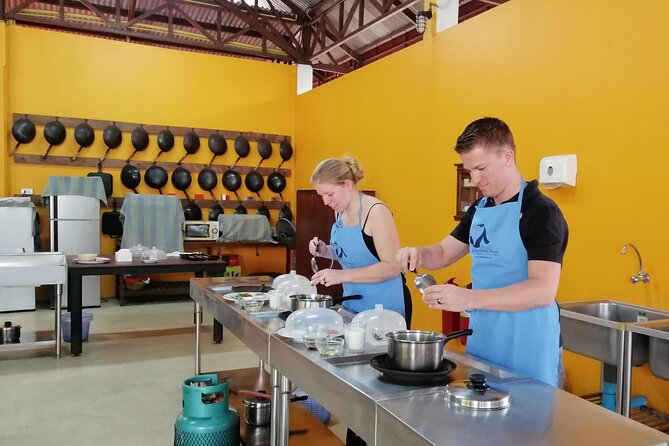
This is a half-day experience that runs about 4 hours. Your pickup is around 8:30am, then the market walk takes about an hour. After that, you cook at the school, eat lunch, and wrap up with a return transfer back to your hotel.
That structure is ideal if you want something hands-on without losing most of your day. You can still plan afternoon sightseeing afterward, or even rest a bit if you’re heat-sensitive. Just remember it’s an active morning: market walking plus cooking means time on your feet.
Also, the meeting point is Siriwattana Market (193 Thanon Changhuak, Tambon Chang Phueak, Mueang Chiang Mai 50300, Thailand). The activity ends back at the meeting point, but pickup/drop-off is described as included for city hotels, so in practice you’re likely being transported throughout the experience.
Who Should Book This Thai Cooking Class
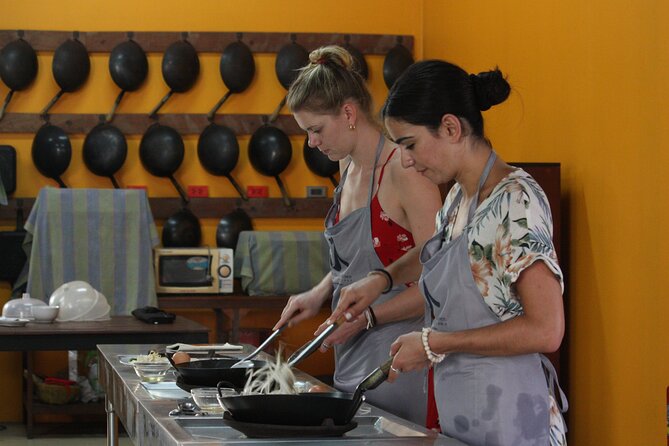
This class fits best if you want more than a food tasting. If you like learning why Thai flavors work—how sour balances spicy, how curry paste becomes something creamy, how noodle sauces cling—you’ll probably enjoy it.
It also makes sense for:
- Couples who want a guided morning activity with real skills
- Families who want a structured, supervised kitchen experience
- Food lovers who prefer hands-on learning over samples
There’s a vegetarian option, and children must be accompanied by an adult. If a child shares a station with a parent, children are complimentary and cook when sharing the station.
If your goal is strictly street-food wandering with lots of roaming stops, you might feel this is more “cooking class” than “pure food tour.” But if your goal is Thai cooking skills you can repeat at home, the format is built for that.
Should You Book Air’s Thai Culinary Kitchen in Chiang Mai?
I’d book this if you want a guided, small-group Chiang Mai Thai cooking class that starts at the market and ends with lunch and take-home recipes. The market ingredient shopping plus the hands-on kitchen work gives you a complete learning arc, and the limited group size means you’re more likely to get direct attention while you’re cooking.
I’d skip it if you hate markets, dislike cooking in a shared classroom kitchen, or want a fully relaxed sit-and-sample experience. It’s designed for making, not only for tasting.
If that sounds like your travel style, this is a solid choice—and one that’s easier to value than many “see and eat” tours because you leave with both a cookbook and recipes you can use later.
FAQ
How long is the Private Half-Day Thai Cooking Class in Chiang Mai?
It lasts about 4 hours.
Is hotel pickup and drop-off included?
Yes. Pickup & drop-off are included for city hotel only.
Where does the market visit take place?
The market visit is at Siriwattana Market (193 Thanon Changhuak, Tambon Chang Phueak, Mueang Chang Wat Chiang Mai 50300, Thailand).
How many people are in the group?
The group is limited to six people, and it’s described as private so only your group participates.
What dishes will I learn to cook?
Popular options include Tom Yum Goong, Green Curry with chicken, Phad Thai, fried rice noodles, Sweet and Sour soup, and Sticky Rice with Mango.
Is there a vegetarian option?
Yes. A vegetarian option is available if you advise at the time of booking.
Is lunch included?
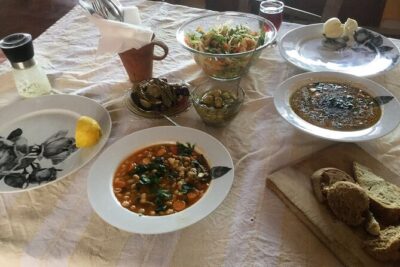
Yes. Lunch is included, and it’s the homemade meal after cooking.
What drinks are included?
Bottled water, tea, and coffee are included. Soda/pop and alcoholic drinks are not included and can be purchased.
What is the cancellation policy?
Free cancellation is available. You can cancel up to 24 hours in advance for a full refund. If you cancel less than 24 hours before the experience starts, you won’t get a refund.