REVIEW · HOI AN
Vietnamese Cooking Class in Historical Hoi An Restaurant
Book on Viator →Operated by Green Mango · Bookable on Viator
Vietnamese flavors hit differently in an ancient town kitchen. This Vietnamese cooking class in historical Hoi An runs in a 180-year-old, heritage-listed building, so the vibe feels special without being staged. I like that it is taught by chefs focused on how Vietnamese cooking works at home, not just which dish to make, and I also like the practical bonus of a digital recipe book emailed after class.
The flow is active and timed, so if you want slower, extra-deep explanations every step of the way, keep that in mind. One note from past diners: some sessions can feel very fast and you may want more “why this matters” talk for certain techniques.
In This Review
- Key highlights you will feel right away
- Hoi An’s heritage-listed kitchen school: the setting and the pace
- Pick your menu: Essentials, Balancing Act, Street Eats, Hanoi Streets, Veggie Eats
- How chef teaching translates to real home cooking
- Before you cook: ingredients, prep, and the “why”
- Optional market add-on: shop with Vietnamese food logic
- Dinner included: the payoff of eating your own five-course work
- Price and value: is $33 a smart spend?
- Who should book this cooking class in Hoi An?
- Quick practical tips before you go
- Should you book this Vietnamese cooking class?
- FAQ
- Where does the class start in Hoi An?
- What is the duration of the Vietnamese cooking class?
- How much does it cost?
- What menu options are available?
- Is the market visit included?
- Are alcoholic drinks included?
- Can I cancel for a full refund?
Key highlights you will feel right away
- Historic Hoi An classroom in a heritage-listed 180-year-old building in the old town center
- Five-course menus that match different sides of Vietnamese cuisine, from street eats to veggie options
- Chef-led technique and ingredient know-how, designed for your home kitchen
- Sit-down meal included, so you taste what you cook instead of leaving with only recipes
- Optional market add-on if you want to shop with the same eyes locals use
Hoi An’s heritage-listed kitchen school: the setting and the pace
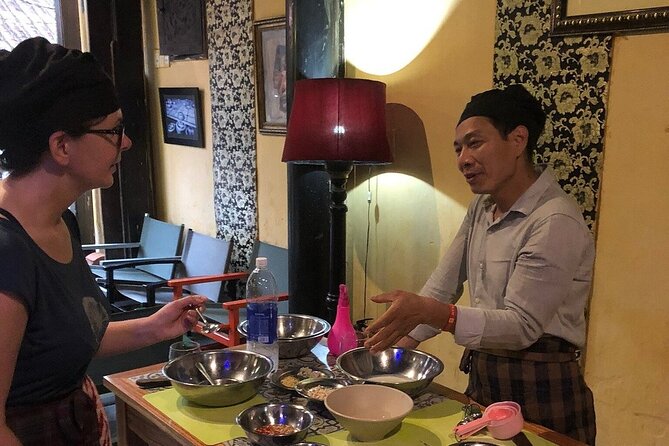
You start in the old town area, at Green Mango Restaurant (54 Nguyễn Thái Học, Phường, Hội An). From there, the experience returns to the same meeting point at the end, which makes the logistics easy after a long day of walking.
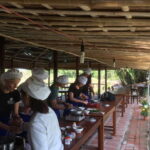
What you’re stepping into matters. This cooking school is housed in a heritage-listed building dating back about 180 years, right in the heart of Hoi An’s ancient town. That gives the class a grounded feel. You are not just watching someone cook; you are cooking in the kind of space where food culture is part of everyday life.
The class runs about 3 hours. For many people, that is the sweet spot: enough time to learn technique, build a plate, and still enjoy dinner without feeling like you are trapped in a long workshop. The slight catch is speed. Based on feedback, some instructors keep momentum high, so you will want to ask questions if you are the type who learns best through slow, detailed explanations.
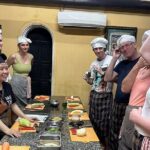
Also, it’s a private setup, meaning it is only your group. That can make it easier to hear instructions clearly and to get quick answers without competing with a larger crowd.
You can also read our reviews of more tours and experiences in Hoi An.

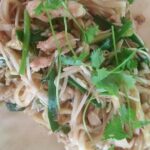

Pick your menu: Essentials, Balancing Act, Street Eats, Hanoi Streets, Veggie Eats
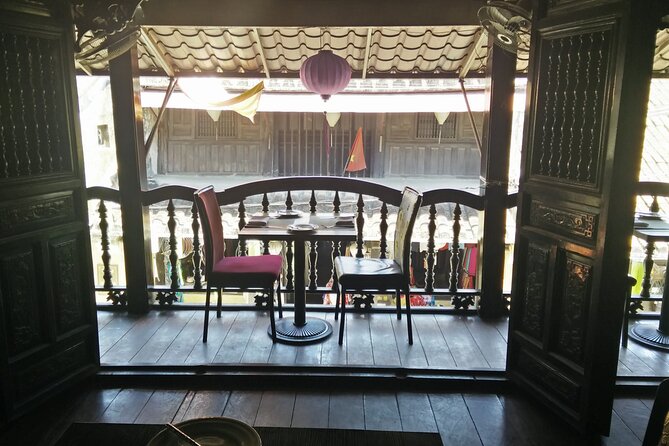
The biggest decision point before you go is the menu choice. You get to select from five different five-course menus, each representing a different angle of Vietnamese food and culture. The default option is called The Essentials, which is the one to choose if you want the broad foundation of Vietnamese flavors rather than a niche theme.
Here is how to think about the menu names, so you choose confidently:
- The Essentials: Best if you want the baseline Vietnamese toolkit—flavors, sauces, herbs, and how they work together.
- Balancing Act: A good fit if you like the idea of Vietnamese cooking as harmony—sweet, sour, salty, and fresh kept in balance.
- Street Eats: Great for comfort-food energy and foods that feel approachable and familiar, even if you are new to Vietnamese cuisine.
- Hanoi Streets: If you are curious about Northern influence, this menu is designed to reflect that side of the country’s cooking style.
- Veggie Eats: The option for vegetarians (and anyone who just wants to focus on plants and herbs) while still staying in the Vietnamese flavor language.
You can tell this class is built to teach more than one set recipe steps. Five courses means you usually cover multiple techniques and flavor combinations, so you do not just learn how to make one dish. You learn how ingredients behave across a meal.
If you are doing this as your first Vietnamese cooking class, I would stick with The Essentials. It gives you the widest “why this works” foundation, which makes it easier to cook Vietnamese food at home later.
How chef teaching translates to real home cooking
This is not only about memorizing steps. The school’s whole promise is that you learn tips and tricks for preparing Vietnamese dishes in your home kitchen. That matters, because Vietnamese food is ingredient-driven and timing-sensitive. If you only get the recipe but not the logic behind it, it is easy to end up with something that tastes close but not right.
The program also highlights the importance of essential ingredients and why they matter. You are meant to understand what role each herb, sauce, or pantry staple plays in the final flavor. That is the difference between “I can follow steps” and “I can actually cook this again.”
Chef credibility is part of the pitch. The school notes that Head Chef Hai Nguyen is renowned in Vietnam for a creative and modern approach to traditional dishes. Even if you are not focused on chef names, it signals something important: the instruction is meant to be both respectful of tradition and practical for how modern cooks operate.
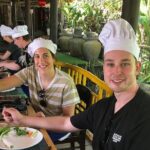
From prior class experiences, instructors have included people like Pinky, Que, and Jam. The consistent theme across those names is personality plus clarity. In particular, people praised friendly, engaging teaching and instruction that made the whole evening feel fun rather than intimidating—especially for those doing their first Asian cooking class.
One more practical note: if you are sensitive to a fast pace, you might prefer a class where you can ask about the purpose of ingredients. Past feedback includes a wish for more explanation on why certain methods or ingredients are used. So if that is your learning style, go in with questions ready, not expectations of a slow lecture.
Before you cook: ingredients, prep, and the “why”
The class itself is held in the cooking school, not out in a market or studio elsewhere. That means you likely spend your time cooking and building dishes in one place rather than constantly moving around.
Even without a minute-by-minute schedule shared here, you can still plan smartly for what the teaching process usually looks like in a five-course format:
- You learn what the core ingredients are and how they show up across dishes.
- You practice key steps that create Vietnamese flavor quickly—things like balancing sauces, handling fresh herbs, and using heat correctly.
- You assemble your dishes as part of a full meal, not as random single items.
The real value is that you are being taught for repeatability. When you cook Vietnamese food at home, you face different ovens, different brands, and sometimes different ingredient freshness. The best classes help you adjust without losing the flavor logic, and this one is clearly designed around that kind of guidance.
If you are new to Vietnamese cooking, the structure can also reduce overwhelm. Five courses might sound like a lot, but the way it is framed—by menus and Vietnamese culinary themes—keeps the meal coherent.
Optional market add-on: shop with Vietnamese food logic
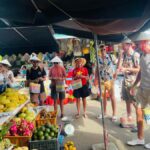
An optional local market visit is offered as an add-on. The key point: it’s optional, so you can choose it based on your energy level and interest in shopping.
If you add it, think of it as the “connect the dots” moment. Markets are where you see ingredient variety and recognize what will actually make a dish taste right. Even if you already eat Vietnamese food, seeing herbs, aromatics, and staples in person can help you understand why they show up again and again.
From the feedback, people who did the market add-on seemed to feel it improved the whole experience, because it tied into the cooking and then the sit-down meal afterward. If you like hands-on food travel, this is the add-on to choose.
If you want to keep things simple and focus on the cooking itself, skip it. You still get the class, the meal, and the digital recipe book. You will still leave with a usable set of instructions.


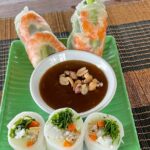
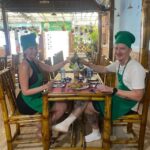
Dinner included: the payoff of eating your own five-course work
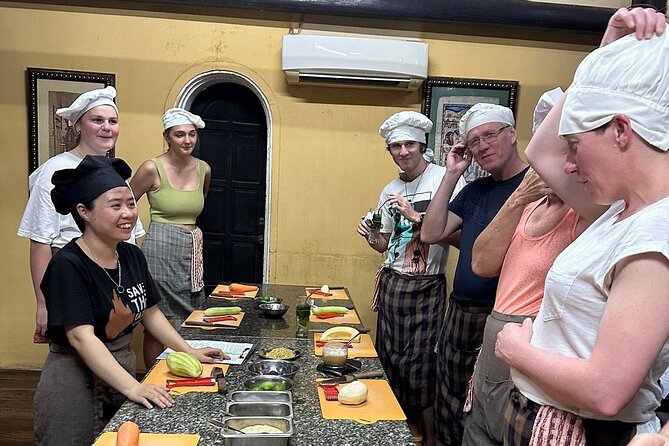
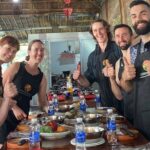
This experience includes dinner, and the structure ends with a sit-down meal where you eat what you prepared. That is more than a nice perk. It’s how you check whether the technique worked.
When you taste your own food in a guided setting, you can connect the instruction to the outcome. You notice what needs more balance, what texture you aimed for, and what herbs or sauces really do for the dish.
Expect the meal to match the course theme of your chosen menu. Five courses means it feels like you ate at a proper Vietnamese restaurant, not just a couple snacks. It also means you are exposed to multiple flavor profiles in one evening, which helps you learn faster.
Also, after class you get a digital recipe book emailed to you. That’s a practical safety net. You can cook later without relying on memory from a rushed or noisy kitchen moment.
Price and value: is $33 a smart spend?
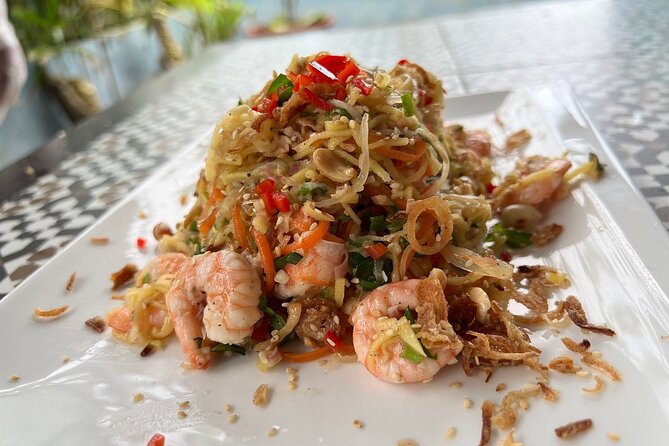
At $33 per person for about 3 hours, this sits in the “mid-range” zone for cooking classes in popular food cities. The question is what you get for the money, not just the number.
Here’s the value breakdown that matters:
- A real sit-down dinner included (you are not just preparing food and taking it away)
- Chef instruction geared toward technique and home-kitchen tips
- A digital recipe book emailed after class (so you can actually cook again)
- A five-course menu structure rather than a single dish workshop
- Private tour format (only your group participates), which can make the teaching feel more personal
- A mobile ticket and group discounts are offered, which can help if you’re booking as a small group
The one item not included is alcoholic beverages. The school does have a cocktail bar open, with drinks from 40,000vnd to 200,000vnd. If you plan to drink, budget separately. If you skip alcohol, the $33 is easier to treat as a straightforward “class + dinner + recipes” deal.
Based on the strong recommendation rate—97% recommend and an overall 4.8 rating from 58 reviews—most people think the experience is worth it. The main complaint isn’t about food quality; it is about pace and wanting more explanation in certain moments. If that sounds like you, plan to ask questions during prep.
Who should book this cooking class in Hoi An?
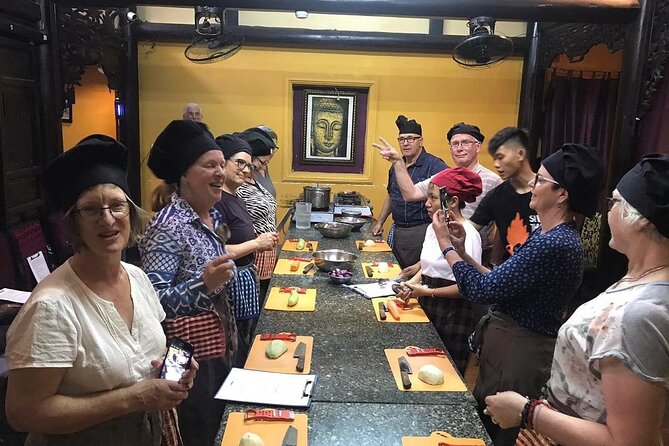
This class is a great match if you want Vietnamese food you can repeat at home. You’ll likely enjoy it if you like learning by doing and if you care about ingredient logic, not just following steps.
It’s also a good choice if you are traveling as a small group and want a more personal experience. The private format means you are not juggling a huge crowd, and that makes it easier to get help while cooking.
Pick Veggie Eats if you eat vegetarian and still want a full Vietnamese-style meal taught through technique. Choose Street Eats or Hanoi Streets if you want a theme beyond the basic “one classic dish” approach.
When to consider skipping: if you strongly prefer slow teaching with lots of background for every step, you may find the class runs brisk. That doesn’t mean it’s low quality; it just means you should come ready to ask why, especially around seasoning choices and technique.
Finally, this experience requires good weather. The class itself is indoor in a cooking school, but the broader activity can be affected by weather conditions. If you are scheduling tight days in Hoi An, keep at least some flexibility.
Quick practical tips before you go
- Decide your menu in advance. If you are unsure, choose The Essentials for the widest foundation.
- Bring questions. If you learn best with explanations, ask why ingredients and methods matter as you go.
- Expect a fast-moving class. Wear comfortable clothes and shoes you can stand in for the meal prep.
- If you’re offered the optional market visit, choose it based on your interest in shopping and ingredient variety rather than thinking of it as a must-do checklist item.
Should you book this Vietnamese cooking class?
If you want a hands-on Vietnamese cooking experience in Hoi An that includes dinner and a digital recipe book, this is a solid bet. The combination of a heritage-listed setting, five-course menus, chef-led technique, and the chance to actually eat your work makes it feel like more than a short demo.
Book it if you want practical learn-to-cook value and you like structured meals. Skip or reconsider if you need extremely detailed, slow explanations and you dislike a brisk pace.
If you do book, choose your menu thoughtfully and show up ready to participate. That is how you turn a fun night into meals you can cook again back home.
FAQ
Where does the class start in Hoi An?
You start at Green Mango Restaurant, located at 54 Nguyễn Thái Học, Phường, Hội An, Quảng Nam 563800, Vietnam. The experience ends back at the meeting point.
What is the duration of the Vietnamese cooking class?
The class lasts about 3 hours (approx.).
How much does it cost?
It costs $33.00 per person.
What menu options are available?
You can choose from five five-course menus: The Essentials, Balancing Act, Street Eats, Hanoi Streets, and Veggie Eats. The default choice is The Essentials.
Is the market visit included?
A visit to the local market is an optional add-on, not included in every class by default.
Are alcoholic drinks included?
No. Alcoholic beverages are not included. There is a cocktail bar available, with drinks listed from 40,000vnd to 200,000vnd.
Can I cancel for a full refund?
Yes. You can cancel for a full refund if you cancel at least 24 hours in advance of the experience start time. If it is canceled due to poor weather, you’ll be offered a different date or a full refund.