REVIEW · ATHENS
Cooking Class in Athens: Learn the Art of Phyllo with Christina
Book on Viator →Operated by Traveling Spoon · Bookable on Viator
Phyllo becomes personal in Athens. In Christina’s kitchen you’ll learn the art of Greek phyllo step by step, then eat the spanakopita you made at a shared table. I love how private pacing keeps things unhurried, and I also like the option to add a short market walk so you understand the ingredients before you touch the dough.
One heads-up: Christina’s neighborhood is hilly, so if you choose the market tour, wear comfortable shoes and expect some uphill walking.
In This Review
- Key things that make this Athens phyllo class worth it
- Christina’s kitchen in Athens: warm teaching, real Greek pie-making
- From flour and water to paper-thin sheets
- Spanakopita filling: seasonal greens and Greek cheeses
- The full cooking flow: what your 3.5 hours actually feel like
- What you’ll eat: spanakopita plus a plated Greek table
- Optional 1-hour market tour: ingredients before the dough
- Meeting point and logistics that actually matter
- Price and value: what $185 buys you (and what it avoids)
- Who should book Christina’s phyllo class
- FAQ
- FAQ
- Is this cooking class private?
- How long is the experience?
- Do I get lunch or dinner options?
- What do we cook?
- Is there food included, or is it just the cooking lesson?
- Is there a vegetarian option?
- What’s the optional market tour?
- Can I cancel for a full refund?
- Should you book Christina’s Athens phyllo class?
Key things that make this Athens phyllo class worth it
- Paper-thin phyllo taught from scratch using flour and water
- Private, hands-on instruction so you move at your group’s pace
- Spanakopita focus with seasonal greens and Greek cheeses
- A real meal included with wine/tsipouro and dessert
- Optional 1-hour market tour to meet key ingredients in the real food world
- Printed recipes to take home so you can repeat it later
Christina’s kitchen in Athens: warm teaching, real Greek pie-making
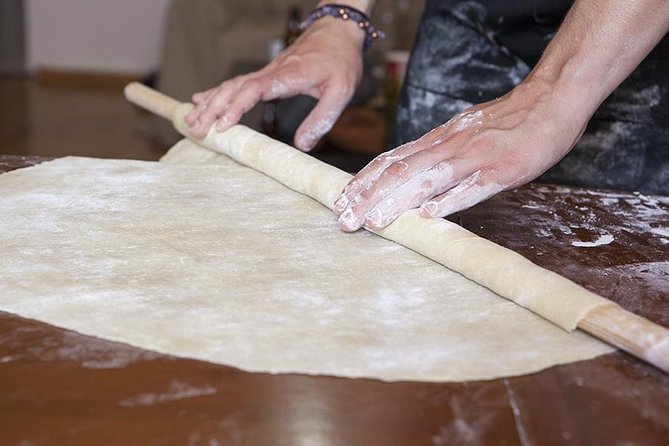
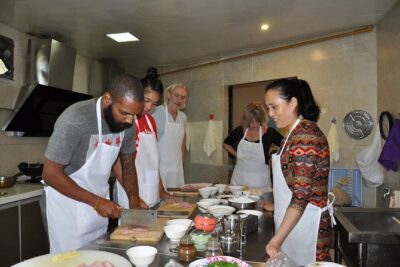
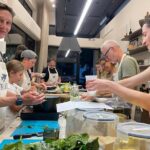
This isn’t a demo where you watch from the sidelines. You go into Christina’s welcoming apartment kitchen and learn the centuries-old Greek approach to pie-making, where the dough matters as much as the filling. If you’re the type who likes food with technique, this class fits you.
You’ll start with a traditional Greek coffee, then Christina guides you through the phyllo process. The tone is friendly and patient, and the lessons happen at a human pace. That matters in Athens, where you’re usually walking all day—here you get to slow down and actually learn something.
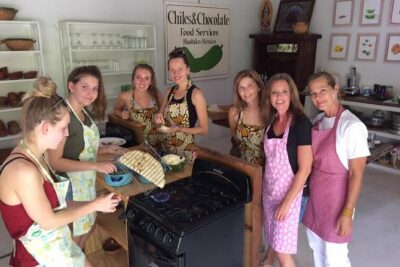
Since it’s private, only your group participates. That means questions don’t get swallowed by a crowd, and the teacher can correct how your hands roll, layer, and handle the dough.
You can also read our reviews of more tours and experiences in Athens.

From flour and water to paper-thin sheets
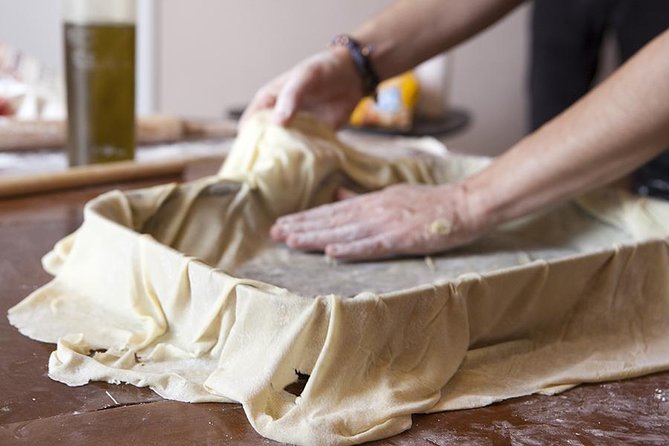
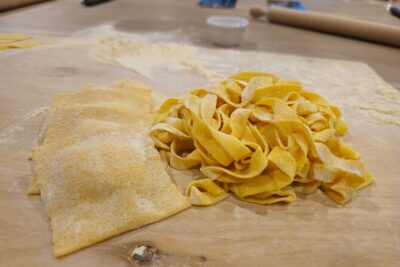
The core skill here is phyllo: the delicate, paper-thin dough that forms the flaky crust of Greek savory pies. Christina has you start from scratch, so you’re not just assembling a pie—you’re building the foundation.
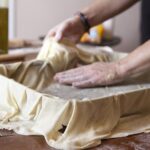
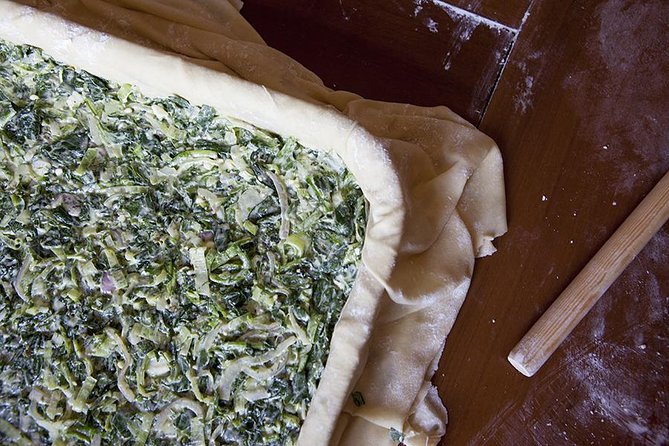
You’ll learn the technique for rolling and stretching the dough into thin sheets, then layering it properly in the pan. One useful detail: Christina teaches how to manage moisture so the crust doesn’t turn soggy. In practice, that can mean slicing the pie so moisture can escape, plus adding a bit of water on top to help with the final finish. Small actions like that make a difference between phyllo that flakes and phyllo that feels heavy.
I like that you’re taught the reasoning, not just the steps. When you understand what you’re trying to control—dryness, steam, texture—you’ll have an easier time recreating the result later.
And yes, you’ll get printed recipes at the end. That’s your cheat sheet for making spanakopita again at home when your memory starts to fade and your phyllo confidence grows.
Spanakopita filling: seasonal greens and Greek cheeses
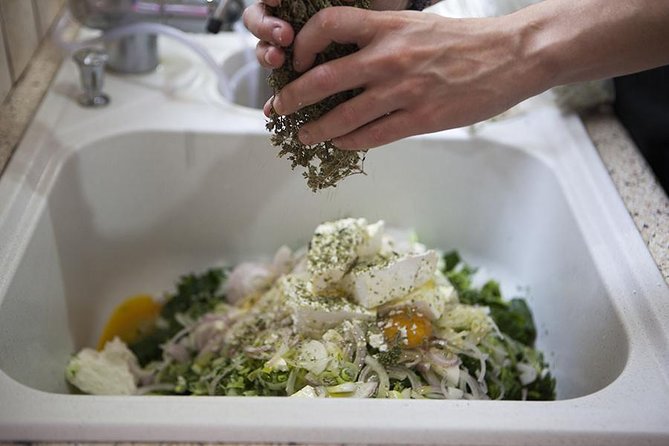
After dough, the class pivots to what makes spanakopita taste like Greece. You’ll craft a filling using seasonal ingredients such as wild spinach and local greens, plus Greek cheeses. The lesson includes prepping and building the filling so it works inside phyllo—not just as a mix you’d eat with a spoon.
Christina’s approach is very hands-on. You’ll be doing real prep steps as part of the group, not hovering. If you’ve ever wondered what sets authentic spanakopita apart, it’s usually the balance of greens, cheese, seasoning, and moisture control. This class helps you understand that balance while you’re actually making the filling.
Vegetarians should know there’s a vegetarian option available. You’ll want to flag any dietary requirements when you book so Christina can plan the menu around you.
The full cooking flow: what your 3.5 hours actually feel like
Even though the total duration is listed at about 3 hours 30 minutes, the cooking portion is about two hours. Then you sit down to a shared meal that includes what you made, plus extra seasonal dishes Christina has prepared.
That timing rhythm is nice. You get focused kitchen time to learn the phyllo and filling steps, then you shift into eating mode without racing out the door. It feels like a workshop and a dinner party merged into one.
If you’re trying to fit Athens into an itinerary packed with ruins and museums, pick either the lunch or dinner time slot that best matches your day. The class is designed to slot into your schedule rather than forcing you into one strict timing.
What you’ll eat: spanakopita plus a plated Greek table
The meal part is a big reason this class is such good value. You’re not just “snacking on your project.” You get a broader spread of Greek dishes, including favorites like baked feta and bean-and-herb salads.
Here’s the sample menu you can expect at the table:
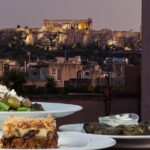
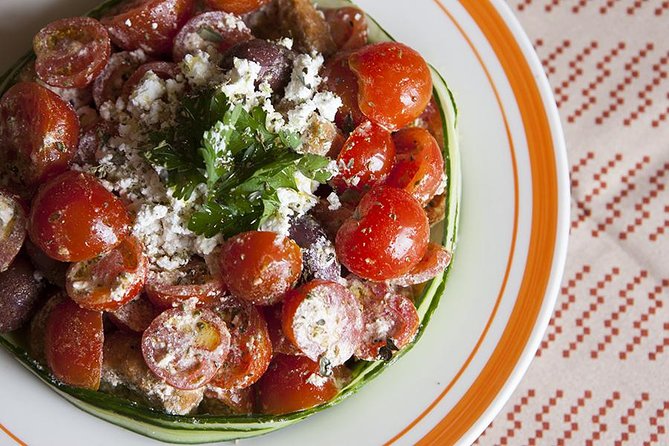
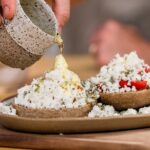
- Starters: Graviera with dried figs; bouyiourdi (baked feta with tomato and spicy peppers); fakosalata (lentil salad with marinated anchovies, cherry tomatoes, mint); dakos (salad with rusks, tomatoes, olives, katiki soft cheese); dolmades (stuffed vine leaves with rice and herbs)
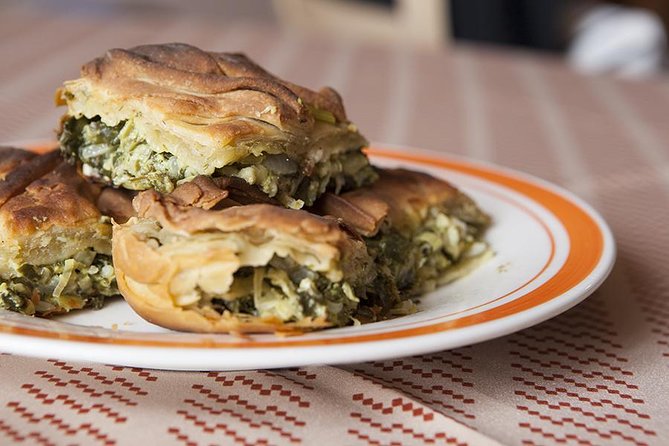
- Main: spanakopita with wild greens and Greek cheese; plus youvetsi (orzo with sausage and veggies)
- Dessert: Greek yogurt with homemade bergamot spoon sweet
On top of that, Christina serves drinks with the meal—tsipouro and wine are included, plus dessert. A bergamot spoon sweet is one of those details that feels very Greek. It’s the kind of final bite that makes you remember the class as more than just the cooking lesson.
Also, in one of the experiences, Christina’s additional oven-baked sides and salads rounded out the table. So while your menu will follow the sample format, the exact spread can reflect seasonal and neighborhood ingredients.
If you’re a foodie planning a “one special thing” in Athens beyond sightseeing, this meal gives you that payoff.

Optional 1-hour market tour: ingredients before the dough
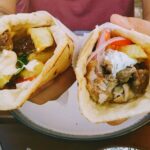
There’s an optional add-on: a 1-hour walking market tour with Christina to visit her favorite cheesemonger, deli, and bakery. You’ll learn about traditional Greek ingredients before you cook, which makes the kitchen steps easier to understand.
This is also a great way to get context for why spanakopita tastes the way it does. When you see how cheeses are chosen and how shopkeepers talk about ingredients, you start paying attention to texture, saltiness, and how herbs behave when they cook.
Practical note: Christina’s neighborhood is hilly. So if you do the market portion, bring comfortable walking shoes and plan for some uphill walking.
One experience described additional stops like a vegetable grocer and even a winery sampling a favorite wine (retsina). The core promise is cheesemonger + deli + bakery, but your day may include small variations depending on route and availability.
Meeting point and logistics that actually matter
You’ll start at Vrioulon, Vironas 162 32, Greece and the experience ends back at the meeting point. The class runs in English and uses a mobile ticket.
It’s also near public transportation, so you don’t need to build your entire day around hiring a taxi. Still, map it ahead of time and give yourself a little buffer—Athens neighborhoods can be trickier than they look on a flat map, especially when you’re headed to a hilly area.
Because it’s private and only your group participates, you’ll get a more personal start than you would on a big group cooking class. That also means the kitchen experience doesn’t feel like a conveyor belt.
Price and value: what $185 buys you (and what it avoids)
At $185 per person, this class isn’t the cheapest food tour in Athens. But it’s also not trying to be cheap.
You’re paying for:
- Hands-on instruction in a technique that’s hard to learn from a cookbook
- Private pacing, so you can ask questions and practice the dough steps
- Ingredients and meal: the class includes a full spanakopita-centered dinner with additional dishes
- Drinks with the meal (tsipouro and wine are included)
- Printed recipes so you can repeat the method later
If your goal is simply to eat Greek food, you can always find plenty of tasty meals at a lower price. The value here is that you leave with skill—how to work phyllo, how to manage crust texture, and how to build a classic filling with seasonal greens and Greek cheeses.
This is also a good pick if you want something memorable that feels more intimate than a typical guided tour. I like that you’re learning from someone who teaches technique, then sitting down to eat as part of the same experience.
Who should book Christina’s phyllo class
This class is a strong fit if you:
- Love Greek food and want to learn the how, not just the what
- Want a hands-on cooking experience in Athens after sightseeing
- Prefer a smaller, quieter setting where the teacher can focus on you
- Are traveling with someone who’s into cooking, including kids with culinary curiosity
It’s also a smart choice if you want practical souvenirs. Printed recipes are useful, but the real takeaway is method. When you know how phyllo should feel and behave, you can recognize good dough and make better decisions at Greek delis and markets back home.
If you’re someone who hates cooking or prefers zero mess, this might not be for you. This class is participation-heavy by design. The upside is Christina delegates tasks in a friendly way so the whole group contributes—cutting, mixing, assembling, and rolling.
FAQ
FAQ
Is this cooking class private?
Yes. It’s a private tour/activity, and only your group participates.
How long is the experience?
The duration is about 3 hours 30 minutes, and the cooking itself is about 2 hours followed by a shared meal.
Do I get lunch or dinner options?
You can pick between lunch and dinner times to match your schedule.
What do we cook?
The lesson focuses on phyllo dough and making spanakopita, with seasonal ingredients such as wild spinach and Greek cheeses.
Is there food included, or is it just the cooking lesson?
Food is included. After cooking, you enjoy a shared meal featuring the spanakopita you made, along with other seasonal dishes, dessert, tsipouro, and wine.
Is there a vegetarian option?
Yes, a vegetarian option is available. Tell Christina your dietary needs at the time of booking so the menu can be adjusted.
What’s the optional market tour?
You can add a 1-hour walking market tour to visit Christina’s favorite cheesemonger, deli, and bakery, learning about traditional Greek ingredients before you cook.
Can I cancel for a full refund?
Yes, free cancellation is offered. You can cancel up to 24 hours in advance for a full refund.
Should you book Christina’s Athens phyllo class?
If you want one Athens experience that’s genuinely useful after you go home, I’d book it. You’ll learn a technique that’s hard to master elsewhere—rolling phyllo into thin sheets and assembling spanakopita without turning it into a soggy mess. The included meal makes the price easier to justify because you’re not paying only for instruction; you’re also eating what you made, plus a full Greek table.
Choose this if you’re a food lover who enjoys hands-on work and wants a warm, patient teacher. Wear comfortable shoes if you’re adding the market walk, because the neighborhood is hilly. If that sounds like your kind of day, Christina’s class is an easy yes.