REVIEW · TAIPEI
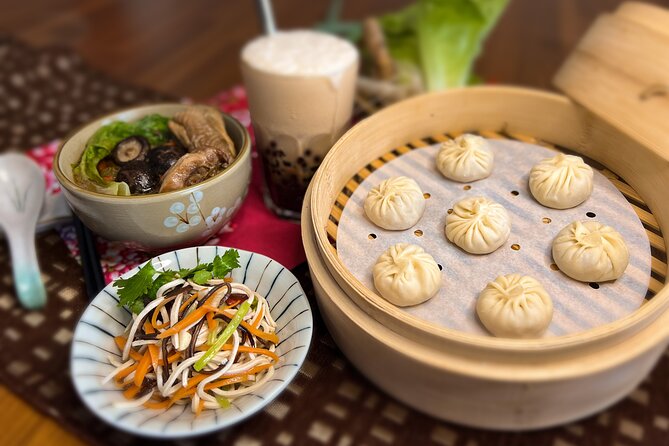
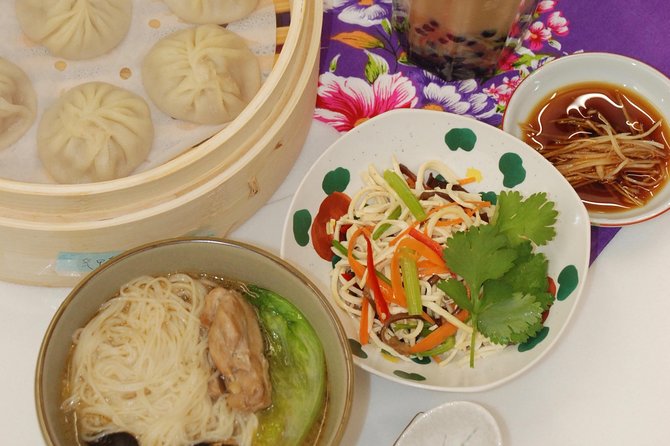
Xiao Long Bao, Chicken vermicelli with mushroom and sesame oil, Tofu strips salad, Bubble milk tea. Taiwan Traditional Delicacies Experience-A (Taipei Cooking Class)
Book on Viator →Operated by Cooking Fun Taiwan 暖心廚房 · Bookable on Viator
Xiao long bao, right at your hands. This 3-hour Traditional Delicacies class in Taipei blends hands-on cooking with Taiwanese home-style flavors, in a small group (max 10) and a clean, air-conditioned studio. You’ll focus on four specific dishes—xiao long bao, chicken vermicelli with mushroom and sesame oil, tofu strips salad, and bubble milk tea—so you leave with food you can re-create.
Two things I really like about this setup are how practical it feels and how much support you get while you cook. The teaching runs in Chinese, English, and Japanese, and the experience can include translator help such as Dawn, plus patient guidance from the hosts. One possible drawback: the menu is set for this course, so if you have very specific allergy or dietary needs, you should flag them in advance and be ready for some limits.
In This Review
- Key Points You’ll Care About
- Taiwan Traditional Delicacies Experience-A: What You’re Really Paying For
- Where You Start: Sun Yat-sen Memorial Hall Area to CookingFunTaiwan (10:00–13:00)
- The Menu: Four Dishes That Tell the Taiwan Story
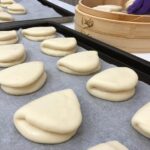
- Xiao Long Bao
- Chicken Vermicelli With Mushroom and Sesame Oil
- Tofu Strips Salad
- Bubble Milk Tea
- Inside the Studio: How the Class Stays Comfortable and Practical
- How the 3 Hours Usually Flows (So You Can Relax)
- Why This Course Works for Foodies and First-Timers
- Who Should Book This (And Who Might Want a Different Option)
- Value Check: Is $77 a Good Deal?
- Small Details That Make a Difference
- Should You Book Taiwan Traditional Delicacies Experience-A?
- FAQ
- What is the duration of Taiwan Traditional Delicacies Experience-A?
- Where does the class take place?
- What dishes are included in the course?
- What languages do the teachers speak?
- Can you accommodate dietary restrictions or allergies?
- How big is the group?
Key Points You’ll Care About
- Small group size (10 max) keeps the class from feeling rushed.
- Hands-on Taiwanese classics: xiao long bao, chicken vermicelli, tofu strips salad, bubble milk tea.
- Multilingual teaching with support that may include translator Dawn.
- Clean, air-conditioned space makes the work comfortable.
- Dietary needs can be noted ahead of time, including vegetarian options and allergies.
- Recipes are sent after class, so cooking doesn’t stop when you leave.
Taiwan Traditional Delicacies Experience-A: What You’re Really Paying For
At $77 per person for about 3 hours, you’re not just paying for food. You’re paying for instruction, hands-on practice, and a structured way to learn Taiwanese flavors without having to translate everything on your own.
This course is built around the idea of Taiwanese home cooking—cuisines passed down from mothers, using seasonal produce that grows well in Taiwan across different seasons. That matters because it explains the choices. These aren’t random dishes. They’re familiar, everyday comfort foods that also happen to be iconic: soup dumplings (xiao long bao), noodle comfort, a crisp tofu salad, and bubble milk tea.
And because the class is capped at 10 people, you’re more likely to get real feedback as you work. In a bigger setting, you’d end up watching. Here, you’re cooking.
You can also read our reviews of more tours and experiences in Taipei.
Where You Start: Sun Yat-sen Memorial Hall Area to CookingFunTaiwan (10:00–13:00)
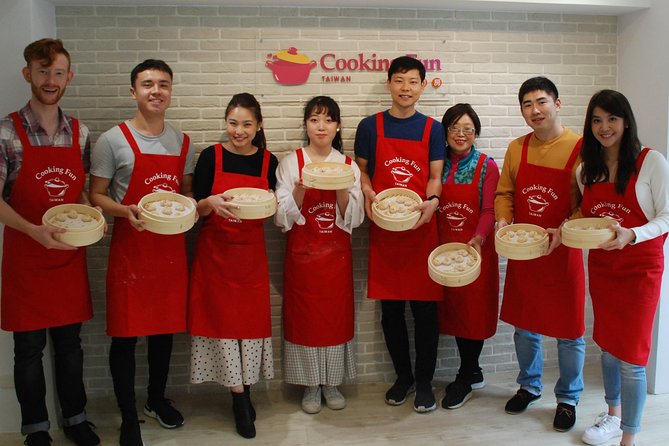
The class meets at 10694 Taipei, Da’an District, Guangfu S Rd, Lane 290, No. 5, 2F (CookingFunTaiwan暖心廚房). Start time is 10:00, and it runs until about 13:00. The activity ends back at the meeting point, so you’re not left figuring out how to get home right after your last bite.
You’ll also find it convenient that it’s near public transportation. Taipei is easy when you’re not wrestling with confusing transfers right before a cooking class.
The course is held daily during the stated period, and the actual date/time can shift if weather or group numbers change. Good weather matters here, so if you’re visiting in a rainy season, keep that in mind.
The Menu: Four Dishes That Tell the Taiwan Story
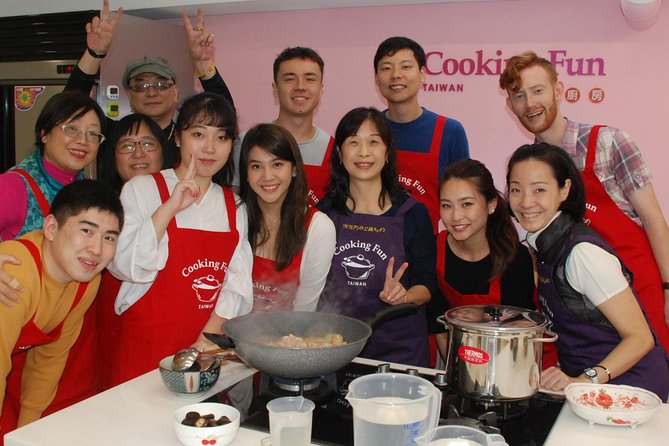
This is a focused course. You’re not jumping across dozens of items. You’re learning four things that show off Taiwanese range—dumplings, noodles, vegetables/tofu, and a famous drink.
Xiao Long Bao
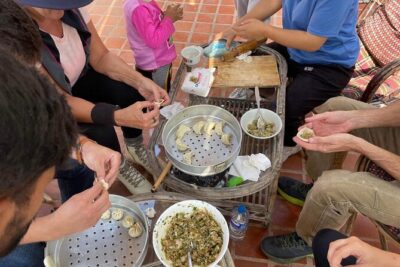
Xiao long bao is the headline. You’re working with a dish that people talk about because it’s technique-driven and strongly tied to Taiwan’s food culture. Even if you’ve eaten it before, cooking it is a different experience. You’ll get a feel for the textures and timing that make soup dumplings work.
One useful expectation: this class supports beginners. The teaching pace is built for normal humans who don’t do dumplings every day.
Chicken Vermicelli With Mushroom and Sesame Oil
This dish brings savory comfort and the kind of aromatic seasoning Taiwanese home cooking is known for. Vermicelli noodles are quick to get wrong at home, but in a class you learn what “right” feels like—especially when sesame oil is involved. The mushroom component also matters because it adds earthiness that balances the richer notes.
If you like dishes that feel cozy but not heavy, this is the one to watch.
Tofu Strips Salad
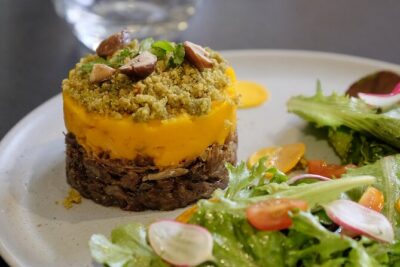
Tofu strips salad gives you contrast: cool, fresh, and lighter after dumpling and noodles. Tofu is also a key part of Taiwanese eating habits, and this salad is a good example of how Taiwan can do vegetables in a way that feels satisfying, not just healthy.
It’s also the dish that makes the course feel more flexible for different eating styles, including vegetarian plans (as long as your dietary needs are noted ahead of time).
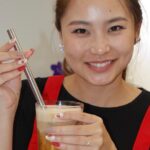
Bubble Milk Tea
Bubble milk tea turns the whole experience into something you can enjoy beyond the meal. It’s fun, it’s familiar in Taiwan, and it ties the course to an everyday Taiwan ritual rather than just “one dinner.”
If you’ve ever been curious how bubble tea fits into normal life here, this gives you a reason to think about it while you’re still in learning mode.
Inside the Studio: How the Class Stays Comfortable and Practical
Cooking classes can be sweaty, chaotic, and overly crowded. This one is set up to avoid that.
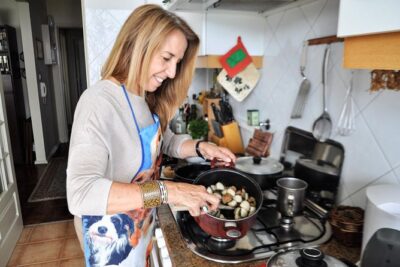
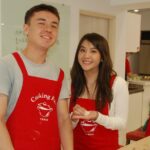
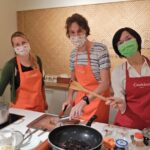
You’ll be working in a clean studio that’s air-conditioned, so you’re not distracted by heat while you try to focus on the food. You’re also not stuck doing all the mess without help—there’s attention to staying organized and handling dirty dishes, which is a big deal when you’re trying to learn.
There’s another practical advantage: the teaching team speaks Chinese, English, and Japanese, aligned to the group. That reduces one of the hardest parts of cooking away from home—misunderstanding what you’re supposed to do next.
And from the way the hosts are described, they’re patient, including with people who get the buns wrong at first (everyone does). That patience is worth more than people think.
How the 3 Hours Usually Flows (So You Can Relax)
You’re in the class for about 3 hours, from 10:00 to roughly 13:00. While the exact minute-by-minute structure can vary, the rhythm is usually: get oriented, start with food prep, cook together through the main dishes, then finish with tasting and a wrap-up.
Here’s what I’d plan for:
- Expect to do the main hands-on work rather than just watching.
- Expect some learning curve, especially with xiao long bao.
- Expect to end the session with food you can actually eat, not just sample scraps.
This timing is a sweet spot. It’s long enough to feel like you did something real, but short enough that you don’t blow half your day.
Why This Course Works for Foodies and First-Timers
If you’re the type of traveler who likes eating your way around a city, you might think you’ll just “eat instead of learning.” But a class like this teaches you how Taiwanese comfort food is built.
You’re learning in a way that connects flavors to ingredients and technique, not just a menu description. That makes your Taiwan food stops afterward easier to understand. Even if you can’t perfectly re-create every step, you’ll taste the logic behind the dishes.
Also, this is a strong choice if you want cultural context without turning it into a lecture. The format is centered on cooking, and the “why” tends to show up as you work.
Who Should Book This (And Who Might Want a Different Option)
This class is a great fit if you:
- Want a hands-on introduction to Taiwanese classics
- Prefer a small-group experience
- Like structured learning with multilingual support
- Travel with family and want an activity that doesn’t feel like a museum visit
It’s especially useful for families. There’s a family-learning approach where children under 11 have a fee of 1,200 NTD, and each adult can bring one child. If you’re traveling with a kid who enjoys cooking or tasting, this is a solid option.
You might want to choose something else if you:
- Need a course designed around very strict allergy accommodations. The class does invite you to note restrictions, but it can’t promise every scenario.
- Want a long, multi-day deep training in one technique. This is focused, not a long apprenticeship.
Value Check: Is $77 a Good Deal?
For many cooking classes, the cost can feel inflated if you mostly watch or get a tiny sample. Here, you get a set menu that includes multiple dishes and bubble milk tea, plus recipe follow-up after the class.
So the value comes from three areas:
- You produce several dishes, not just one.
- You’re guided while learning, which saves you time and confusion.
- You get recipes after, letting you repeat at home instead of treating it as a one-time event.
Also, with a group cap of 10, the experience tends to feel more personal than the cheaper big-bus version.
If you’d spend similar money just eating at restaurants, this gives you something extra: knowledge, confidence, and a souvenir that doesn’t sit in your closet.
Small Details That Make a Difference
A few things you’ll appreciate when you’re actually in the flow:
- Recipes arrive after class, so you don’t have to rely on memory.
- Teachers work across Chinese, English, and Japanese, which is huge if your travel group has mixed language needs.
- The studio is air-conditioned, so the cooking part doesn’t become misery.
- The hosts and support staff are described as warm and helpful, including patience with hands-on attempts.
If you’re the type who likes to feel organized, this course respects that. Even the mess is handled with care.
Should You Book Taiwan Traditional Delicacies Experience-A?
I’d book it if you want a compact, high-support introduction to Taiwanese food—one where you actually cook dumplings, noodles, tofu salad, and bubble tea. The combination of small group size, multilingual teaching, and a comfortable studio makes it a strong “worth it” choice for first-timers and returning food lovers alike.
Hold off only if your needs are complex and you’re worried the set menu won’t fit your restrictions. In that case, contact the provider with your dietary details before committing, and keep expectations realistic.
If you’re building a Taiwan food plan, this is the kind of activity that makes restaurant meals afterward easier to enjoy with understanding behind the flavors.
FAQ
What is the duration of Taiwan Traditional Delicacies Experience-A?
It runs for about 3 hours, typically from 10:00 to 13:00.
Where does the class take place?
The cooking class is at CookingFunTaiwan暖心廚房, 2F, No. 5, Lane 290, Guangfu S Rd, Da’an District, Taipei City, Taiwan 106.
What dishes are included in the course?
The experience includes Xiao Long Bao, chicken vermicelli with mushroom and sesame oil, tofu strips salad, and bubble milk tea.
What languages do the teachers speak?
Teaching is provided with Chinese, English, and Japanese language support.
Can you accommodate dietary restrictions or allergies?
Yes. You’re asked to note special dietary needs such as vegetarian meals, dietary restrictions, and allergies at the time of booking.
How big is the group?
The class has a maximum of 10 travelers.