REVIEW · TAIPEI
Taiwanese Food Culture and Cooking Class
Book on Viator →Operated by Make My Day Cooking Lab · Bookable on Viator
Taipei tastes like home. This small-group cooking class uses Dongmen Market first, so you learn why ingredients matter, not just how to chop them. You also leave with recipes in multiple languages, built around everyday Taiwanese flavors.
I love the way the morning market isn’t treated like a tourist shopping stop. You focus on seasonal produce and get to sample foods and drinks that feel like daily life in Taiwan. It makes the cooking part click fast.
The one thing to consider: there’s no elevator, and you’ll need to climb 4 floors to reach the studio.
In This Review
- Key highlights if you care about real local food
- Why Dongmen Market sets the whole tone
- Chef Wayne’s kitchen lab: homey, spacious, and conversation-friendly
- The flow of your 4.5 hours: market first, then hands-on cooking
- What you’ll learn that you can actually use at home
- Multilingual recipes: the cheat sheet you’ll keep
- Price and value: what $130 gets you (and what to compare)
- Dietary options: vegan request, and planning ahead
- Logistics that can affect your morning
- Who should book this Taipei Taiwanese cooking class?
- Should you book Taiwanese Food Culture and Cooking with Chef Wayne?
- FAQ
- How long is the Taiwanese Food Culture and Cooking Class in Taipei?
- What time does the class start?
- Where is the meeting point?
- Is this class a small group?
- Are recipes provided, and in what languages?
- Is there a vegan menu option?
- Is free cancellation available?
Key highlights if you care about real local food
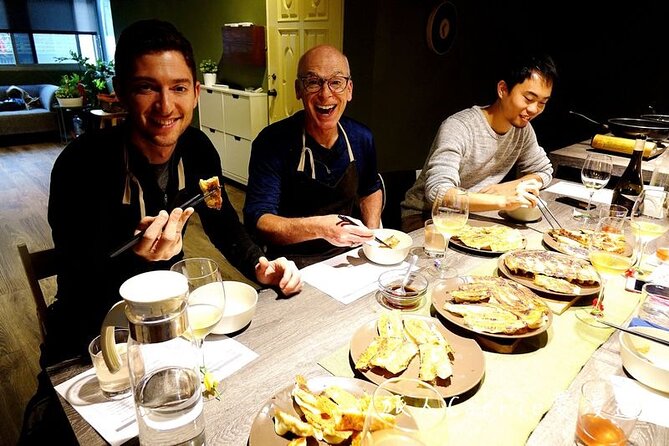
- Dongmen Market, with tastings: you sample market bites and drinks that many visitors skip.
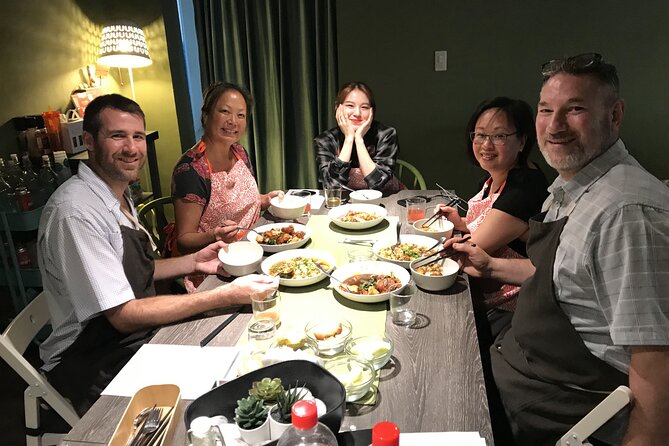
- Small group, max six students: more hands-on time and easier conversation.
- Chef Wayne’s home-style teaching: laid-back guidance and technique-focused cooking.
- Multilingual recipes: English, Chinese, and Japanese support before and after class.
- Taiwan + personal culinary background: traditional home cooking roots plus Chef Wayne’s Sicilian/Italian influence.
- Vegan menu available on request: dietary needs can be discussed ahead of time.
Why Dongmen Market sets the whole tone
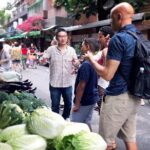
If you’ve ever taken a cooking class that starts with an ingredient pile and a recipe card, you know how quickly it can feel like a demo. This one starts the other way around. You begin at Dongmen Market, and the focus is on understanding what’s seasonal and why it ends up on Taiwanese tables.
That market-first approach matters because Taiwan’s flavor identity isn’t just about specific dishes. It’s about how ingredients taste that day—how fresh greens are, how fruit ripeness changes sweetness, and how different meats or seafood behave when heat hits them. When you learn that in the moment, cooking stops being memorization.
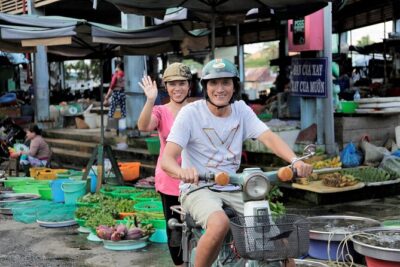
You’ll also get food and drink tastings during the market walk. Not every tasting will be familiar, and that’s the point. Taiwan has plenty of everyday snacks and beverages that are normal locally but feel like a discovery for visitors. Even if you’re a cautious eater, the sampling style helps you make sense of what you’re tasting before you cook.
One more practical benefit: the market outing gives you a real sense of what Taiwanese daily shopping looks like. You’re not just buying. You’re observing, asking, and learning how locals talk about food.
You can also read our reviews of more tours and experiences in Taipei.
Chef Wayne’s kitchen lab: homey, spacious, and conversation-friendly
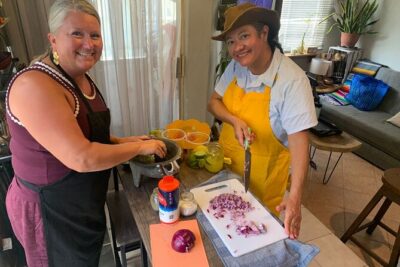
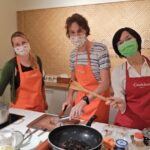
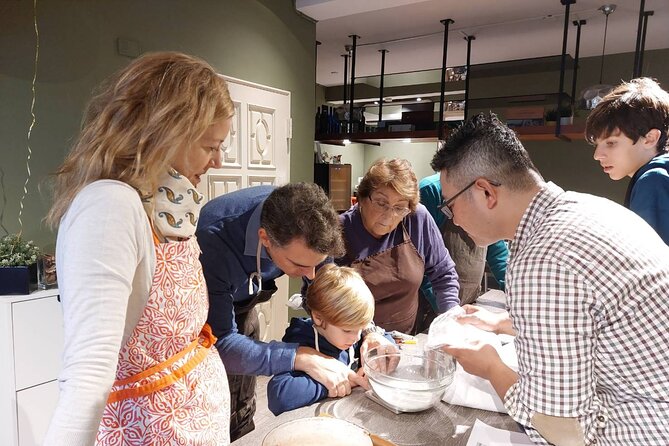
After the market, the class moves into the Make My Day Cooking Lab, a cozy, fully equipped studio meant to feel like a Taiwanese home cooking space. The kitchen is described as spacious and clean, which makes a difference when you’re learning technique. In other words, you’re not fighting for space while trying to remember steps.
Chef Wayne leads the session, and his background is a big part of the appeal. He brings nearly 30 years of culinary experience, learned traditional Taiwanese home cooking from his mother, and later mastered Sicilian home-style Italian cooking while living in Melbourne. That mix matters because you’ll likely hear food explained across cultures—how different cuisines treat sauces, heat, and timing.
The best classes aren’t only about instructions. They’re about the kind of talk that makes the food feel personal. You’ll have chances for conversation about ingredients and cooking habits, and you can ask about cultural differences too. If you enjoy chatting—without feeling forced—you’ll probably find this class comfortable and easy to join.
Also, Chef Wayne’s teaching style is described as easy going. That’s important if you’re not a confident cook. In a small setting, you can ask questions and adjust without feeling rushed.
One location detail you’ll want to plan for: there’s no elevator, and you’ll need to climb four flights of stairs. If you’re carrying luggage or you’re sensitive to stairs, build in extra time when you arrive.
The flow of your 4.5 hours: market first, then hands-on cooking
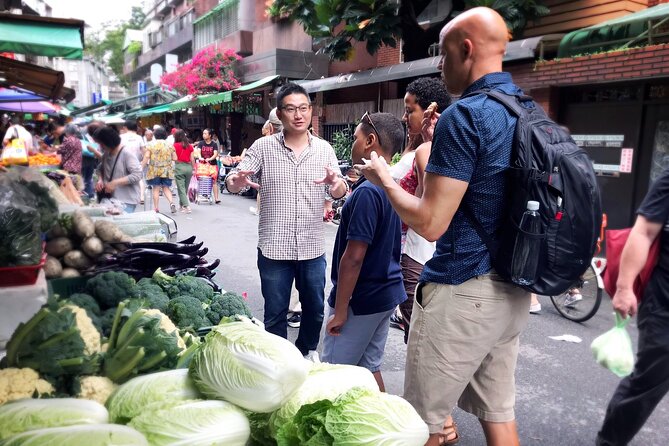
This experience runs about 4 hours 30 minutes, starting at 9:30 am and ending back at the meeting point. The schedule is designed like a mini day in Taiwan: morning market exploration first, then cooking after you understand what you’re working with.
Here’s what that means in practice:
- You’ll meet at No. 168, Section 2, Xinyi Rd, Da’an District, Taipei City (106). It’s near public transportation, so you’re not stuck arranging complicated rides just to get started.
- You’ll go to Dongmen Market for ingredient focus and tastings.
- Then you head to the cooking studio for the main hands-on portion.
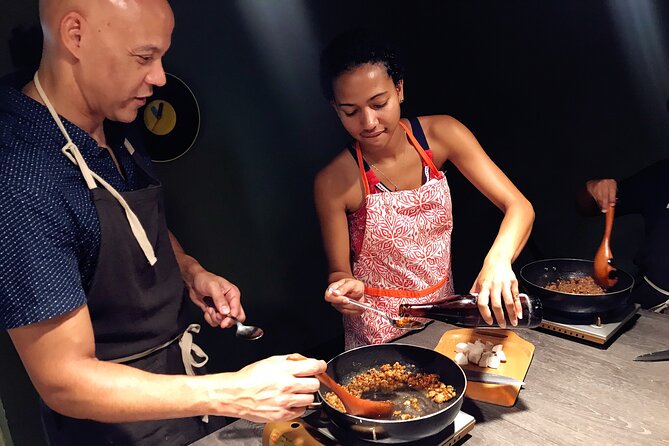
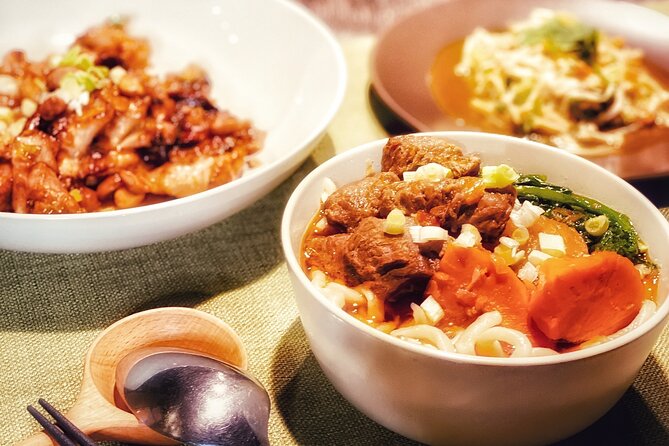
The cooking portion includes technique-based instruction, and at least one stir-fry experience is called out as a standout learning moment. That’s a good sign for anyone who wants more than just assembling dishes. You’re learning the “how” behind everyday Taiwanese home flavors—how to manage heat, timing, and the way sauces and seasonings come together.
Because the class is small group (2–10 people) and limited to six students per session, you’re more likely to get real attention. In a bigger group, you often watch more than you cook. Here, the format pushes you into doing.
What you’ll learn that you can actually use at home
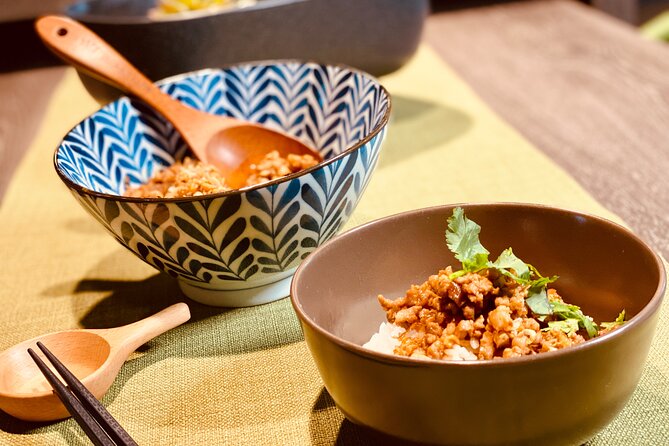
The market portion can be fun, but the real value is how it improves your cooking back home. When you understand seasonal produce and the everyday reasons certain ingredients show up together, you get better at improvising.
Think about it this way: recipes are lists. Market learning is context. If you’ve ever made a dish at home and wondered why it tastes a bit “off,” it usually comes down to ingredient behavior—freshness, ripeness, texture, and how different products respond to heat.
This class leans into that by spending time on ingredients rather than speeding through a checklist. You’ll also sample foods and drinks that may be unfamiliar. That sensory piece gives you a reference point, so when you cook later you can say, I know what this is supposed to taste like.
The cooking part also tends to focus on practical technique. Since a stir-fry is specifically mentioned as a highlight, it’s reasonable to expect hands-on work where you learn how to control the pan and seasonings. That kind of learning is gold if you want to level up quickly without taking a long course.
And because the class is designed to feel like visiting a Taiwanese home, the goal isn’t showy “chef tricks.” It’s teaching everyday methods you can repeat.
Multilingual recipes: the cheat sheet you’ll keep
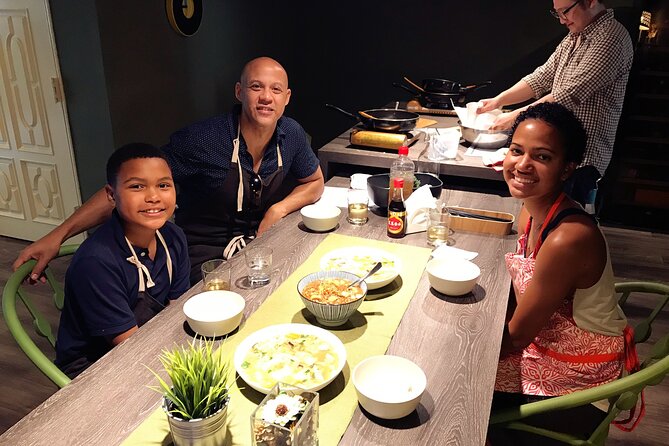
One of the most underrated benefits of a cooking class is what you do with the recipe afterward. This experience provides recipe material in English, Chinese, and Japanese if needed. That’s handy in two ways.
First, you can follow along more confidently during the class itself. If your cooking language is limited, having clear written support makes a huge difference. Second, it helps you recreate the dishes later without needing translation apps or guesswork.
Also, because the class uses different Taiwanese cuisine themes on different days, recipes may support more than a single fixed menu. That flexibility is a plus if you’re doing multiple activities in Taipei and want variety.
For food lovers, this is one of those “you’ll use it later” souvenirs that doesn’t just sit in a drawer.


Price and value: what $130 gets you (and what to compare)
At $130 per person, this class isn’t a budget workshop. But it’s priced like an experience that’s more teaching-focused than production-focused—especially with a small group limit and a market component.
Here’s why the value can work out well:
- Small group attention: up to six students per session means you’re not lost in the crowd.
- Market learning: Dongmen Market isn’t free, and ingredient-focused instruction takes time.
- Recipe support: English, Chinese, and Japanese materials add long-term value.
- Chef-led teaching with personal background: you’re not just buying food prep tips; you’re learning through a real culinary storyteller.
If you’re comparing it to a typical “cook something in a big class,” this is usually the better choice. If you’re the type who wants to eat Taiwanese food more than learn technique, then a food tour might feel more direct. But if your goal is to understand how Taiwanese ingredients become home-style dishes, this price starts to look fair.
One more practical detail: it’s commonly booked about 18 days in advance on average. That tells me you should reserve sooner if you’re traveling during busy periods, especially for the morning start time.
Dietary options: vegan request, and planning ahead
You’re not stuck with a single menu. A vegan menu is available on request, and the team says special dietary requirements can be discussed and catered for before booking (including during the market tour and cooking class).
That matters because market-based classes can be tricky for dietary needs. Ingredients are chosen in the moment, and substitutions need to be planned early. The fact that they discuss it before booking is a real comfort.
If you have allergies or a strict diet, don’t wait until the day of the class. Send the details when you reserve so the market portion matches what you can eat.
Logistics that can affect your morning
This class starts at 9:30 am and runs about 4 hours 30 minutes. That means you’ll want to be ready to move at a solid morning pace. The schedule is built for market time, so arriving late can throw off both your shopping experience and your cooking setup.
The meeting point is accessible and near public transportation. But remember the studio requires climbing four floors and there’s no elevator. If you’re bringing a light daypack, you’ll probably be fine. If you have mobility limits, plan carefully before booking.
You’ll also use a mobile ticket, and confirmation is received at booking. Service animals are allowed, which is worth noting if you need that accommodation.
Who should book this Taipei Taiwanese cooking class?
This experience fits best if you’re the kind of traveler who cares about process. You want to know why ingredients matter and how everyday cooking techniques work.
It’s especially good for:
- People who enjoy food conversations and cultural context at the same time
- Beginners who want calm guidance in a small group
- Cooks who want technique practice, not just recipe reading
- Anyone who wants Taiwan beyond night markets and street snacks
If you only care about eating and don’t want to cook, you might find this less direct. But if you want a hands-on window into Taiwanese daily life—starting with seasonal market produce—you’re in the right place.
Should you book Taiwanese Food Culture and Cooking with Chef Wayne?
Yes, if your idea of a great Taipei food day includes learning more than just eating. The combination of Dongmen Market tastings, small-group hands-on cooking, and recipe material in multiple languages makes this a strong value for people who want to repeat the flavors later.
I’d skip it only if stairs are a deal-breaker for you, or if you’d rather spend your time on a pure tasting itinerary instead of cooking. Otherwise, this is the kind of class that turns Taiwanese food into skills you can use—plus memories you can talk about long after you leave Taiwan.
FAQ
How long is the Taiwanese Food Culture and Cooking Class in Taipei?
It runs about 4 hours 30 minutes.
What time does the class start?
The start time is 9:30 am.
Where is the meeting point?
You meet at No. 168, Section 2, Xinyi Rd, Da’an District, Taipei City, Taiwan 106. The activity ends back at the meeting point.
Is this class a small group?
Yes. It has a small-group format with a maximum of 10 travelers, and a maximum of six students per session.
Are recipes provided, and in what languages?
Yes. Recipe materials are provided in English, Chinese, and Japanese if needed.
Is there a vegan menu option?
A vegan menu is available on request.
Is free cancellation available?
Yes, you can cancel for a full refund up to 24 hours in advance of the experience start time.