REVIEW · TAIPEI
Turnip cake, Pork thick soup, Tofu pudding. Taiwan Traditional Light Meals Experience-C (Taipei Cooking Class)
Book on Viator →Operated by Cooking Fun Taiwan 暖心廚房 · Bookable on Viator
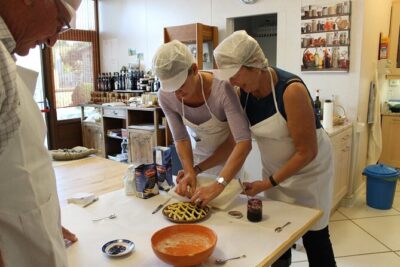
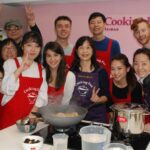
Taipei bites with a side of warmth. This cooking class channels the local greeting Eaten yet? through hands-on teaching and a genuinely caring vibe. I also love the small group setup (max 10), which makes it easier to ask questions without feeling rushed. The only real drawback: the menu is fixed to a set set of dishes, so it’s not the class for you if you’re hunting a huge variety of Taiwanese snacks.
I like that the instructions feel clear and practical, not vague. You’ll be learning techniques you can actually repeat later, and the food ends up being a proper meal, not just a couple of bites. One more plus I’d flag is the recipe distribution right after the class, so you’re not stuck trying to remember what you did while you’re back at home.
If you’re in Taipei and you want a calm afternoon that ends with a full stomach, this one fits well. And because it runs on Mondays and Fridays (14:30–17:00), you can often plug it into your first full day on the ground.
In This Review
- Key highlights to know before you go
- What you’re actually cooking: light meals that taste like a full plan
- Price and value: why $65 can make sense in Taipei
- Where it happens: CookingFun Taiwan in Da’an, not a random backroom
- Your afternoon schedule: 14:30–17:00, with a Taipei 101 moment
- Inside the kitchen: how the class teaches you, not just feeds you
- The dishes, one by one: what you should pay attention to
- Turnip cake: texture is the whole story
- Pork thick soup: building comfort without excess weight
- Tofu pudding: set it right and it turns into dessert joy
- What makes this class feel special (besides the food)
- Language and special meal needs: plan ahead so dinner works for you
- Who this Taiwan traditional light meals class is best for
- Quick practical tips for getting the most out of your class
- Should you book this CookingFun Taiwan cooking class?
- FAQ
- FAQ
- What dishes are included in the Taipei traditional light meals experience?
- Where is the cooking class located?
- When does the class run?
- How long is the cooking class?
- What languages are used for teaching?
- What is the maximum group size?
- Do I receive the recipes to take home?
- Can the class accommodate vegetarian meals or food allergies?
- Where do I meet and where does it end?
- Is free cancellation available?
Key highlights to know before you go
- Three Taiwan light meals with real “learn-to-cook” payoff: turnip cake, pork thick soup, tofu pudding
- Small class size (max 10) so you get attention when your knife skills wobble
- Multilingual teaching in Chinese, English, and Japanese
- Take-home recipe pack distributed immediately after the course
- Built around a Taipei 101 stop, handy for orientation and photos
- Come hungry: you’ll be preparing and eating a lot
What you’re actually cooking: light meals that taste like a full plan
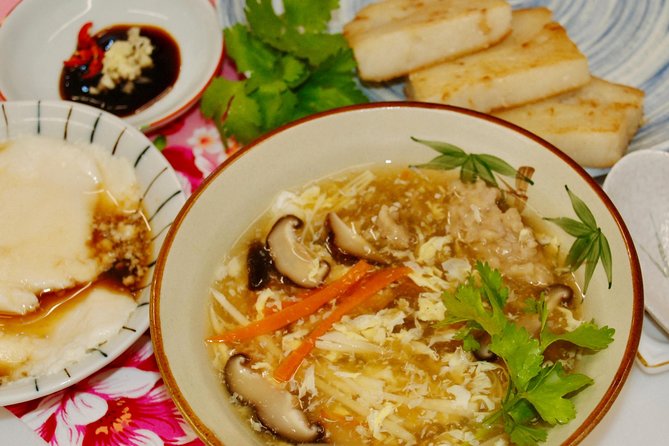
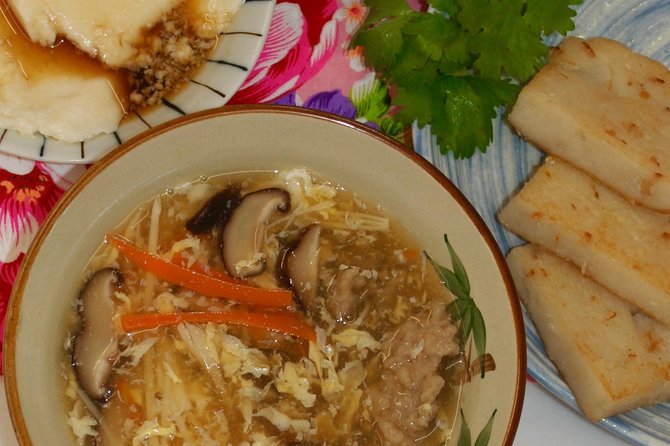
This experience focuses on Taiwan traditional light meals—comfort food that’s meant to be filling, but not heavy in the way that a big restaurant meal can feel. The menu you’ll cook is specific and intentionally classic: turnip cake, pork thick soup, and tofu pudding.
Turnip cake is one of those dishes that’s deceptively simple in concept and tricky in details. Expect to work with the batter/mixture texture and get a proper cooking result, not just a flat “it looks okay” version. The upside for you is that once you understand the thickness and how it sets, the same logic applies to other pan-cooked cakes.
Then comes pork thick soup. This is where you learn how to build flavor for a dish that’s meant to be hearty without feeling greasy. If you’ve ever wondered why some soups taste deeper even when they don’t look complicated, this is the kind of course that helps you connect the dots.
Finally, tofu pudding is the sweet finish that makes the whole meal feel complete. It’s also a good “technique check” dish: tofu desserts can go wrong if you treat them like just another dessert. You’ll be learning the right approach so it sets and tastes right, not chalky or watery.
You can also read our reviews of more tours and experiences in Taipei.
Price and value: why $65 can make sense in Taipei
At $65 per person, you’re paying for several things at once: guided cooking time, instruction, ingredients used for a full menu, and the recipe handout after class. In Taipei, the cost of eating out can add up fast—especially if you’re trying to sample multiple foods across different neighborhoods.
This class is also small (max 10 travelers), which usually means the instructor-to-student ratio is better than the big factory-style cooking events. You don’t want to spend your vacation time watching from the sidelines. Here, the point is to get your hands involved.
Two practical value checks I’d use:
- You leave with a menu you can reproduce (recipes provided).
- You leave with enough food that it functions as a meal, not a snack session.
If you love cooking but don’t want a day-long program, this is a reasonable fit. If you only want a “quick bite” activity, you might feel like $65 is too much—because this is designed to keep you busy and feeding you.
Where it happens: CookingFun Taiwan in Da’an, not a random backroom
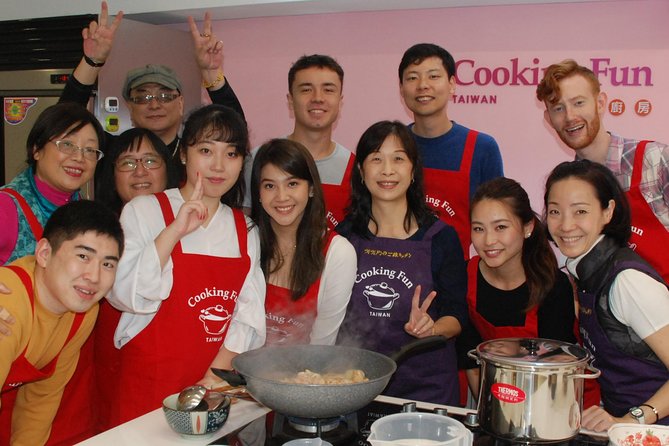
The class meets at CookingFun Taiwan, on 2F., No. 5, Lane 290, Guangfu S. Rd., Taipei City 10694 (Da’an District). The start address and meeting point match, and the experience ends back at the meeting point.
This location matters for you because it’s in an area with near public transportation, so you’re not locked into a long taxi ride just to cook lunch-by-afternoon. It also helps if you’re stacking plans for the rest of the day.
Also: it’s a mobile ticket experience. That means less paper fuss. You show up with confirmation and get going.
Your afternoon schedule: 14:30–17:00, with a Taipei 101 moment
The course runs every Monday and Friday, scheduled 14:30 to 17:00 (about 2 hours 30 minutes). Because it’s a shorter block, it works well when you don’t want your whole day taken over by a single activity.
You start at 2:30 pm at CookingFun Taiwan. During the experience, there’s a stop that includes Taipei 101. The details aren’t presented as a formal “tour” segment, but in practice this is usually helpful because it gives you a recognizable Taipei landmark point during the day. Think of it as a quick way to get your bearings without needing a separate sightseeing detour.
You’ll end back where you started, so you won’t have to figure out a new pickup point afterward. For jet-lag days or “I still want to move, but not too much” days, that matters.
One more note: class dates may change due to weather or number of participants. If you’re planning tight day-by-day, keep that in mind and don’t bet your entire schedule on a single date.
Inside the kitchen: how the class teaches you, not just feeds you
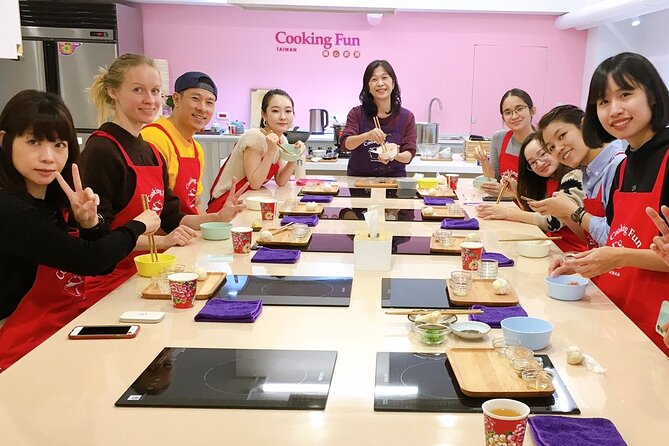
The teaching languages listed are Chinese, English, and Japanese. That’s a big deal if you’re traveling in a group or you want instructions you can actually follow. Even if you’re only comfortable in a basic amount of one language, having options tends to reduce misunderstandings.
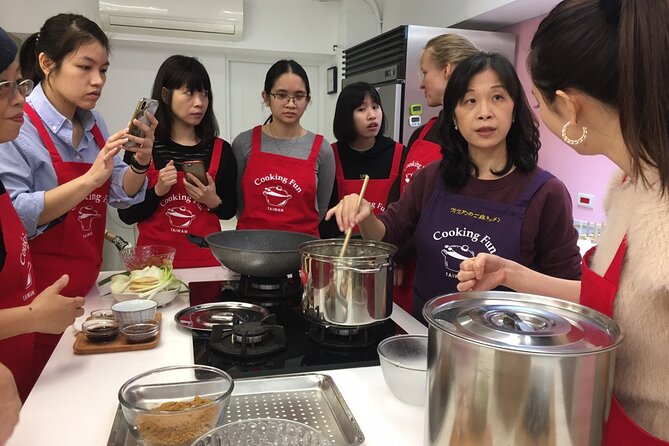
The overall style is hands-on and structured. Based on how the course is presented, you get guided steps for each dish rather than being left to figure things out alone. I like that because cooking classes often fall into one of two traps:
- you do too little (watching),
- or you do too much without enough guidance (chaos).
This one aims for “do it, learn it, eat it.”
One practical perk: the recipe is distributed right after you finish the courses. That makes a huge difference later. You won’t be reconstructing what you made from memory or guessing measurements when you try it at home.


The dishes, one by one: what you should pay attention to
Turnip cake: texture is the whole story
Turnip cake can look straightforward, but the key is the texture and the way the mixture sets. When you’re learning, pay attention to consistency before it hits the heat. If it’s too loose, it won’t hold properly. If it’s too tight, it can turn out dense instead of pleasantly firm.
Also note how it’s cooked and handled—pan-cooked items often require timing and gentle flipping or pressing. This is where the class format really helps you: you’re not just tasting, you’re learning the workflow.
Pork thick soup: building comfort without excess weight
“Thick soup” in Taiwan usually means you’re aiming for body and mouthfeel, not just “it’s stewy.” The lesson value here is understanding how thickness happens—what ingredients contribute to that feel and how heat affects the final result.
Don’t rush this part. Thick soups can go from perfect to too heavy if you’re impatient. Let the class pace guide you, and try to connect what you’re doing in the pot to how it changes.
Tofu pudding: set it right and it turns into dessert joy
Tofu pudding is both sweet and delicate. The main thing to watch for is how the mixture behaves before it sets—then how it ends up once it’s finished. If you’ve ever eaten a tofu dessert that was off-texture, you know it can be disappointing.
This dish is a great “learn a technique” item because it rewards accuracy. And because it’s on the menu here, you’re ending with something that rounds out the meal, not a filler course.
What makes this class feel special (besides the food)
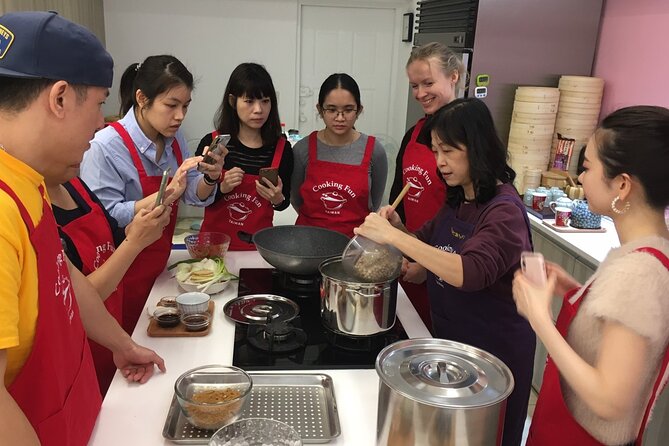
The course is built around the Taiwanese idea of care in meals. The greeting Eaten yet? isn’t just a cute line—it’s part of the hospitality message. CookingFun Taiwan’s “暖心廚房” concept is essentially that you should leave feeling looked after, not just fed.
From what’s emphasized about the experience, the staff focus on being warm and organized, with straightforward instructions. That combination is rare. Many cooking classes either run like a lecture or feel chaotic. Here, the structure exists so you can actually enjoy the process.
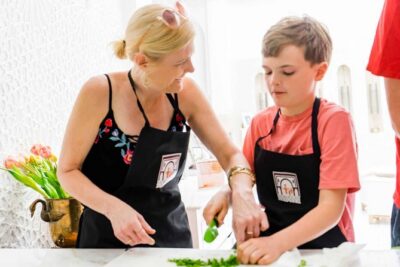
Another standout: the class isn’t huge. With up to 10 travelers, you’re more likely to get quick help if something isn’t working and less likely to feel invisible.
And yes—based on how people describe it, you should plan to come hungry. The menu isn’t tiny, and it’s not just “taste and move on.”
Language and special meal needs: plan ahead so dinner works for you
This experience asks you to inform in advance if you’re vegetarian, have dining taboos, or have food allergies when making your reservation. That’s the right approach for a cooking class: you want adjustments arranged before the ingredients are already in motion.
If you’re vegetarian, don’t wait until the day of. Make sure your request is clear in the reservation notes. The class lists this expectation specifically, so treat it as part of the prep work.
Also, teaching languages are Chinese, English, and Japanese, which makes it easier for you to follow instructions and ask questions.
Who this Taiwan traditional light meals class is best for
You’ll probably love this if:
- you want a short, high-satisfaction cooking experience (2.5 hours),
- you like learning classic Taiwanese home-style dishes,
- you want a class that ends with a lot of food,
- you’re traveling with mixed language abilities and want options.
It’s less ideal if:
- you’re hoping for a wide buffet-style menu with many dishes (this one is focused),
- you want a purely sightseeing-focused day rather than cooking.
It also fits well for that common Taipei traveler pattern: “I did museums today; tonight I want something practical.” Cooking is hands-on. You’ll remember it longer than another photo stop.
Quick practical tips for getting the most out of your class
- Go hungry. You’ll be cooking and eating, and it’s better to arrive with room in your stomach.
- Ask questions while you’re in the step. Waiting until the end makes it harder to fix mistakes.
- Take the recipe handout seriously. It’s distributed right after class, so you can start using it while the steps are still fresh in your mind.
- If you have allergy needs, flag them during reservation, not after you arrive.
Should you book this CookingFun Taiwan cooking class?
If your goal is to take home real Taiwanese cooking skills from a calm afternoon, I think you should book it. The combination is strong: classic menu (turnip cake, pork thick soup, tofu pudding), small group size (max 10), and a recipe distributed immediately after the class. It’s also priced in a way that makes sense when you consider you’re not just paying for instruction—you’re leaving with a full meal you helped make.
The decision comes down to one thing: are you happy with a focused menu? If yes, you’ll likely find this one a great use of time in Taipei. If you’re hunting a massive variety class, look for something broader.
FAQ
FAQ
What dishes are included in the Taipei traditional light meals experience?
The course menu includes turnip cake, pork thick soup, and tofu pudding.
Where is the cooking class located?
The class is held at 2F., No.5, Ln. 290, Guangfu S. Rd., Taipei City 10694 (CookingFun Taiwan).
When does the class run?
It runs every Monday and Friday, from 14:30 to 17:00.
How long is the cooking class?
The duration is approximately 2 hours 30 minutes.
What languages are used for teaching?
Teaching language is available in Chinese, English, and Japanese.
What is the maximum group size?
The class has a maximum of 10 travelers.
Do I receive the recipes to take home?
Yes. The course recipe is distributed right after completing the courses.
Can the class accommodate vegetarian meals or food allergies?
Yes. You should inform the provider in advance upon making the reservation if you are vegetarian, have dining taboos, or food allergies.
Where do I meet and where does it end?
You meet at CookingFun Taiwan106, Taiwan, Taipei City, Da’an District, Lane 290, Guangfu S Rd, 5號2樓. The activity ends back at the meeting point.
Is free cancellation available?
Yes. You can cancel up to 24 hours in advance for a full refund.