REVIEW · KATHMANDU
Momo, Dhalbhat & Thukpa Cooking Class, Nepal
Book on Viator →Operated by Momo, Dhalbhat & Thukpa Cooking Class · Bookable on Viator
Cooking Nepali comfort food starts at the market. I like that Esther Rai takes you to a local vegetable market first, so you see ingredients up close and chat with sellers, not just follow a recipe. I also love the hands-on way you learn momo, dhalbhat (dal bhat), and thukpa, finishing by eating what you cook. One thing to consider: the experience can move quickly, and some steps may be supported by the host team, so it may feel less DIY than you expect.
You’ll also get context built in. The morning includes a stop at Hiranya Varna Mahavihar (Golden Temple) and time around Patan (Lalitpur), which makes the cooking feel tied to place, not just food. Plus, the cooking location is about a 5-minute walk from Patan Durbar Square, so you can keep exploring after the class.
It runs about 3 hours and costs $25 per person. With a maximum of 10 travelers, you’re more likely to get help when questions pop up, and that matters when you’re trying new spices and techniques. The class does require good weather, though, so plan with a little flexibility.
In This Review
- Key things you’ll notice right away
- Patan morning, market-first cooking, and why it works
- Hiranya Varna Mahavihar and Patan: sightseeing that feeds your appetite
- Where you meet in Lalitpur (and how close you really are)
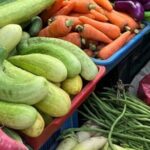
- The market visit: vegetables, conversations, and spice context
- Cooking momo: dough, filling, and the satisfaction of practice
- Dhalbhat (dal bhat) and thukpa: flavor structure, not just spice
- The rooftop kitchen setup and eating at the right moment
- Price and timing: is $25 a good deal?
- Practicalities: mobile tickets, public transit, and weather reality
- Who should book this class, and who might skip it
- Should you book the Momo, Dhalbhat & Thukpa Cooking Class with Esther Rai?
- FAQ
- How long is the Momo, Dhalbhat & Thukpa Cooking Class?
- What dishes will I learn to make?
- Do we stop at a market before cooking?
- Where do I meet for the experience?
- What does the class cost?
- How many people are in the group?
- Is the food included in the class?
- Does the experience depend on weather?
- What is the cancellation policy?
Key things you’ll notice right away
- Market-first shopping at a local vegetable market with chances to interact with sellers
- Three classic dishes: momo, dhalbhat (dal bhat), and thukpa, taught through practice
- Built-in cultural walk through Patan, including Hiranya Varna Mahavihar (Golden Temple)
- Small group size with a cap of 10 travelers for more hands-on attention
- You eat what you cook, served once the dishes are ready
- Rooftop kitchen setting near Patan Durbar Square for an easy add-on day
Patan morning, market-first cooking, and why it works
If you’ve ever done a cooking class that felt like a kitchen-only workshop, this one changes the angle. Before you touch dough or chop herbs, you start at a local vegetable market. That first step matters because it shows you how Nepali cooks think about food: ingredients are chosen in the real world, then translated into flavor with basic skills and a confident sense of seasonings.
Esther Rai’s approach is also personal. She started her cooking class program during Covid-19 as a way to create financial support for her family, and you can feel that care in the way she teaches. The menu is flexible too. She teaches momo, dhalbhat, and thukpa, and she can follow guest requests for what you make or focus on during the session.
The market part isn’t just shopping. You’re meant to talk with local people and see what’s being used right now. That makes your later cooking choices easier, even if you’re a first-timer. When you know what you bought and why, your finished dish feels more like your own work, not a copied recipe.
You can also read our reviews of more tours and experiences in Kathmandu.
Hiranya Varna Mahavihar and Patan: sightseeing that feeds your appetite
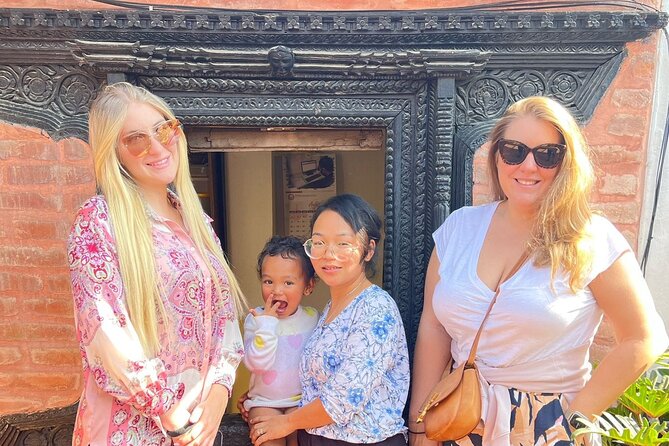
Your morning isn’t only food. It begins with a stop at Hiranya Varna Mahavihar, often called the Golden Temple. Even if you’re not a dedicated temple-hopper, this stop gives you a sense of Patan’s texture before you move toward the cooking.
Then you shift into Patan (Lalitpur) proper. Patan’s old-town vibe fits the class theme: food traditions are tied to daily life, family habits, and community rhythms. Walking through the area before you cook also helps you “wake up” your senses. You notice spice smells later, and you understand why certain ingredients matter.
Practical note: the class is built around walking and a morning schedule. If you have tight mobility constraints, you’ll want to consider that between the meeting area and the sights. The upside is timing: this is a morning plan you can stack onto your Patan day without turning your afternoon into a recovery session.
Where you meet in Lalitpur (and how close you really are)
You’ll meet at Nagabahal – Nyadha Galli, Lalitpur 44600, Nepal, and the experience ends back at the meeting point. That loop matters because it keeps navigation simple. You’re not dropped into some far corner of the city at the end.
Location is a big part of the value here. The cooking spot is about 5 meters from Patan Durbar Square, which is almost comically close. If you want to add museum time, temple photos, or just wandering after the meal, you can do it without a long transfer. It also means you’re cooking in a neighborhood setting rather than a remote workshop site.
The class uses a mobile ticket, and you get confirmation at booking. It’s a straightforward setup, good if you’re the kind of traveler who likes to travel light and keep decisions simple.
The market visit: vegetables, conversations, and spice context
The market stop is built around a local vegetable market. You’ll see ingredients being handled and chosen, and you’ll interact with sellers. This is where you start learning the “why” behind Nepali cooking.
Here’s what you should pay attention to, even if you can’t read everything on signs:
- Which vegetables look fresh and why they’re being selected
- How sellers explain or suggest items
- What herbs and seasonings appear again and again
That pattern recognition helps later when you’re cooking momo, dhalbhat, and thukpa. It also helps you avoid the common cooking-class trap: making something tasty but disconnected from its source.
In one key way, this market-first method improves your outcome. When you’re taught how to season and build flavor, you’re not starting from scratch. You already know you have the right components because you helped choose them. That gives you a better chance of repeating the dish later, even with different brands in your home kitchen.
Cooking momo: dough, filling, and the satisfaction of practice
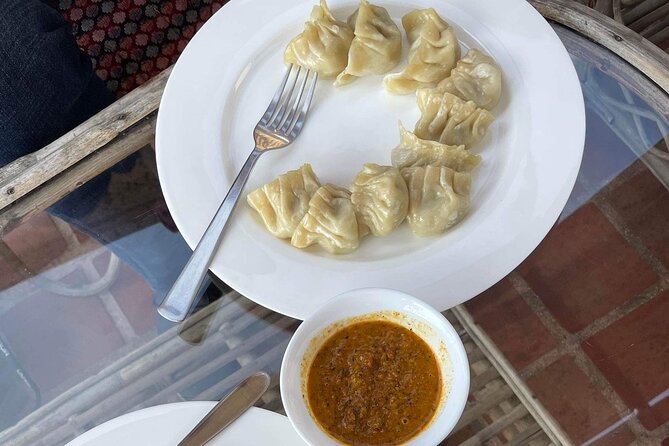
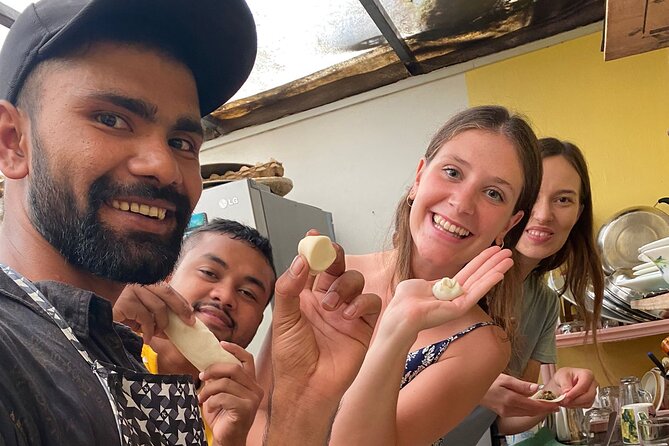
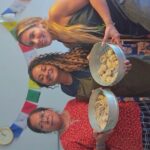
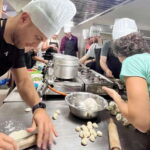
Momo is the star for a reason: it’s friendly, hands-on, and quick to evaluate. You’ll learn and practice making momo, and this kind of practice-based class is ideal for travelers who want to do more than watch.
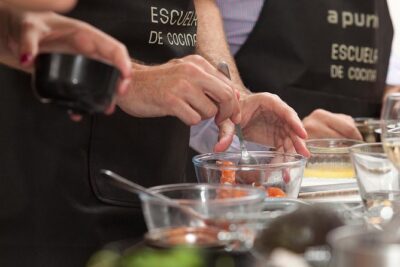
What you can expect is a real “learning by doing” style. You’ll work with dough and filling processes, then assemble. The class isn’t just about memorizing steps. It’s about getting the feel right, because momo quality is about texture and sealing.
If you’re a beginner, this format is reassuring. You’re not thrown into a complicated multi-day project. You’re learning one core dish as a skill, then you move to the next. That also means you’ll get faster feedback as the morning goes on.
Dhalbhat (dal bhat) and thukpa: flavor structure, not just spice
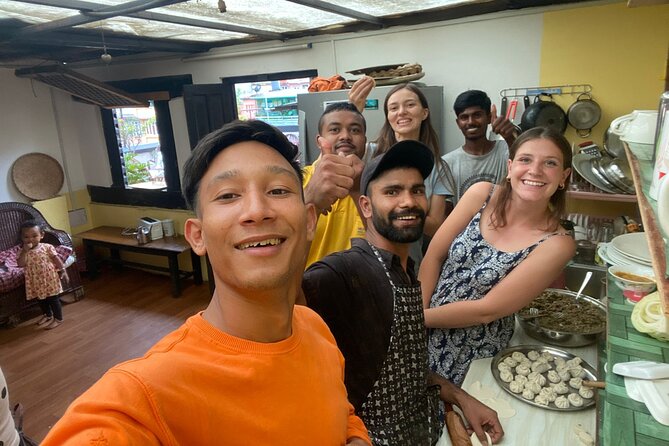
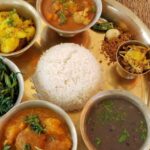
Dhalbhat (dal bhat) isn’t only a meal in Nepal. It’s a system. In cooking lessons, that shows up in how the components work together: a warm base (like lentils), a curry or sauce element, and sides that balance the whole plate.
In sessions like this one, you may also work with a curry component. The overall idea is consistent: you learn how dal bhat comes together as a complete comfort-food plate, not separate recipes living on their own.
Thukpa adds a different kind of learning. It brings broth and noodle structure into the mix, so you’re paying attention to timing and seasoning balance. Thukpa also teaches you a key Nepali cooking principle: flavor isn’t only heat. It’s layering. You taste, adjust, and understand how spices behave when they hit hot liquid.
This mix of dishes is what makes the class feel like more than a one-note “momo day.” You get three different cooking styles: stuffed dumplings, lentil-and-curry comfort, and a noodle soup build.
The rooftop kitchen setup and eating at the right moment
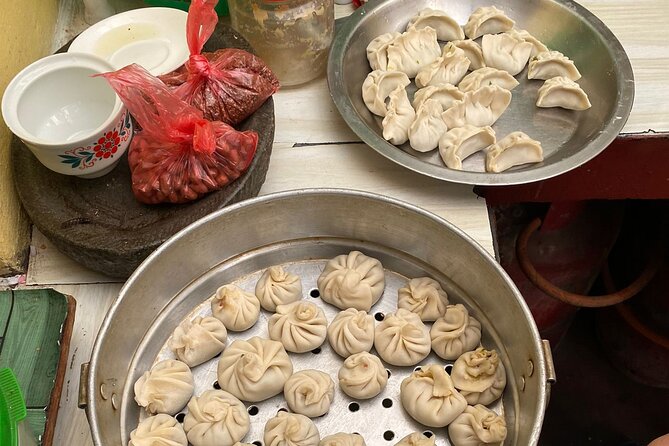
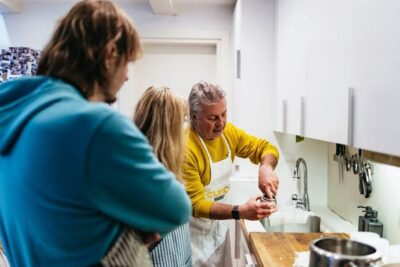
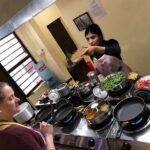
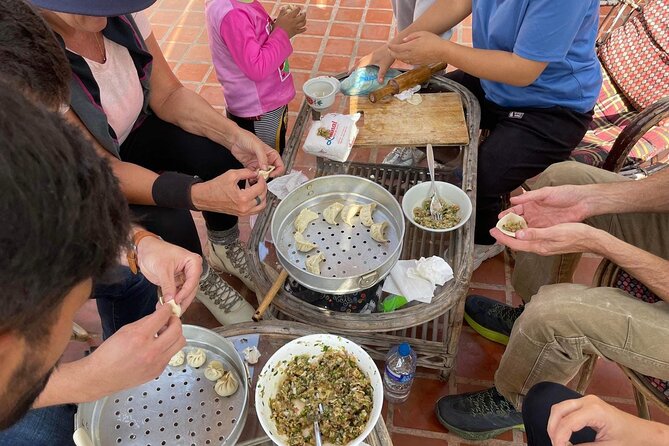
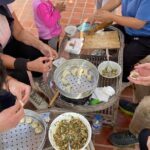
The cooking happens at a rooftop kitchen setting. That matters more than it sounds. A rooftop setup often means you’re cooking in a more relaxed, family-style rhythm, with the room arranged for group instruction.
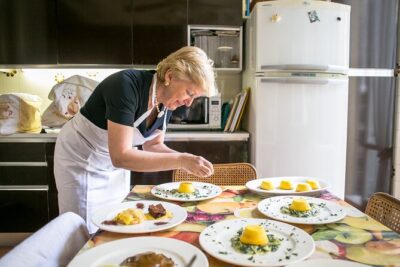
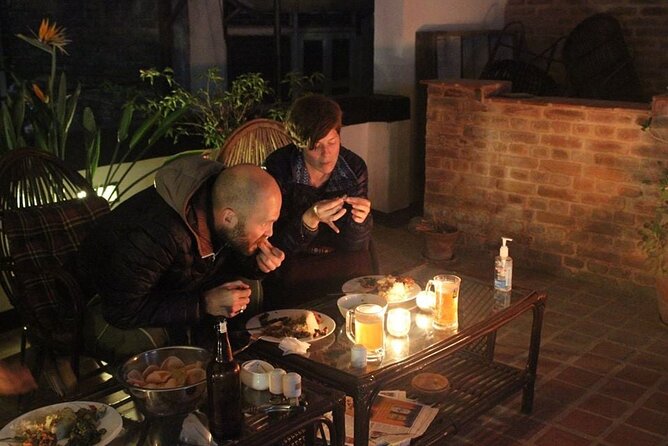
When you’re done cooking, you eat the food once it is cooked. That’s one of the best parts of any class because it removes the awkward gap between effort and payoff. Instead of eating a pre-made meal or sampling small bites, you get to eat the result while it’s still at its peak.
You should also expect warmth in the teaching. Esther and her collaborator (Amos appears in past sessions) explain what you’re doing and answer questions. The tone is practical and friendly, the kind that helps when you’re learning unfamiliar spices or techniques for the first time.
Price and timing: is $25 a good deal?
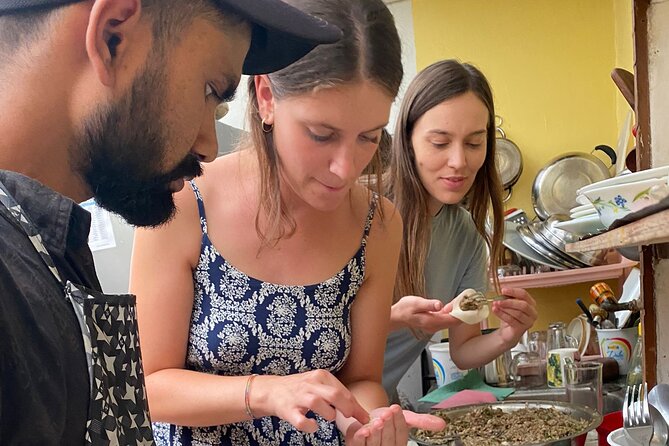
At $25 per person for about 3 hours, this class sits in the lower-to-mid range for what you typically pay for guided food experiences in the Kathmandu area. The value comes from what’s included, not from any fancy extras.
You get:
- A market visit where ingredients are part of the lesson
- Instruction and practice for multiple dishes (momo, dhalbhat, thukpa)
- A full meal at the end, eaten once cooked
- A small group setting (max 10)
- A connected cultural walk through Patan and a Golden Temple stop
If you’ve paid more for cooking classes that felt like “watch and taste,” this one has a stronger teaching-and-doing ratio. It’s not a long day, either. Three hours is short enough to fit into a realistic sightseeing schedule without forcing you to reorder the rest of your trip.
One more practical point: the average booking is around 6 days in advance. That suggests it’s popular enough that you should reserve early if your dates are set.
Practicalities: mobile tickets, public transit, and weather reality
This experience uses a mobile ticket, and you’re near public transportation. That’s handy in a city where moving around can be smoother with fewer transfers. Confirmation comes at booking time, so you’re not left waiting for last-minute details.
The big real-world constraint is weather. The class requires good weather, and if it’s canceled due to poor weather, you’ll be offered a different date or a full refund. That’s important for planning: if you’re visiting during a period with frequent rain, keep a flexible morning on the calendar.
Also consider your personal style. If you want every step to be entirely self-directed, you might find that some prep is handled by the host team. The upside is that this keeps the class flowing and helps you finish a meal you can actually enjoy.
Who should book this class, and who might skip it
Book it if you:
- Like learning food through local shopping and practical steps
- Want a morning plan that includes both culture and cooking
- Enjoy dumplings, lentils, and noodle soups
- Prefer small groups with real instruction
It’s also a strong pick for people who want to understand Nepal through ordinary daily food, not only through monuments. The market stop and Patan walking element make the cooking feel grounded.
You might think twice if you:
- Need a very self-directed cooking experience where you do everything without assistance
- Have strict dietary requirements that must be followed carefully (since the market includes buying vegetables and meat, you’ll want to discuss requests in advance)
Should you book the Momo, Dhalbhat & Thukpa Cooking Class with Esther Rai?
If you want a food experience that connects directly to Patan life, this one is a smart bet. The market-first start, the mix of momo plus dal bhat plus thukpa, and the fact that you eat what you cook all point to value.
It’s also hard to ignore the track record: it’s rated 4.8 out of 5 from 12 ratings, with 100% recommended. That doesn’t mean it’s perfect for everyone, but it does suggest the formula works.
My decision advice: if you’re spending time in Lalitpur anyway, and you want one morning that gives you both context and hands-on skills, book it. If your schedule is tight, prioritize this because you get sights plus cooking in about 3 hours, and the cooking location is close enough to Patan Durbar Square that your day doesn’t end when class finishes.
FAQ
How long is the Momo, Dhalbhat & Thukpa Cooking Class?
The class lasts about 3 hours.
What dishes will I learn to make?
You’ll learn and practice making momo, dhalbhat (dal bhat), and thukpa.
Do we stop at a market before cooking?
Yes. The class includes a visit to a local vegetable market where you buy ingredients before you start cooking.
Where do I meet for the experience?
You meet at Nagabahal – Nyadha Galli, Lalitpur 44600, Nepal.
What does the class cost?
The price is $25.00 per person.
How many people are in the group?
There is a maximum of 10 travelers.
Is the food included in the class?
Yes. You eat the food once it is cooked.
Does the experience depend on weather?
Yes. The experience requires good weather. If it’s canceled due to poor weather, you’ll be offered a different date or a full refund.
What is the cancellation policy?
You can cancel for a full refund up to 24 hours in advance. If you cancel less than 24 hours before the start time, the amount paid is not refunded.