REVIEW · MARRAKESH
Marrakech: Moroccan Cooking Class with Amazing Local Chef!
Book on GetYourGuide →Operated by EXCURSIONS 4 YOU · Bookable on GetYourGuide
Smell the spices, then cook them. You’ll start with mint tea at a traditional riad or farmhouse, then spend four hours learning Moroccan classics with an expert chef—hands-on and very doable.
I especially love the warm welcome and the way the cooking is paced for real people, not food-TV robots. I also love that you leave with recipe cards, so the flavors don’t vanish the moment you land back home.
One thing to plan for: the meeting spot can be a little tricky because the building exterior may not have a clear sign. Use Google Maps for the exact pin at ArtEscape Marrakech, then head to door 312 and ring the bell.
In This Review
- Key reasons this Marrakech cooking class is worth your time
- Where you’ll cook: riad calm or farmhouse space
- The 10:30am start: how the class flows for a stress-free cooking day
- Course 1 and Course 2: Moroccan salads that actually taste like Morocco
- The tagine lesson: slow cooking, clay-pot flavor, and spice balance
- M’semmen bread: the hands-on skill everyone talks about
- Dessert: sweet finish plus a drinkable Morocco moment
- Stories while you cook: Berber techniques and North Africa flavors
- What you actually get at the table: shared dining that feels like a meal, not a demo
- Price and value: why $45 feels fair for what you’re getting
- Who should book this Marrakech cooking class
- Quick logistics to make the day smoother
- FAQ
- What dishes are included in the 4-course menu?
- How long is the cooking class in Marrakech?
- What languages will the chef or guide speak?
- Where do I meet the group?
- Are vegetarian options available?
- Can I cancel if my plans change?
- Should you book this Marrakech cooking class?
Key reasons this Marrakech cooking class is worth your time
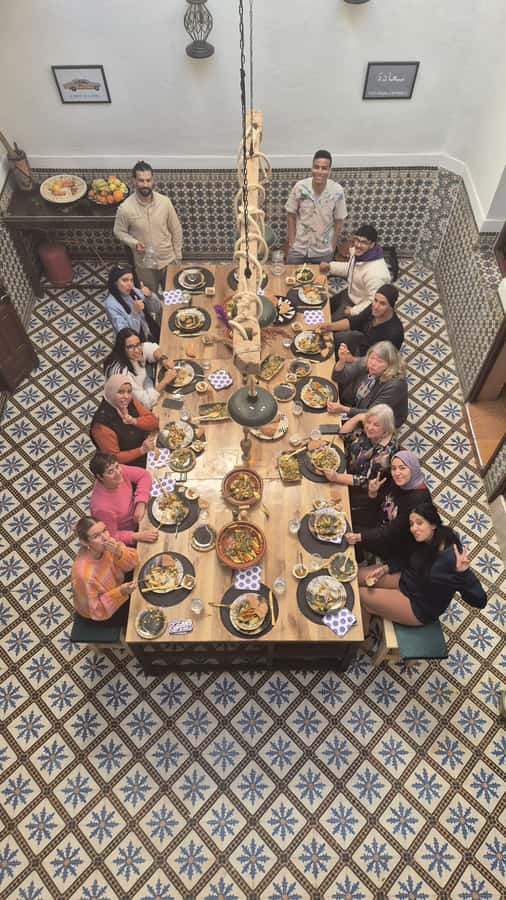
- A real 4-course meal: two Moroccan salads, tagine of your choice, m’semmen bread, and a sweet finish
- Tagine technique in clay pots: you learn how to build flavor before slow cooking takes over
- M’semmen is a skill, not magic: layered flatbread instructions you can actually repeat later
- Berber cooking methods and family stories: the chef explains not just what to do, but why it matters
- Multilingual guidance: English, French, and Arabic, so you’re not stuck guessing
- Day-to-day comfort: reviews mention clean, friendly facilities and a relaxed group vibe
Where you’ll cook: riad calm or farmhouse space
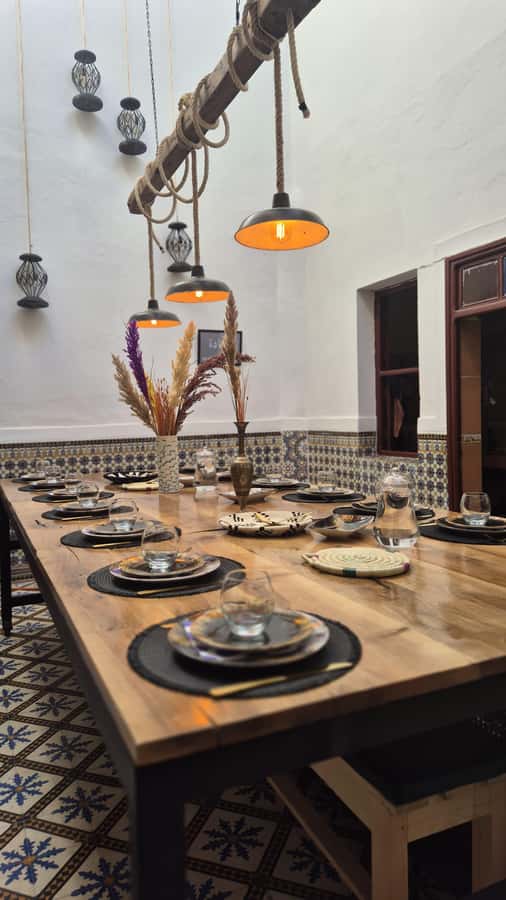
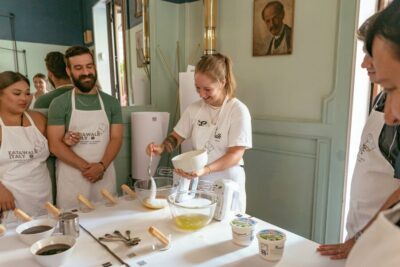
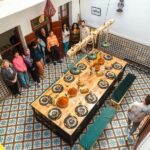
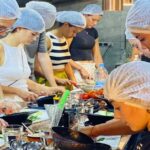
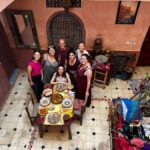
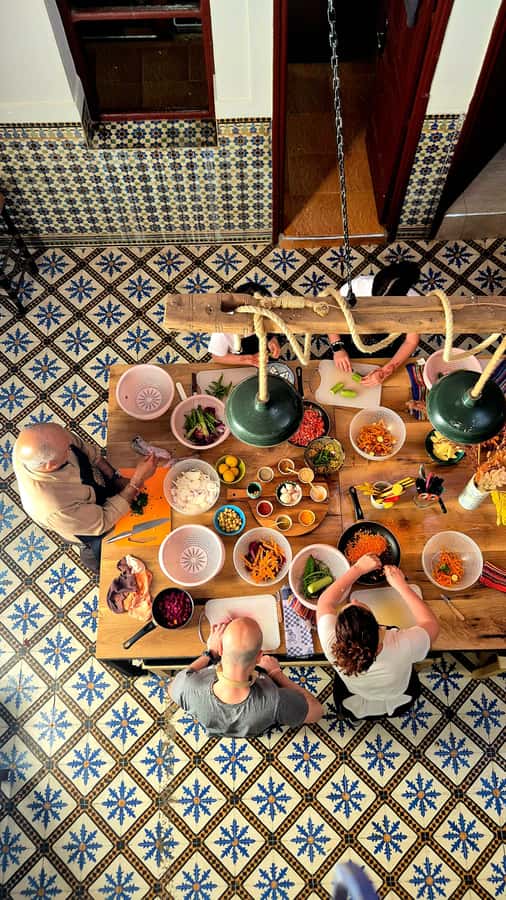
This class is set in a traditional Marrakech riad or, sometimes, on a beautiful farmhouse. Either way, the point is the same: you’re cooking in a real place, not a showroom kitchen. The setting matters because Moroccan cooking is tactile. You’ll chop, mix, fold dough, and watch sauces change as they heat.
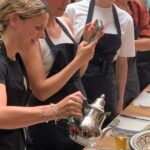
You’ll arrive to a welcome tea ceremony—sweet Moroccan mint tea, plus pastries. This isn’t a quick gimmick. It’s how you get into the rhythm of Morocco right away: pause, sip, and get introduced before the cutting boards come out.
And yes, you’ll want comfortable shoes. Even if the space is tidy, kitchens in riads and farmhouses are still kitchens—slightly uneven floors and all. Bring a camera too, because you’ll be proud of what you made.
You can also read our reviews of more tours and experiences in Marrakesh.
The 10:30am start: how the class flows for a stress-free cooking day

The session runs from 10:30am to 2:30pm. That four-hour window is long enough to learn real techniques, but short enough that you won’t feel like you’ve signed up for a full-day food bootcamp.
Here’s the rhythm you can expect:
1) Welcome + tea + intro
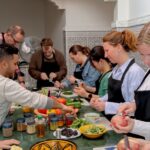
2) Hands-on prep (vegetables, spices, and dough work)
3) Cook-and-watch phase (especially for tagine and bread)
4) Shared sit-down meal with the food you made
5) Sweet dessert finish
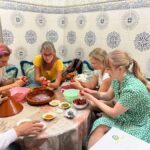
The class also encourages participation—so you’re not just standing around “observing.” People tend to get involved, and the pacing is designed so explanations don’t feel overwhelming.
Course 1 and Course 2: Moroccan salads that actually taste like Morocco
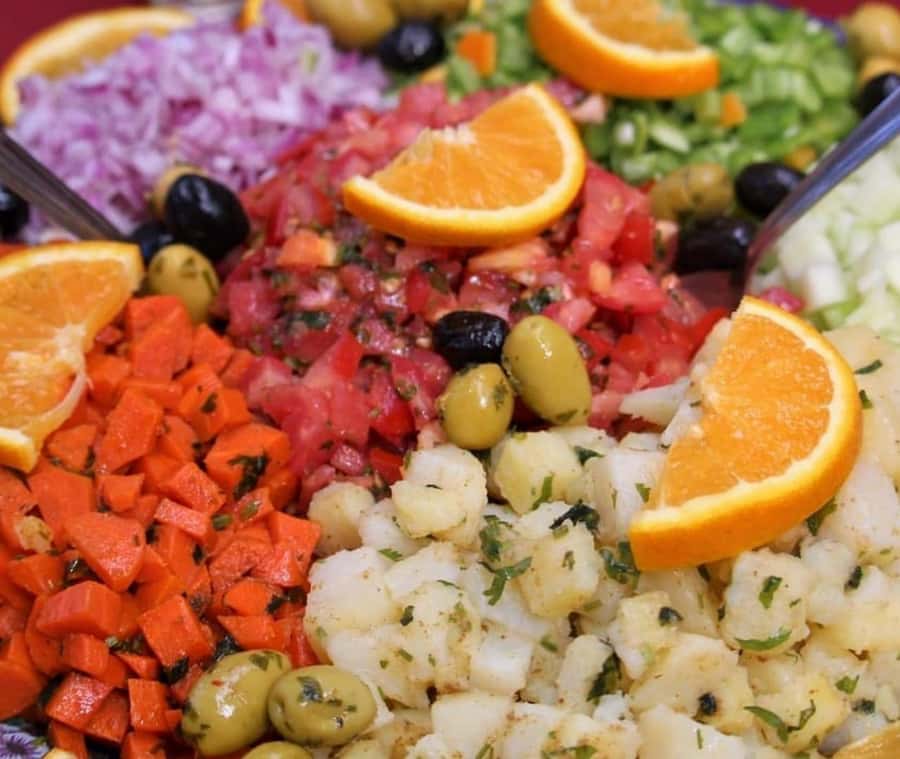
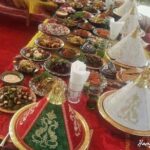
The class includes two Moroccan salads. You’ll work with fresh, seasonal ingredients and learn how Moroccan salads balance:
- crunch from vegetables
- brightness from herbs and citrusy notes
- seasoning that’s not shy, but still controlled
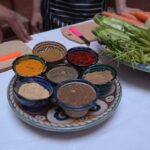
This is where you start seeing the Moroccan approach to flavor: spices and aromatics show up early, but they’re not trying to overpower everything. Instead, they create an underlying perfume that makes the food feel complete.
You’ll also likely notice something important: salads aren’t treated like an afterthought here. They’re built to hold their own against slow-cooked tagines.
If you’re coming with family, this is a great place to start because salads are interactive. Chopping and mixing are easy wins, and they help you get comfortable before you go near slower, simmering dishes.
The tagine lesson: slow cooking, clay-pot flavor, and spice balance
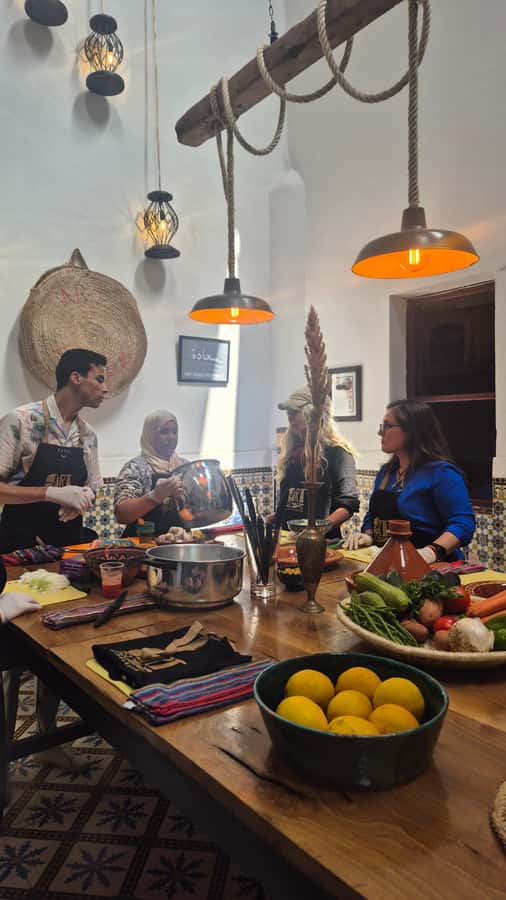
Next comes the tagine of your choice. Tagine cooking is where Moroccan food becomes unmistakably Moroccan: aromatic, warm, and layered.
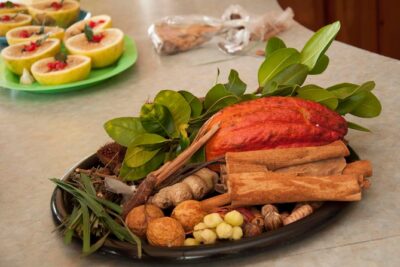
You’ll learn the secrets of Moroccan cuisine from the chef, including how older Berber methods shape dishes. In practice, that means you’re not just dumping ingredients in a pot. You’ll learn how to build flavor and how spices behave as they heat.
A big part of what makes tagine special is the process. The clay pots help distribute heat gently. The result is comfort food with depth—tender meats (or a vegetarian version, depending on your choice) and a sauce that tastes like it took its time, because it did.
One more practical note: tagine time can be a little waiting game. That’s normal. The payoff is when you finally eat and realize the waiting was the point.
M’semmen bread: the hands-on skill everyone talks about
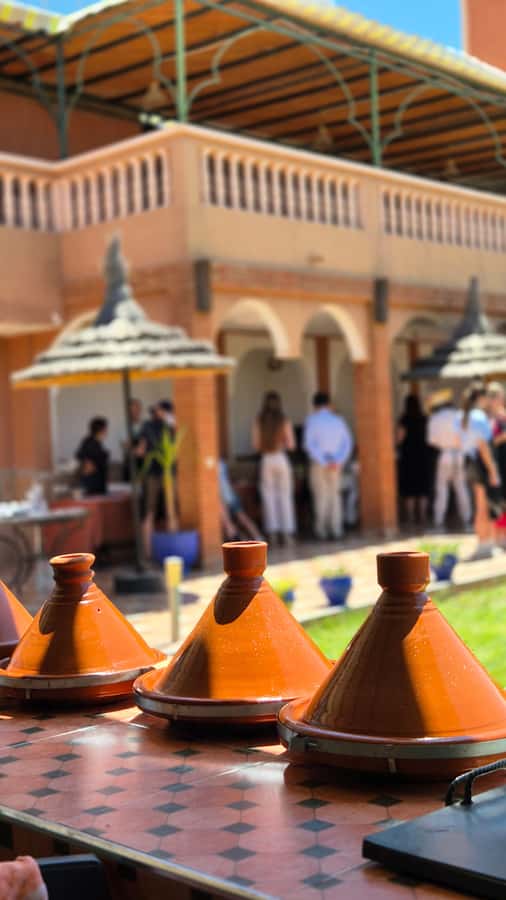
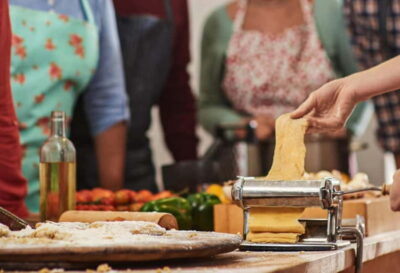
The class includes Moroccan Msumen bread (often spelled m’semmen). This is one of the most fun parts because it’s physical. You’ll work with semolina flour and learn how to shape and layer the dough.
M’semmen is flaky and satisfying, and it’s also one of those foods that feels more impressive the moment you start making it. The chef will guide you step by step, and it’s a genuine confidence booster for anyone who thinks bread is too complicated.
Once cooked, you’ll eat it as part of your meal. Some sessions include dipping options like honey or nut butter, plus different oils. That mix of sweet and savory is very Moroccan—and very addictive with warm bread.
If you’re traveling with teens or curious adults, this bread segment usually lands as a highlight because you get that satisfying moment of I made this.
Dessert: sweet finish plus a drinkable Morocco moment
You’ll end with a dessert. The exact dessert can vary, but expect something sweet and fitting for Moroccan hospitality.
From the experiences described, a common finish includes either:
- a blended beetroot-and-orange style juice with mint and citrusy notes, or
- a honey-forward sweet treat like pancakes served with honey
Either way, dessert here isn’t an afterthought. It’s part of the meal’s pacing: salty and spiced first, then something refreshing or indulgently sweet to close the loop.
And if you’re the kind of person who always orders dessert even when you swear you won’t—this is your moment.
Stories while you cook: Berber techniques and North Africa flavors
Food lessons work best when someone explains the logic behind them. This class includes cultural storytelling and insights into Moroccan culinary traditions. You’ll hear about how Berber cooking techniques were passed down through generations and how flavors from across North Africa and the Mediterranean helped shape Moroccan cuisine.
This is valuable even if you’re not a cookbook person. It helps you understand what to look for when you’re cooking at home: the spice balance, the rhythm of slow cooking, and why certain ingredients show up again and again.
The best chefs teach you a method, not just a recipe. If the chef tells you what to watch for—texture, aroma, timing—you’ll cook better later, even if you forget one ingredient.
What you actually get at the table: shared dining that feels like a meal, not a demo
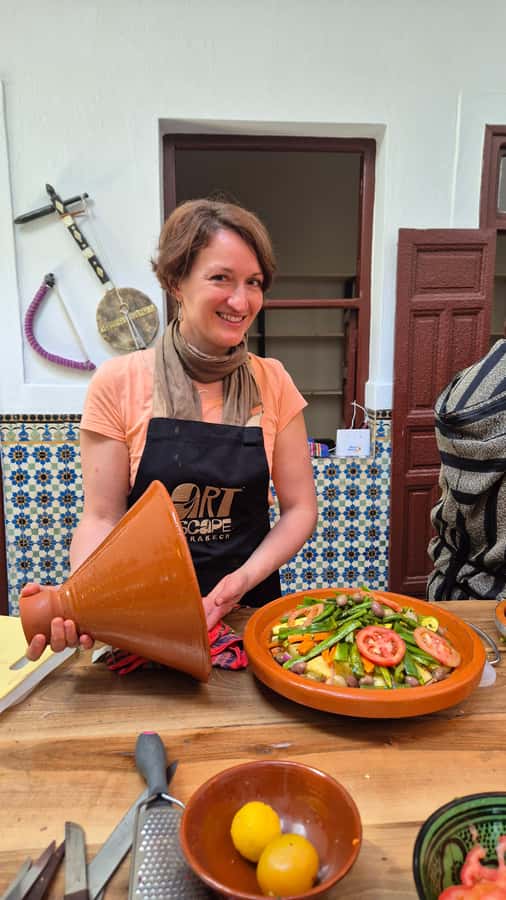
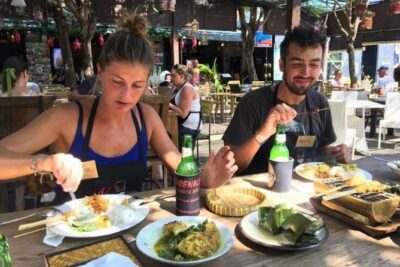
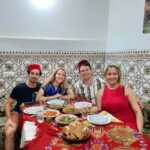
Once the cooking is complete, you sit down and eat what you made. That shared dining part matters. Moroccan cooking is meant for conversation and comfort, not staged plates and awkward silence.
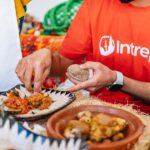
You’ll enjoy your salads, your tagine, and your m’semmen, all with the welcome mint tea vibe continuing at the table. Reviews also point out that the food quality is excellent and that the final meal can be among the tastiest things people eat in Marrakech.
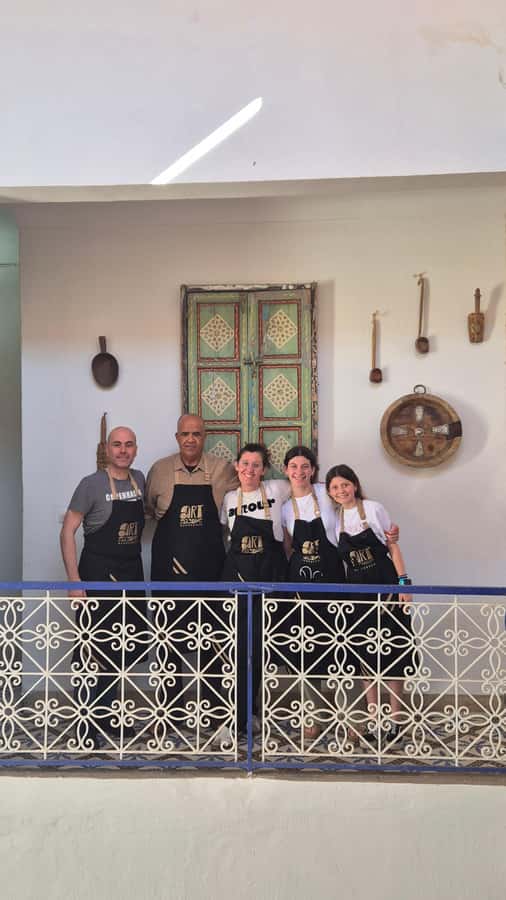
Also: the group setup tends to feel friendly and inclusive. The chefs and hosts are typically warm, and you’re encouraged to ask questions. That makes a big difference if you’re traveling solo or with family and want the day to feel welcoming.
Price and value: why $45 feels fair for what you’re getting
At $45 per person for a 4-hour class with a full 4-course meal, you’re paying for more than ingredients. You’re paying for:
- chef-led instruction (with multi-language support)
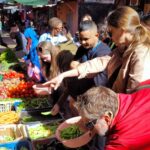
- all fresh seasonal ingredients
- cooking utensils and a proper workspace
- tea ceremony welcome
- recipe cards to take home
In Marrakech, it’s easy to spend money on food. This experience is different because it turns the meal into a skill. Even if you never cook Moroccan food again, you still gain something useful: spice awareness, comfort with tagine logic, and bread confidence.
Value also comes from time. Four hours in a cooking class can replace a chunk of your day that would otherwise be spent wandering and eating. Here you’re doing both—cooking and eating—but with guidance so you don’t waste time figuring things out.
Who should book this Marrakech cooking class
This fits best if you:
- want a practical Moroccan food experience you can repeat at home
- like hands-on activities (not just watching)
- enjoy learning the meaning behind meals, not only the steps
- travel with family and want something fun that keeps everyone involved
It can also work for couples because it’s social without being chaotic.
If you’re a total novice, you’ll still do fine. The instructions are guided and clear, and participation is encouraged. If you’re an experienced cook, you’ll probably appreciate the technique explanations and the “how flavors behave” coaching.
Quick logistics to make the day smoother
- The class runs 10:30am to 2:30pm (about four hours).
- The meeting point uses Google Maps for a specific pin: ArtEscape Marrakech.
- Go to door number 312 and ring the bell if you don’t see a sign right away.
- Bring comfortable shoes and a camera.
Dietary needs matter here. Vegetarian options are available, and you should inform the team about allergies or restrictions when booking.
Language support is a real plus: English, French, and Arabic guidance is available, so you can follow along without guessing.
FAQ
What dishes are included in the 4-course menu?
The class includes two Moroccan salads, a tagine of your choice, Moroccan m’semmen bread, and a dessert.
How long is the cooking class in Marrakech?
The experience lasts about 4 hours, with the morning session running from 10:30am to 2:30pm.
What languages will the chef or guide speak?
The activity is conducted with a guide who speaks English, French, and Arabic.
Where do I meet the group?
Use Google Maps to find the location pin for ArtEscape Marrakech. Arrive at door number 312 and ring the bell.
Are vegetarian options available?
Yes. Vegetarian options are available, and you should share any dietary restrictions or allergies during booking.
Can I cancel if my plans change?
Free cancellation is available up to 24 hours in advance for a full refund.
Should you book this Marrakech cooking class?
Yes, if you want a Moroccan food experience that’s practical, warm, and skill-building. For $45, you’re getting a real four-course meal plus technique coaching you can take home with you on the recipe cards.
Book it especially if you care about doing more than eating. This class is made for learning how tagine flavor is built, how m’semmen is shaped and cooked, and how Moroccan salads fit into the meal—not just as decoration.
The only reason not to book is if you’re looking for a super casual, zero-effort activity. This is hands-on by design. If that’s your vibe, you’ll likely have one of your best days in Marrakech—spice-stained hands included.