REVIEW · MADRID
Madrid: Half-Day Spanish Cooking Class
Book on GetYourGuide →Operated by Cooking Point · Bookable on GetYourGuide
Paella and tapas you actually make. This half-day Spanish cooking class in Madrid is built around hands-on cooking with an English-speaking chef, and I like the fact that you end up eating what you cook, not just watching from the sidelines. You can choose a morning paella class with a market visit or an evening tapas session.
One thing to plan for: there’s no hotel pickup, and the meeting point can vary by option, so you’ll want to be ready to get there on your own.
In This Review
- Key points at a glance
- Paella morning or tapas evening: which Madrid class fits you?
- The market stop that changes how you cook paella
- Inside the kitchen: what hands-on really means here
- Paella, gazpacho, and sangria: what you cook in the morning
- Tapas class at night: a full menu of 5 tapas plus dessert
- Sangria and the shared table: why the meal part matters
- Dietary needs and allergies: how this class handles real life
- Price and value: $100 for 4 hours, but what are you really buying?
- Who should book this Spanish cooking class in Madrid?
- Small logistics that matter: getting there and working in pairs
- Should you book it?
- FAQ
- How long is the Madrid cooking class?
- What are the two menu options?
- Does the class include a market tour?
- Is lunch or dinner included?
- Can the chef accommodate allergies or dietary requirements?
- Is the class taught in English?
- Is hotel pickup included?
Key points at a glance
- Choose your mood: paella in the morning with market shopping, or tapas in the evening for a casual dinner feel
- Hands-on cooking: you prep, cook, and plate your own dishes from start to finish
- You eat everything: lunch/dinner is included, and it’s made by your group
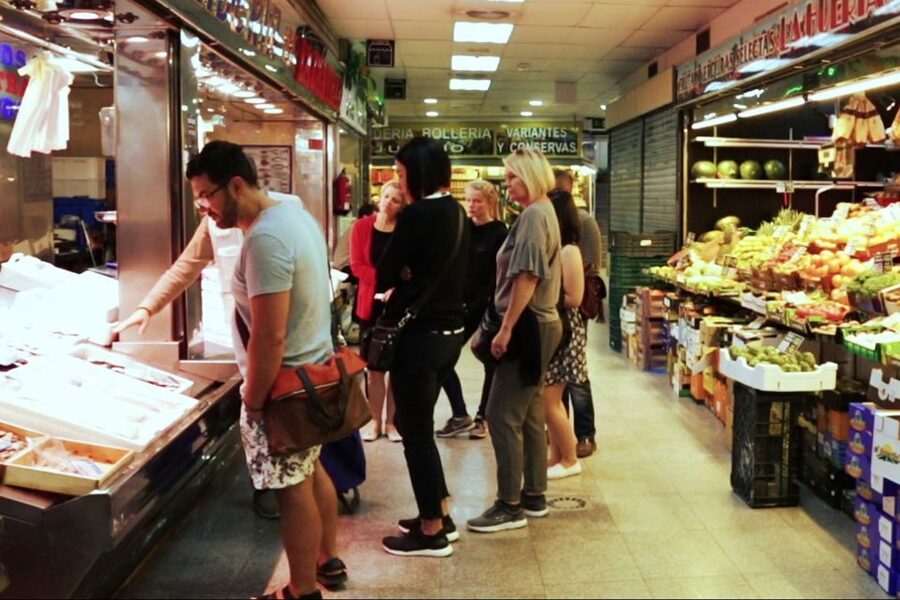
- Market tour only for paella option: shopping for groceries is part of the morning experience
- Dietary needs are handled: allergies and other requirements can be accommodated
- Chefs run the show in pairs: cooking is done in pairs, with partners assigned if you’re solo
Paella morning or tapas evening: which Madrid class fits you?
This is a flexible setup, and that matters. The morning option is about paella and how Spanish cooks build flavor in layers, starting at the market. The evening option is more snack-to-meal: you move through a set menu of five tapas plus dessert, with sangria for the full Spain-at-the-table experience.
If you’re in Madrid for a short visit or you like using the morning well, the paella class has a natural flow: shop, learn, cook, then sit down to eat. If you’d rather end the day with something social and easygoing, the tapas class is hard to beat. It’s designed like a dinner you make yourself, with a clear set of dishes so you’re not stuck guessing what to do next.
You can also read our reviews of more tours and experiences in Madrid.
The market stop that changes how you cook paella
For the morning class, the biggest difference is the local market visit. You’re not just buying ingredients. You’re learning how locals shop for food, and that changes the way you cook because you understand what you chose and why.
You’ll pick up the groceries you’ll use back at the school, then return to cook. Reviews tied to this experience highlight instructors walking people through the food and even topics like what different ingredients are used for, with one mention of ham education right at the market. If you enjoy that extra context, the market part is the value driver here.
A practical note: because the market is part of the morning format, you’ll want to be comfortable with a slightly “active” start to the day. This isn’t a sit-down tasting tour; it’s a shopping + cooking rhythm.
Inside the kitchen: what hands-on really means here
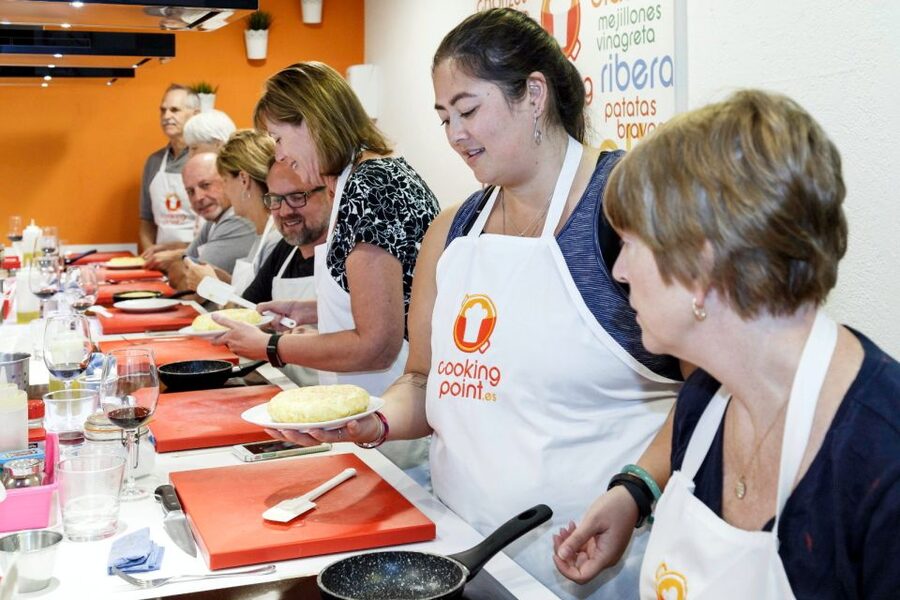
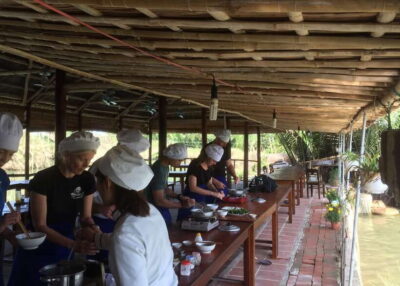
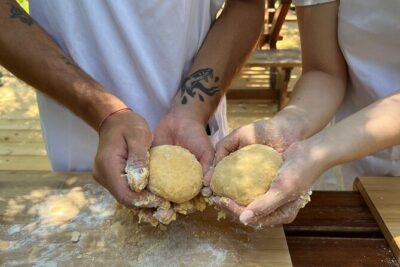
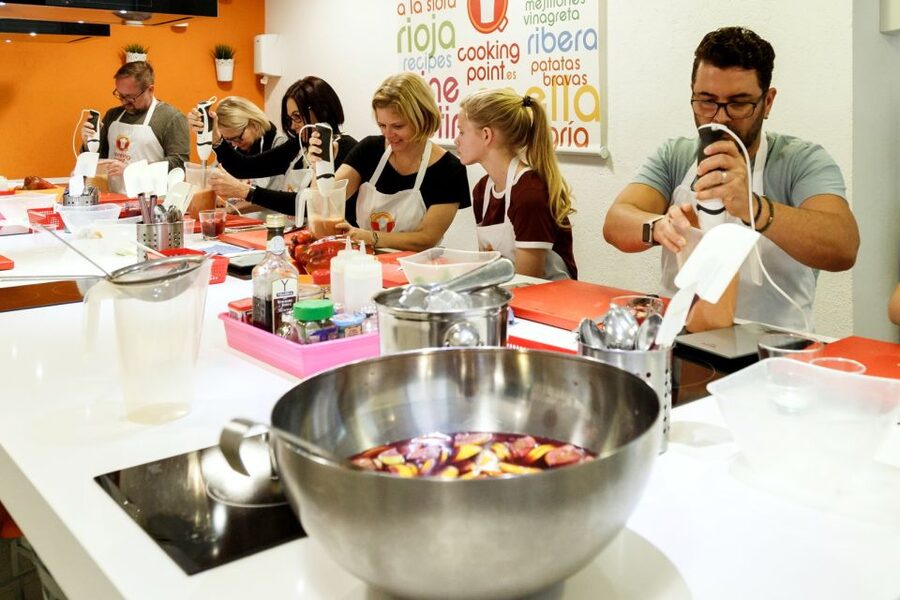
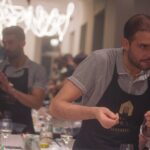
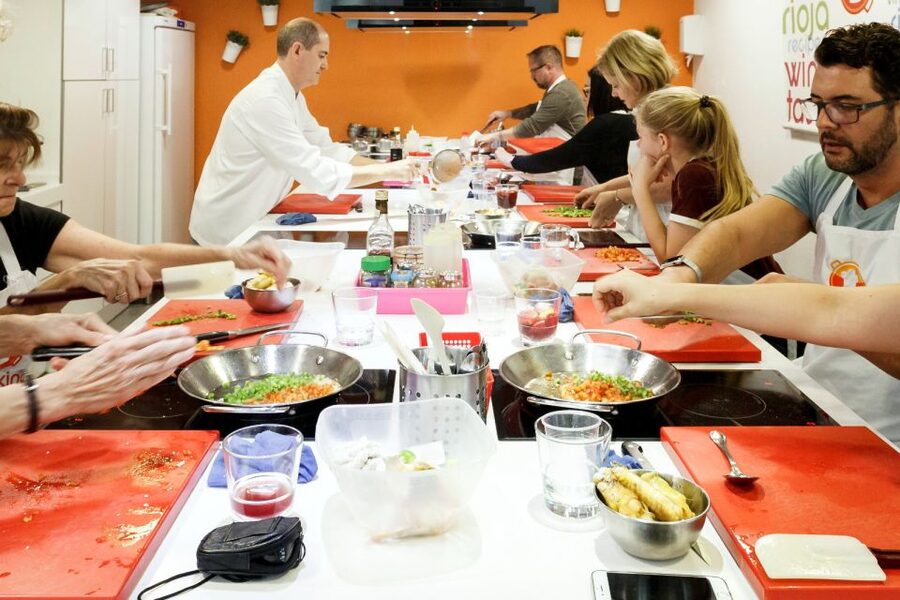
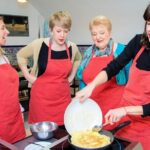
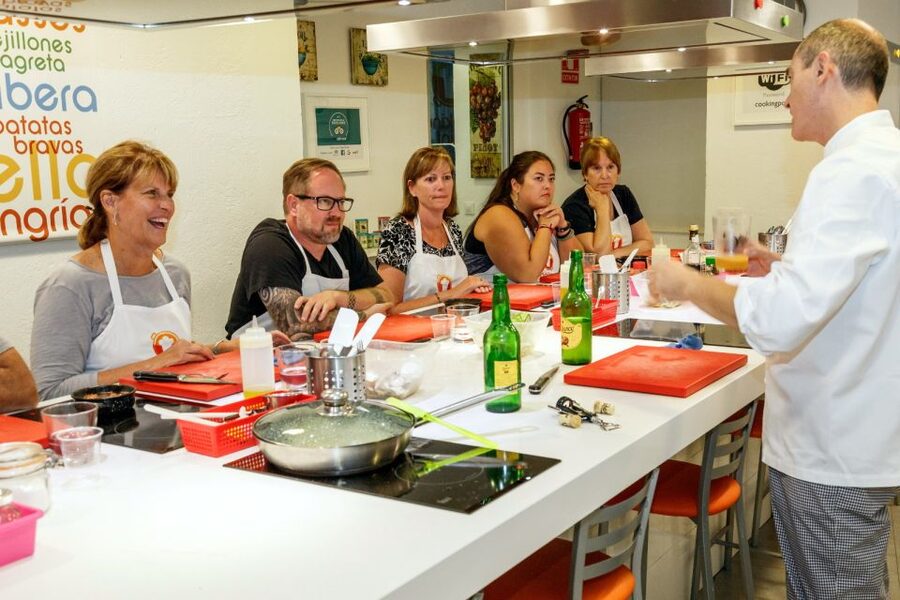
This is not a demo class. You’ll cook your own food from start to finish, following the chef’s directions. The instruction runs in pairs, which keeps things moving and also means you’re not standing around waiting for tools or answers.
That pair format helps beginners, too. If you book solo, the provider assigns you a partner. Several people mention that even when they weren’t with a group, the class still felt fun and not stuck in awkward silence. The environment tends to be organized and relaxed, with instructors explaining steps clearly and keeping the pace friendly.
You’ll also get a recipe booklet, which is a big deal for value. A cooking class is only half the experience if you can’t repeat it at home. With a booklet, you can recreate the dishes without trying to remember every ratio and timing decision.
Paella, gazpacho, and sangria: what you cook in the morning
In the morning paella class, your menu is more than just one dish. You’re making a mixed paella (chicken and seafood), plus gazpacho and sangria. That combination is smart because it covers different Spanish flavors and textures in one sitting: savory and hearty paella, bright chilled gazpacho, then the social, fruit-and-spice vibe of sangria.
Here’s the morning menu in plain language:
- Mixed paella: chicken and seafood
- Gazpacho: cold tomato soup
- Sangria: you’ll make it as part of the experience
The paella itself is the centerpiece, but gazpacho and sangria keep the session balanced. You’re not stuck waiting for one big pot to finish while everything else is theory. Plus, learning a chilled soup and a drinks recipe right alongside your main dish gives you a wider toolkit of Spanish-home staples.
One prep tip that shows up in feedback: chefs sometimes share very practical seafood guidance, like how to handle prawns properly before cooking. That kind of detail is exactly what you want from a class like this, because it’s the difference between okay results and genuinely tasty results.
Tapas class at night: a full menu of 5 tapas plus dessert
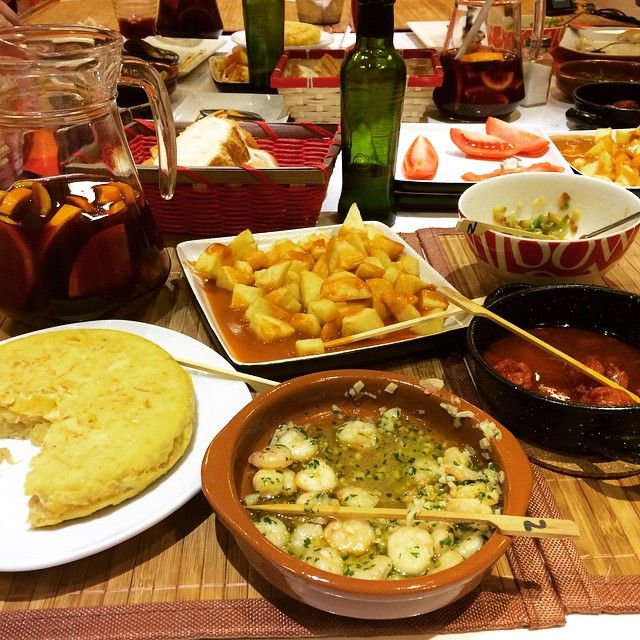
The evening option turns Spain’s snack culture into a complete, structured meal. You cook five tapas, then add a dessert, and you also make sangria. It’s designed as casual dinner energy, not a formal tasting.
Your tapas menu is specific:
- Spanish potato omelet (tortilla style)
- Garlic shrimp
- Chorizo in apple cider
- Patatas bravas
- Tomato bread with ham
Dessert:
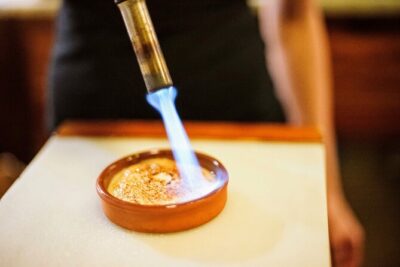
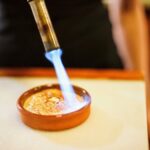
- Catalan crème
This menu is a great mix for a first-time visitor because it hits different Spanish food categories in one go. You get something egg-based, something seafood, something pork, something with potatoes, and something bread-forward. Then the Catalan dessert closes the loop.
Also, the menu size is part of the appeal. Five tapas plus dessert means you leave with real confidence about ordering and recognizing dishes in restaurants. You don’t just hear about Spanish flavors; you reproduce them under guidance.

Sangria and the shared table: why the meal part matters
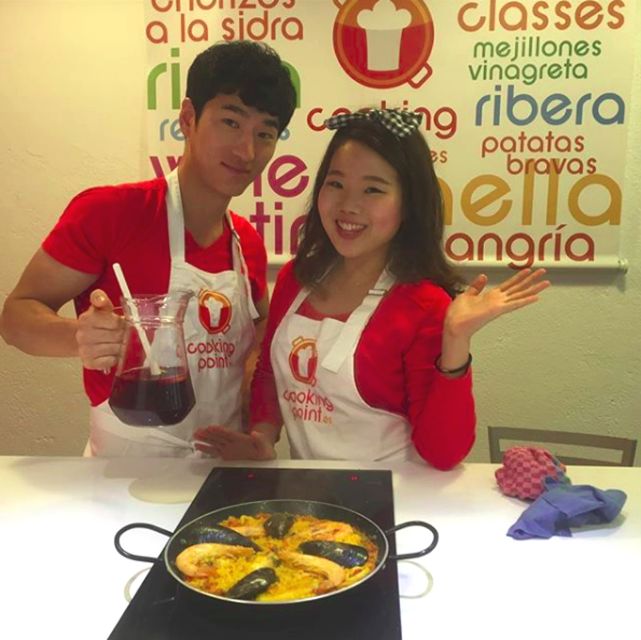
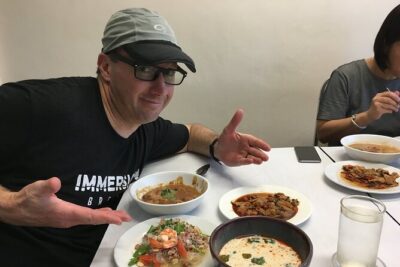
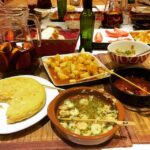
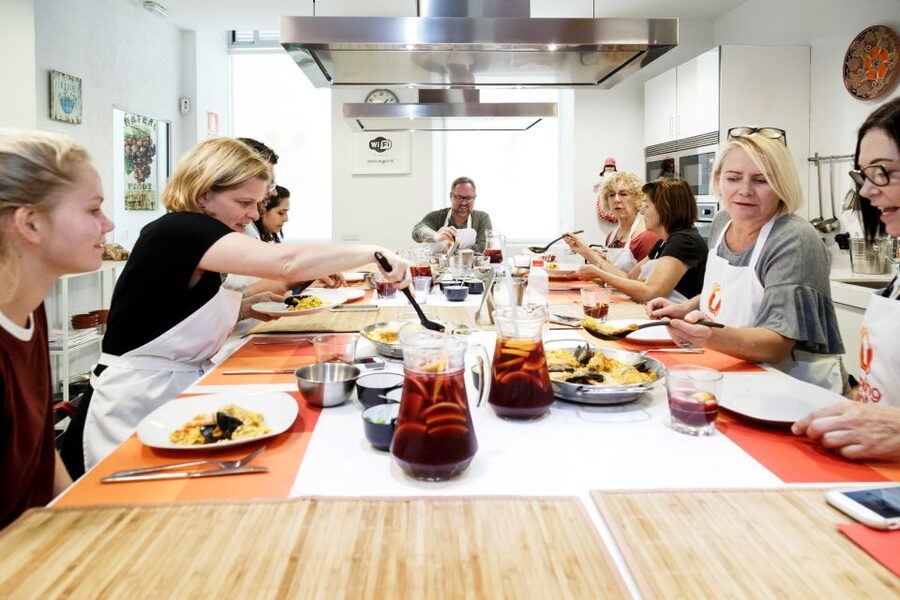
A cooking class is only as good as the eating part, and this one has the right idea: you sit down around the table to enjoy what you made with your fellow cooking buddies. Lunch or dinner is included depending on the option.
Sangria is part of that shared meal, and it’s not treated like a tiny add-on. People specifically mention sangria being generous, which makes sense because it’s built into both class formats. In other words, you get a social rhythm: cook, pour, eat, compare notes.
The best result of this format is practical. You’ll learn flavors and techniques, then immediately taste how they work together as a meal. That’s when tips start to make sense, like why a sauce behaves a certain way or how garlic changes the whole dish.
Dietary needs and allergies: how this class handles real life
One of the simplest things I like about this offering is that food allergies, intolerances, and dietary requirements can be accommodated. That matters in Madrid, where you’ll see plenty of meat and strong flavors in classic dishes.
I’d still recommend telling the provider in advance what you need to avoid, so the chef can plan appropriately. When a class says accommodation is possible, it usually means the chef can adjust ingredients or steps for you and your table.
Price and value: $100 for 4 hours, but what are you really buying?
At $100 per person for a 4-hour experience, the key question is value per hour and value per outcome. Here’s what you get that justifies the price:
- All ingredients and drinks are included
- You get a recipe booklet (helpful for repeats at home)
- Market tour is included only on the paella option
- Lunch or dinner is included, and it’s what you cook
If you compare it to paying for ingredients and a full meal on your own, you’re paying for instruction, organization, and a guided shortcut to learning classic Spanish recipes. And since you leave with both skills and take-home recipes, you’re not walking away with only memories.
The price also makes sense if you’re traveling with family or friends. The class naturally creates a shared activity. Several people mention they brought kids and found it fun for both adults and children, which is a sign the chef’s pacing and explanation style can work across ages.
Who should book this Spanish cooking class in Madrid?
This fits well if you fall into one of these buckets:
- You want a hands-on Madrid food experience, not just a tasting
- You like structure but still want to cook your own menu
- You’re traveling solo and want a built-in partner system
- You’re going with family and want a shared activity around food
- You want recipes you can repeat at home, not only a one-time meal
If you already know you love paella and want the full market-to-pan arc, choose the morning option. If your goal is a menu of favorites and a fun evening dinner experience, the tapas option is the better match.
Small logistics that matter: getting there and working in pairs
Because there’s no hotel pickup, you’ll need to handle your own transit to the meeting point. The meeting point can vary depending on the option booked, so double-check which time slot you booked and where you’re meant to arrive.
Cooking happens in pairs. If you’re solo, you won’t be left out of the work. An assigned partner keeps the class balanced and helps you move through recipes without waiting for someone else’s turn. For many people, this pairing format is one of the reasons the class feels friendly rather than awkward.
Should you book it?
If you want a Madrid food experience that’s equal parts cooking lesson and actual meal, I think this is a strong yes. The reason is simple: you get market context (morning option), you cook in an organized way, and you eat what you make. That combination turns Spanish food into something you can recreate, not just something you sampled.
You might skip booking if you prefer a purely sightseeing-focused day and don’t want to spend time in a kitchen setting. But for most people—especially first-timers who want classic Spanish dishes done the right way—this is a practical, fun use of a half day in Madrid.
FAQ
How long is the Madrid cooking class?
It’s 4 hours long.
What are the two menu options?
You can choose a morning paella class with a market visit, or an evening tapas class.
Does the class include a market tour?
Only the morning paella option includes a market tour.
Is lunch or dinner included?
Yes. The class includes lunch for the paella option and dinner for the tapas option.
Can the chef accommodate allergies or dietary requirements?
Yes. Food allergies, intolerances, and dietary requirements can be accommodated.
Is the class taught in English?
Yes. The instructor is English.
Is hotel pickup included?
No, hotel pickup and drop-off are not included. You’ll need to get to the meeting point on your own.