REVIEW · DA NANG
Da Nang Cooking Class with Coffee Tasting and Market Visit
Book on Viator →Operated by Jolie Danang Cooking Class · Bookable on Viator
Coffee and cooking start this Da Nang morning. The flow is simple: you taste Vietnamese coffee, shop for ingredients at a local market, then cook traditional dishes at a family home in a small group of up to 10. I like the coffee-to-cooking connection because it gives you context for the flavors you’ll use later, and it also sets the tone with a friendly, chatty host.
I also like the hands-on structure, including the market shopping and then preparing at least four traditional Vietnamese dishes with ingredients and equipment provided. You’ll get practical guidance in English from an English-speaking guide, and names like Rosie, Lan, Hanna, Lucy, Kelly, and Blue show up in feedback as hosts who keep things fun while staying on-task.
One consideration: this experience requires good weather, and there’s also a minimum number of travelers to run the tour. If you’re traveling at a busy or tight time window, it’s worth booking with a little flexibility.
In This Review
- Key highlights you’ll actually care about
- Why This Da Nang Cooking Class Puts Coffee and the Market Front and Center
- Your 3.5-Hour Plan: What the Timing Feels Like
- Meet-Up Details and Getting There (Without Stress)
- Vietnamese Coffee Tasting: The Flavor Lesson Before the Cooking Starts
- The Market Visit: How Families Actually Shop for Dinner
- Cooking at a Local Family Home: What Hands-On Really Means
- The Dishes: At Least Four Recipes You Can Repeat at Home
- Lunch and the Family-Style Meal: Enjoy It Like You Mean It
- Small Group Size and English-Friendly Guidance
- Price and Value: Is $45 Worth It in Da Nang?
- Who Should Book This Cooking Class (And Who Might Skip It)
- Practical Tips Before You Go
- Should You Book Jolie Danang Cooking Class?
- FAQ
- What is included in the Da Nang cooking class?
- How many dishes will I cook?
- Where do I meet the guide, and where does it end?
- Do I need hotel pickup and drop-off?
- Can I get a vegetarian option?
- How big is the group?
- What is the cancellation policy?
Key highlights you’ll actually care about
- Vietnamese coffee tasting first, so you understand the brewing style before you cook
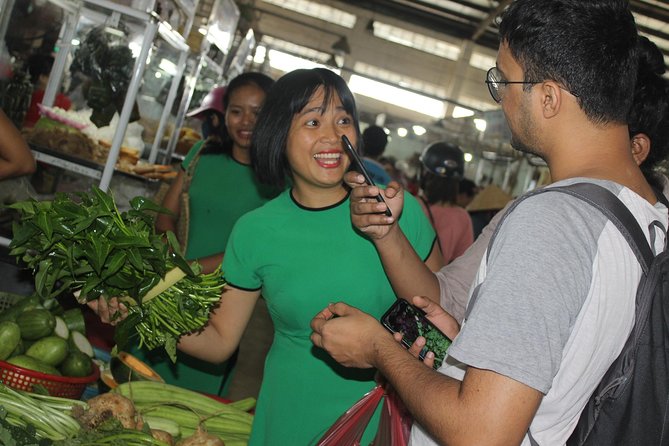
- Market visit for fresh ingredients, with a look at how families shop for daily meals
- Hands-on class at a local family home, not a warehouse kitchen
- At least four Vietnamese dishes, guided step-by-step using seasonal ingredients
- Small group (max 10), which helps you get more direct attention
- Vegetarian options available if you tell the team when booking
Why This Da Nang Cooking Class Puts Coffee and the Market Front and Center
This is not just a class where you follow a recipe and call it a day. The tour is built around two real-life steps: shopping and tasting. When you see ingredients in the places locals buy them—and when you learn how Vietnamese coffee is brewed—you start understanding Vietnamese cooking as a system, not a performance.
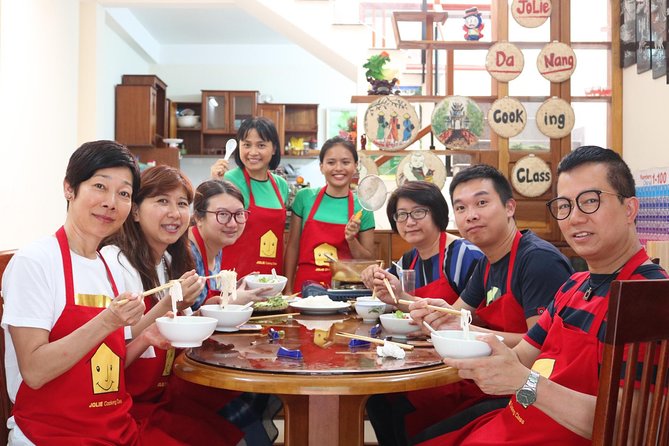
I like that the experience is family-style. The kitchen part is active and practical, but the meal at the end is meant to be enjoyed together, with a warm, home setting that makes the food feel like it belongs to the culture you’re visiting.
You can also read our reviews of more tours and experiences in Da Nang.
Your 3.5-Hour Plan: What the Timing Feels Like
The tour runs about 3 hours 30 minutes, and it’s designed as a steady sequence rather than a rushed checklist. You start at the coffee shop meeting point, then move to the market, and finish back at the same meeting point after lunch.
Here’s the practical takeaway: you’re getting a full arc—intro, shopping, cooking, eating—without it turning into an all-day food crawl. That makes it a good choice if you want one “big food moment” in Da Nang without sacrificing the rest of your day.
Meet-Up Details and Getting There (Without Stress)
The meeting point is 10 Trần Quốc Toản, Hải Châu, Đà Nẵng 550000, Vietnam, and the tour ends back at the meeting point. The experience notes it’s near public transportation, which is helpful if you’re not using hotel pickup.
Now, there’s one small inconsistency to be aware of: the overview talks about hassle-free hotel pickup and drop-off, but the formal inclusions list says hotel pickup and drop-off is not included. My advice is simple: confirm pickup details when you book, especially if your hotel is outside the easy walking or transit area.
A mobile ticket is used for this experience, and you’ll receive confirmation at the time of booking. Since there’s a minimum of 2 people per booking and a maximum of 10 travelers, the day you go can feel more personal than a bigger group tour.
Vietnamese Coffee Tasting: The Flavor Lesson Before the Cooking Starts
You begin at a local coffee shop in Da Nang. The experience includes a Vietnamese coffee tasting and an explanation of traditional brewing methods. This matters because Vietnamese coffee is part of the flavor language in the country, not just a drink you order.
You’ll also get the kind of small, practical cultural practice that makes the experience stick. In feedback, hosts are described as making it fun and educational, including playful moments and even practicing some Vietnamese phrases. If you like learning through real interaction—short conversations, simple phrases, and hands-on taste tests—this first stop is a win.
What to expect: you’ll be tasting, listening, and getting a sense for how locals think about balance—coffee strength, sweetness, and that distinct style of preparation.
The Market Visit: How Families Actually Shop for Dinner
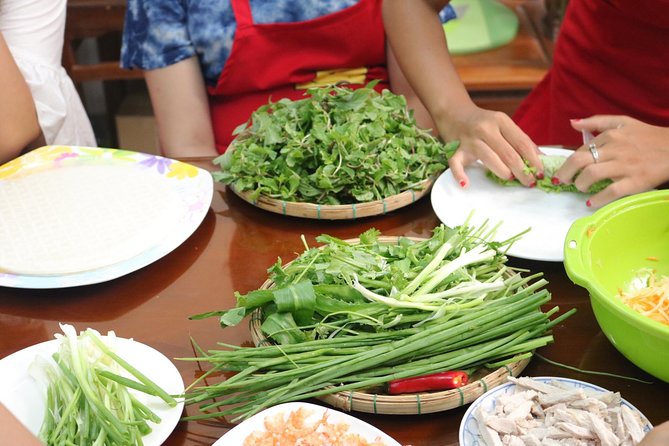
After the coffee, you head to a nearby market. The goal isn’t just sightseeing. You’re shopping for fresh ingredients, and you’re learning what to look for so you can recreate the dishes later.
This is where your cooking class becomes more useful at home. When you understand how ingredients are selected—what looks good, what seems fresh, what’s common for everyday meals—you’re not just copying a recipe. You’re learning how to shop with confidence.
You’ll also get a sense of the food rhythm. The experience includes understanding how Vietnamese families shop for daily meals, which gives you context for the dishes you’ll cook. If you’ve ever cooked at home and thought, I followed the recipe but it didn’t taste right, market knowledge is often the missing link.

Cooking at a Local Family Home: What Hands-On Really Means
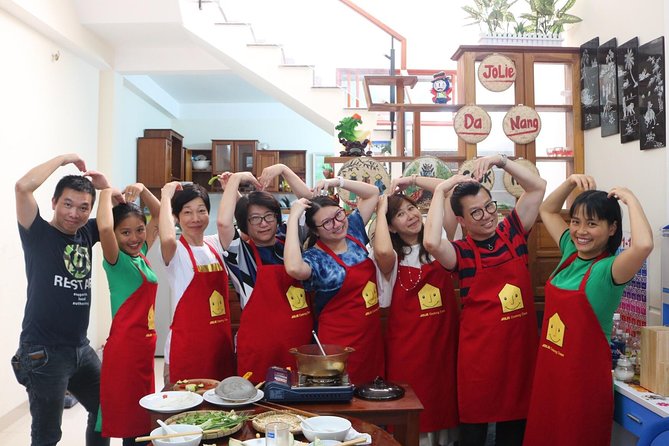
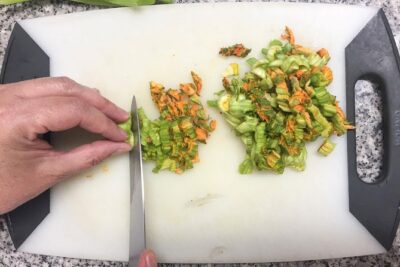
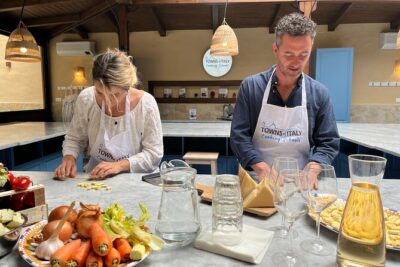
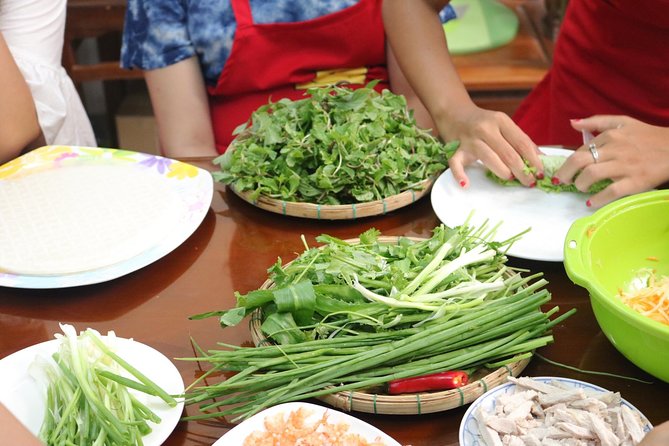
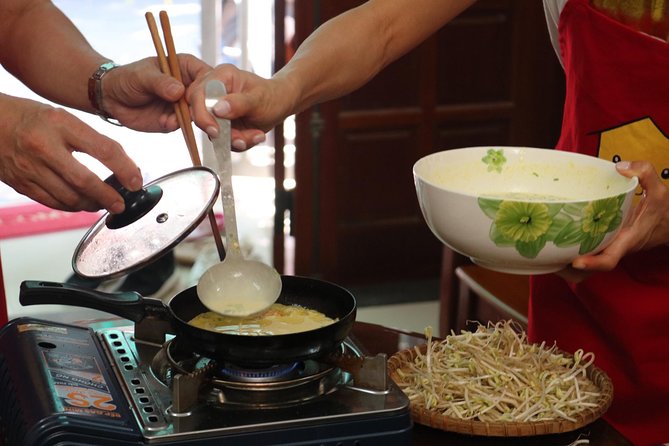
Then comes the main event: a hands-on cooking class at a local family home. You’ll cook several authentic Vietnamese dishes with guidance from your host.
This part is designed around participation. You’re not just watching someone else work while you take notes. Ingredients, equipment, and the meal are included, so you’re free to focus on learning technique rather than logistics.
From the feedback, one thing shows up repeatedly: hosts keep the pace organized and the atmosphere friendly. People mention that the sequence of events and small in-between moments feel just right, and that the kitchen hygiene is handled well. That combination matters. Cooking classes are fun, but they’re also about comfort and confidence—knowing you’re working in a clean space and following a clear plan.
A useful mindset: pay attention to what your host does, not just what you do. Technique is the secret ingredient in any class like this.
The Dishes: At Least Four Recipes You Can Repeat at Home
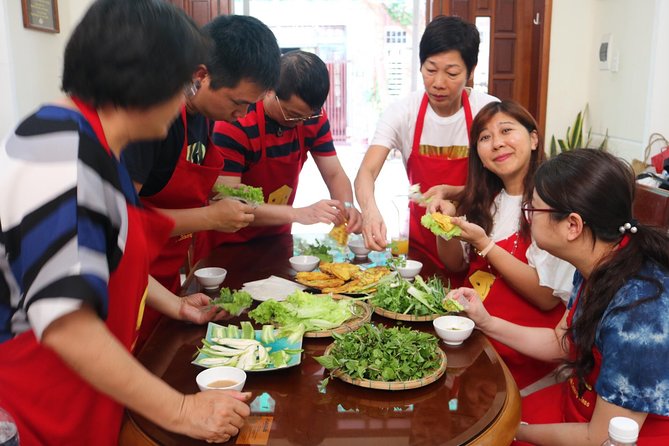
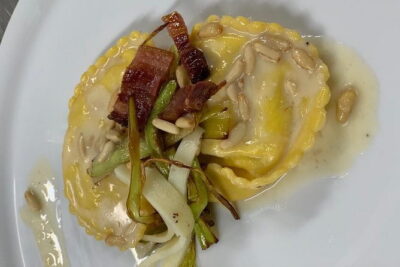
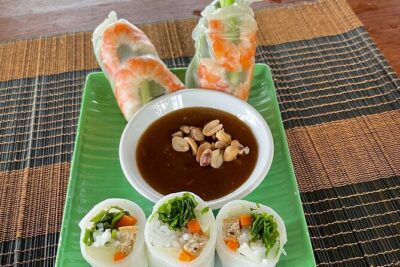
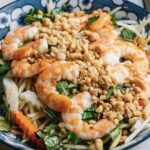
You’ll prepare at least four traditional Vietnamese dishes. The exact menu isn’t listed in the details you provided, but the structure is clear: you’re cooking multiple dishes during the class, and you finish by eating the meal you made.
Here’s the value angle: cooking at least four dishes in one sitting gives you more than a single “wow” recipe. You’ll likely get a mix of flavors and textures, and that helps when you start building your own Vietnamese menu at home.
Vegetarian options are available—just tell the team when booking. Since vegetarian needs can change ingredient choices, it’s smart to communicate early so the kitchen can plan properly.
Lunch and the Family-Style Meal: Enjoy It Like You Mean It
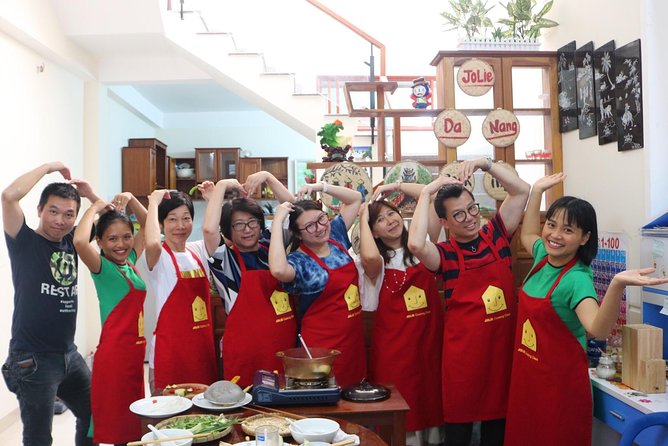
After cooking, you sit down to enjoy a homemade lunch. This is included, and it’s family-style, which usually means everyone shares and you eat in a relaxed way rather than treating lunch like a final test.
This matters more than it sounds. If you only learn how to cook but don’t eat the result in the environment you cooked it, some lessons don’t land. Here, you taste immediately, you understand what success looks like, and you can connect flavor choices to what you just did with your hands.
Also, hosts in the feedback are described as creating a warm environment. When the mood is right, you remember technique better. You tend to notice details like seasoning balance and texture changes—things that are hard to get from a cooking video.
Small Group Size and English-Friendly Guidance
The group maximum is 10 people, and the guide is English speaking. A smaller group is the practical advantage here: you’re more likely to ask questions, and you’re less likely to get stuck waiting for the host when you have a cooking question.
In feedback, different host names are credited for making sessions fun and educational. That’s a strong sign that the team focuses on both teaching and atmosphere. Some hosts are also described as adding playful moments, like shenanigans while food is cooking, and even getting participants to practice simple Vietnamese phrases.
If you enjoy a class that’s structured but not stiff, you’ll probably feel comfortable here. If you prefer silent, no-chat cooking only, you might still learn plenty, but you’ll need to accept that this is a social experience as well as a culinary one.
Price and Value: Is $45 Worth It in Da Nang?
At $45 per person, you’re paying for a compact, high-effort experience: market shopping, Vietnamese coffee tasting, hands-on cooking lessons at a family home, and a full included meal. Ingredients, equipment, and the meal are part of the price, which is where value often hides in cooking classes.
Let’s talk about why it feels like good value for many people:
- You’re not buying a ticket for a single dish. You make at least four dishes.
- The class includes the ingredients and tools, so you’re not doing extra spending to learn.
- The coffee tasting adds context and makes the experience more than just cooking.
The main reason it can feel pricey to someone is if you already feel confident cooking Vietnamese dishes and you mainly want recipes. In that case, a cheaper recipe-focused class might be a better fit. But if you want the shopping and technique guidance, this price starts to look fair fast.
Who Should Book This Cooking Class (And Who Might Skip It)
This tour is a great match if you:
- Want a structured way to learn Vietnamese cooking, not just eat out
- Like hands-on cooking with an English-speaking guide
- Care about where ingredients come from, so a market visit appeals to you
- Enjoy coffee culture and want to understand Vietnamese brewing methods
It’s less ideal if you:
- Prefer cooking at your own pace with no group schedule
- Have a very tight timeline, since the experience is about 3 hours 30 minutes
- Want hotel pickup guaranteed for sure, since pickup is mentioned in the overview but listed as not included in the formal details—confirm before you go
Practical Tips Before You Go
A few simple things will help your day run smoothly:
- Wear comfortable shoes. You’ll be moving between a coffee shop, a market area, and a home kitchen.
- Come hungry. You’re tasting coffee and then cooking enough food to share for lunch.
- Ask about vegetarian needs early if that applies to you. The tour notes vegetarian options are available with advance notice.
- Plan for weather. The experience requires good weather, so build in some flexibility if your schedule is rigid.
If you’re the type who likes to learn through interaction, keep your curiosity switched on. Some hosts add playful moments and even brief Vietnamese phrase practice, which turns the class into a real cultural conversation, not a classroom.
Should You Book Jolie Danang Cooking Class?
I’d book this if you want one high-value food experience in Da Nang that teaches you how to cook, not just what to eat. The combo of Vietnamese coffee tasting, a market ingredient hunt, and a hands-on cooking session gives you enough context to recreate flavors later.
If you’re deciding last-minute, here’s the quick checklist:
- You’re okay spending about 3.5 hours together as a small group
- You’re interested in traditional Vietnamese dishes and learning technique
- You’re open to a local home setting and a family-style meal
If that sounds like your travel style, this is a strong choice. It’s the kind of tour that tends to leave you with both full stomachs and new skills.
FAQ
What is included in the Da Nang cooking class?
The tour includes a local market visit, a Vietnamese coffee tasting experience, a hands-on cooking class at a local family home, and ingredients, equipment, and the meal.
How many dishes will I cook?
You’ll prepare at least four traditional Vietnamese dishes.
Where do I meet the guide, and where does it end?
The start meeting point is 10 Trần Quốc Toản, Hải Châu, Đà Nẵng 550000, Vietnam. The activity ends back at the meeting point.
Do I need hotel pickup and drop-off?
Hotel pickup and drop-off are not listed as included. The overview mentions hassle-free pickup and drop-off, so it’s smart to confirm details when you book. The meeting point is also near public transportation.
Can I get a vegetarian option?
Yes. Vegetarian options are available, and you should advise the provider at the time of booking.
How big is the group?
The tour has a maximum of 10 travelers, with a minimum of 2 people required per booking.
What is the cancellation policy?
Free cancellation is available. You can cancel up to 24 hours in advance for a full refund. If you cancel less than 24 hours before the start time, the amount paid is not refunded.