REVIEW · DA NANG
Coffee Making and Cooking Class
Book on Viator →Operated by Da Nang Food Tour · Bookable on Viator
This food day is way more hands-on than you expect. You’ll cook four classic Vietnamese dishes and then make four Vietnamese coffee drinks using a traditional phin filter. The biggest thing I like is that it’s practical cooking, not just tasting. I also like the coffee angle, including a little teaching behind what you’re making. One thing to consider: the small-group vibe means timing can feel a bit fast if you’re the type who needs lots of pauses.
You start with a welcome tea and jump straight into home-style instruction at your own station. The food part is built around seasonal ingredients and the kind of techniques locals actually use, step by step. Then the coffee session takes over, with guided brewing and multiple styles to try.
If you want either cooking or coffee only, you can choose just that. So if your schedule is tight or you’re mainly here for Vietnamese coffee, you can still make this fit.
In This Review
- Key Highlights You’ll Feel Immediately
- Cooking Stations First: Tea, Tools, and How the Class Works
- Four Classic Vietnamese Dishes You Cook (and Eat)
- What you’ll likely like most about the dish part
- A drawback to keep in mind
- Vietnamese Coffee in Da Nang: Phin Filter Brewing and Four Drinks
- Why these four drinks are a smart choice
- English Guidance, Smooth Flow, and Hosts Who Matter
- Food Allergies and Preferences: How Changes Are Handled
- Price and Value: Is $17 Worth It for What You Actually Do?
- One logistics note you should verify
- Timing, Meeting Point, and What to Bring
- Who This Class Is Best For (and Who Might Skip It)
- Should You Book This Coffee Making and Cooking Class in Da Nang?
- FAQ
- What is the duration of the cooking and coffee class?
- How many dishes and coffee drinks will I make?
- Can I book only the cooking class or only the coffee making class?
- Is there hotel pickup and drop-off?
- Does the class accommodate allergies or food preferences?
- What language support is included?
- How many people are in the group?
Key Highlights You’ll Feel Immediately
- Four Vietnamese dishes you cook yourself, not just watch and sample
- Phin-filter coffee brewing with guided steps at your own station
- A lineup of four coffee styles: egg coffee, salt coffee, coconut coffee, and phin coffee
- Small class size (up to 13 travelers) for more real coaching time
- English-speaking guidance and a family-style approach
- Allergy and preference help available if you email requirements in advance
Cooking Stations First: Tea, Tools, and How the Class Works
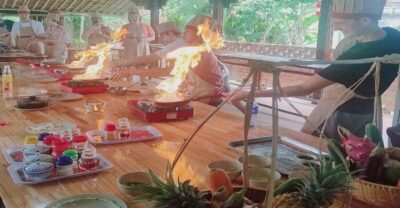
The morning starts simple: you arrive at the meeting point in Da Nang and you’re greeted with a tea welcome drink. Then you get organized for the main event, which is fully hands-on cooking with instruction at your personal station.
This matters because it changes what kind of class it is. You’re not stuck standing in a corner watching someone else cook. You’ll practice with Vietnamese techniques while an instructor guides you through the recipe step by step. In practical terms, that’s what helps you take skills home instead of just collecting food photos.
You’ll also get tasting samples along the way, plus a guided demonstration before you jump in on your own. If you learn best by doing, this structure works well: watch briefly, then cook immediately.
One more plus: the whole setup is designed for small groups (maximum 13). That usually means less waiting around and fewer moments where you feel lost at the stove.
You can also read our reviews of more tours and experiences in Da Nang.
Four Classic Vietnamese Dishes You Cook (and Eat)
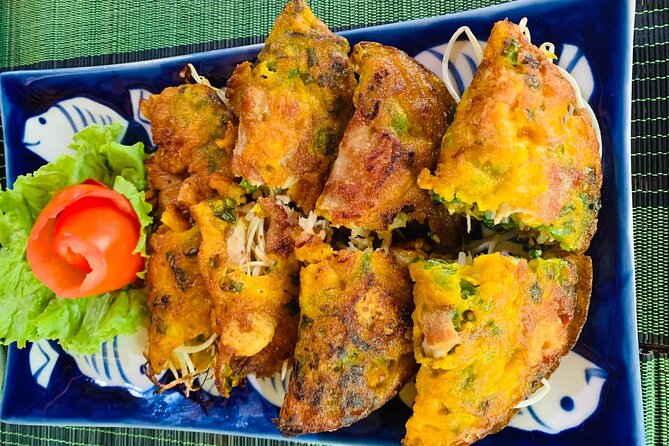
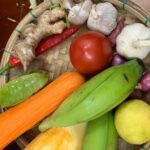
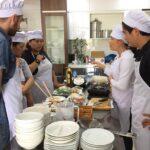
The heart of the experience is preparing and eating four classic Vietnamese dishes. The class includes a cooking demonstration and then coaching at your station so you can actually make the dishes yourself.
You’ll see popular examples like:
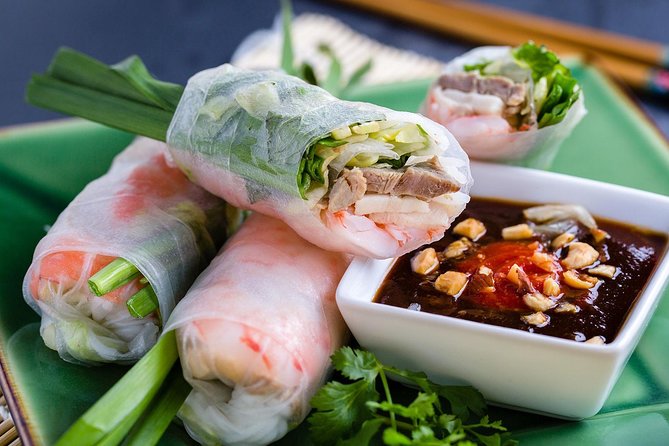
- Young papaya salad
- Chicken with fish sauce
- Deep fried spring rolls
The course is described as using seasonal ingredients, which is a big deal when you’re trying to understand Vietnamese flavor rather than just following a random recipe. Even if you never cook at this level at home, you’ll walk away knowing the logic behind the balance of salty, sour, savory, and fresh elements that show up across Vietnamese dishes.
Because the exact menu details beyond those examples aren’t listed here, I recommend planning for one dish that’s not named in advance. That’s normal for cooking classes, but it’s still useful to know: your four-dish lineup will reflect the day’s ingredients and the class’s setup.
What you’ll likely like most about the dish part
- You’ll get the “how” behind everyday Vietnamese food—technique matters.
- You’ll eat the results, so there’s immediate payoff rather than waiting for dinner later.
- Your meals will feel like a real home-style lunch, not a plate of tiny samples.
A drawback to keep in mind
Cooking classes can be a little time-pressured. If you want maximum calm, slow plating, and long questions, this may feel a bit brisk. The upside is you finish with both lunch and coffee during the same half-day slot.
Vietnamese Coffee in Da Nang: Phin Filter Brewing and Four Drinks
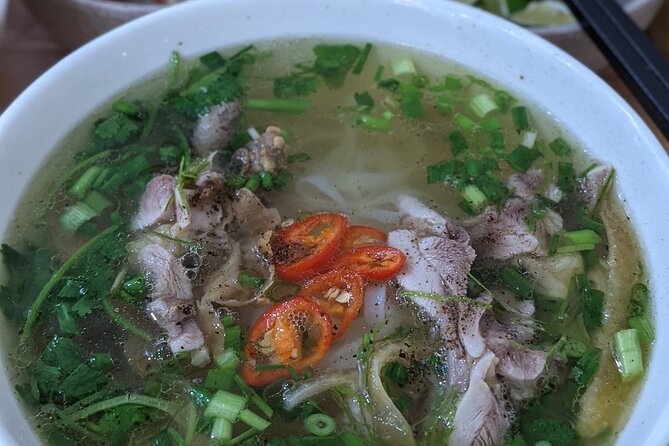
After lunch, you switch gears from cooking to coffee. This portion is built around traditional Vietnamese brewing using the phin filter. You’ll learn how to brew the coffee that way, then make four of the most famous coffee styles in Vietnam:
- Egg coffee
- Salt coffee
- Coconut coffee
- Phin coffee
The phin-filter method is the key here. Even if you’ve had Vietnamese iced coffee before, the technique is what you’ll want to understand if you’re serious about replicating it at home. The class guides you through making the drinks, so you’re not guessing on ratios or timing.
One review highlight that matches what this coffee session is about: people specifically call out a brief coffee history lesson along with the hands-on brewing. That combination helps the class feel more grounded and less like a simple recipe workshop.
Why these four drinks are a smart choice
You get variety in flavor and texture—so you can taste how Vietnamese coffee goes beyond one style. Egg coffee gives a creamy, rich direction; salt coffee is its own flavor story; coconut coffee leans into tropical richness; and phin coffee lets you experience the base style more directly.
In short, it’s not just four versions for the sake of having four. It’s a guided way to understand the range of Vietnamese coffee culture.
English Guidance, Smooth Flow, and Hosts Who Matter
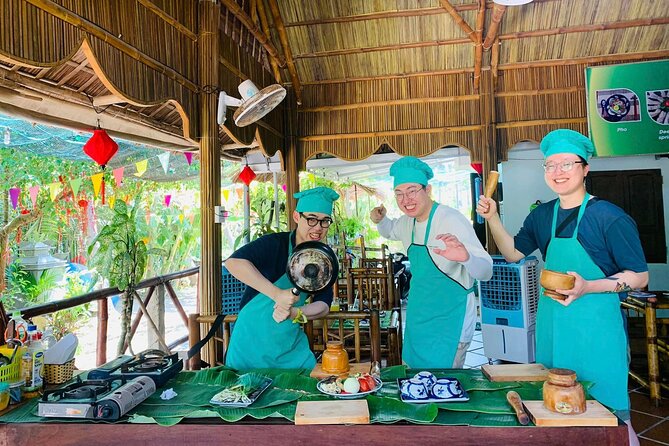
This experience includes an instructor and an English-speaking guide. That’s a practical detail, because cooking classes can get frustrating if you can’t follow key steps quickly. Here, you’re meant to be guided through the process clearly at your station.
What I’d pay attention to from the feedback is the tone of the hosting. People highlight friendly, helpful hosts and smooth progression—meaning the class tends to move without awkward confusion. One name that comes up is Jane, described as very friendly and supportive, which is the kind of hosting style that makes you feel comfortable even if you’ve never cooked Vietnamese food before.
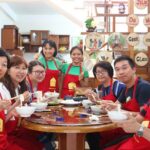
Also worth noting: the class is family-run in feel, and the staff approach is described as bright and welcoming, even with kids in the group. If you’re traveling with mixed ages, that can matter more than you think.
Food Allergies and Preferences: How Changes Are Handled
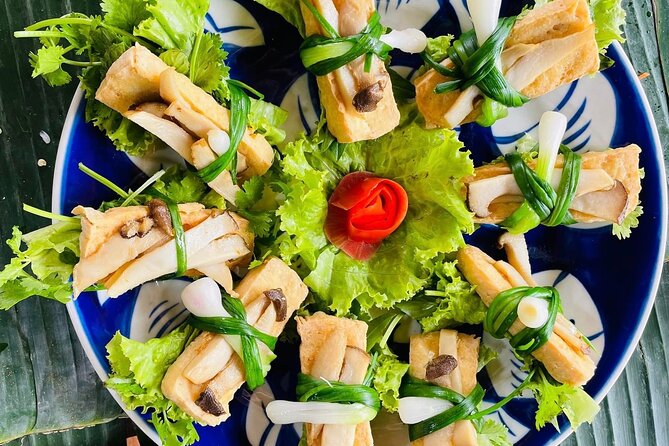
You don’t have to just hope you can eat what’s served. The organizers say they’re happy to cater to food allergies or food preferences.
Here’s the practical part: you should email your requirements ahead of time. They’ll confirm substitutions and make sure you can still participate in the cooking and lunch portion. That’s important because some classes can’t realistically swap ingredients during a live session.
If you have dietary needs, treat that email as a must-do step. Give clear details early, so they have time to adjust the dishes and ingredients the class will prepare.
Price and Value: Is $17 Worth It for What You Actually Do?
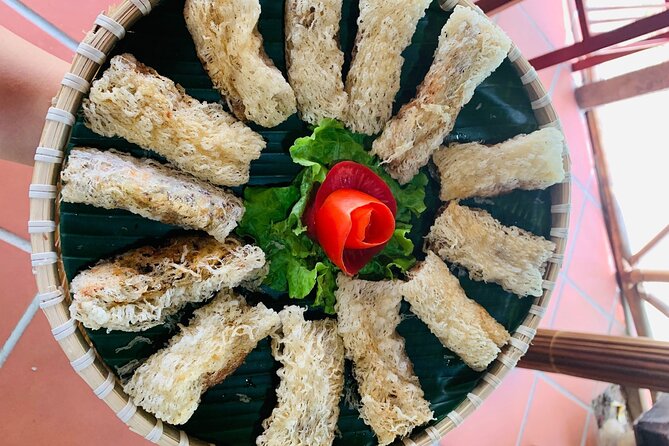
At $17 per person, this is priced like a value-focused experience. The reason it works is you get two skill sets in one: cooking and Vietnamese coffee, both hands-on.
A lot of cheap food tours give you tasting only. This one gives you cooking instruction and then a coffee session where you learn a brewing method and make four drinks. That turns the cost into something closer to a workshop deal.
Also, you’re not just paying for the food. You’re paying for:
- an instructor-led step-by-step cooking setup
- coffee brewing instruction with a traditional filter
- time and organization for a small group
Two more value signals: you get a welcome tea and the class includes the cooking component plus making four types of coffee. Tips aren’t included, so plan on that separately if you feel it’s deserved.
One logistics note you should verify
The description says hotel pickup and drop-off are included, but the practical notes state pick up and drop off isn’t included. Before you go, confirm what your booking will include for your hotel. This is one of those small details that can turn a smooth day into a scramble if you assume the wrong thing.
Timing, Meeting Point, and What to Bring
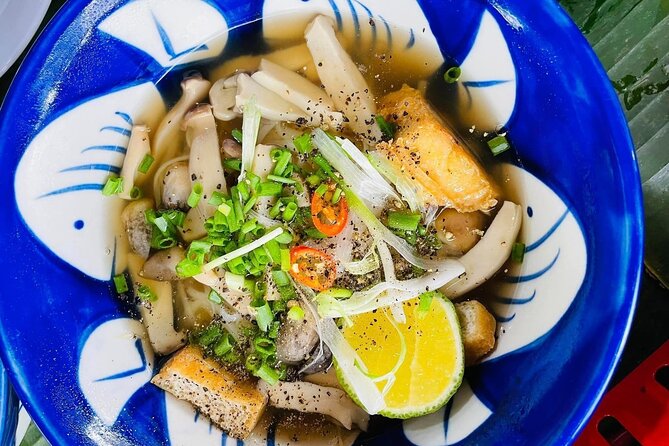
The class runs about 4 hours 30 minutes. It’s long enough to cook, eat, and finish with coffee making, but short enough to fit into a travel day without eating your whole afternoon.
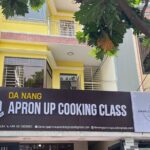
You’ll meet at Da Nang Home Cooking Class, 146 Đ. Đoàn Khuê, Khuê Mỹ, Ngũ Hành Sơn, Đà Nẵng, Vietnam. The activity ends back at the meeting point.
Because it’s an active cooking session, I’d plan for the basics: wear comfortable clothes you don’t mind getting a little food smell on, and bring closed-toe shoes if you have them. If you’re sensitive to hot kitchens or fryer smells, remember that spring rolls are deep-fried during the class examples, so you’ll be around heat and aroma.
If you’re booking for rainy-day comfort, this also fits. Several people specifically praise it as a great rainy-day activity, which makes sense because you’re indoors, focused, and fed.
Who This Class Is Best For (and Who Might Skip It)
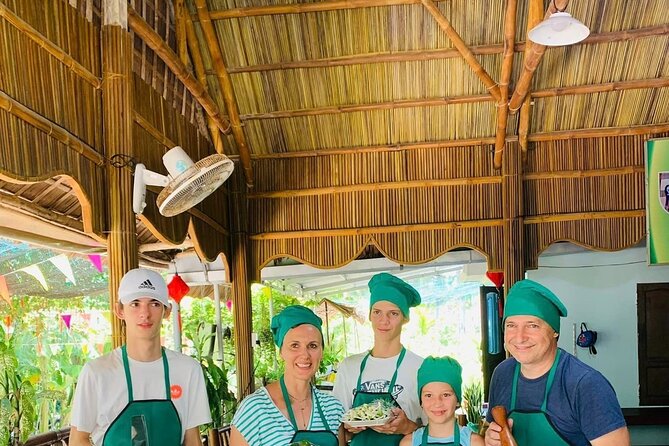
I think this tour is ideal if you want real take-home skills. You’re cooking four dishes, learning techniques, and then brewing four coffees with a traditional tool. It’s also a solid pick if Vietnamese coffee is a must-do for your trip.
You’ll probably enjoy this most if:
- you like hands-on classes more than walking tours
- you want to bring recipes and method back home
- you’re curious about egg coffee, salt coffee, and coconut coffee beyond just ordering them
- you travel with family or mixed ages and want a welcoming group environment
You might skip it if:
- you hate cooking with lots of guided steps
- you need very slow pacing and lots of quiet breaks
- you only care about seeing a place and not learning a process
Should You Book This Coffee Making and Cooking Class in Da Nang?
Yes, I’d book it if you’re looking for a practical, flavor-focused experience that actually teaches you how to make things. The high recommendation rate and strong scores make sense: you get two experiences that pair naturally, Vietnamese food and Vietnamese coffee, and you do both with instruction instead of passive tasting.
If you’re mostly a coffee person, you should still consider it because the coffee session includes phin filter brewing plus four distinct drinks. And if your schedule is tight, you can choose cooking only or coffee making only.
Just do one quick check before you go: confirm the truth about pickup and drop-off for your hotel. Once that’s sorted, this is the kind of half-day class that leaves you with memories plus recipes you’ll actually use.
FAQ
What is the duration of the cooking and coffee class?
It runs for about 4 hours 30 minutes (approx.).
How many dishes and coffee drinks will I make?
You’ll prepare and eat four Vietnamese dishes, and you’ll learn coffee brewing and make four coffee drinks: egg coffee, salt coffee, coconut coffee, and phin coffee.
Can I book only the cooking class or only the coffee making class?
Yes. If you don’t have enough time, you can choose to learn cooking class only or coffee making class only.
Is there hotel pickup and drop-off?
The experience description says hotel pickup and drop-off are included, but the practical notes say pickup and drop-off aren’t included. Confirm what your booking includes before the day.
Does the class accommodate allergies or food preferences?
Yes. The organizers say they can cater to allergies or preferences if you email your requirements ahead of time, and they will confirm substitutions.
What language support is included?
An English-speaking guide is included along with the instructor.
How many people are in the group?
The class has a maximum of 13 travelers.