If you like food travel, start at the market.
Nia Balinese Cooking Class in Seminyak turns shopping into lessons, so you see ingredients before you cook them, then you spend the morning and early afternoon making Balinese dishes at a working kitchen. I especially like the market-to-stove flow and the fact you cook and eat what you make, not just watch. I also like that you leave with a recipe book and certificate for a souvenir that’s actually useful at home. One drawback to plan for: it runs about 5 hours and you’ll be on your feet, and the tour notes it is not recommended for travelers with vitamin allergy.
In This Review
- Key Things to Know Before You Go
- Market Morning in Seminyak Square and The Flea Market
- Warung Nia Meet Point and the 5-Hour Rhythm
- How the Cooking Class Works With Up to 15 People
- Nine Balinese Dishes You’ll Learn to Make
- Snacks, Lunch, and Leaving Full With a Recipe Book
- Price and Value in Seminyak: What $45 Really Buys
- Getting There, Mobile Ticket, and Staying Comfortable
- Weather, Allergies, and Who This Class Fits Best
- Should You Book Nia Balinese Cooking Class?
- FAQ
- What time does the cooking class start?
- How long is the experience?
- Where do I meet for the Nia Balinese Cooking Class?
- What’s included in the price?
- Do you provide drop-off transportation?
- How many dishes do you cook?
- Is the class affected by weather?
Key Things to Know Before You Go
- Market first, cooking second: You visit the traditional market at 8:30am and look for the ingredients before class starts.
- You cook nine dishes: The program is built around making a full set of Balinese specialties, with lunch afterward.
- Hands-on in a group format: With a max of 15 people, you’ll be working as a team on dishes rather than cooking solo for your own plate.
- Ayam Betutu and Nasi Goreng are part of the menu: You’ll learn standout Balinese techniques, including banana-leaf wrapping.
- Lunch is included and full-sized: You get a meal made from the dishes from your class session.
- Expect hot, active hours: Plan for a long morning-to-afternoon block, with time standing and cooking.
Market Morning in Seminyak Square and The Flea Market
This is not a cooking class that starts when you’re hungry and already in “tour mode.” You meet at Warung Nia Balinese Food & Pork Ribs in Seminyak, then the food journey kicks off at 8:30am with a visit to the traditional market. The timing matters. Going early gives you a better look at ingredients while stalls are stocked and you can actually ask questions.
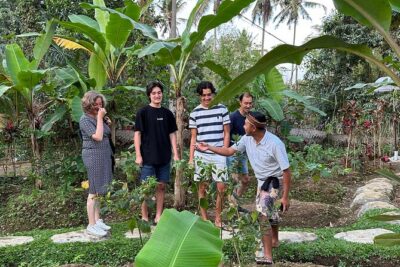
You’ll browse and learn how Balinese cooks think about flavors: what goes into spice pastes, what fresh aromatics look like, and how staples show up in everyday meals. It’s the kind of prep knowledge that makes the cooking part make sense. Instead of memorizing steps, you connect them back to real ingredients you saw in the local setting.
After that, you’ll also spend time around the Flea Market Seminyak area (Stop 2). This is useful if you like to shop while you’re in the “food learning” mindset. A couple of notes from the experience: there’s a real chance to compare ingredients and prices, and the market visit can help you understand what you might want to take home—especially if you later plan to cook Balinese flavors again.
You can also read our reviews of more tours and experiences in Seminyak.
Warung Nia Meet Point and the 5-Hour Rhythm
Your start point is clear and central: Warung Nia Balinese Food & Pork Ribs, Kayu Aya Square, Jl. Kayu Aya No. 19-21, Seminyak. The activity begins at 8:00am, and the market segment is scheduled for 8:30am.
The schedule is long enough that you should treat it like a half-day event, not a quick activity. Expect about 5 hours total, and plan on being active the whole time. One practical tip: if you normally do a big breakfast, I’d scale it down. This class builds toward lunch and then keeps the food flowing.
When you’re back at the cooking location, you’ll get snacks and a drink before the main cooking starts. That “bridge” matters because you’re learning with your hands, then eating what you make. If you arrive running low on energy, the pace can feel even more intense in the heat.
At the end, the tour finishes back at the meeting point. So you don’t need to figure out where to go after lunch—just plan your next move from Seminyak Square.
How the Cooking Class Works With Up to 15 People
The tour caps group size at 15 travelers. That’s small enough to feel personal, and big enough that you’ll likely meet people from different places. The trade-off is that cooking happens in a shared, group style. For some people, that’s the fun part. For others, it can feel less like a private lesson.
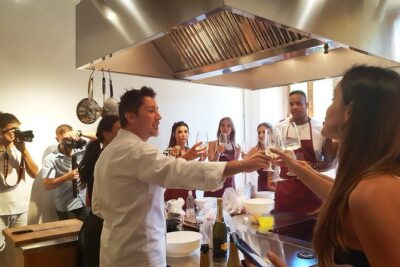
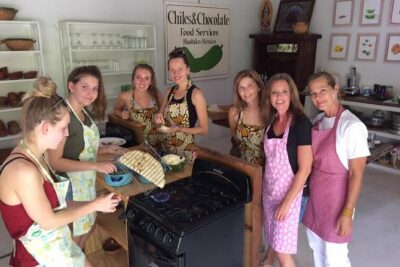
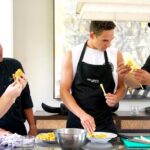
In practice, you’re part of the kitchen team process. You’ll help with prep and cooking steps as the head chef and staff move the group through the recipes. There’s also a “production line” feel to it—dishes move along while different parts of the kitchen gear up for the next recipe. One review-style detail you should take seriously: some sessions also prepare dishes so the group can focus on the next part, and you may not do every step for a single dish from start to finish.
If you prefer the classic style where you fully plate your own personal version of every dish, this might feel different. But if you’re happy to work as a group and learn techniques, it’s a strong setup.
You’ll also see how staff handle organization: prep staff keep work areas ready, and you’re not left waiting around for long stretches. Names that come up in the experience include Chef Komang (often the head chef) and Tommy (often described as the host and/or chef instructor depending on the session). That matters because they’re presented as the kind of guides who keep things moving while still teaching.
Nine Balinese Dishes You’ll Learn to Make
The class focuses on 9 dishes. The menu highlight in the program includes two very recognizable Balinese dishes: Ayam Betutu and Nasi Goreng.
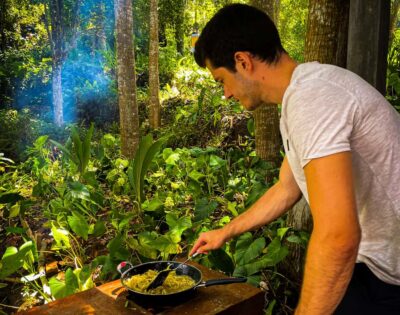
Ayam Betutu is the one that makes a big impression because it involves banana-leaf wrapping and special folding. That technique is more than a gimmick. It’s part of the cooking method and helps explain why Balinese dishes can taste so integrated—spice, aroma, and cooking process are working together.
Then there’s Nasi Goreng, which many people think they already know. The point here is not just frying rice. In a Balinese class, you learn how seasoning and spice pastes drive the flavor, not just the idea of “fried rice.” You’ll get hands-on steps that translate to better results when you try again at home.
You’ll also make several other Balinese staples as part of the nine-dish lineup. The specific names of every dish beyond Ayam Betutu and Nasi Goreng are not listed in the basic outline you’re given, so don’t expect a full recipe list before you arrive. But you can expect variety: meat and rice-based dishes, plus dishes shaped by Balinese spice methods.
A good way to get the most from this part: take notes on smells and textures while you cook. You’ll get instruction, but the practical memory is how spice paste looks when it’s ready, how heat affects aroma, and how long components take.
Snacks, Lunch, and Leaving Full With a Recipe Book
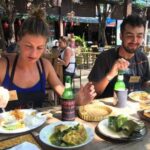
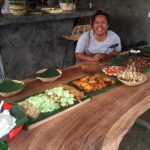
You’ll start with snacks and a drink at the cooking location before the class gets serious. Then lunch happens after the cooking phase, and lunch is included. The big point is simple: you get a meal built from what you cooked, not a small tasting.
Plan for food volume. Several experiences describe leaving with full bellies, and the strongest advice is to show up hungry. If you eat a huge breakfast right before 8:00am, you’ll still likely have enough food, but you won’t enjoy it as much.
After lunch, participants receive a cooking class certificate and a recipe book. This is one of the best “value multipliers” of any cooking class: the goal is that you can repeat the work later. The recipe book also helps if you want to share the experience with friends without relying on memory alone.
There’s also sometimes photo and video support. In at least one session, the staff took photos and shared them afterward. That’s a small extra, but it can make the day feel more like a hosted event than a classroom.
Price and Value in Seminyak: What $45 Really Buys
The price is $45 per person, and the value comes from what’s included. You’re not paying only for kitchen time. Your ticket covers:
- Market visit and ingredient learning in the morning
- Cooking instruction for nine dishes
- Snacks and drink
- Lunch made from your cooked dishes
- Certificate
- Recipe book
When I look at value, I weigh the whole package: time, food, and take-home materials. This class checks those boxes. It also runs about 5 hours, so you’re not buying a quick half-hour demo.
You might compare the cost to other cooking classes in Bali that skip the market portion. Here, the market adds education and gives you a chance to see what you’re buying later if you shop on your own. If you care about technique, the extra ingredient context is worth paying for.
Getting There, Mobile Ticket, and Staying Comfortable
Transportation is a key practical point. The tour does not provide drop-off transport, but staff can help you figure out how to get transport after. The meeting point is in Seminyak and it’s noted as near public transportation, which helps if you’re already navigating Bali without private cars.
You’ll use a mobile ticket, which is easy if you already travel with your phone. Just be ready at check-in and keep the ticket handy.
Comfort is not optional here. You should wear shoes that handle standing and cooking heat. The class time is described as long, and some sessions mention it can get hot. Bring a light layer you can stand in, and plan to hydrate during breaks.
Also, because this is a group cooking format, keep your expectations flexible. The day is organized like a coordinated kitchen event, not like a private one-on-one lesson.
Weather, Allergies, and Who This Class Fits Best
The tour requires good weather. If it’s canceled due to poor weather, you’ll be offered a different date or a full refund. That’s important in Bali, where rain can change outdoor market plans.
Dietary notes are limited but specific: it is not recommended for travelers with vitamin allergy. If that applies to you, skip this one and look for a different format that can be adapted.
As for who should go, I’d target this class if you want:
- A Balinese cooking day that starts with real ingredients
- Hands-on learning and a big meal afterward
- A small group experience (max 15) that still feels social
It’s also a good fit if you like the idea of leaving with a recipe book and certificate, not just photos.
If you want a fully personalized, one-recipe-at-a-time experience where you cook solo through every step, the shared group style might not match your learning style. But if you’re there to learn technique and enjoy the pace, it’s a solid choice.
Should You Book Nia Balinese Cooking Class?
Book it if you want a market-first Balinese food lesson, a real lunch, and a takeaway recipe book. The combination of learning ingredients in Seminyak, cooking multiple dishes, and eating what you make is strong value for the money.
Think twice if you:
- Need a fully individual cooking experience rather than shared group prep
- Have a vitamin allergy
- Don’t handle standing and heat well
If your goal is authentic food understanding and you’re okay with a lively group kitchen day, this is one of the easier “yes” decisions in Seminyak.
FAQ
What time does the cooking class start?
The activity starts at 8:00am. The market visit begins at 8:30am.
How long is the experience?
The cooking class lasts about 5 hours (approx.).
Where do I meet for the Nia Balinese Cooking Class?
You meet at Warung Nia Balinese Food & Pork Ribs, Kayu Aya Square, Jl. Kayu Aya No.19-21, Seminyak, Bali. The tour ends back at the meeting point.
What’s included in the price?
Your ticket includes lunch, a cooking class certificate, and a recipe book.
Do you provide drop-off transportation?
No drop-off transport is provided. Staff can help you get transport after the activity.
How many dishes do you cook?
The class is scheduled around 9 dishes.
Is the class affected by weather?
Yes. The experience requires good weather. If it’s canceled due to poor weather, you’ll be offered a different date or a full refund.