REVIEW · TIRANA
The secrets of Albanian cuisine: cooking lesson in Tirana
Book on GetYourGuide →Operated by MY TOUR SHPK · Bookable on GetYourGuide
Byrek hands you the steering wheel. In Tirana, Sindi turns Albanian comfort food into a hands-on lesson, including Byrek technique and a proper pour of homemade raki and wine at the end. You also get to learn the yogurt-and-meat dish Tave Kosi and an Albanian dessert, with clear explanations as you go.
I like that you are not stuck watching. You cook, you eat, and you leave with detailed recipes for everything in the menu, so the experience follows you home instead of evaporating after four hours.
One thing to plan for: there is no hotel pickup, and large bags or luggage are not allowed. Also, the class is not suitable for people with mobility impairments, so it helps to check your own access needs before you book.
In This Review
- Key Things I’d Use to Choose This Class
- Tirana Cooking Lesson Setup: A Simple, Foot-On-The-Ground Afternoon
- Tave Kosi: Yogurt With Meat and the Independence Connection
- Byrek in Real Life: How the Pie Method Changes Everything
- Albanian Dessert: A Sweet Ending You’ll Actually Want to Repeat
- The Meal and the Tasting: Homemade Wine, Raki, and More Beverages
- What You Actually Get for $68: Value That’s More Than Food
- Logistics That Matter: Getting There, What to Bring, and Where It Fits
- Who Should Book This Tirana Cooking Lesson (and Who Might Skip It)
- Should You Book This Cooking Class in Tirana?
- FAQ
- How long is the cooking lesson in Tirana?
- What dishes will I learn to cook?
- Are raki and wine included?
- How much does it cost?
- What should I bring, and can I bring luggage?
- Is this experience suitable for people with mobility impairments?
Key Things I’d Use to Choose This Class
- Byrek practice, not just theory: you learn how to prepare the pie in a step-by-step way.
- Tave Kosi with the independence story: yogurt with meat comes with cultural context, not just instructions.
- Dessert you actually make: you get an Albanian sweet recipe made from scratch.
- Homemade wine and raki included: you taste both with your meal.
- Recipes to take home: you get detailed written recipes for what you cook.
- A host who handles groups smoothly: one group had 15 people plus kids, and the kitchen work was shared out.
Tirana Cooking Lesson Setup: A Simple, Foot-On-The-Ground Afternoon
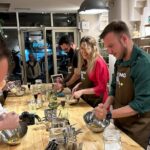
This is a four-hour cooking lesson in Tirana District that feels built for real participation. You’ll be in a working kitchen with facilities and aprons, and you start by getting the menu in front of you so you know what you’re aiming to cook.
If you’re the type who likes to understand food instead of just collecting photos, you’ll appreciate how the guide explains what matters while you’re doing it. The pace is guided, but you still get that hands-on satisfaction of making the dishes yourself.
Do wear comfortable shoes. This isn’t a sit-down workshop where you can coast in flip-flops. And because there is no pickup, you should plan to walk in from the center area. A lot of people find it’s about a 10–15 minute walk, depending on where you’re starting.
You can also read our reviews of more tours and experiences in Tirana.
Tave Kosi: Yogurt With Meat and the Independence Connection
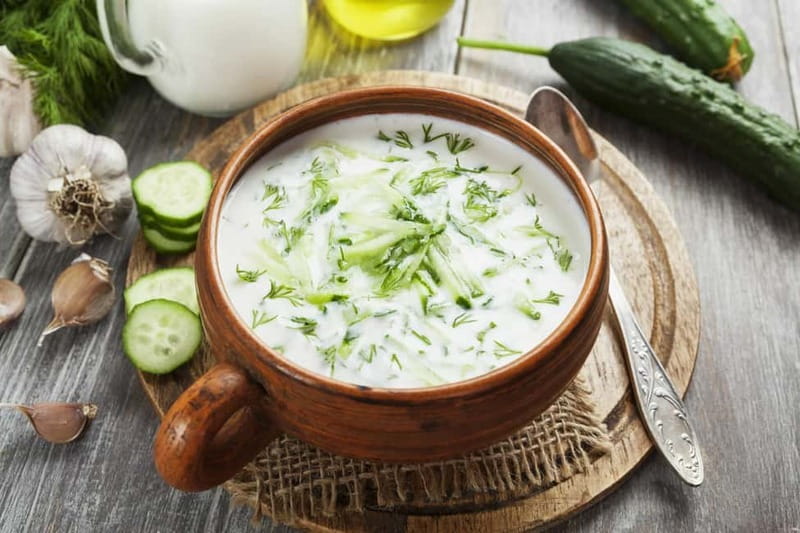
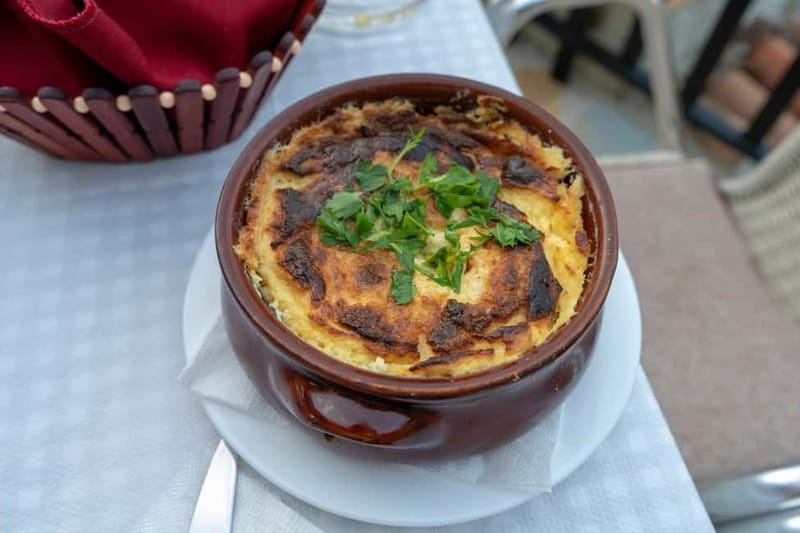
Tave Kosi is the kind of dish that sounds simple until you learn why people talk about it. It’s traditionally made with yogurt and meat, and in this class you get both the cooking skills and the story tied to it.
The dish has a name that connects to independence, and that context makes it more than dinner. When you understand the why behind a classic, you start paying attention to details like texture and timing instead of treating it like a generic casserole.
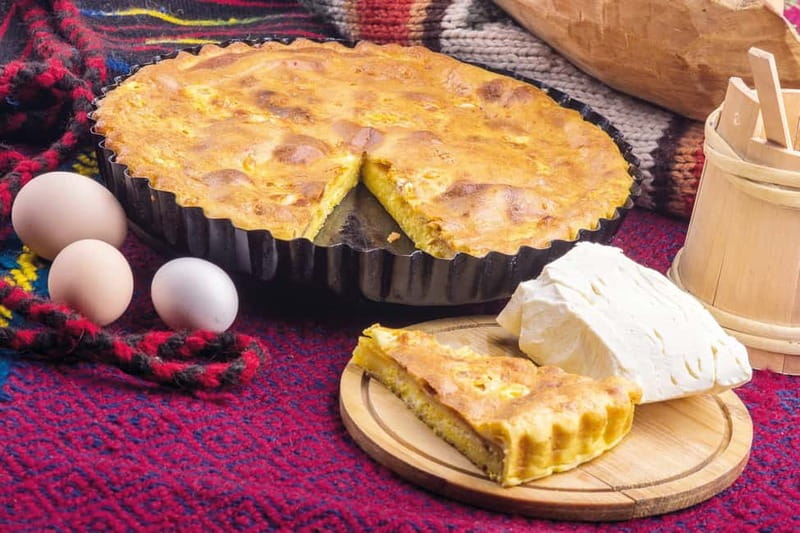
In practice, you’ll learn how to cook it so the yogurt and meat come together in a way that feels distinctly Albanian. Even if you’ve cooked with yogurt before, this is a reminder that yogurt is not just for sauces here—it can be part of the whole structure of the meal.
Byrek in Real Life: How the Pie Method Changes Everything
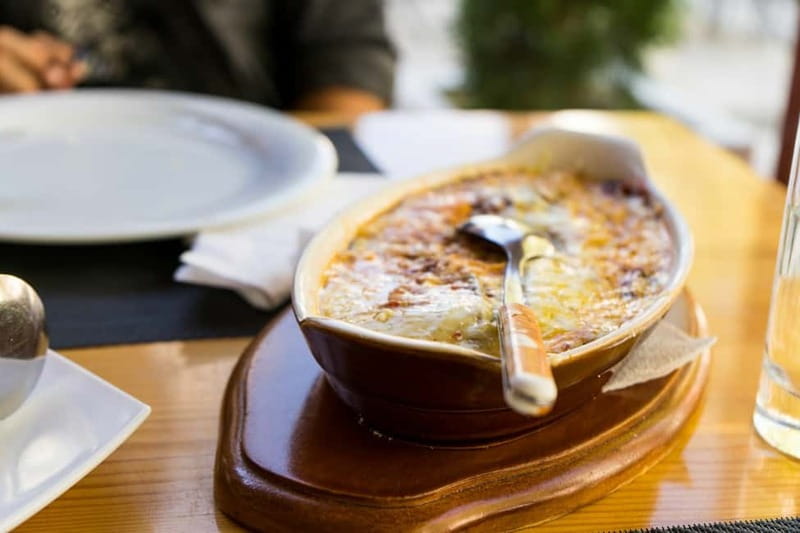
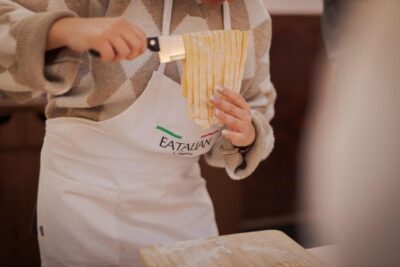
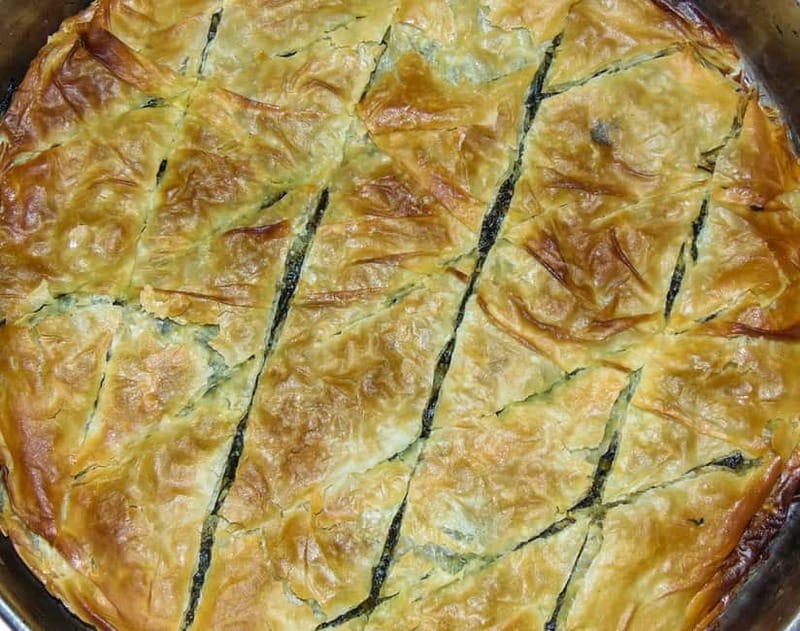
Byrek is the headline dish for many people, and that makes sense. It’s pie, but Albanian pie is its own game. Here you don’t just get a recipe. You learn the methods of preparing it, which is the difference between eating something great once and being able to recreate it.
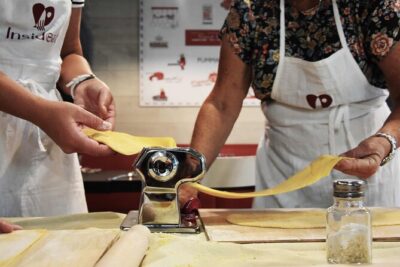
This is where you’ll notice how hands-on learning pays off. With dough-based dishes, small decisions matter: how you handle it, how you assemble it, and how you manage the layers so the final bake has the right feel. By the time you’re working on your pie, the food stops being a mystery and becomes a set of techniques you can repeat.
One of the best parts of a class like this is that Byrek lets you practice something tactile. You’ll be using your hands, not just measuring ingredients. And because the guide is there in real time, you can get corrections immediately instead of guessing later.
Albanian Dessert: A Sweet Ending You’ll Actually Want to Repeat
After savory cooking, you get introduced to Albanian traditional desserts and make a dessert recipe as part of the class. The point isn’t just to have something sweet at the end—it’s to see how Albanian flavors finish a meal.
Dessert in a cooking class is often where people learn the least, because it can feel like an afterthought. Here, it’s treated like a real recipe portion of the menu. That matters because desserts teach you a different kind of kitchen logic—how to balance sweetness, texture, and final set.
If you want a practical takeaway, you’ll like this part most. You’ll go from tasting Albanian sweets to having a written recipe you can follow again.
The Meal and the Tasting: Homemade Wine, Raki, and More Beverages
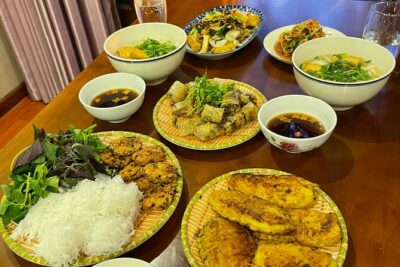
Here’s the social payoff: at the end, you taste local alcoholic drinks—raki and homemade wine—along with more beverages. The class includes a full meal with three main courses, so you’re not doing a few bites and calling it done.
Raki is the big cultural note. It’s part of how Albanian meals get shared, not just consumed. In a cooking class setting, the tasting makes sense: you’ve worked all afternoon, then you sit down and enjoy what you made.
And the homemade wine matters because it connects the food to local hospitality. Even if you’re not a wine person, you’ll still get something useful out of it: a sense of how the meal is meant to be enjoyed, with flavors and conversation landing together at the table.
What You Actually Get for $68: Value That’s More Than Food
The price is $68 per person for a four-hour, guided cooking experience. That sounds simple until you break down what’s included.
You get:
- All ingredients for the menu
- Kitchen facilities and aprons
- A full meal with three main courses
- Homemade wine, raki, and more beverages
- Detailed recipes for all dishes
So you’re paying for instruction plus the full cost of ingredients and cooking. If you tried to recreate this on your own after a normal restaurant meal, you’d still be paying for ingredients and time, and you’d miss the live feedback. In other words, the value is in having someone explain the how while you’re doing the making.
Also, recipes are included. That small detail is huge. A cooking class without written recipes can leave you relying on memory and guesses. Here, you get something concrete you can use later.
Logistics That Matter: Getting There, What to Bring, and Where It Fits
Because there’s no hotel pickup and large bags or luggage aren’t allowed, keep your day plan clean. Bring only what you need for a few hours. This also makes it easier to move around the kitchen without bumping into bags and coats.
The class requires comfortable shoes. That likely means you’ll be standing and moving more than you expect. If you’re coming from a long day of walking around Tirana, swap in shoes that won’t punish you by hour three.
Language is not a worry: the live tour guide speaks Albanian and English, so you can follow along either way. And if you’re traveling with friends who want a practical activity rather than a passive tour, this fits well.
One more note: the class is not suitable for people with mobility impairments. If you or someone in your group has access needs, treat this as a hard limit rather than a maybe.
Who Should Book This Tirana Cooking Lesson (and Who Might Skip It)
This is best for you if you want a food-centered afternoon with real skills. You’ll enjoy it if you like learning by doing—especially if Byrek and Tave Kosi are on your must-eat list and you’d rather cook them than hunt for the perfect restaurant version.
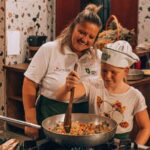
It also makes sense for groups and families. One past group of 15 included kids, and the host (Sindi) made sure everyone had something to do and that tasks were shared out fairly. That’s a good sign if you’re traveling with children or a mixed-age group who still wants hands-on time.
You might skip this if:
- You want a sightseeing-heavy day instead of a kitchen day
- You need hotel pickup or easy door-to-door logistics
- You have mobility restrictions that make a kitchen environment difficult
Should You Book This Cooking Class in Tirana?
Yes, you should book it if you want a guided, practical way to learn Albanian cooking and eat like a local. The combination of Byrek, Tave Kosi, and a dessert, plus included raki and homemade wine, is a strong deal for a four-hour block—especially because detailed recipes come with you.
If you like food culture with context, the independence connection for Tave Kosi adds something you won’t get from a normal meal. And if you want a class that feels welcoming, the host Sindi’s reputation for keeping things flowing (even for kids) is exactly what you hope for.
Just be honest with your own logistics. Plan to walk there, travel light, and wear shoes you can stand in.
FAQ
How long is the cooking lesson in Tirana?
The experience lasts 4 hours.
What dishes will I learn to cook?
You’ll learn how to cook Byrek and Tave Kosi, and you’ll also prepare an Albanian dessert recipe.
Are raki and wine included?
Yes. The class includes homemade wine and raki, along with more beverages.
How much does it cost?
The price is $68 per person.
What should I bring, and can I bring luggage?
Bring comfortable shoes. Luggage or large bags are not allowed.
Is this experience suitable for people with mobility impairments?
No. It is not suitable for people with mobility impairments.