REVIEW · UBUD
#1 Paon Bali Cooking Class with Shuttle Ubud Only
Book on Viator →Operated by Bali Tour Organizer · Bookable on Viator
Cooking in Bali starts at the market. This Paon Bali class turns that first stop into real skills, then hands you a full meal of Balinese favorites with stress-free Ubud pickup.
I especially love the way the day starts outdoors, with ingredient shopping like locals do, not just a quick look-and-go photo stop.
The second thing I like is the practical, hands-on cooking flow. You’re making dishes like chicken in coconut curry and banana-leaf steamed fish with guidance, then eating what you cook. One thing to consider: this is a timed experience, and it depends on good weather, so you should be flexible if plans are tight.
In This Review
- Key highlights worth your time
- Market-to-Meal in Ubud: Why This Class Feels Practical
- Ubud Shuttle and Where the Day Starts (and Ends)
- Ubud Traditional Art Market: Learning to Shop Like a Cook
- In the Kitchen: Coconut Curry, Banana Leaf Fish, and Sweet Banana Finish
- How the Class Keeps Attention Personal (Even in a Group)
- Vegetarian and Non-Vegetarian Options: What You Should Confirm
- Price and Value: Is $39 Actually Reasonable Here?
- Timing and Weather: When to Keep Your Plans Flexible
- Who This Cooking Class Suits Best (and Who Should Rethink It)
- FAQ
- FAQ
- How long is the Paon Bali cooking class?
- Is hotel pickup included?
- Do they offer a vegetarian option?
- What dishes will I cook and taste?
- How big are the groups?
- What happens if it gets canceled due to weather or too few travelers?
- Should you book Paon Bali Cooking Class with Shuttle Ubud Only?
Key highlights worth your time
- Ubud traditional market morning that teaches what to buy, what to skip, and how bargaining works
- Small-group feel (max 24) with a setup meant for individual attention
- Hands-on cooking plus tasting right after you finish each dish
- Clear Ubud shuttle focus (Ubud center included; other areas cost extra)
- Both vegetarian and non-vegetarian options
- Relaxed vibe in the cooking space—it’s not just a lecture, it’s a social, do-the-work kind of class
Market-to-Meal in Ubud: Why This Class Feels Practical
If you want Bali food without turning it into a theme park, this is the style that works. The class is built around the idea that cooking starts before the first pot hits the stove. You don’t just get recipes—you get decisions: what ingredients to pick, how they’re used, and why Balinese tastes lean the way they do.
The market part matters because Bali cooking is ingredient-led. You’ll hear about local meat and fish choices, produce, and the little customs around cooking. Then you carry that logic into the kitchen while you’re actually cooking, not after you get back home.
And you get payoff fast: once you finish cooking, you eat. That turns a cooking class into a meal plan you can trust, not a hands-on quiz you later forget.
You can also read our reviews of more tours and experiences in Ubud.

Ubud Shuttle and Where the Day Starts (and Ends)
This is set up for Ubud accommodation pickup, but with a clear boundary: the transfer is for Ubud center only. If you’re staying outside that zone, the info says there’s an extra charge of USD 35 per car, paid in cash on the day.
If you’re staying right in central Ubud, the “shuttle only” setup is a win. It keeps your morning simple: fewer taxi negotiations, fewer “meet your driver somewhere random” moments, and less time wasted.
The meeting point for the activity is listed as Ubud Central Parking on Jl. Suweta No.18, Ubud (it also says the activity ends back at the meeting point). Even with pickup included, I like having that anchor in mind so you’re never guessing where the group is headed next.
Ubud Traditional Art Market: Learning to Shop Like a Cook
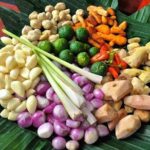
The morning starts with the Ubud Traditional Art Market. It’s not a slow museum stroll. The goal is to teach you how Balinese cooks choose ingredients—what to select and what to reject.
A few things make this stop especially useful:
You’ll learn about Balinese tastes and customs from the person guiding the class. That means the market visit isn’t just about seeing spices—it’s about understanding what flavors are considered right for a dish. You also get market context on protein choices, including local meat and fish, and how cooks think about freshness and suitability.
You’ll also get a real sense of daily life around food. Open-air food markets in Bali tend to operate early, and that timing shapes what’s available and how vendors work. It gives you a practical view of how people feed their households, not just how they sell to tourists.
And yes, bargaining comes up. The market is described as including Balinese-style bargaining, so you’ll see how price talk actually happens rather than hearing it secondhand. Even if you don’t plan to buy much, watching the process helps you understand what ingredients cost and why.
One small drawback to note: this market portion is morning-only. If your schedule is strict or you’re the type who hates early starts, plan around it.
In the Kitchen: Coconut Curry, Banana Leaf Fish, and Sweet Banana Finish
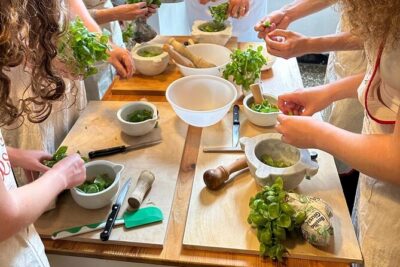
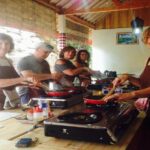
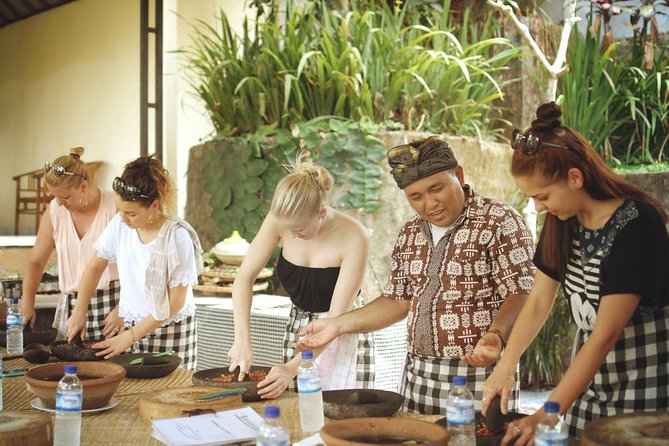
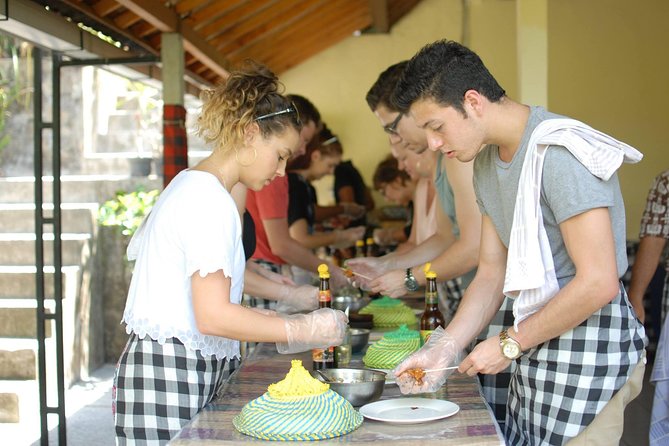
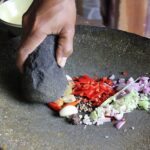
Once the market lesson is done, you move into cooking mode. The class is described as hands-on, with help from your teacher and their assistant—so you’re not standing there watching someone else cook while you take notes.
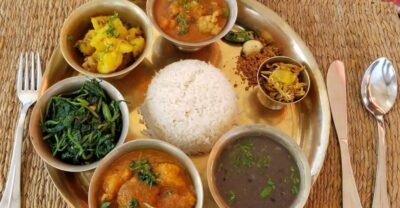
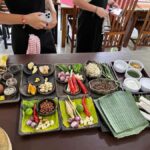
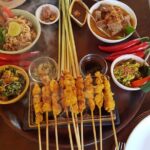
Here’s what you can expect to cook and taste:
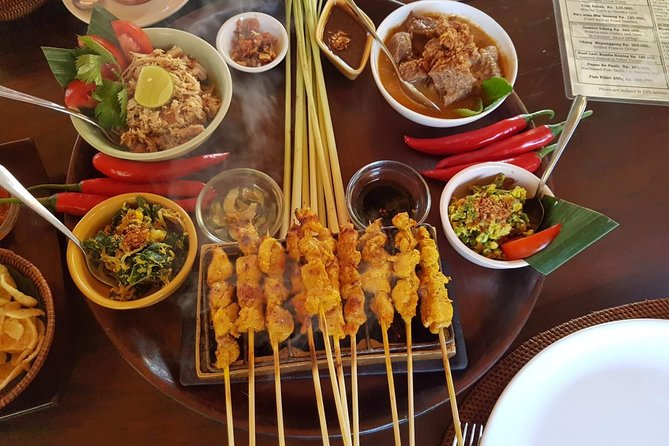
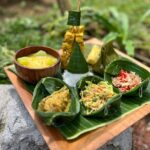
- Chicken in coconut curry
- Balinese steamed fish in banana leaf
- Boiled banana in palm sugar syrup
- And more Balinese dishes listed as part of the class experience
The nice thing about this lineup is it covers different kinds of flavor. Coconut curry gives you that creamy, aromatic base. Banana-leaf steaming highlights fragrance and gentle cooking. And the sweet palm sugar banana component makes sure the meal ends like a real Balinese plate, not like a dessert you ordered separately.
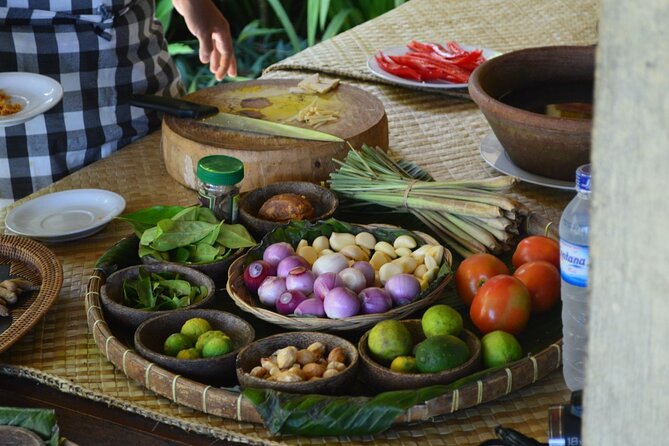
This is also where the market choices pay off. When you’re holding ingredients and prepping them yourself, the earlier talk about what’s worth choosing makes more sense. You’re building a recipe in your head as you go, instead of following steps without context.
How the Class Keeps Attention Personal (Even in a Group)
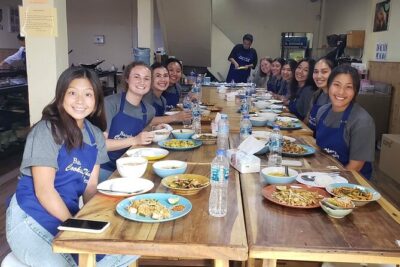
This isn’t described as a one-person-at-a-time private lesson, but it is described as being formulated so that everyone gets individual attention. With a maximum of 24 travelers, the class size is big enough to feel social, but not so large that you disappear into the back row.
In practice, this matters for two reasons:
First, it reduces cooking mistakes. Someone is there to help when a prep step feels confusing or when you’re unsure about seasoning balance.
Second, you learn by doing. You’ll be involved in cooking, not just tasting. That’s the difference between leaving with food memories and leaving with actual techniques you can reuse later.
The vibe also comes through in the feedback: hosts are described as experienced, charming, funny, and good at keeping everyone involved. One review even highlights that it feels social enough to chat during the class, and mentions being able to have a Bintang while you’re cooking. That kind of relaxed tone helps if you’re traveling with someone who hates stiff, formal activities.


Vegetarian and Non-Vegetarian Options: What You Should Confirm
The class includes a non-vegetarian or vegetarian option. That’s important because Bali cuisine often uses seafood, and vegetarian versions can vary depending on ingredients and substitutes.
What you should do before you go is make sure you’ve selected your option at booking. Since the info says you’ll have an option, I’d treat it as something you need to choose upfront, not something you decide last minute once the cooking starts.
If you keep expectations realistic, you’ll get a better experience: vegetarian meals in cooking classes can be different in method, not just in protein. So focus on the flavors and technique you’ll learn, not on expecting the exact same dish structure.
Price and Value: Is $39 Actually Reasonable Here?
At $39 per person, this sits in the “good deal if it fits your day” category. Cooking classes can be overpriced when they mainly serve entertainment. Here, the value comes from three practical factors:
- You get a guided market visit plus instruction.
- The meal is included because you cook and then eat what you make.
- You’re paying for hands-on teaching, not just a tasting menu.
The Ubud shuttle focus is another value lever. If you’re staying in Ubud center, you avoid extra transport costs. And if you’re outside the center, the USD 35 per car add-on is at least clearly spelled out, so you can estimate your total upfront.
Duration is listed at about 3 hours 30 minutes, which is a solid chunk of time for a cooking-and-eating experience without eating your whole day.
I’d treat this as a smart buy if:
- you want a break from temples and scooter photo runs,
- you like food as a way to understand culture,
- and you want something you can talk about long after your trip, because you’ll have technique, not just flavor memory.
Timing and Weather: When to Keep Your Plans Flexible
This experience requires good weather. If it’s canceled due to poor weather, you’ll be offered a different date or a full refund.
That means you should schedule it with a little buffer, especially if you’re planning multiple outdoor activities on the same morning. If your itinerary is already packed with early starts, consider putting this class in a window where you can swap dates if you need to.
Also, cancellation is non-refundable and can’t be changed for any reason. So once you book, treat it as committed. The weather safety net is helpful, but it’s still a reason to be thoughtful about timing.
Who This Cooking Class Suits Best (and Who Should Rethink It)
This class is a strong match if you:
- want a food-focused way to understand Bali,
- like practical learning (what to buy, how to cook),
- and prefer a smaller group feel rather than a crowd experience.
It’s also a great option if you need to fill time in the middle of your trip. One review mentions choosing it to fill the gap between hotel time and a late night flight, and that’s exactly how I’d use it: a productive, meal-based activity that gets you fed and gives you something real to bring home.
You might rethink it if:
- you have zero flexibility for weather,
- your hotel is outside the Ubud center pickup zone and you don’t want to add the transportation cost,
- or you’re expecting a long, sit-back-and-wine tasting. This one is about cooking and doing the work.
FAQ
FAQ
How long is the Paon Bali cooking class?
The class runs for about 3 hours 30 minutes.
Is hotel pickup included?
Pickup is included for Ubud center only. Other areas have an extra charge of USD 35 per car paid in cash on the day.
Do they offer a vegetarian option?
Yes. The class includes a vegetarian or non-vegetarian option.
What dishes will I cook and taste?
You’ll cook and taste items including chicken in coconut curry, Balinese steamed fish in banana leaf, and boiled banana in palm sugar syrup, plus additional dishes included in the class.
How big are the groups?
The maximum group size is listed as 24 travelers.
What happens if it gets canceled due to weather or too few travelers?
If canceled due to poor weather, you’ll be offered a different date or a full refund. If canceled because the minimum number of travelers isn’t met, you’ll also be offered a different date or a full refund.
Should you book Paon Bali Cooking Class with Shuttle Ubud Only?
If you’re in Ubud and you want a food experience that teaches more than it performs, I’d book it. The market-to-cooking setup is the real reason this works: you learn how to choose ingredients first, then you apply it immediately while you’re cooking.
For the best value, book if you’re staying in Ubud center so pickup is included, and if your schedule can handle a weather swing. If that matches your trip style, this is an easy yes.