REVIEW · TIRANA
Cooking Class & Traditional Albanian Dinner
Book on Viator →Operated by Albanian Culinary Experience · Bookable on Viator
One good way to understand a country is to cook it. In Tirana, this hands-on dinner class turns you into part of Albania’s food story, not just a spectator.
Two things I really like: the focus on classic dishes like pispili (spinach pie) and the way Chef Sokol Prenga connects recipes to ingredient history and tradition as you cook. One thing to keep in mind: the menu includes meat and dairy, and the evening runs about 5 hours in the 5:00 PM–10:00 PM window.
You start with baking and pastry basics, then move through hearty Albanian mains and an Albanian flan-style dessert. Expect a warm, social pace with plenty of talking as you cook—and yes, local wine and spirits are part of the experience. If you’re short on time or you want a quick taste only, this might feel like a full-on dinner evening rather than a quick stop.
In This Review
- Quick hits before you go
- Why Tirana’s Albanian dinner class feels more personal than eating out
- Meeting point, timing, and how to plan your night
- The hands-on menu: breads, pies, soups, and the dishes that teach real Albanian cooking
- Starter: Pite and the thin filo dough approach
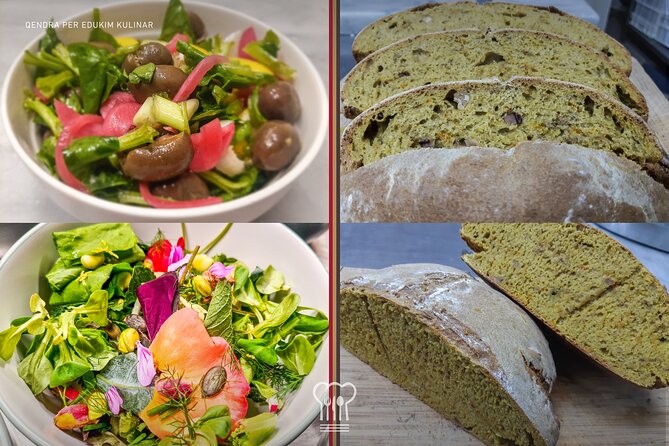
- Starter: Traditional Albanian breads (a mini bread sampler)
- Starter: Tavë Kosi (baked casserole with yogurt and lamb)
- Main: Pispili (Albanian spinach pie)
- Main: Mish me pistil (veal ribs with plum syrup)
- Main: Shqeto e Përmetit (egg-based soup from Përmet)
- Dessert: Qumeshtor (Albanian flan)
- The Albanian cooking story: why the host’s explanations matter
- The evening’s rhythm: group size, music, wine, and staying comfortable
- Price and value: what $90.11 gets you in Tirana
- Who this suits best (and who should check dietary and timing)
- Practical tips to make your evening smooth
- Should you book this Albanian cooking class in Tirana?
- FAQ
- Where is the cooking class located?
- What’s the duration of the experience?
- What time does it run in Tirana?
- Is the class offered in English?
- How much does it cost?
- How big are the groups?
- What dishes are included in the menu?
- Will I be cooking or just watching?
- Is a mobile ticket provided?
- What if the minimum group size isn’t met?
- Is there free cancellation?
Quick hits before you go
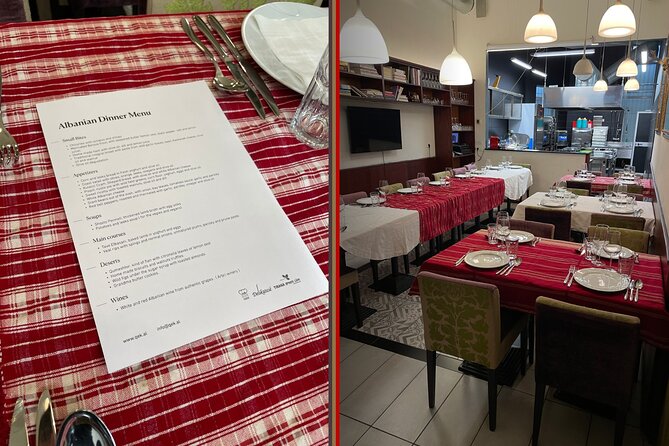
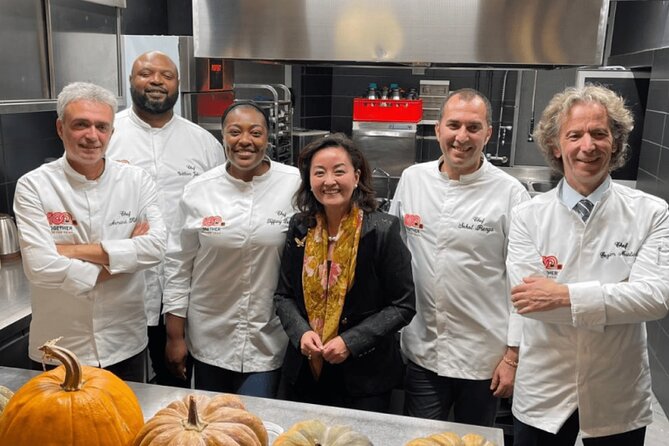
- Chef Sokol Prenga leads the class with stories about how Albanian cuisine evolved from origins to modern day
- You make multiple courses (breads, pies, soup, mains, and dessert), not just watch
- Pispili is a star dish you’ll learn as part of the hands-on menu
- Traditional bread variety includes things like bukë kallamoqe, bukë misri, and pogaçe
- Small group feel with a minimum of 8 and a maximum of 20 people
- Evening runs Mon–Fri, 5:00 PM–10:00 PM with an approximate 4–5 hour cooking window
Why Tirana’s Albanian dinner class feels more personal than eating out
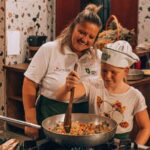
This is the kind of meal where you’re standing next to the food, not just across from it. The experience centers on hands-on cooking with a specific focus on Albanian techniques—especially pastry work—while the host explains where ingredients and dishes came from and how they changed over time.
What makes it especially satisfying is that you leave with both the taste and the method. When you learn how a dish like pispili comes together, you’re not just eating spinach and crust—you’re seeing how Albanians build flavor with dough, filling, and tradition.
The tone is friendly and social. In practice, that means you get a bit of room to chat while you work, and the evening doesn’t feel rushed even when the menu is busy.
You can also read our reviews of more tours and experiences in Tirana.
Meeting point, timing, and how to plan your night
The class starts at Delikatesë Pastiçeri on Rruga Myslym Shyri 97 in Tirana. It runs Monday through Friday, with opening hours listed as 5:00 PM to 10:00 PM, and the activity ends back at the meeting point.
Duration is listed at about 5 hours (approx.), with the cooking portion described as around 4–5 hours. That schedule matters because it turns this into an anchor plan: you’ll want dinner covered here, and you’ll likely eat little before you arrive.
It’s also described as near public transportation. That helps if you’re staying in central Tirana and don’t want to puzzle out taxis at night.
The hands-on menu: breads, pies, soups, and the dishes that teach real Albanian cooking
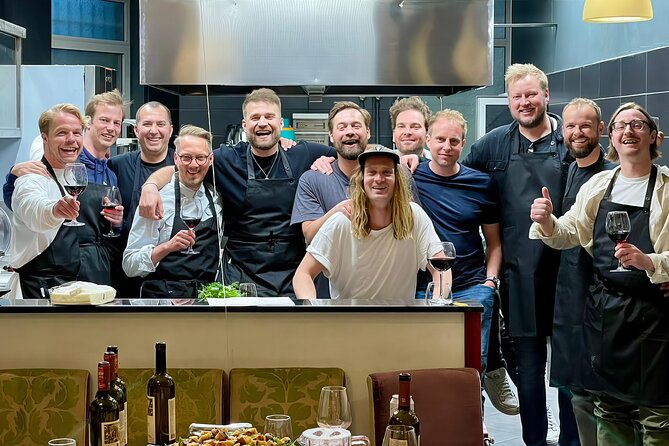
The menu is structured like a tour of Albanian flavors, moving from dough and starters into mains, then finishing with dessert and spirits. You’ll work through several courses, which is a big reason the value feels higher than a simple meal.
Here’s what you can expect to encounter:
Starter: Pite and the thin filo dough approach
One starter is pita made with home-stretched thin filo dough. The fillings can include spinach, minced meat, leek, and feta cheese—so you get a mix of herbs, dairy tang, and savory depth all in one bite.
This course is useful even if you never plan to cook Albanian food at home. Why? Because you learn a technique mindset: dough thinness, sealing, and how fillings behave once baked.
Starter: Traditional Albanian breads (a mini bread sampler)
You’ll also make or learn about several traditional breads, including:
- Bukë kallamoqe
- Bukë misri
- Kulaç
- Pogaçe
- Kamkuçe
This is a great part of the evening because it shows how Albanian baking isn’t one thing. Corn and wheat flours both show up, and the different bread styles give you a sense of regional variety without needing a full day of food-hopping.
Starter: Tavë Kosi (baked casserole with yogurt and lamb)
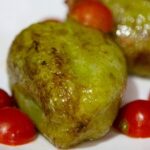
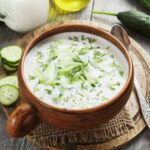
For another starter, you’ll meet tavë kosi, a baked casserole with yogurt and lamb. The combination is classic: yogurt brings tang and a creamy texture even after baking, while lamb adds richness and a strong savory base.
If you like slow-cooked comfort foods, this is usually where the room starts smelling like dinner dinner.
Main: Pispili (Albanian spinach pie)
If you want the dish most likely to stick in your memory, it’s pispili. It’s an Albanian spinach pie—one of those “simple on paper, detailed in real life” foods where dough and seasoning matter.
Because it’s explicitly highlighted in the experience, you can treat it as a centerpiece. I’d plan to pay close attention during this part, since this is the recipe that’s most likely to translate into something you could repeat later.
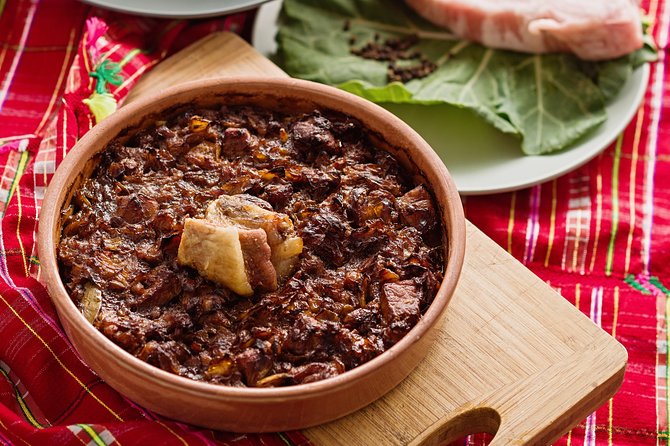
Main: Mish me pistil (veal ribs with plum syrup)
Another main is mish me pistil, described as veal ribs with plum syrup. Sweet fruit against savory meat is a recurring theme in many Balkan cuisines, and this dish is a clear example of that balance.
If you’re wary of sweet-sour flavors, it’s still worth tasting a small portion because plum syrup is usually mild enough to feel like a glaze, not dessert.
Main: Shqeto e Përmetit (egg-based soup from Përmet)
You’ll also have shqeto e Përmetit, an egg-based soup from Përmet. This is a good palate reset between heavier baked dishes.
Egg-thickened soups tend to feel comforting and gentle, and the local flavor gives you another angle on Albanian cooking: not just pies and casseroles, but also soups built for everyday warmth.
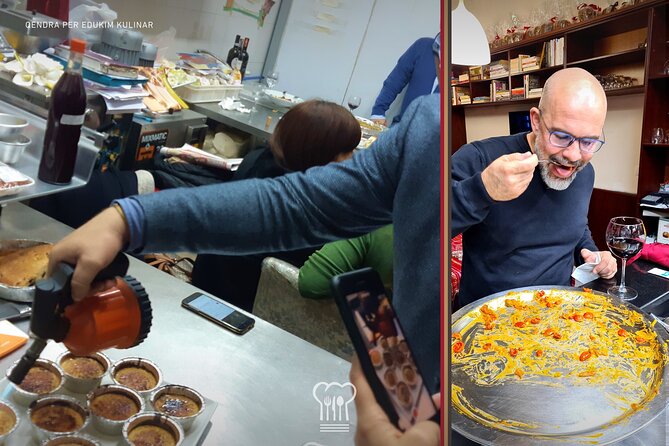
Dessert: Qumeshtor (Albanian flan)
Dessert is qumeshtor, described as an Albanian flan. It’s the kind of finish that keeps the meal from turning into only savory food fatigue.
The result is a complete dinner arc: dough and savory starters, two or three main-style courses, then a dairy-forward dessert that makes the whole evening feel finished.
The Albanian cooking story: why the host’s explanations matter
The class doesn’t just run through recipes. You learn about Albania’s culinary evolution from the host, moving from origins to modern day form. That context matters, because it helps you understand why ingredients are paired the way they are.
Chef Sokol Prenga is positioned as the “Master Chef” and you’ll spend time with his guidance as the menu is explained step by step. The way the experience is described, he’s not only teaching technique—he’s also teaching meaning: heritage, tradition, and the journey of ingredients.
I like this approach because it changes how you taste. You start noticing what’s doing the work: the sharpness from dairy, the herb backbone in fillings, the way dough changes structure in the oven, and how sweet accents show up in mains.
The evening’s rhythm: group size, music, wine, and staying comfortable
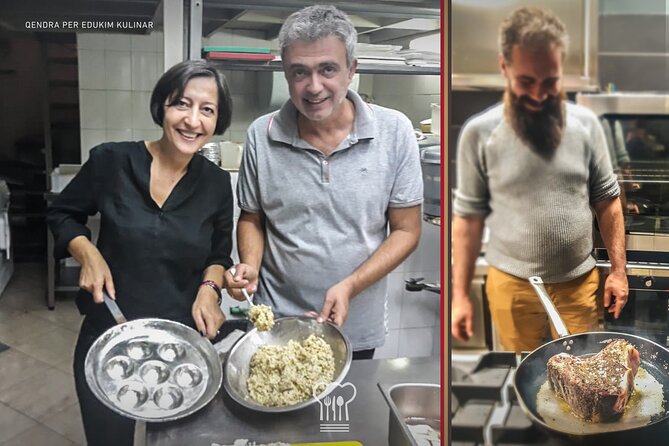
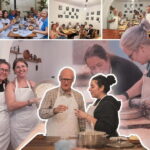
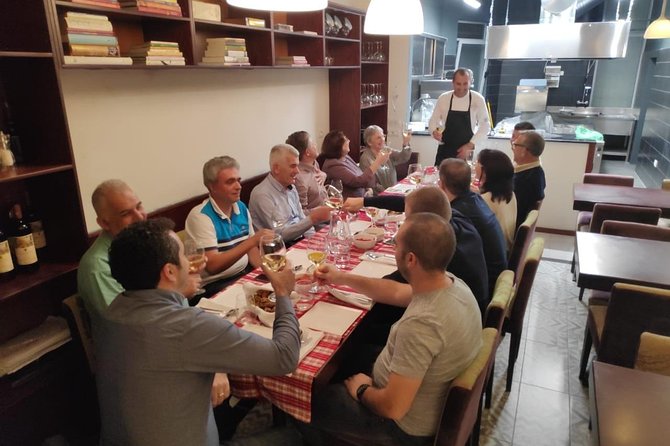
This is built for a small group. There’s a minimum of 8 participants and a maximum of 20, so you don’t disappear into a huge crowd. In a group this size, it’s realistic to get help when you need it and still feel the social energy.
The class runs 5:00 PM–10:00 PM on Monday through Friday, and the cooking portion takes about 4–5 hours. Plan to treat it like an event night, not a casual bite.
The vibe is lively. You can expect conversation and music, and spirits are part of the evening. One practical note: if you don’t drink alcohol, I’d plan ahead because wine and spirits are described as part of the experience atmosphere.
Also, this is designed to work even if you’re a total beginner. It’s described as patient and guided, with instruction step by step through appetizers, main dishes, desserts, and spirits.
Price and value: what $90.11 gets you in Tirana
At $90.11 per person, you’re paying for more than a meal. You’re paying for instruction in multiple classic dishes, hands-on time across several courses, and a full dinner outcome (plus spirits as part of the program).
Here’s why the value can feel strong: you’re not choosing between “activity” or “dinner.” You get both, and the menu includes multiple substantial courses (breads, pie dishes, casserole, soup, meat-and-sauce mains, plus flan).
In other words, it’s closer to a guided food workshop with a complete dinner payoff than a typical restaurant night. If you like food experiences where you learn and then eat what you made, it’s a good match for the price.
Who this suits best (and who should check dietary and timing)
This experience is a good fit for:
- People who love cooking or food technique, not just tasting
- Travelers who want a cultural story tied directly to ingredients and recipes
- Groups of friends who enjoy a social dinner with shared tasks
Before booking, check your personal fit around three practical areas:
Food preferences. The sample menu includes lamb and veal, plus yogurt and egg-based soup. If you avoid meat or dairy, you should confirm how flexible the menu can be (the data doesn’t spell out substitutions).
Alcohol. Spirits are part of the experience. If you don’t drink, you might still enjoy the meal and cooking, but you’ll want to be comfortable with an alcohol-forward dinner format.
Time window. It’s a late afternoon/evening event (5:00 PM start, ending back at the meeting point). If you prefer earlier dinners, this may not match your style.
Practical tips to make your evening smooth
These are small things that help a lot when you’re cooking for hours:
- Wear comfortable clothes and something with sleeves you don’t mind adjusting around dough work.
- Come hungry. The menu is multi-course, and you’ll be eating what you make.
- If you have allergies or strict dietary limits, ask about ingredients ahead of time. The menu explicitly includes dairy and meat.
- Keep your questions simple: ask what you should focus on during each course (dough thickness, filling balance, baking timing).
- Use the public transportation-friendly location to your advantage. You’re ending where you start, so plan your return early.
Also, keep in mind that you’re learning in English. That’s great for explanation and technique clarity, especially when the host is connecting culinary evolution to what you’re doing in the kitchen.
Should you book this Albanian cooking class in Tirana?
I’d book it if you want a Tirana evening that’s more than a meal. The combination of hands-on cooking, classic Albanian dishes like pispili, and Chef Sokol Prenga’s ingredient-and-history framing makes this a standout food experience for people who like to learn while eating.
I’d think twice if you’re chasing something ultra-fast or you have strong dietary limits that could conflict with lamb, veal, yogurt, and egg-based soup. And if you hate late start times, the 5:00 PM–10:00 PM schedule may throw off your trip pacing.
If you’re on the fence, here’s the quick decision test: if you’d enjoy making dough and then eating a full dinner you helped create, this is worth your night.
FAQ
Where is the cooking class located?
The experience starts at Delikatesë Pastiçeri, Rruga Myslym Shyri 97, Tiranë, Albania, and it ends back at the same meeting point.
What’s the duration of the experience?
The cooking class and traditional Albanian dinner lasts about 5 hours (approx.).
What time does it run in Tirana?
The listed opening hours are Monday to Friday from 5:00 PM to 10:00 PM.
Is the class offered in English?
Yes, the experience is offered in English.
How much does it cost?
The price is $90.11 per person.
How big are the groups?
There is a minimum of 8 participants and a maximum of 20 travelers.
What dishes are included in the menu?
The sample menu includes Pite, traditional Albanian breads, Tavë Kosi, Pispili, Mish me Pistil, Shqeto e Permetit, and Qumeshtor (Albanian flan).
Will I be cooking or just watching?
You’ll have a hands-on experience. The class describes step-by-step guidance through appetizers, main dishes, desserts, and spirits.
Is a mobile ticket provided?
Yes, the experience includes a mobile ticket.
What if the minimum group size isn’t met?
If the experience is canceled because the minimum isn’t met, you’ll be offered a different date/experience or receive a full refund.
Is there free cancellation?
Yes, cancellation is free up to 24 hours in advance for a full refund.