REVIEW · TIRANA
Traditional Albanian Cooking Class in Tirana & Raki Tasting
Book on GetYourGuide →Operated by Cooking Class Tirana · Bookable on GetYourGuide
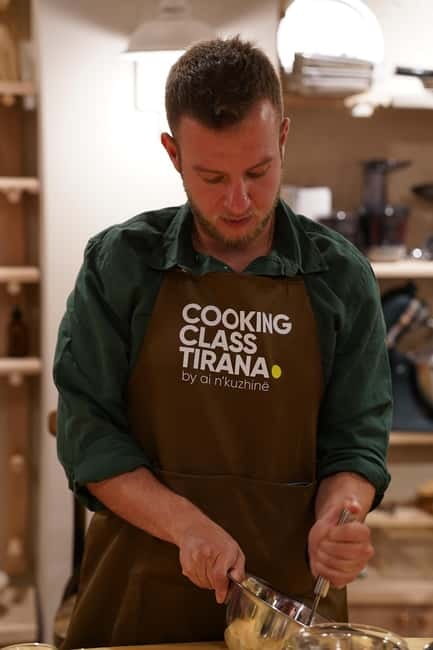
Rakia and byrek start the night in Tirana. This traditional cooking class pairs hands-on Albanian recipes with a proper raki tasting, plus stories that make the food feel like it belongs to the city, not just a kitchen. You cook, snack, and sit down together at a communal table with an English-speaking host (often chefs like Dervis) who keeps things friendly and focused.
I love the step-by-step cooking. You learn practical technique, from rolling the dough for burek to seasoning village chicken for pershesh. I also love the way the meal keeps going: unlimited homemade wine and a guided raki tasting show up during the class, not just at the end, so the whole evening feels like a long dinner with lessons.
One consideration: this is a social night that includes lots of alcohol, and the portions are generous. If you want a quiet, alcohol-free experience, or you get uncomfortable around drink-centered group fun, you may want to skip it—or at least go in with a plan for pacing (and water).
In This Review
- Key Things You’ll Notice Right Away
- Why This Tirana Cooking Class Feels Like a Home Meal
- Meet the Host: Dervis, Maris, and Marius Energy
- The Main Recipes: Burek Dough, Pershesh Chicken, and Sheqerpare
- Burek with cottage cheese (rolling and handling the dough)
- Village chicken with pershesh (seasoning and balancing flavor)
- Sheqerpare (a traditional Albanian sweet you’ll remember)
- The Snack Table and Meze: What You Eat While You Cook
- Wine, Raki, and Unlimited Water: How the Drinks Fit the Experience
- Jams and Gliko Tasting: The Sweet Detour You Didn’t Know You Needed
- What the Four Hours Feel Like (Without the Guesswork)
- Price and Value: Why $44 Works Here
- Dietary Restrictions: Planning Without Fear
- Practical Tips So You Enjoy It More
- Who Should Book This Class (and Who Might Skip It)
- Should You Book This Tirana Cooking Class?
- FAQ
- How long is the Albanian cooking class in Tirana?
- What does the class cost?
- What recipes will I be cooking?
- Is the class offered in English?
- Is wine and raki included?
- Are dietary restrictions accommodated?
- What appetizers are included during the class?
- Is there a dessert and sweet tasting?
- Is the venue wheelchair accessible?
- Can I cancel for a full refund?
- Is there a reserve and pay later option?
Key Things You’ll Notice Right Away
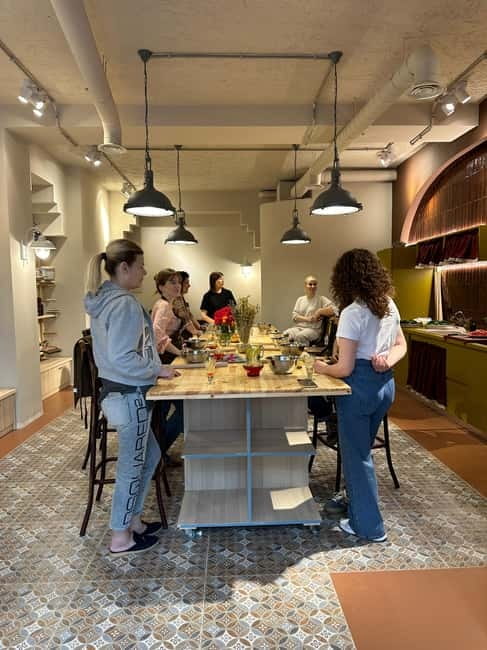
- Three Albanian dishes you can name and repeat: burek with cottage cheese, village chicken with pershesh, and sheqerpare.
- Raki tasting built into the flow: guided sampling alongside unlimited homemade wine and free water.
- Big snack table before and during cooking: olives in oregano, fried peppers, cream cheese, and fresh bread.
- Sweet finishes beyond dessert: sheqerpare plus tasting Albanian jams and gliko.
- Culture that shows up in small details: tips on ingredients like olive oil and even how to sprinkle salt.
- A fun group vibe: music, laughter, and sometimes dancing after you eat.
Why This Tirana Cooking Class Feels Like a Home Meal
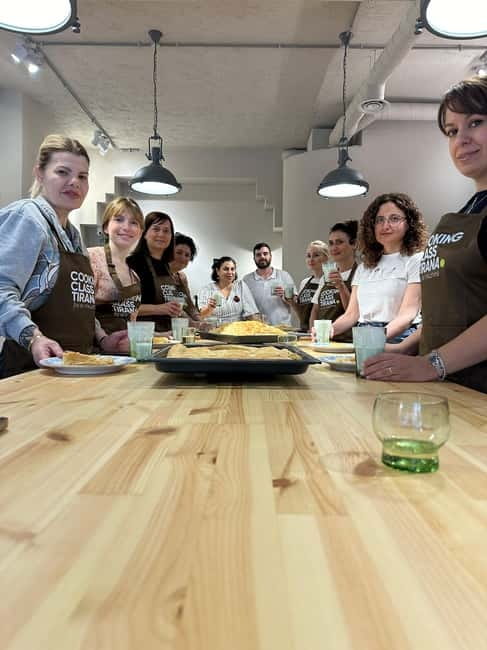
Tirana can be a little overwhelming at first. Streets, noise, traffic, menus everywhere in different alphabets. This class gives you something calm and real: a kitchen where the evening follows a rhythm you can understand.
What makes it work is the tone. The host guides you through the cooking, but it never feels like a test. It feels more like you’re invited for dinner and they’re happy you’re helping. You’ll cook together, then sit together, and you’ll actually eat what you made.
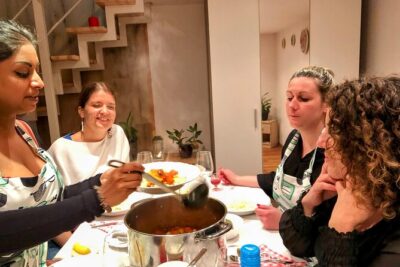
That communal setup matters. Even if you come solo, you’re not stuck watching from the sidelines. You’re rolling dough, chopping and mixing, passing ingredients, and then sharing the finished dishes across a table. If your travel style includes meeting people while doing something hands-on, this is the kind of activity that fits.
You can also read our reviews of more tours and experiences in Tirana.
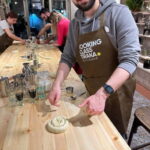

Meet the Host: Dervis, Maris, and Marius Energy
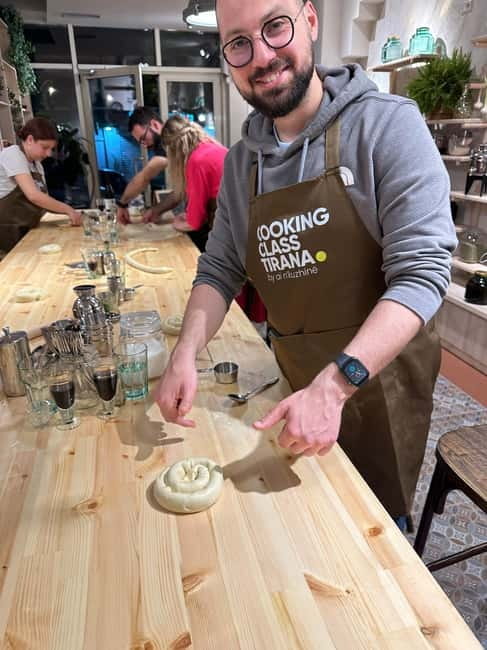
The class runs with an English-speaking instructor, and the best part is how much personality the host brings. In the same way good cooks teach without talking over you, these hosts keep things clear, funny, and patient.
Names that come up often include Dervis, along with other hosts such as Maris and Marius. The common thread is a welcoming style: you feel included in the work and the conversation. Several guests specifically praised hosts for explaining technique well and for sharing context about Albanian food and everyday habits.
You should expect storytelling, but not in a lecture way. It shows up as practical notes: why an ingredient is used, what texture you’re aiming for, and small etiquette cues that make the food feel tied to local life instead of just a recipe card.
The Main Recipes: Burek Dough, Pershesh Chicken, and Sheqerpare
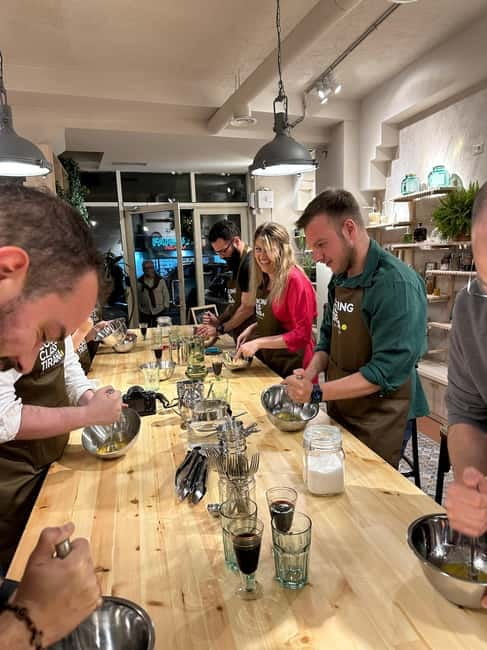
This is not a class where you watch while someone else cooks. You’ll take part in making several dishes, then you’ll eat them at the communal table.
Burek with cottage cheese (rolling and handling the dough)
Burek is the anchor. You’ll practice rolling dough, which is one of those skills that makes your kitchen confidence jump quickly. Once you handle the dough with guidance, you stop thinking of burek as complicated and start seeing it as structured.
The host will show you how to roll and manage thickness so it cooks properly. You’ll also learn the flow of assembly—how filling fits in, how you keep things organized while working, and what to aim for before the dish heads to the next step.
Village chicken with pershesh (seasoning and balancing flavor)
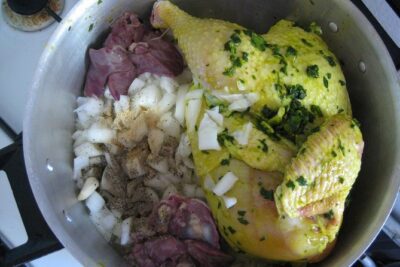
The chicken dish in the menu is village chicken with pershesh. The technique focus here is seasoning—getting the flavor right rather than guessing. In other words, you’re learning what makes the dish taste like itself.
Pershesh-style cooking is about comfort and balance. The host’s instructions help you understand how to season during prep so it doesn’t end up bland or one-note once it’s cooked. If you’ve ever cooked meat and wondered where the flavor went, this is the moment to get those answers.
Sheqerpare (a traditional Albanian sweet you’ll remember)
Sheqerpare rounds out the cooking. Even if you’re not a dessert person, you’ll probably enjoy this because it’s tied to Albanian home cooking rather than fancy presentation.
You’ll work through the steps for the dessert and then sit down to taste it along with everything else. Since the class also includes tastings later (jams and gliko), it’s a good arc: savory work first, then sweet proof that you nailed the finish.
The Snack Table and Meze: What You Eat While You Cook
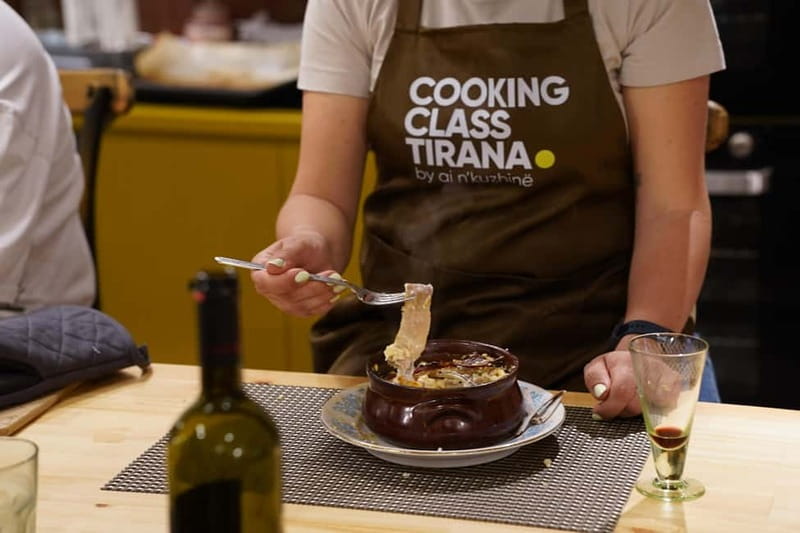
One of the most practical things about this class is that it keeps feeding you. You’re not waiting for a single late dinner.
Before or alongside the cooking steps, you’ll get an array of appetizers and meze, including olives in oregano, fried peppers, cream cheese, and fresh bread. This matters for two reasons:
1) You’re energized while cooking.
2) You get a broader picture of Albanian flavors beyond just the three main dishes.
The snack menu also helps if you’re hungry but not sure what to expect. It gives you quick wins on the palate while you’re learning. And because these are shared items, it adds to the social feel of the evening.
Wine, Raki, and Unlimited Water: How the Drinks Fit the Experience
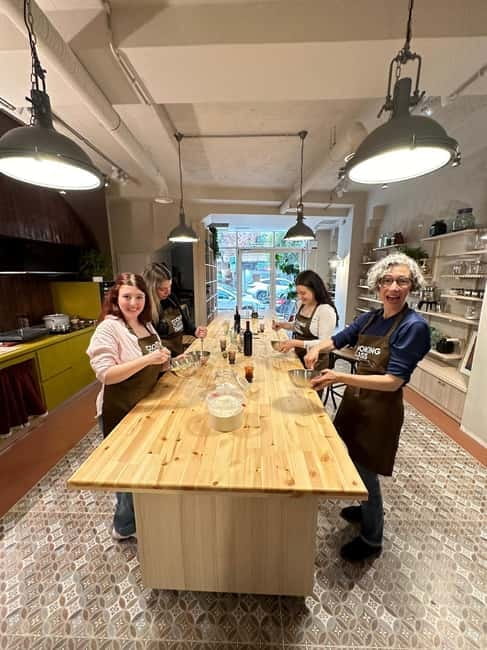
This class is built around Albanian drinks, and it does it in an organized way. You’ll have unlimited homemade wine and free water, plus a guided raki tasting.
If you’re new to raki, the guided part helps. You’re not just handed a shot and told to figure it out. The host sets the stage so you understand how it fits into Albanian table culture.
Still, be honest with yourself about alcohol. Even if you enjoy it, the pacing can catch you off guard because food and drinks keep arriving during the lesson. A smart approach is to sip wine with the meal, taste raki when it’s offered, and drink water between rounds. You can keep the fun without turning it into a race.
Also, plan to enjoy the evening as a full dinner. Multiple guests stressed that you should arrive hungry, and that tracks with how much you end up eating.
Jams and Gliko Tasting: The Sweet Detour You Didn’t Know You Needed
After the savory dishes and the dessert, there’s an additional tasting component: Traditional Made in Albania jams and gliko.
Gliko is one of those Albanian treats that helps you see how people turn fruit and ingredients into lasting sweetness. It’s not just a sugary add-on either. When you taste it after sheqerpare, it gives you contrast—different textures and flavor styles, all part of the same home-food world.
This tasting segment also makes the evening feel longer in the best way. You’re not rushing from cooking to eating to leaving. You’re getting a full course arc, plus extra local flavor on top.
What the Four Hours Feel Like (Without the Guesswork)
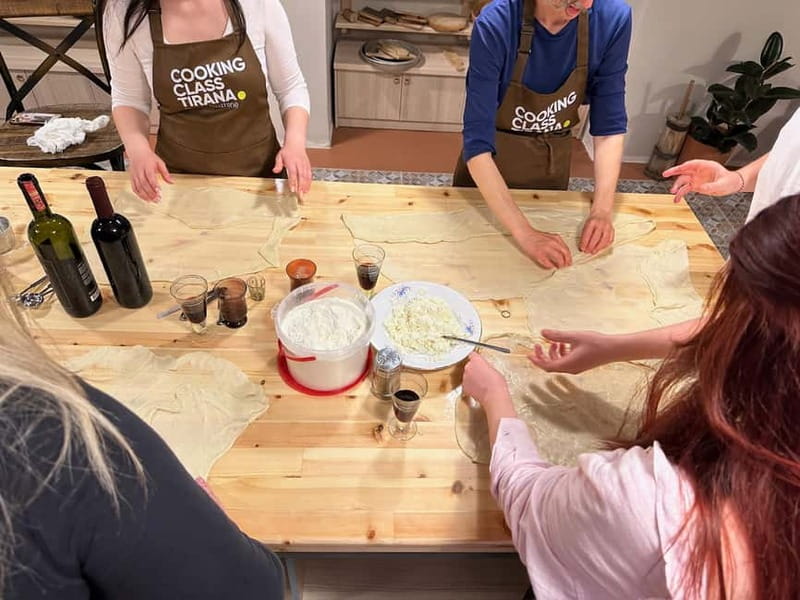
The class runs about 4 hours, and that time is used on purpose. Here’s what the flow usually looks like, based on the structure of the experience:
First you arrive to a cozy setup and a warm welcome. The host introduces the cooking journey ahead and explains what you’ll make. This early part matters because it helps you understand the dish names and the techniques before your hands start moving.
Then comes the hands-on cooking phase. This is where you roll dough for burek, learn how to properly season the chicken for pershesh, and work through the steps for sheqerpare. Throughout, you’ll be eating appetizers and sipping unlimited homemade wine, which keeps energy steady.
Finally, you sit down together to enjoy the feast you cooked. That dining time isn’t just about eating. It’s when the group vibe takes over—conversation, laughs, and sometimes music and dancing. It’s also when you can see the results of your cooking and compare flavors across dishes.
Price and Value: Why $44 Works Here
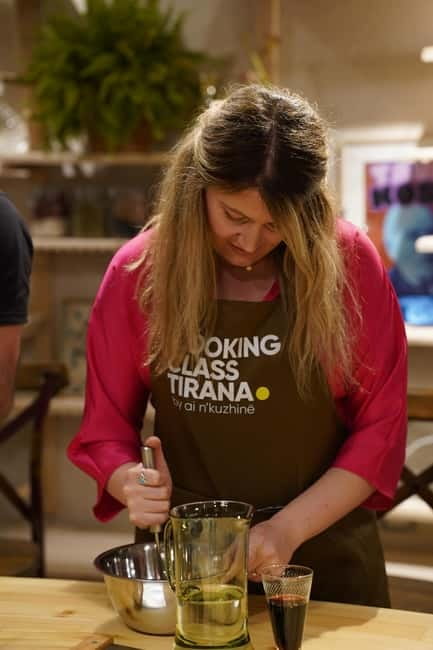
$44 for a 4-hour class in Tirana can look either reasonable or steep, depending on what you’re comparing it to. Here’s why it tends to feel like value.
You’re paying for a lot more than “someone shows you recipes.” You get:
- Multiple dishes you help make (burek, village chicken with pershesh, sheqerpare)
- A table of appetizers and meze (including several specific items like olives in oregano and fried peppers)
- Unlimited homemade wine plus a guided raki tasting
- Water included
- A jams and gliko tasting in addition to dessert
- An English-speaking instructor who teaches technique, not just ingredients
That’s a full dinner and lesson combined. And the generous portions are repeatedly noted in the experience itself, including the chance to take food home. When a meal is abundant and you leave knowing how to recreate at least a couple dishes, the cost starts to make sense fast.
If you’ve been trying to budget in Albania, this is one of those purchases that often ends up being a standout use of time and money, because it feeds you while teaching you.
Dietary Restrictions: Planning Without Fear
You can accommodate dietary needs, including vegetarian, vegan, pescatarian, halal, and lactose intolerance and others. The key is simple: specify your needs when booking.
This matters because it changes your menu items and how ingredients are used. You’re not left at the mercy of what’s available in the kitchen. The setup is built to handle substitutions so you can cook and eat the experience comfortably.
If you’re traveling with dietary restrictions, don’t assume you’ll get a token substitute. This class explicitly supports a range of needs, so it’s a strong choice compared with food experiences that are “mostly adjustable.”
Practical Tips So You Enjoy It More
This is the part that will save you minor headaches.
1) Arrive hungry. The food amount is a major part of why people remember the night.
2) Wear clothes you can cook in. You’ll roll, mix, and handle dough.
3) Pace the drinks. Unlimited wine plus raki tasting can add up, so keep water going.
4) If you want leftovers, ask. Many guests got take-away food, since it’s common to send guests home with what’s left.
One more tip: if you’re a solo traveler, this kind of small, table-based cooking format often makes it easier to talk to people. The work creates conversation topics, and the communal meal keeps it going.
Who Should Book This Class (and Who Might Skip It)
This class is a great fit if you want:
- A hands-on Tirana food experience, not just watching
- Albanian recipes you can actually repeat later
- A social evening with an English-speaking host
- Plenty of food plus drinks included in the price
It’s also especially good for people starting their trip in Tirana. You get cooking skills, cultural context, and a feel for how Albanian hospitality works at the table.
You might skip it if you:
- Prefer alcohol-free experiences
- Want a quiet, minimal-interaction activity
- Don’t like group dynamics involving laughter and music
Should You Book This Tirana Cooking Class?
If you’re choosing one food-focused activity in Tirana, this one deserves serious consideration. The biggest reason is practical: you leave with real technique for recipes like burek dough and sheqerpare, not just memories of flavors.
Also, the structure is built to keep you comfortable the whole time—snacks while you cook, a full sit-down meal at the end, and extra tastings that extend the experience without dragging it out. If that sounds like your idea of a great evening, book it early and plan to eat before you go.
If you do book, go in with one mindset: treat it like dinner with a lesson. That’s when it clicks.
FAQ
How long is the Albanian cooking class in Tirana?
The class lasts 4 hours.
What does the class cost?
It costs $44 per person.
What recipes will I be cooking?
You’ll make dishes such as burek with cottage cheese, village chicken with pershesh, and sheqerpare. Seasonal appetizers and meze are also part of the experience.
Is the class offered in English?
Yes. The instructor speaks English.
Is wine and raki included?
Yes. You get unlimited homemade wine, free water, and a guided raki tasting.
Are dietary restrictions accommodated?
Yes. Vegetarian, vegan, pescatarian, halal, lactose intolerance, and other restrictions can be accommodated if you specify them when booking.
What appetizers are included during the class?
The experience includes appetizers such as olives in oregano, fried peppers, cream cheese, and fresh bread.
Is there a dessert and sweet tasting?
Yes. You’ll cook sheqerpare and also enjoy a tasting of Albanian jams and gliko.
Is the venue wheelchair accessible?
Yes, the activity is wheelchair accessible.
Can I cancel for a full refund?
Yes. Free cancellation is available up to 24 hours in advance for a full refund.
Is there a reserve and pay later option?
Yes. You can reserve now and pay later.