REVIEW · OSAKA
Authentic SUSHI Course Cooking Class
Book on Viator →Operated by Sakura Cook · Bookable on Viator
Warm hands, sharp knives, and real food skills. This Osaka class turns sushi from mystery into something you can do at home, step by step. I like the small-group size (kept intimate) and the fact you make a full spread, not just rolls. You’ll also get guided practice on key building blocks like sushi rice seasoning and dashi/miso—the stuff that makes Japanese food taste like Japanese food, not just rice and fish. One thing to consider: the course is hands-on, so if you prefer a mostly watch-and-eat format, you may find the pace a bit active.
You’re not only learning how to form sushi—you’re learning the logic behind it, from tamagoyaki (rolled egg) to miso soup to yakitori grilling. I also really appreciate that ingredients are included, plus you finish with dessert, so the experience feels complete rather than stretched out. The main drawback I’d flag is that take-home recipes can feel a little light, so bring your phone and be ready to jot quick notes while you cook.
In This Review
- Key Points to Know Before You Go
- From Sushi Rice to a Full Japanese Meal (2.5 Hours)
- Where You Meet and How the Timing Works
- Your Sushi Rice Setup: Individual Wooden Tub, Real Technique
- Rolled Egg for Egg Sushi: Tamagoyaki on a Rectangle Pan
- Dashi and Miso Soup: Getting Umami Out of Simple Ingredients
- Three Kinds of Sushi You Can Actually Recreate
- Yakitori Chicken: Skewer Work and Simple Grilling Steps
- The Finish: Itadakimasu, Your Meal, and Seasonal Dessert
- Price and Value: What $99.08 Buys You in Real Terms
- What to Watch Out For (So You’re Not Disappointed)
- Who This Sushi Course Fits Best
- Should You Book This Osaka Sushi Course?
- FAQ
- What is the location of the meeting point in Osaka?
- How long is the cooking class?
- Is there a choice between lunch and dinner?
- How many people are in the group?
- What do I make during the class?
- Are ingredients included?
- When does the dinner class start?
- Do I need to tell the provider about dietary restrictions?
- Can children join?
- Can I get a full refund if I cancel?
Key Points to Know Before You Go
- Small-group attention: Maximum 14 participants, with the booking cap showing up as small as 8
- You choose lunch or dinner timing: Built for your schedule, not just the provider’s
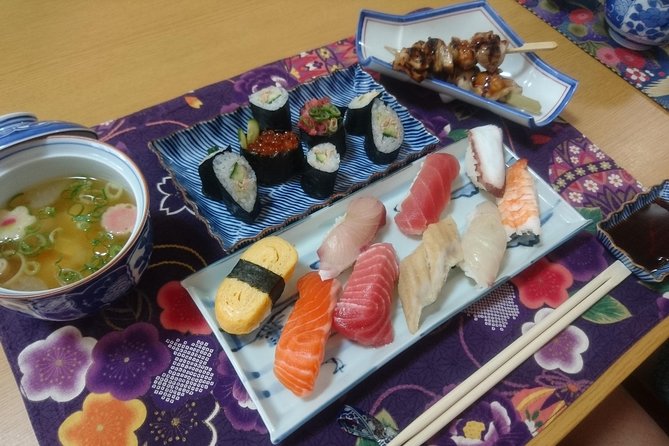
- Full sushi course + sides: Sushi rice, egg sushi, miso soup, and yakitori chicken
- Hands-on from the first minute: You start by making your own sushi rice in an individual setup
- You eat what you make: It all lands on the table with chopsticks, then a seasonal dessert
From Sushi Rice to a Full Japanese Meal (2.5 Hours)
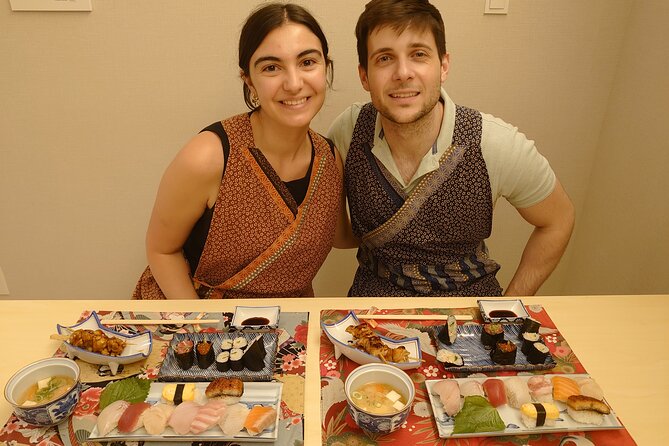
This is the kind of class where you stop thinking of sushi as a single dish. Here, sushi is a system. You work on the rice first, then build outward into egg sushi, dashi and miso soup, and multiple sushi styles. By the time you sit down, you’re eating a meal that feels like you actually know why it tastes the way it does.
The timing matters. With an approximate 2 hours 30 minutes, you’re not stuck in a half-day production. Instead, you get enough instruction to make real progress, and you still have time to enjoy Osaka afterward.
And the vibe is practical. You’re in an Osaka restaurant setting, cooking with the tools provided, following a professional guide. You don’t just learn recipes—you practice movements you can recreate later: rice seasoning, rice handling, rolling techniques, and skewering and grilling chicken.
You can also read our reviews of more tours and experiences in Osaka.
Where You Meet and How the Timing Works
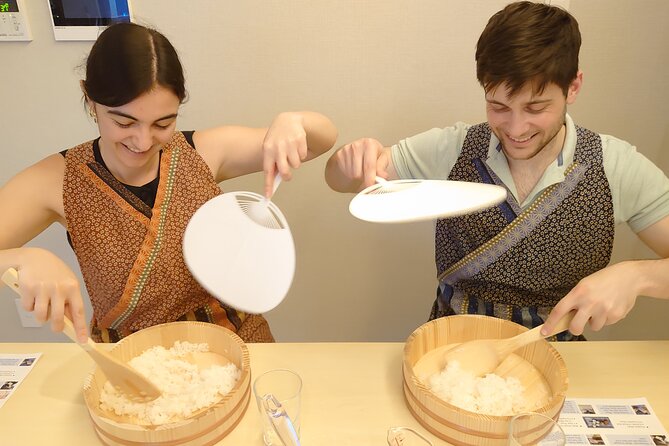
The class meets at Banix北堀江 (Nishi Ward, Kitahorie) in Osaka, and it ends back at the same meeting point. If you’re using public transportation, it’s described as near transit, which helps a lot for a dinner-style class.
The start time listed for the dinner option is 5:30 pm. That’s a sweet spot in many Osaka days: you’re not eating too late, but you’re also not trying to fit a cooking class into the early morning rush.
You also have a choice of lunch or dinner class depending on what you book. If your trip is packed, that flexibility is genuinely useful—especially if you want to place this class on a night when you still have energy for a longer, hands-on activity.
Your Sushi Rice Setup: Individual Wooden Tub, Real Technique
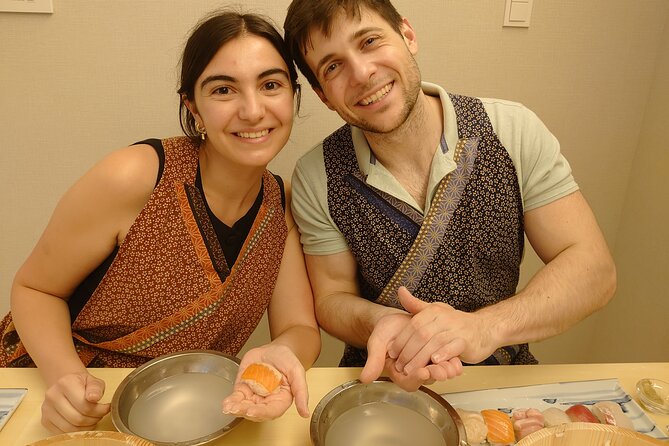
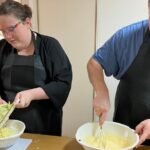
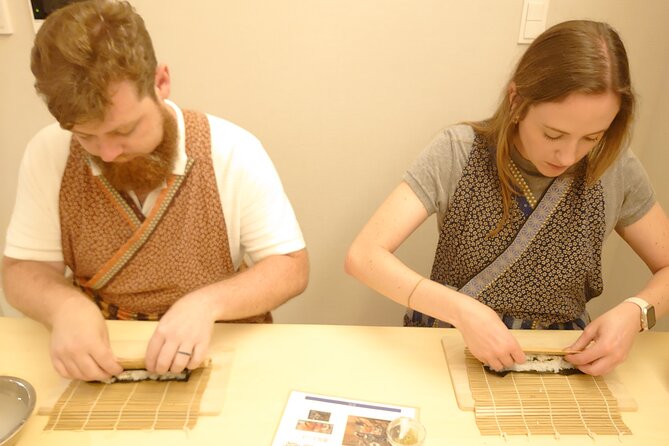
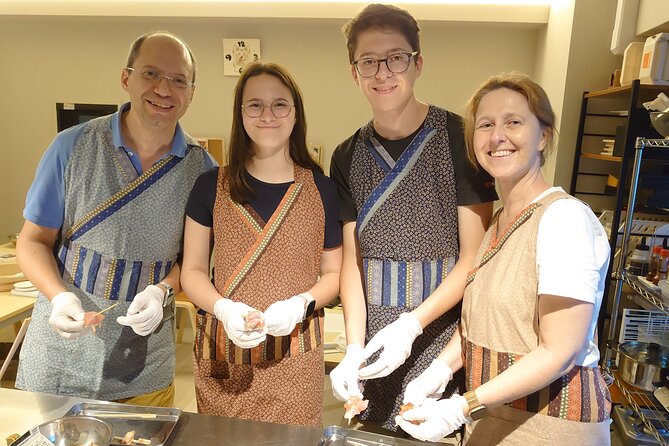
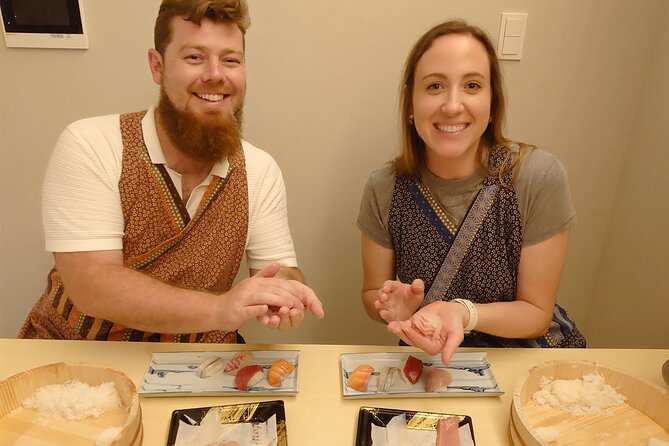
The best part of this class is also the first part: you start making sushi rice on your own. The instructor gives each participant a wooden tub and a paddle, so you can practice rice seasoning directly instead of watching someone else do all the hard work.
This matters because sushi rice isn’t just cooked rice. It’s seasoned and handled in a way that affects texture and stickiness. If you’ve ever wondered why some homemade sushi rice works and others turns into a clumpy mess, that difference comes down to technique and timing—exactly what you practice here.
You’ll be wearing an apron as you work, which is both practical and a little reassuring. You can focus on the process rather than worrying about getting your clothes messy. And once the rice is right, the rest of sushi becomes much more straightforward.
Rolled Egg for Egg Sushi: Tamagoyaki on a Rectangle Pan
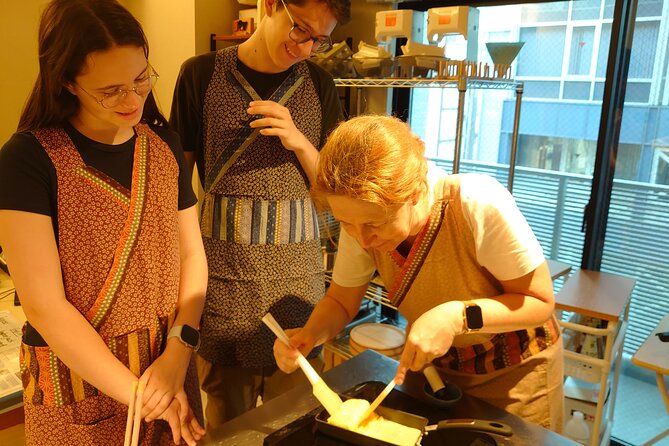
Next comes the rolled egg component—egg sushi made with a rectangle-shaped frying pan. That pan shape is part of the point: it makes the layering and rolling process more manageable, and you learn a practical way to control thickness and shape.
You’re making rolled eggs for egg sushi, so it’s not just a side dish. You’re learning a Japanese technique that shows up everywhere once you start noticing tamagoyaki in Japan. The class structure keeps it moving: you make the rolled egg section, then you transition smoothly into soup.
If you like learning by doing, this part tends to click. You’re not guessing how to roll—your instructor is guiding you through the workflow, and the pan helps you physically understand the motion.
Dashi and Miso Soup: Getting Umami Out of Simple Ingredients
Then you shift to broth. You learn how to make dashi and then use it to make miso soup with tofu and vegetables shaped in a fancy style. The “fancy shaped vegetables” detail is small, but it signals something important: presentation in Japanese cooking isn’t only for restaurants. It’s part of the craft.
What you’re really learning is the foundation of Japanese flavor. Dashi is the backbone for a lot of dishes, and once you understand how it comes together, miso soup becomes more than salty water.
This is also one of the most highly praised pieces of the class. People highlight that miso soup is made from scratch, and that it rivals restaurant versions. Even if you’ve had miso soup in Japan before, learning it step by step is a big upgrade in confidence.
Three Kinds of Sushi You Can Actually Recreate
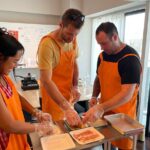
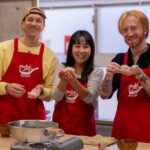
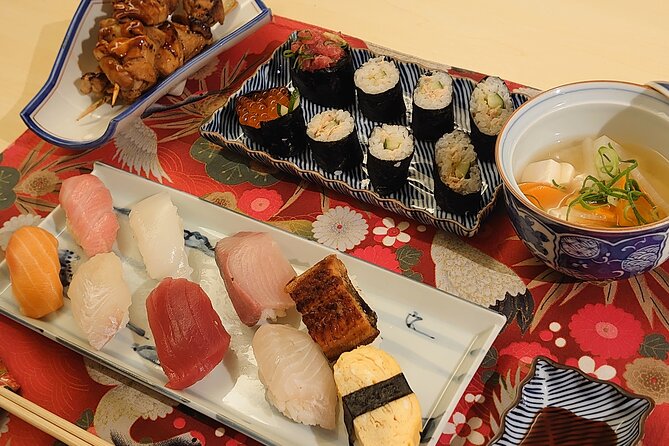
Now comes the payoff: you make three kinds of sushi with clearly defined counts, which makes the whole thing feel structured instead of vague. In the class flow, you make:
- 9 nigiri-sushi
- 2 gunkan-maki
- 1 rolled-sushi
That variety is key for learning. Nigiri teaches you how to pair rice with toppings cleanly and consistently. Gunkan-maki pushes you into a different form of rice handling and topping balance. Rolled sushi adds another set of skills—rolling, alignment, and cutting.
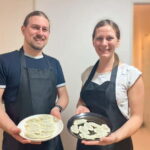
You’ll also get guidance on how each piece fits into a full sushi set, not just how to make something tasty once. By the end, you’re eating what you made with chopsticks, and that final moment helps the techniques “stick” in your head.
Yakitori Chicken: Skewer Work and Simple Grilling Steps
Sushi may be the headline, but the class also includes yakitori chicken. You skewer the chicken and make it as part of the same meal.
This section is valuable because it broadens the skill set beyond sushi technique. You learn how marinade and skewering relate to flavor and cooking. And because yakitori is grilled-style cooking, it adds a different texture and taste to the meal, so the overall plate feels like a proper Japanese dinner rather than just a sushi tasting.
In other words: you don’t leave with only sushi knowledge. You leave with a “how Japanese meals are built” feeling.
The Finish: Itadakimasu, Your Meal, and Seasonal Dessert
When everything is ready, you set the dishes out and get chopsticks. The class encourages the moment of eating the way it’s done in Japan—itadakimasu—which sounds simple, but it adds a nice sense of occasion.
Then you enjoy the meal you cooked, served with a complimentary seasonal dessert. That dessert isn’t huge by itself, but it completes the experience. Cooking classes sometimes stop at the food you made. This one closes the loop with something sweet to reset your palate and mark the end of the lesson.
Also, small-group teaching tends to matter most at the end, when people want to ask questions about what they just made. The structure here supports that because the room isn’t too crowded.
Price and Value: What $99.08 Buys You in Real Terms
$99.08 can feel like a lot until you look at what’s included. Here, you’re paying for:
- hands-on practice starting with sushi rice,
- dashi and miso soup from scratch,
- egg sushi with the rolled-egg technique,
- multiple sushi styles,
- yakitori chicken,
- plus ingredients and seasonal dessert.
Compare that to eating sushi in Osaka. A satisfying meal out can quickly hit similar numbers—especially if you order multiple courses. The difference is that you’re not only eating; you’re learning the steps. You leave with skills you can repeat, and that’s where the real value sits.
You’re also paying for the small-group setup. When the group is small, your instructor can correct technique and help you keep moving. That’s hard to replicate if you try to learn from videos alone.
If you’re the kind of person who likes structured instruction—specific steps, tools, and guided correction—this price makes more sense.
What to Watch Out For (So You’re Not Disappointed)
One possible consideration is that the pace is active. You’re cooking, not just observing. If you want a relaxed, sit-back class, choose your timing carefully (and consider the lunch option if dinner timing feels too rushed).
Another caution: some participants have noted that the final recipe handouts can feel a bit light, and that not every step is fully detailed. That doesn’t erase the value of the in-class teaching, but it does mean you’ll want to be prepared:
- take quick notes while you’re cooking,
- snap a few photos of what you’ve done,
- and ask the instructor during the session if something is unclear.
Also, as with any activity involving food prep, if you have dietary requirements, you should flag them when booking. The class asks you to advise specific dietary needs in advance.
Who This Sushi Course Fits Best
This class is ideal if you want a guided way to learn sushi basics that usually feel hard when done alone. You’ll especially like it if:
- you’re a beginner who wants technique, not just ingredients,
- you want a full Japanese meal out of one experience,
- you travel solo and still want personal attention,
- you enjoy learning by doing instead of watching demonstrations.
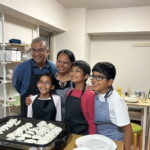
It’s also a good option for groups because the class caps participants and keeps everyone involved. Families with teenagers have shared that everyone found the experience enjoyable and filling, which makes sense: you get a lot of different foods in one sitting, and the cooking is hands-on enough to keep attention.
Should You Book This Osaka Sushi Course?
I’d book it if you want real sushi skills, not a quick souvenir class. The structure is strong: sushi rice first, then egg sushi, then broth and miso soup, then multiple sushi styles, then yakitori, and finally dessert. That means you leave with a practical set of techniques you can try at home.
I’d think twice if you hate active cooking sessions or you only want to taste rather than learn. Also, if you rely heavily on a detailed written recipe afterward, bring your own notes since take-home detail may not be perfect.
If your goal is an authentic, hands-on Osaka night with a lot of edible results, this is a solid choice.
FAQ
What is the location of the meeting point in Osaka?
The meeting point is Banix北堀江, 550-0014 Osaka, Nishi Ward, Kitahorie, 3-chōme62 システマギャラリー.
How long is the cooking class?
The duration is about 2 hours 30 minutes.
Is there a choice between lunch and dinner?
Yes, you can choose a lunch- or dinnertime class to fit your schedule.
How many people are in the group?
The tour is described as a small group with a maximum of 14, and the booking info also lists a maximum of 8 travelers.
What do I make during the class?
You make sushi rice, rolled egg for egg sushi, dashi, miso soup, and sushi including nigiri-sushi, gunkan-maki, and rolled sushi. You also skewer and make yakitori chicken.
Are ingredients included?
Yes. All ingredients are included, along with some sweets to enjoy afterward.
When does the dinner class start?
The start time listed is 5:30 pm.
Do I need to tell the provider about dietary restrictions?
Yes. You should advise any specific dietary requirements at the time of booking.
Can children join?
Children must be accompanied by an adult.
Can I get a full refund if I cancel?
Free cancellation is available. You can cancel up to 24 hours in advance for a full refund.