REVIEW · ROME
Rome: pasta and tiramisu cooking class in the city center
Book on GetYourGuide →Operated by Cantiere Gastronomico · Bookable on GetYourGuide
Fresh pasta, made like the real thing. This Rome pasta and tiramisu class throws you into a proper kitchen just off Via Veneto, so your hands do the work, not a slideshow. I love that you start with genuine ingredients and build from dough to shape—fettuccine, tagliatelle, and tagliolini—step by step.
My second big win: the instruction feels calm and thorough. You’ll be guided by a passionate team trained through their collaboration with Chinappi, and in reviews you’ll even see names like Francesco and Oliviero mentioned for taking their time with explanations. One thing to consider: it’s a tight 2-hour experience, so it’s best if you want hands-on cooking and a shared meal, not a long, multi-course food crawl.
In This Review
- Key highlights at a glance
- Why this Rome pasta-and-tiramisu class near Via Veneto is worth your time
- The elegant kitchen setting you’re actually cooking in
- Fresh pasta basics: fettuccine, tagliatelle, and tagliolini
- Step-by-step guidance that makes pasta-making feel doable
- Tiramisu hands-on: classic recipe with a personal touch
- Your meal: sit down, eat what you made, drink wine
- Price and value: what $70 buys in central Rome
- Who should book this class (and who might skip it)
- Little extras that can make your day smoother
- Should you book this Rome pasta and tiramisu cooking class?
- FAQ
- How long is the Rome pasta and tiramisu cooking class?
- Where is the class located?
- What dishes do I make in the class?
- Are drinks included?
- Is the class taught in English?
- Do I eat what I cook?
- Do I receive a certificate?
- Is the location wheelchair accessible?
- Can I cancel and get a refund?
Key highlights at a glance
- Central Rome location near Via Veneto in an elegant, well-kept Roman salon
- Chinappi restaurant collaboration, with staff using high-level techniques
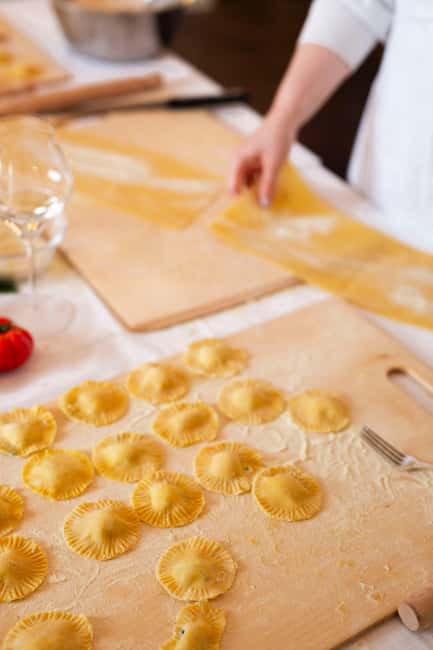
- Hands-on fresh pasta menu: fettuccine, tagliatelle, and tagliolini (ravioli on request)
- Tiramisu you assemble yourself, using the classic recipe with a personal touch
- Welcome prosecco and wine with your meal, plus water and soft drinks
- Multi-language support (English, Italian, Russian, French) with step-by-step pacing
Why this Rome pasta-and-tiramisu class near Via Veneto is worth your time
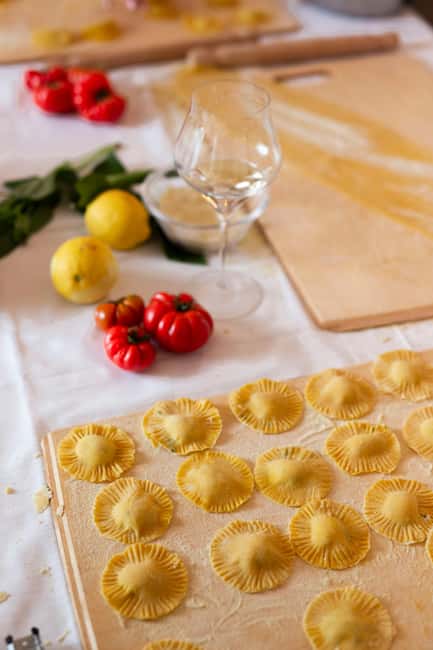
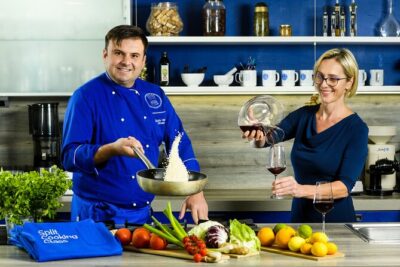
Rome has no shortage of food tours. This one is different because the main event isn’t listening—it’s doing. You’ll roll dough, cut pasta, and shape noodles in a real kitchen setting, then sit down to eat what you made. If you’ve ever watched pasta being made and thought, I could never do that at home, this is exactly the kind of class that breaks the spell.
I also like the focus on a classic combo: fresh pasta plus tiramisu. It keeps the pace clear. There’s a natural flow from the savory work to dessert, and you get a satisfying “full meal” feeling instead of just a small tasting.
The other practical plus is the location. Being in the center near Via Veneto means you can often fit this into the middle of a sightseeing day without a big logistical headache. And yes, it’s aimed at people who want authentic technique, not just a fun souvenir.
You can also read our reviews of more tours and experiences in Rome.
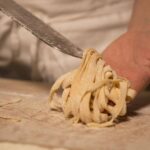

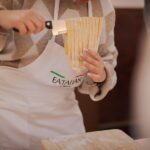
The elegant kitchen setting you’re actually cooking in
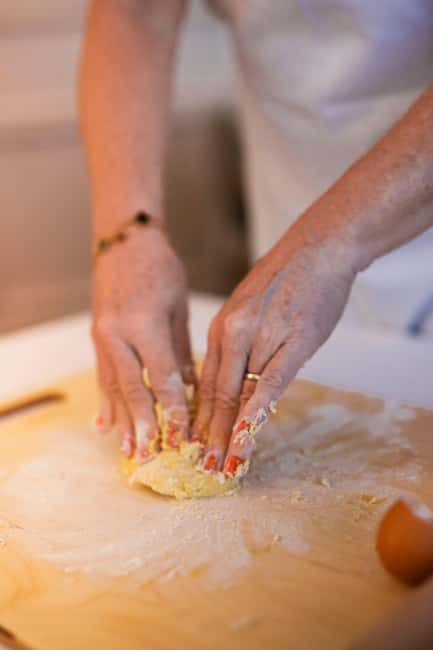
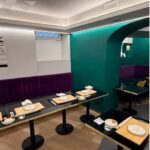
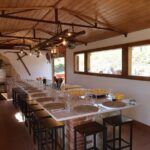
The class happens in an elegant space in central Rome—right in the historic Dolce Vita area near Via Veneto. The description leans “welcoming and well-kept,” and the reviews back up the warm vibe: people talk about a friendly atmosphere and staff taking time to explain.
This matters more than it sounds. Pasta-making is physical work. If the room is cramped or chaotic, the steps get stressful fast. Here, you’re likely to feel more settled while you learn how to handle dough, roll it evenly, and cut cleanly.
One detail that can really improve your experience: because the class is multi-language (English, Italian, Russian, French), the teaching style tends to land clearly. In the reviews, French-speaking support gets special mention, which is a good sign for anyone who wants instructions to feel easy to follow—not translated on the fly.
Fresh pasta basics: fettuccine, tagliatelle, and tagliolini
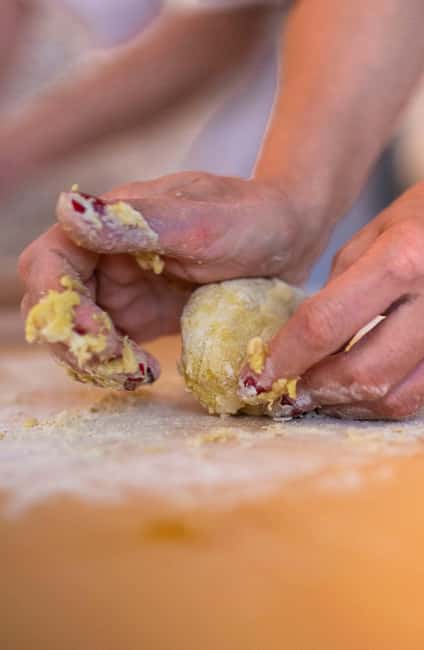
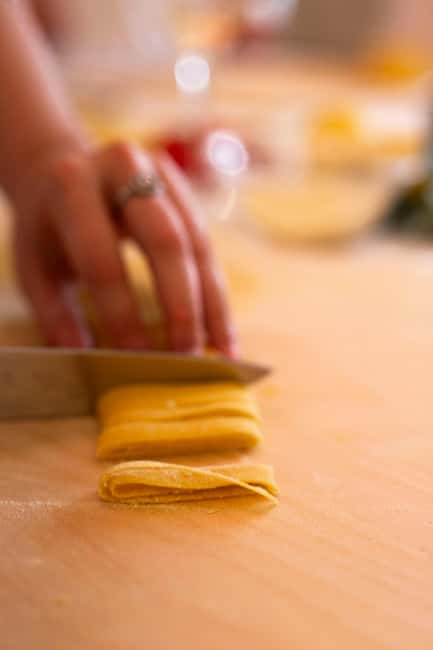
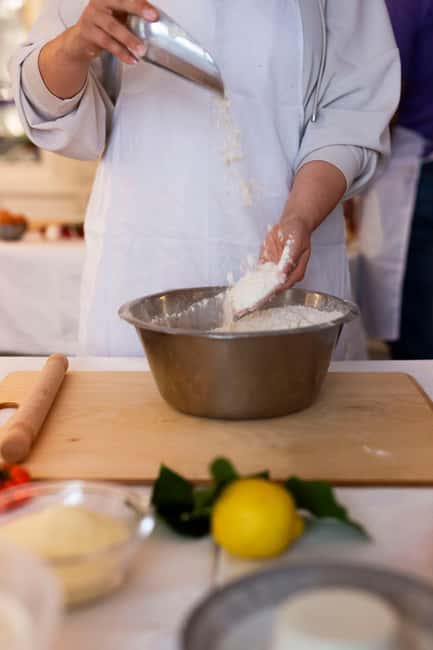
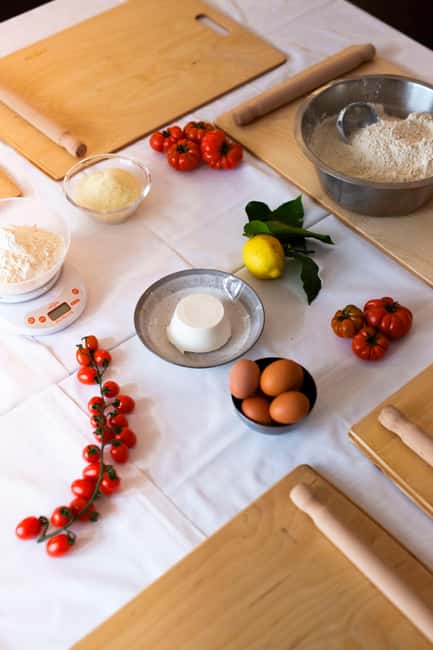
You’ll learn how to make fresh handmade pasta using traditional methods. The process starts with basic ingredients and then moves into the working part: dough handling and shaping. You’ll make multiple pasta types, including:
- Fettuccine
- Tagliatelle
- Tagliolini
On request, ravioli is also part of the hands-on lesson.
You might wonder what the practical difference is between these shapes. Here’s the useful way to think about it at home. Tagliatelle and fettuccine are generally “wider” styles that hold onto sauces well. Tagliolini is thinner, so it can feel lighter on the plate. And ravioli, when offered, shifts the skills slightly because now you’re sealing and portioning—not just cutting noodles.
Even if you’re not a “serious cook,” you’ll pick up technique that translates. The key things that usually make or break fresh pasta are dough texture, rolling thickness, and how confidently you cut and handle the sheets. A good class will correct you early, so you don’t build a habit that won’t work later.
Reviews also highlight simple, repeatable steps and that the chef takes time. That’s exactly what you want for pasta: quick fixes won’t help if you don’t understand what the dough should feel like.
Step-by-step guidance that makes pasta-making feel doable
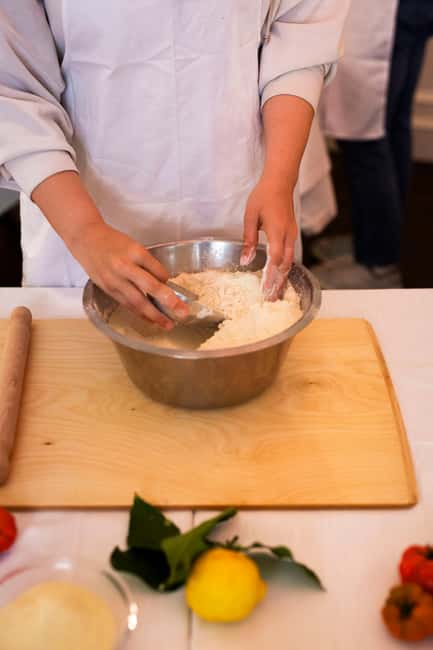
This isn’t a watch-and-wait class. You’re working through the process yourself, guided by a team that’s also trained thanks to the Chinappi connection. The Chinappi restaurant piece is important because it signals higher standards than a basic tourist workshop. You get technique, but in a friendly format.
In your day-to-day cooking life, the biggest value is not memorizing recipes. It’s understanding how to make adjustments. If the dough feels too dry, you’ll want to know how to correct it. If it tears while rolling, you’ll want to understand why. If your cut noodles stick or clump, you’ll want to know what to do differently next time.
I like that the class description frames it as more than recipes—it’s a story you build together. That might sound poetic, but the practical meaning is simple: the instructor likely explains what you’re doing and why, so you’re not just repeating steps mechanically. Reviews also mention advice, fun facts, and little cooking secrets, which usually translates to helpful “watch for this” tips.
Tiramisu hands-on: classic recipe with a personal touch
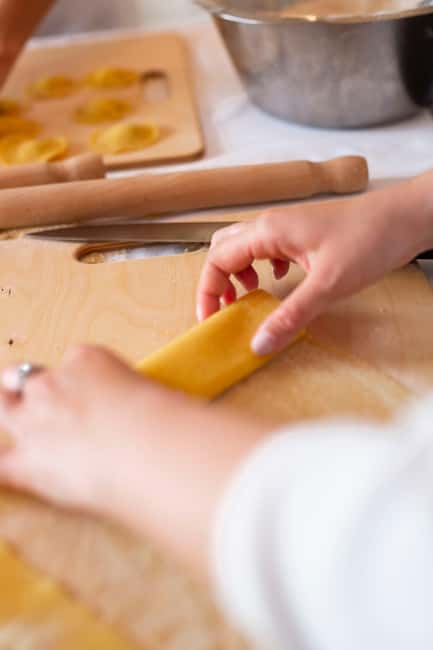
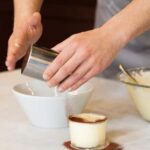
After pasta, you move to dessert: tiramisu. The class has you make it with your own hands using a traditional recipe, and then you add a unique touch. That combination—classic foundation plus personalization—is what makes tiramisu fun instead of stiff.
Tiramisu has a couple of common trouble spots: texture (especially cream consistency) and timing (so the dessert doesn’t get soggy). A hands-on class is where you learn the “feel” of the components, not just the written instructions. Since you’ll actually build it, you’ll be able to repeat it later without guessing.
Also, making tiramisu right after pasta works well in terms of energy. Pasta can be intense. Then dessert lets you slow down a bit, focus on assembly, and leave with something sweet that feels fully earned.

Your meal: sit down, eat what you made, drink wine
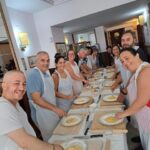
At the end, you sit down at the table to enjoy everything you prepared together. This is a major value point. Many cooking classes turn into “eat a little bite” and then you’re out the door. Here, the class includes a full meal with a tasting of the dishes covered in the lesson.
You’ll also get:
- A welcome prosecco
- A good glass of wine with the meal
- Water and soft drinks
This is the part where the experience stops being a workshop and becomes a Roman evening. You’re not only practicing technique—you’re eating with context. Fresh pasta tastes better when you know exactly how it was made. And tiramisu tastes better when you handled the steps yourself.
One more practical note: bring your appetite. Two hours is enough to work, learn, and eat, but it isn’t a “light snack” situation. If you’ve had a late lunch, you might want to plan accordingly.
Price and value: what $70 buys in central Rome
The price is $70 per person for a 2-hour class in central Rome. That sounds straightforward, but here’s where the value math gets interesting.
You’re getting more than a “recipe lesson.” Included in the experience:
- Hands-on fresh pasta making (fettuccine, tagliatelle, tagliolini; ravioli on request)
- Welcome prosecco
- Tiramisu made using a traditional recipe
- A full meal with tasting of what you made
- Water and soft drinks
- A paper/digital certificate of participation
If you priced this out separately—ingredients, chef instruction, and the meal—$70 often starts to look reasonable for the location and the fact that you’re actively cooking. The city-center setting near Via Veneto also adds real cost pressure, so the inclusion of drinks and a meal helps balance the ticket price.
Also, multi-language instruction matters. If you can follow instructions in a language you’re comfortable with, you’ll get more out of the class—and you’ll actually be able to recreate it later.
Who should book this class (and who might skip it)
This is a good fit if you:
- Want hands-on cooking rather than passive sightseeing
- Enjoy Italian comfort food—fresh pasta and tiramisu are crowd-pleasers for a reason
- Like structured guidance, especially if you’re a beginner
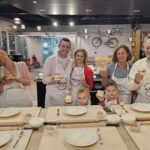
- Want a social, relaxed experience where learning and conversation go together
In reviews, people repeatedly praise the warm mood and patient explanation. Names like Francesco and Oliviero come up with positive energy, which suggests you won’t be rushed.
You might consider skipping (or pairing it differently) if you:
- Want a longer meal experience—this is 2 hours, so it’s compact
- Are looking for a broader set of Italian dishes beyond pasta and tiramisu
- Need a specific kind of transport—transfer service isn’t included (so you’ll want to plan how you get there)
If you’re traveling solo, this can also work well. Cooking creates instant conversation, and you end with something edible instead of just a memory.
And yes, it’s wheelchair accessible, which is a real plus when you’re choosing activities in older city buildings.
Little extras that can make your day smoother
A few included details help the whole experience feel complete:
- You leave with a paper or digital certificate, which is a nice keepsake
- There’s optional photo shoot on request, if you want it
- The class is offered in English, Italian, Russian, and French, which makes it easier for mixed-language groups
- You get soft drinks and water, so everyone can pace the meal how they like
One small planning detail: photo shoots aren’t guaranteed automatically, so if that matters, ask in advance. And since transfer service isn’t included, give yourself time to get to the center of Rome smoothly.
Should you book this Rome pasta and tiramisu cooking class?
Book it if you want a practical, memorable food experience that ends with a real meal you made yourself. The class hits the sweet spot of technique and fun: fresh pasta skills you can repeat at home, then tiramisu with a classic base and your own twist.
I’d especially recommend it if you’re in Rome for a short stay and want one experience that adds substance to the trip. Being near Via Veneto makes it easy to connect with other sightseeing plans, and the inclusion of welcome prosecco, wine, and a full meal makes it feel like more than an activity ticket.
If you dislike hands-on learning, or you’re trying to pack in a long list of other strict timelines, you might prefer something more passive. But if you like rolling up your sleeves and eating well, this one is a strong call.
FAQ
How long is the Rome pasta and tiramisu cooking class?
It lasts 2 hours.
Where is the class located?
It takes place in central Rome near Via Veneto, in the Lazio region.
What dishes do I make in the class?
You make fresh pasta (fettuccine, tagliatelle, and tagliolini) and then tiramisu. Ravioli may be available on request.
Are drinks included?
Yes. You get a welcome prosecco, and the meal includes a glass of wine, plus water and soft drinks.
Is the class taught in English?
Yes. The class is available in English, as well as Italian, Russian, and French.
Do I eat what I cook?
Yes. The experience includes a full meal with a tasting of the dishes covered in the lesson.
Do I receive a certificate?
Yes. You receive a paper or digital certificate of participation.
Is the location wheelchair accessible?
Yes, the activity is wheelchair accessible.
Can I cancel and get a refund?
You can cancel up to 24 hours in advance for a full refund.