REVIEW · CHENNAI
Neighborhood Market Tour & South Indian Cooking Class in Chennai
Book on Viator →Operated by Traveling Spoon · Bookable on Viator
Fresh market smells, then rasam in your hands.
This South Indian cooking class in Chennai pairs a neighborhood market visit with a home-style meal that feels like family time. You’ll shop for ingredients and see the produce and flowers locals pick up, then turn that shopping list into dishes you can name, cook, and eat.
What I like most is the market-to-kitchen flow and the calm way the lesson is taught. With Jyashree (and support from her husband Rabi in the market), you’re not just watching; you’re learning how ingredients translate into classic dishes like vegetable poriyal, flavored rice, and rasam. One consideration: there’s no hotel pickup or drop-off, so you’ll need to handle getting to the meeting point on your own.
In This Review
- Key things to know before you go
- Market-to-kitchen in Chennai: why this format works
- Meeting Jyashree at Besant Nagar: tea, then you’re off
- The neighborhood market with Rabi: produce and flowers with context
- Cooking class in Jyashree’s kitchen: poriyal, flavored rice, and rasam
- Your Iyer sapaad on a banana leaf: how lunch is served
- Pickles, chutneys, dosas, and the sweet finish
- Price and value: is $152 a fair deal?
- Who should book this Chennai market tour and cooking class
- Should you book it?
- FAQ
- How long is the Chennai neighborhood market tour and cooking class?
- Is this a private tour or shared group?
- What does the experience include?
- What dishes will I learn to cook?
- Is there alcohol included?
- Is hotel pickup or drop-off provided?
- Where do I meet the host?
- Can the host handle allergies or dietary restrictions?
- What is served during the meal?
- What is the cancellation policy?
Key things to know before you go
- Market visit first: Pick produce and flowers, then cook with what you chose.
- Hands-on South Indian basics: Learn poriyal, flavored rice, and rasam during a 1–2 hour class.
- Iyer sapaad meal style: You’ll eat a traditional Tamil Brahmin spread on a banana leaf.
- Dosa and rice included: Handmade dosas and rice are part of the meal experience.
- Seasonal pickles and chutneys: You may taste items like tender mango pickle and green tomato chili-garlic chutney.
- Private by default: It’s only your group, not a big joiner crowd.
Market-to-kitchen in Chennai: why this format works
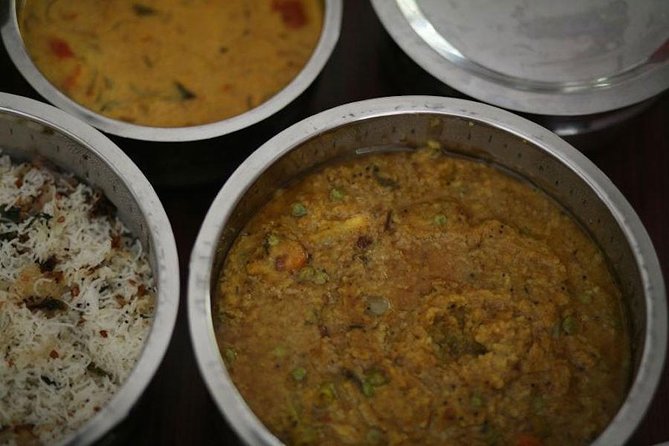
South Indian cooking classes can be either purely instructional or purely tasting. This one links both, starting with a neighborhood market tour before you step into the kitchen. That matters because you get to see what the ingredients look like in real life, not just as items on a grocery shelf.
The schedule also makes the lesson easier to follow. You walk the stalls, pick ingredients, and then you cook those same categories of food—vegetables, spices you can actually recognize, and the produce that shows up seasonally. Even if you’ve cooked before, this kind of “see it, buy it, cook it” sequence helps you connect flavors to steps.
You’ll also eat what you make in a structured, traditional way. The meal is described as an Iyer sapaad: a vegetarian Tamil Brahmin spread served on a banana leaf with multiple dishes. That setup turns lunch into part of the learning, not just the payoff.
You can also read our reviews of more tours and experiences in Chennai.
Meeting Jyashree at Besant Nagar: tea, then you’re off
The experience starts at 39, MG Ramachandran Rd, Kalakshetra Colony, Besant Nagar, Chennai, Tamil Nadu 600090. You’ll return there at the end, since there’s no pickup or drop-off.
Before the market, the plan includes time at Jyashree’s home. You’ll be served a South Indian coffee (sometimes meals like this begin with tea too, and the warm welcome is part of the vibe), and then you drive together to the street market. That short pre-market pause is useful: it gives you a buffer before you move into crowded stalls and bright sights.
This also sets the tone for how the class runs. You’re not treated like a random pass-through group; you’re hosted. That’s the difference between learning dishes and learning a household routine.
The neighborhood market with Rabi: produce and flowers with context
At the market, you’ll focus on vegetable and flower vendor stalls. The goal isn’t only to look—it’s to understand what’s sold locally and why those items show up on Iyer plates.
Rabi is specifically mentioned as a host who shows the market and explains regional fruits and veggies. That kind of guidance is what turns a photo stop into something you’ll actually remember when you’re cooking later. You’ll also hear what varieties are common at that street market, the kind locals shop at.
One underrated value here: you get to see seasonal ingredients in action. Pickles and chutneys are described as varying by season later in the meal, and the market stop helps you grasp that logic upfront. Instead of thinking of chutney as a fixed recipe, you’ll start thinking of it as a response to what’s available.
Practical note: markets mean you’ll likely be on your feet and moving through stalls. Wear comfortable shoes, and plan to bring your attention—this works best when you’re willing to ask questions and look closely at what’s being sold.
Cooking class in Jyashree’s kitchen: poriyal, flavored rice, and rasam
Once you’re back from the market, the cooking lesson happens in Jyashree’s kitchen and lasts about 1–2 hours. The dishes named in the plan are vegetable poriyal, flavored rice, and rasam. Those are core building blocks of many South Indian vegetarian meals, and they’re also teachable because the steps are tangible.
Here’s what makes the lesson feel practical: you’re cooking the same “essentials of a South Indian Iyer sapaad” style meal. You’re not just making one dish and calling it a day. The format suggests you’ll learn how each part plays a role alongside rice and dosas, and how spiced vegetable dishes and broths fit together on the plate.
You’ll also notice the lesson is paired with meal prep. Some items are prepared in advance, then served as a full spread. That keeps the timing realistic for a 5-hour experience, while still letting you be active during the teaching steps.
Diet matters here. Jyashree is happy to accommodate allergies and dietary restrictions, and you’re instructed to include requests at booking. If you have restrictions, don’t treat this as a “maybe.” Send the details early so the host can adjust the menu.
Your Iyer sapaad on a banana leaf: how lunch is served
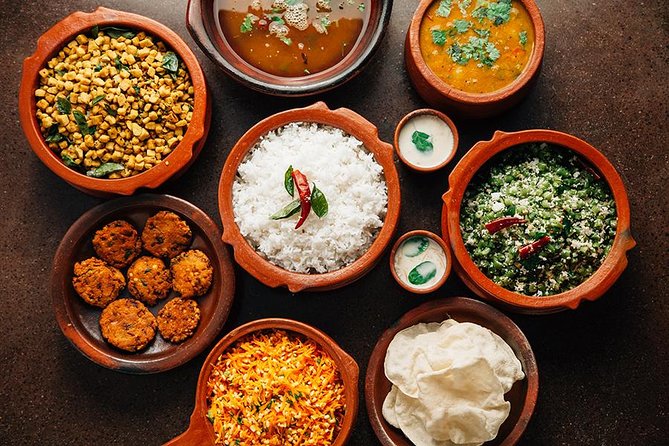
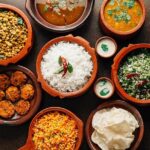
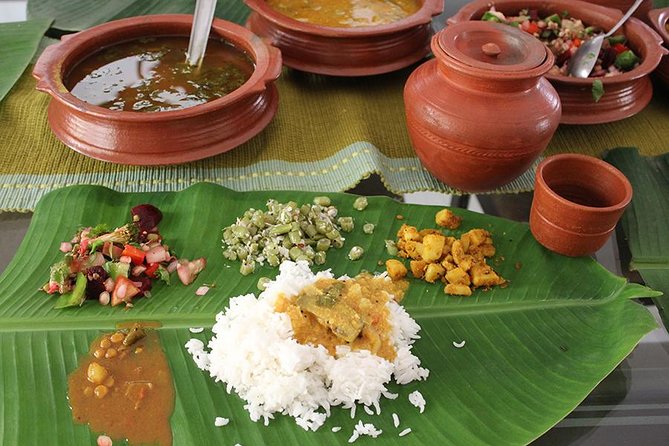
When it’s time to eat, you’ll enjoy a South Indian vegetarian Iyer sapaad, the Tamil Brahmin style meal. It’s served on a banana leaf, and the meal is described as a wide variety of dishes.
The plan includes:
- Vegetable poriyal (sautéed vegetables with spices)
- Flavored rice
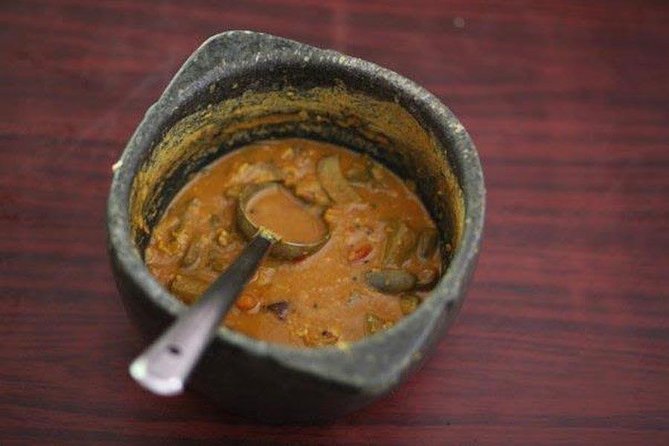
- Rasam, described as a peppery broth eaten with rice and ghee
- Rice and handmade dosas, including crispy South Indian crepes
- Pickles and chutneys
- A dessert at the end
Serving on a banana leaf is more than aesthetics. It helps you manage a lot of items in a single serving layout, and it encourages a “mix and match” eating style. You’ll get a sense of how these dishes work together: a vegetable dish, a spiced rice component, and a broth to balance things.
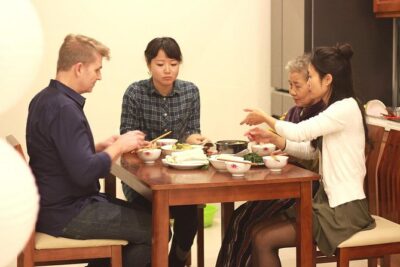
Also, you’ll eat in the company of your host. That matters because the social part isn’t tacked on. The meal is described as happening with Jyashree, which turns lunch into conversation time, not a quick handoff.
Pickles, chutneys, dosas, and the sweet finish
This experience doesn’t treat condiments as an afterthought. You’ll sample homemade pickles and chutneys that vary by season—examples given include tender mango pickle and a green tomato, chili, and garlic chutney. That seasonal range is a big part of the value because it shows you how these flavors shift over the year.
You’ll also see how dosa and rice fit into the meal structure. Handmade dosas and rice are part of what’s served, and dosas are described as crispy crepes. That’s a key detail because it signals what kind of dining experience you’ll get: not a buffet of random snacks, but a coherent meal with hot breads as the vehicle.
Finally, there’s a dessert to close things out. The specific type isn’t named, but the experience makes it clear that lunch ends with a sweet course, so you won’t leave hungry or stuck hunting for dessert elsewhere.
If you’re the type who loves learning the “why” behind a meal, this is where you’ll feel it most. The market helps you notice ingredients; the lesson gives you techniques; the condiments and dessert show you how a traditional spread completes the cycle.
Price and value: is $152 a fair deal?
At $152 per person for about 5 hours, the value depends on what you want from a cooking class: food only, or food plus cultural context. This one includes both. You’re paying for a private market visit, a private cooking lesson, a home-cooked meal, and non-alcoholic drinks—plus the hosting time from Jyashree and her household.
Compared with a basic class that teaches one dish and sends you away, the “market first” approach justifies more of the cost. You’re not only learning steps; you’re learning ingredient selection, including produce and flowers from local vendor stalls. That’s a different skill set, and it’s hard to replicate on your own without local guidance.
Also, private by default matters. It’s only your group, so you get a teaching pace that fits your questions. And since group discounts are mentioned, if you travel with friends or family and can book together, you might improve the per-person value.
One more value point: the experience ends back at the meeting point and doesn’t include hotel pickup. That keeps the price from quietly ballooning, but it does mean you should plan transport. If you’re already staying near Besant Nagar or can reach the start easily, the logistics will feel smoother.
Who should book this Chennai market tour and cooking class
This fits best if you want a South Indian cooking class that’s rooted in a real neighborhood market and a real household rhythm. You’ll enjoy it most if you like structured meals, hands-on cooking time, and learning how a traditional vegetarian spread comes together.
It’s also ideal for:
- Food lovers who want more than recipes and want ingredient context
- Vegetarians who want a classic Tamil Brahmin style meal experience
- Travelers who prefer a smaller, private setting over large groups
- Anyone interested in South Indian staples like rasam, poriyal, and dosa culture
If you hate being on your feet for a market stop, or if you need heavy on-site transport support, you may find the lack of hotel pickup inconvenient. And because the meal is described as South Indian vegetarian, it won’t match you if you’re looking for non-veg focus.
Should you book it?
Yes, if you want a South Indian cooking class in Chennai that starts with ingredient shopping and ends with a full Iyer sapaad meal you can actually connect to what you saw at the market. The strongest reason to book is the combination of market context, a real cooking lesson (not just watching), and a cohesive lunch served the way a household would serve it.
Skip it only if you can’t handle the self-arranged meeting logistics or if you specifically want a non-vegetarian cooking experience. If you’re flexible, comfortable with a home-hosted meal flow, and curious about how seasonality shows up in pickles and chutneys, this is a very solid use of half a day in Chennai.
FAQ
How long is the Chennai neighborhood market tour and cooking class?
The experience runs about 5 hours (approx.).
Is this a private tour or shared group?
It’s a private tour/activity, and only your group participates.
What does the experience include?
It includes a private market tour and cooking class with your host Jyashree, plus a home-cooked South Indian vegetarian meal and non-alcoholic drinks.
What dishes will I learn to cook?
The cooking lesson includes vegetable poriyal, flavored rice, and rasam.
Is there alcohol included?
No. Non-alcoholic beverages are included.
Is hotel pickup or drop-off provided?
No. Hotel pickup and drop-off are not included, and the activity ends back at the meeting point.
Where do I meet the host?
The start point is 39, MG Ramachandran Rd, Kalakshetra Colony, Besant Nagar, Chennai, Tamil Nadu 600090, India.
Can the host handle allergies or dietary restrictions?
Yes. Jyashree is happy to accommodate allergies and dietary restrictions, and you should include your requests at the time of booking.
What is served during the meal?
The meal is a South Indian vegetarian Iyer sapaad served on a banana leaf, along with rice and handmade dosas, and it includes pickles and chutneys plus a dessert.
What is the cancellation policy?
Free cancellation is available. You can cancel up to 24 hours in advance of the experience start time for a full refund.