A home kitchen in Chennai beats any cookbook. This private class with Vidhya turns South Indian comfort food into something you can actually repeat at home, and I love the step-by-step guidance that makes the process feel doable. One thing to consider: there’s no hotel pick-up, so you’ll need to make it to the meeting point yourself.
You also get the culture through the food. You’ll cook a lentil curry-style dish (think sambar or rasam-type), plus an Indian dessert, and Vidhya brings the family techniques passed down through her mother and grandmother. I like that the class can be adjusted for dietary needs like lactose-free and gluten-free, if you tell her in advance.
If you choose the add-on, you’ll walk about 10 minutes to Adyar’s departmental store area for a simple grocery-style ingredient hunt. It’s not a traditional market stroll, but it helps you see the real spices, grains, and lentils that drive the flavors. You’ll finish by sharing the meal you helped make, in the same home setting where the cooking happens.
In This Review
- Key highlights you’ll feel during the class
- Why This Chennai Cooking Class Works in a Real Home Kitchen
- Meet Vidhya: Brahmin Iyer Roots, Eggless Desserts, and Real Explanations
- Your 3-Hour Game Plan: Lentil Curry, Dessert, and Sharing the Meal
- The Flavors You’ll Learn: Sambar, Rasam, Kootu, and Seasonal Veg Choices
- Optional Add-On: A Practical Ingredient Visit at Adyar
- Dietary-Friendly Cooking Without the Awkwardness
- Price and Value: Is $48 Worth It?
- Who This Class Suits Best (And Who Might Want a Different Plan)
- Quick Practical Tips Before You Go
- Should You Book This Cooking Class?
- FAQ
- What dishes will I learn to cook?
- Is the class private?
- How long is the cooking class?
- What’s included in the price?
- Is there a hotel pick-up or drop-off?
- Can the class accommodate dietary restrictions?
- What is the add-on market option like?
- Where do I meet the host?
- What’s the cancellation policy?
Key highlights you’ll feel during the class
- A true home kitchen setup: you cook at a local residence, not in a studio
- Family-taught techniques: tips come from Vidhya’s mother and grandmother, not just a recipe sheet
- Hands-on cooking for lentil curry + dessert: you’ll learn both the savory and the sweet
- Diet swaps on request: lactose-free, gluten-free, vegetarian, and vegan options are available
- Optional Adyar grocery stop: you meet at home, then walk for a practical ingredient visit
- You eat what you cook: the best part is getting a shared meal right after cooking
Why This Chennai Cooking Class Works in a Real Home Kitchen
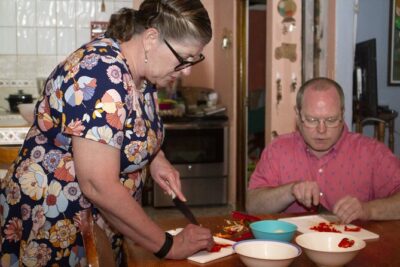
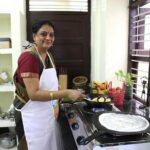
I’ll be honest: I’ve sat through “cooking experiences” that felt like a demo with extra steps. This one feels different because you’re in a real Chennai home, learning how someone cooks for their own family rhythm. That means the pace is calmer, and the instructions are built around practical questions—what to do if something thickens too fast, how to adjust spice balance, and when to move on.
The class is also private, meaning it’s just your group. That matters more than people think. In a group class, you can end up watching more than cooking. Here, you’re actively involved in the hands-on part for the key dishes.
For value, the big win is that you don’t just leave with recipes—you leave with a meal you made. For a price of $48 per person and about 3 hours of time, you’re paying for instruction plus ingredients used in the cooking, and you get to sit down afterward like a guest rather than a student who’s already done.
You can also read our reviews of more tours and experiences in Chennai.
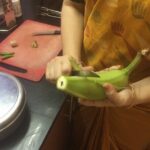
Meet Vidhya: Brahmin Iyer Roots, Eggless Desserts, and Real Explanations
Vidhya brings a specific South Indian backbone to the class: she’s from a traditional brahmin iyer family, and she’s also an eggless home baker with years of practice. That background shows up in two ways. First, the savory dishes come with the classic South Indian flavor logic. Second, the dessert part isn’t an afterthought—it fits the meal.
What I especially like is how the class is built around understanding steps, not just memorizing amounts. In the experience, Vidhya explains what each step is doing, and that turns common cooking confusion into something you can fix. For example, rasam and similar lentil-based dishes depend on the timing of seasoning and how you handle the boil and simmer. If you don’t get that, it can turn bland or too strong. Step-by-step coaching helps you avoid those issues.
She also describes her approach as influenced by the cities she has lived in. That’s a useful detail for you, because it signals the class won’t be frozen in time. You’re learning tradition, but you’re also learning how flavors can be adjusted without losing the South Indian identity.
Your 3-Hour Game Plan: Lentil Curry, Dessert, and Sharing the Meal
The class runs about 3 hours, and the structure stays focused. You’ll start with cooking instruction and prep, then move into a hands-on session for the main items, and end with eating together.
Here’s the practical rhythm you can expect:
1) Hands-on cooking for the lentil curry-style dish
You’ll learn a lentil curry such as sambar or rasam, or you may cook something similar like kootu (a lentil-and-vegetable stew). The point is not just to make one dish—it’s to learn the method behind South Indian lentil cooking: how lentils behave, how spice layers build, and how texture is controlled.
2) An Indian dessert to finish the meal
South Indian cooking has a strong sweet tradition, and the dessert component gives you a complete experience rather than a half lesson. Since Vidhya is an eggless baker, you’ll likely find the dessert fits that style, and it’s typically served as part of the same meal you cook.
3) Sit down and eat what you made
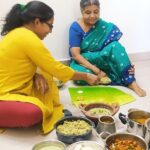
After cooking, you share the meal together. This is one of those underrated travel moments. You’re not rushing out right after the last instruction. You get to taste your own work while the details are still fresh in your mind—perfect for remembering what you adjusted and why.
If you prefer a morning-style meal instead of a typical lunch format, Vidhya can also make breakfast items like idli, dosa, adai, uthappam, or paniyarams. That’s a nice option if your Chennai schedule makes mornings easier.
The Flavors You’ll Learn: Sambar, Rasam, Kootu, and Seasonal Veg Choices
South Indian lentil cooking looks simple on paper: lentils + spices + aromatics + simmer. But the magic is in the balance—how much sourness, when the spice seasoning goes in, and how the final thickness lands. This is where the class gives you real value.
You’ll learn a lentil curry like sambar or rasam (or kootu), and you’ll also see how vegetables and seasoning shape the final character. One review experience described cooking with seasonal vegetables, including dishes like spiced sweet potato and a green vegetable curry, along with rasam soup and pineapple raita. Even if your exact vegetable lineup differs, this tells you the class can be grounded in everyday ingredients rather than exotic showpieces.
Here are the things you should pay attention to while cooking, so you actually take something home:
- Texture control for lentil dishes: you’ll get a feel for how lentils thicken and how stirring affects the final body
- Layered seasoning: South Indian flavor often builds in stages, not all at once
- Balanced sour-spice profile: rasam-style dishes rely on a specific flavor direction—sharp, warm, and fragrant
- Cooling accompaniments: a raita-style element can make spicy dishes more comfortable and helps you taste the spice layers clearly
If you’ve ever made a “lentil curry” at home that turned out too thick, too flat, or oddly one-note, this is the kind of class that helps you fix the core problem: technique and timing.
Optional Add-On: A Practical Ingredient Visit at Adyar
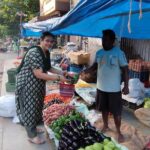
If you pick the add-on market option, you’ll meet Vidhya at her home and then walk about 10 minutes to Adyar’s departmental store area. The key detail: this isn’t a traditional market tour with street bargaining or a roaming food trail. It’s more like a grocery run where Vidhya buys grains, lentils, and spices for the class.
That makes it useful in a different way. You’ll see what a home cook is actually buying for everyday South Indian cooking. You also get a guided walk through the store, with Vidhya explaining ingredients used in South Indian cuisine. And yes—you might even buy a few items you’ll use during your cooking session.
For you, the value is clarity. South Indian cooking relies on a few star ingredients (spices, lentils, and aromatics), and the store stop can help you understand what matters so you don’t end up with a cluttered spice rack and no idea what goes where.

Dietary-Friendly Cooking Without the Awkwardness
Food restrictions can turn some cooking classes into a stressful conversation. Here, dietary accommodations are clearly part of the offer. Vidhya can accommodate lactose-free and gluten-free diets, and she can also handle vegetarian and vegan requests if you tell her in advance.
Why I think this matters: South Indian cuisine can be flexible, but only if someone knows how to swap safely. If you show up without telling the host what you need, you risk last-minute compromises. If you do tell her ahead of time, you get a better shot at keeping the flavors true while adjusting the ingredient choices.
If you’re choosing between dairy-free and regular options, keep one practical mindset: taste is a system. When you remove an ingredient, the cook has to replace or rebalance something else—so ask questions during the class. The format here supports that kind of back-and-forth.
Price and Value: Is $48 Worth It?
At $48 per person for about 3 hours, you’re paying for more than just food. You’re paying for:
- A private host and a home kitchen setting
- Hands-on instruction for a lentil curry-style dish and an Indian dessert
- A homecooked meal shared after cooking
- Optional ingredient guidance if you choose the add-on grocery stop
Compared with eating in a restaurant, you’re not just buying one meal. You’re buying cooking knowledge you can use again. Compared with a basic class where someone lectures while you chop once, you’re getting a real cooking workflow with explanations.
The other value lever is flexibility. The class can adapt to lactose-free, gluten-free, vegetarian, and vegan diets, and you can request breakfast-style dishes if that fits your day better. That reduces the risk of paying for an experience that doesn’t match your needs.
So, for most people—especially if you enjoy learning by doing—this is solid value.
Who This Class Suits Best (And Who Might Want a Different Plan)
This is a great fit if you:
- Want authentic South Indian home cooking rather than a restaurant-style experience
- Enjoy learning by cooking, not just watching
- Have dietary needs and prefer a host who can adapt in advance
- Want a cultural connection that doesn’t require a museum ticket or a long lecture
It’s also a good choice if you’re a solo traveler who likes meeting a local cook in a calm setting—just check that the experience is described as private for your group, which can make it feel quieter and more personal.
The main mismatch would be if you hate self-managing logistics. Because there’s no hotel pick-up, you’ll need to reach the meeting point on your own.
Quick Practical Tips Before You Go
To make your class smoother, here are the small moves that pay off:
- Tell Vidhya about any dietary restrictions during booking, since she can accommodate lactose-free, gluten-free, vegetarian, and vegan diets
- If you’d rather do breakfast items (idli, dosa, adai, uthappam, or paniyarams), request that preference ahead of time
- If you choose the add-on, expect a grocery-store walk rather than a traditional market
- Bring curiosity about spices and technique. Ask why something is done at that moment—especially for lentil texture and seasoning timing
Also, because the class ends back at the meeting point, plan your next activity nearby, or at least give yourself comfortable transit time.
Should You Book This Cooking Class?
I’d book it if you want a real South Indian cooking lesson in a local home, with a host who explains the method and then lets you eat what you made. The biggest reasons to choose this one are the private home setting, the family-taught tips, and the clear ability to handle dietary requests without turning it into a last-minute scramble.
Skip or consider alternatives only if you strongly depend on hotel pick-up to start your day. Since you’ll handle getting to the meeting point yourself, plan for that.
If you’re in Chennai and you want one experience that connects culture and cooking at the same time, this is the kind of class you’ll remember when you’re making lentils at home and suddenly understand what changes everything.
FAQ
What dishes will I learn to cook?
You’ll learn to cook a lentil curry-style dish such as sambar or rasam (or kootu) and an Indian dessert. You can also request breakfast items like idli, dosa, adai, uthappam, or paniyarams instead of a typical lunch.
Is the class private?
Yes. This is a private tour/activity, and only your group participates.
How long is the cooking class?
The duration is approximately 3 hours.
What’s included in the price?
Included are the private cooking class with Vidhya and a homecooked meal. If you select the add-on market option, you’ll also visit a local grocery store.
Is there a hotel pick-up or drop-off?
No. Hotel pick-up and drop-off are not included, and the activity ends back at the meeting point.
Can the class accommodate dietary restrictions?
Yes. Vidhya can accommodate lactose free, gluten free, vegetarian, and vegan diets on request. You should let her know in advance while booking.
What is the add-on market option like?
It’s not a traditional market tour. You meet Vidhya at her home and then walk about 10 minutes to the Adyar departmental store for a grocery-store visit to buy grains, lentils, and spices used in the class.
Where do I meet the host?
You start at The Grand Sweets & Snacks Krishna Castle, 5, 11th Cross St, Shastri Nagar, Adyar, Chennai, Tamil Nadu 600020, India.
What’s the cancellation policy?
You can cancel for free. Cancel up to 24 hours in advance for a full refund. If you cancel less than 24 hours before the experience starts, the amount paid is not refunded.