REVIEW · ROME
Cooking Class 2 Hour Spanish Steps – Fettucine and Tiramisù
Book on Viator →Operated by cheforaday · Bookable on Viator
Fresh pasta in Rome, then the Spanish Steps. This two-hour hands-on class has you roll fettuccine and build tiramisù in a real Roman restaurant, with English instruction and a setup that makes it easy to tack on a stroll to the Spanish Steps.
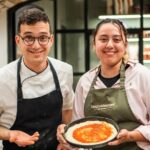
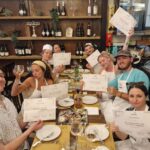
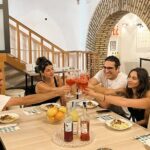
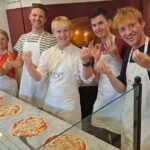
One thing I like is the teaching style. The group tops out at 20, and chefs reported in recent classes include Lucas, Lillo, Irina, and Paola (with the note that Chef Paolo might not be the teacher). I also like that you eat what you make with wine or a soft drink, then finish with limoncello and an award certificate.
The main catch is that the class is about 2 hours, and the info says time to eat isn’t included, so plan extra minutes after the lesson. If you’re expecting a long, slow dining experience, you may feel the schedule is a bit tight.
In This Review
- Key highlights worth planning for
- A Two-Hour Rome Cooking Class Built for a Real Day Out
- Making Fettuccine the Roman Way (Hands-on, Fast, and Learnable)
- Tiramù: A Dessert Lesson That Ends With Real Satisfaction
- What’s Included for $113.72 (and How to Judge the Value)
- The Chef Factor: Why the Instructor Can Make or Break the Class
- Location and Timing: Meeting Point, Spanish Steps, and Day-Planning
- Drinks and Age Rules: Wine, Soft Drinks, and the Limoncello Finish
- Who This Class Fits Best (And Who Might Want a Different Style)
- Final Call: Should You Book This Rome Pasta and Tiramisù Class?
- FAQ
- How long is the cooking class?
- Where do I meet the group in Rome?
- Is the class offered in English?
- What dishes will I make?
- What drinks are included with the meal?
- Is there alcohol for under 18 guests?
- How big is the group?
- Do you include a certificate or take-home items?
- Can I cancel for a full refund?
Key highlights worth planning for
- Fresh pasta from scratch: roll dough by hand and learn the basic technique you can repeat at home
- Two dishes, one session: fettuccine plus tiramisù, with everyone involved
- Wine during the meal, limoncello at the end: plus coffee/tea options afterward
- Small group setup (max 20): more chances for hands-on help
- Central Rome, easy add-on: a short walk or next stop toward the Spanish Steps
- Certificates and recipes: an award at the end, and some guests report getting recipes afterward
A Two-Hour Rome Cooking Class Built for a Real Day Out
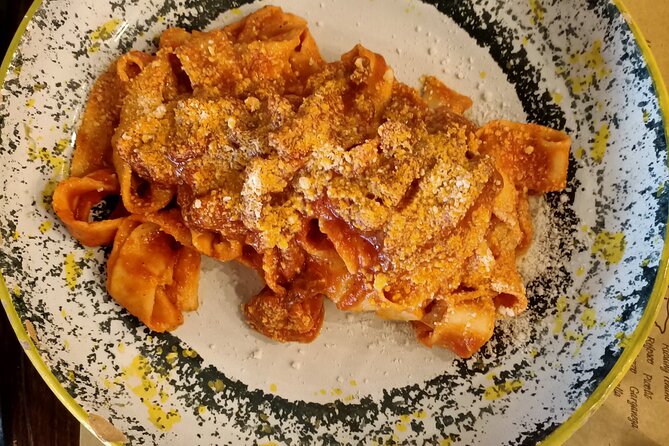
This isn’t a far-flung workshop. It’s in central Rome, in a restaurant setting, with a meeting point at V. della Croce, 34. That matters because you can actually fit it into a normal sightseeing day—grab a start time that works, do the class, then keep moving.
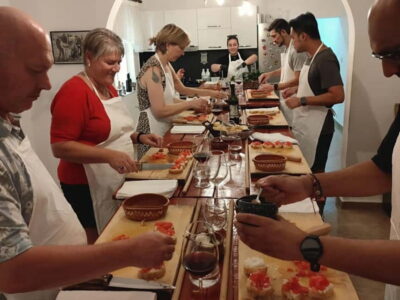
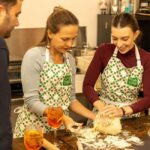
The bigger idea here is format. You’re not just watching someone else cook. You’re making the dough, learning the steps, and then eating the result. Even with the “about 2 hours” estimate, the meal still feels like part of the experience, not an awkward add-on.
And yes, the timing is designed for you to continue on to the Spanish Steps afterward. If you want an experience that’s both cultural and practical (skills you can use again), this is the kind of activity that makes Rome feel less like a checklist.
You can also read our reviews of more tours and experiences in Rome.
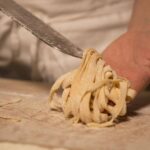

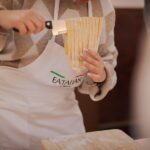
Making Fettuccine the Roman Way (Hands-on, Fast, and Learnable)
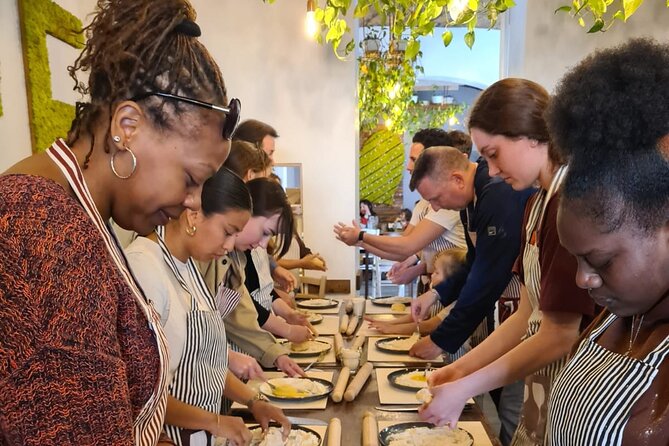
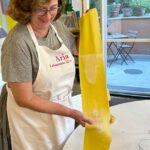
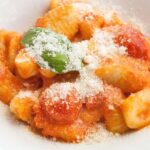
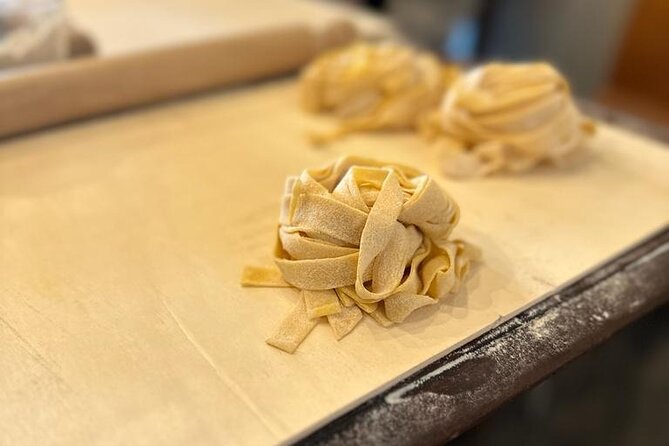
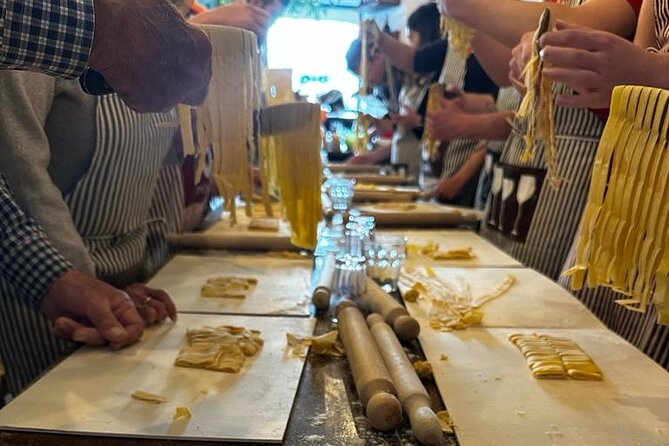
The pasta lesson is the heart of the class: you start with simple basics—egg and flour—and build dough using your hands. The teaching focuses on technique: how to get the right dough texture, how to shape, and the mechanics behind rolling and cutting.
What I like about this approach is that it turns Italian cooking from something mysterious into something you can repeat. The class also frames the dishes with context, including the history of famous Italian cuisine dishes and the forms they come in. So you’re not just copying steps; you’re learning why the method matters.
A practical detail: the class says pastas get cooked all together, then divided by sauce. That likely keeps things moving so you spend more time working with the dough and less time waiting around. The trade-off is you won’t be “solo” at every stage. You’re part of a group rhythm, and the kitchen timing drives some of what you see and when you do it.
One item to check before you go: the info includes a note that says sauce choice for the pasta is included, but it also says sauces not included. It’s likely a wording mismatch, but don’t gamble with expectations. When you book, confirm what’s included for sauce so you know exactly what your pasta will come with.
Tiramù: A Dessert Lesson That Ends With Real Satisfaction
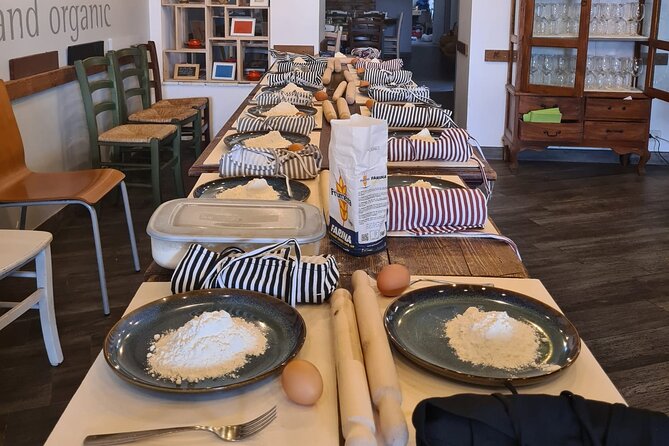
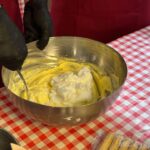
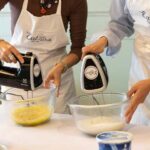
Tiramisù is the second anchor, and it’s not treated like a store-bought finale. You’ll make it together and finish your meal with it. The class notes that tiramisù gets cooked all together, which again suggests a kitchen-led timeline—efficient, and built for groups.
The class framing is also smart: tiramisù is a crowd-pleaser, but it’s also a great way to learn how Italian desserts work in real life. You’ll connect the steps you do at the counter to the final texture and flavor when it hits the table.
Then comes the payoff. At the end of the meal, you choose between a shot of limoncello or an espresso, and you’ll also see coffee/tea options listed as part of the included items. That gives you a clear end point to the experience, not just a “sign off and go home.”
Also keep in mind the schedule note: the tour says time to eat isn’t included in the class duration. In other words, the hands-on part may be about 2 hours, but plan for extra time to sit down and actually eat your pasta and dessert.
What’s Included for $113.72 (and How to Judge the Value)
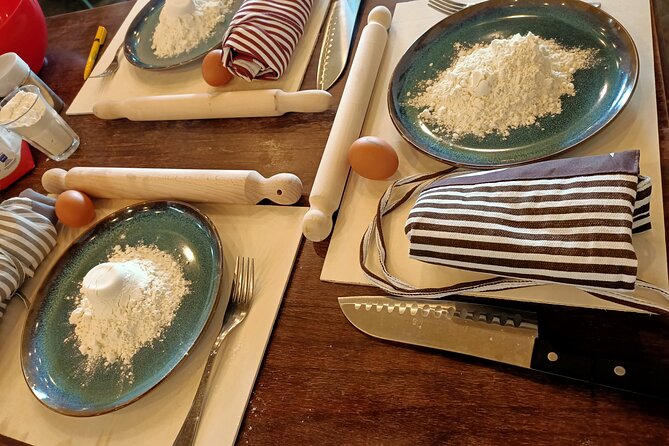
At $113.72 per person, this sits in the mid-range for Rome cooking classes—meaning it needs to deliver more than a quick demo. The good news: it includes a lot of what typically costs extra elsewhere.
Here’s what’s clearly included in the listing:
- Cooking class with necessary equipment
- Sauce of your choice for the pasta (but double-check the sauce note)
- 1 glass of wine (or alternatively a soft drink)
- Bottled water
- A limoncello finish
- Lunch or dinner format (the listing describes cooking the meal together, then eating)
- Coffee and/or tea, and at the end you pick espresso or limoncello
- An award certificate
That combination is where the value usually comes from. You’re not paying only for the lesson; you’re also paying for the ingredients, the equipment, the meal, and the staff time to guide a group.
Still, value is personal. One review mentioned feeling the meal portion and table service didn’t fully match their expectations for the cost. Another guest loved it as a fun, complete experience. So I’d frame it like this: expect a genuine food experience, but don’t plan on a huge restaurant banquet.
If you want the “value test,” ask yourself: am I here for skills and a fun meal, or am I here for a long sit-down? If it’s skills + eating what you made, you’ll likely feel good about the price.
The Chef Factor: Why the Instructor Can Make or Break the Class
This is a hands-on class in a busy kitchen environment, so teaching quality matters. The reviews you provided point to a consistent theme: instructors tend to be energetic, patient, and willing to get everyone participating.
You’ll see several names pop up:
- Lucas (noted as amazing and engaging)
- Lillo (fun, well-run, great teaching)
- Irina (accommodating, remembered names, gave individual attention)
- Paola / Paolo / Paulo variants (reported as very patient and supportive)
- Gaby and Ricardo (mentioned with warm stories and big smiles)
And the listing specifically warns: Chef Paolo might not be the teacher. So treat the name as a provider, not a promise that one exact person teaches your session. In practice, the important part is that the team approach seems strong—small-group attention and clear instructions.
One more practical tip from the review vibe: if you’re new to pasta-making, focus on the dough consistency. Several people highlight that learning the right texture is the turning point for rolling and cutting. If you do that, the rest usually falls into place.

Location and Timing: Meeting Point, Spanish Steps, and Day-Planning
The meeting point is V. della Croce, 34 and the activity ends back there. It also says it’s near public transportation, which helps if you’re coming from another part of town.
What about the Spanish Steps connection? The highlights say you’ll head there after the class. The real value for you is scheduling flexibility: cooking classes can be a great “middle-of-the-day” reset when Rome heat hits or when the weather turns rainy.
A practical note from reviews: the entrance is in a restaurant, so don’t expect a freestanding storefront sign. If you arrive and feel unsure, ask a waiter or staff member to point you in the right direction.
Also choose a start time that matches your energy. Early classes often mean you’re fresh and ready to focus on dough and details. Later classes can feel like a relaxing break, but you’ll want to keep dinner plans flexible since time to eat isn’t included.
Drinks and Age Rules: Wine, Soft Drinks, and the Limoncello Finish

This class doesn’t hide the fact that alcohol is part of the experience—just in a controlled way.
The listing says:
- You can choose 1 glass of wine between white or red, or a soft drink
- Alcohol is only served to guests who meet the Italian legal drinking age (18)
- At the end, there’s limoncello (and also espresso/coffee choices)
If you’re not drinking, you’re still included in the “finish” moment through soft drink options and the coffee/tea routine. And even for drinkers, it’s worth treating the wine as a pairing with the meal, not a party. You’ll still be working hands-on during the class.
Who This Class Fits Best (And Who Might Want a Different Style)
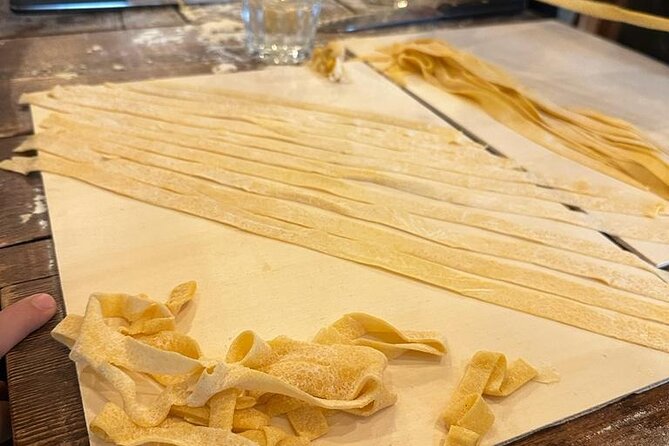
This is a great fit if you want a hands-on Rome activity that results in actual food and a real skill. It’s also a friendly option for adults and older teens—reviews specifically mention doing it as a family trip with teens and having a smooth, encouraging experience.
It’s especially good for:
- First-timers who want guidance more than theory
- Couples looking for a shared activity that ends in dinner
- Rainy-day planning (one review calls it a perfect rainy activity)
- People who love Italian food but don’t want to rely on restaurants alone
It might not fit as well if you’re a serious, detail-obsessed cook. One review basically says this is for fun and beginners rather than for deep technique or lots of extra-making. If you’re the type who wants to make everything from scratch in a longer session—like sauce-making in a slower, more personal way—this format may feel short.
The class also runs fast enough that you’ll likely follow a kitchen flow. That’s great for most people, but it’s worth knowing if you like a more relaxed pace.
Final Call: Should You Book This Rome Pasta and Tiramisù Class?
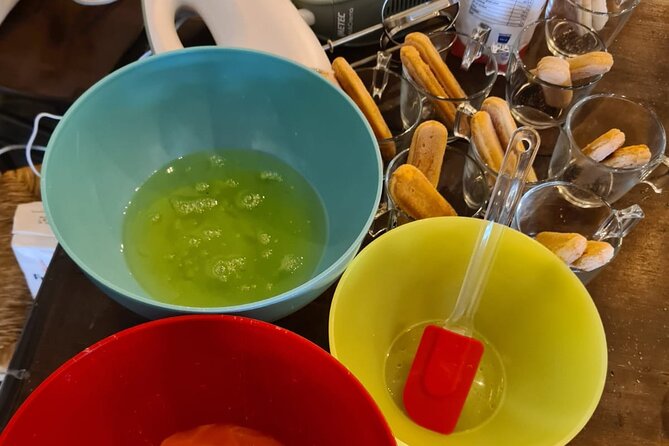
I’d book it if you want a central, easy-to-fit activity that mixes fresh pasta skills, real Italian dessert, and a complete sit-down meal with wine or a soft drink. The small-group ceiling (max 20) and the focus on getting you doing the work—rather than watching—are exactly what tends to make these classes memorable.
I’d think twice if you’re expecting a long, slow, restaurant-style meal experience or if you’re looking for every component (including sauces) to be fully homemade in a big process. Since time to eat isn’t included and a couple people felt the portion experience didn’t fully satisfy, I wouldn’t treat this as a full-day gourmet dining event.
One last smart move: because it’s popular enough that people book it in advance, lock in your preferred time early—then plan your Spanish Steps walk right after. Do that, and you’ll end up with a Rome day that tastes like something you learned, not just something you visited.
FAQ
How long is the cooking class?
The class is listed as approximately 2 hours.
Where do I meet the group in Rome?
The meeting point is V. della Croce, 34, 00187 Roma RM, Italy, and the activity ends back at the meeting point.
Is the class offered in English?
Yes, it’s offered in English.
What dishes will I make?
You’ll make fettuccine (fresh pasta) and tiramisù.
What drinks are included with the meal?
You get 1 glass of wine (white or red) or a soft drink, plus bottled water. At the end you choose limoncello or an espresso.
Is there alcohol for under 18 guests?
No. Guests who have not reached the legal drinking age in Italy (18) will not be served alcoholic beverages.
How big is the group?
The tour lists a maximum of 20 travelers.
Do you include a certificate or take-home items?
An award certificate is included. Some participants also report receiving recipes after the class, but the certificate is explicitly listed as included.
Can I cancel for a full refund?
Yes. Free cancellation is available up to 24 hours in advance for a full refund.