REVIEW · KYOTO
Bento Box Cooking Class
Book on Viator →Operated by Cooking Sun · Bookable on Viator
Bento looks easy. The technique is not.
This Kyoto cooking class has you watch a Japanese chef demonstrate key moves, then you practice them yourself while learning why bento became such a daily convenience meal. You finish by eating your own boxed lunch with the group, plus you get recipe copies to recreate it later.
I especially like the hands-on guidance—the instructions are clear and you’re not stuck observing. I also like that you leave with a practical home-cooking plan, since the class provides recipes you can take home (not just a postcard-style memory).
One thing to consider: you eat the bento at the end, so if you’re the type who skips breakfast, you’ll feel the wait in your stomach. Plan to show up fed.
In This Review
- Key things I’d focus on before you book
- Kyoto’s Bento Box Class: compact, hands-on, and built for real schedules
- Your time at Cooking Sun Kyoto: start early, stay close, and cook with a tight group
- From the origins of bento to the first cooking steps
- What you’ll cook: miso soup, tempura, egg rolls, and bento-ready plating
- The instruction style: English-speaking chefs, patient pacing, and plenty of hands-on time
- Lunch at the end: your bento box, your pride, and a real payoff
- Recipes to take home: make it again without guesswork
- Price and value: is $71.35 a fair deal in Kyoto?
- Food allergies and dietary needs: plan ahead and don’t wing it
- Who this Kyoto bento class is best for
- Should you book this Bento Box Cooking Class in Kyoto?
- FAQ
- Where is the bento box cooking class located in Kyoto?
- How long is the cooking class?
- What time does it start?
- What’s included in the price?
- Does the menu change?
- Can you accommodate dietary requirements or allergies?
- Can I cancel and get a full refund?
Key things I’d focus on before you book
- Small-group feel (max 8 per booking): more time at your station, less time waiting your turn.
- A real lesson, not just cooking: you start with background on bento’s origins and culture.
- Seasonal menu changes: dishes shift every three months to use the best seasonal ingredients.
- Hands-on technique practice: you’ll cook and plate items for a true bento layout.
- Lunch is included: you don’t just make food—you eat your work.
- Food allergy support is taken seriously: the team asks for dietary needs at booking and handles requests carefully.
Kyoto’s Bento Box Class: compact, hands-on, and built for real schedules
This is the kind of cooking class that fits a busy Kyoto itinerary. It’s short—about 3 to 3.5 hours—and it’s structured so you get both the “why” and the “how,” without turning your day into a half-week cooking project. You also don’t need to be a sushi wizard or a tempura ace to enjoy it.
The core idea is simple: learn how Japanese bento boxes work as meals you can carry, portion, and assemble with intention. In practice, that means you’ll watch demonstrations, then do the work yourself with guidance in English. If you like hands-on food experiences and want something you can repeat at home, this format makes a lot of sense.
You can also read our reviews of more tours and experiences in Kyoto.
Your time at Cooking Sun Kyoto: start early, stay close, and cook with a tight group
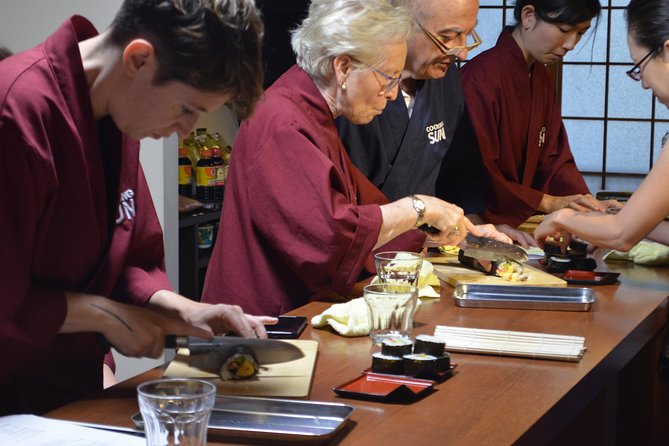
The class meets at Cooking Sun Kyoto at 679 Funayachō, Shimogyo Ward. It starts at 9:30 am, and it runs about 3 hours (often listed as 3 to 3.5). After the class, it ends back at the meeting point, so you don’t have to think about a complicated return.
Logistically, it’s set up to be easy for independent planning: it’s near public transportation, and you don’t need hotel pickup or drop-off. You’ll get a mobile ticket, which is convenient if you prefer keeping everything on your phone.
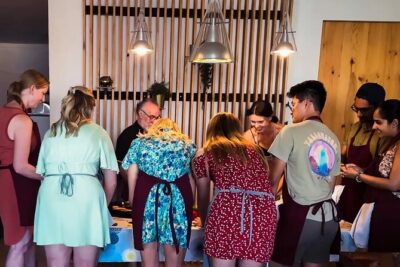
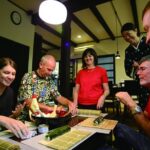
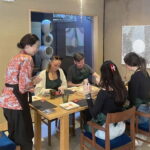
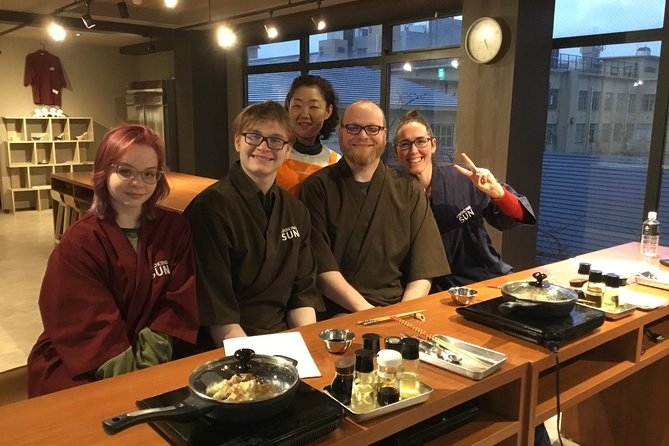
Group size matters here. The experience caps at 8 people per booking, and the instruction style is set up for personal attention rather than a big show-and-tell. In real terms, that usually means you spend more time cooking and less time waiting—especially when techniques get hands-on (rolling, frying, and plating).
From the origins of bento to the first cooking steps
You start with context before heat hits the pan. The lesson includes background on where bento comes from and how it became tied to everyday convenience. One specific detail you’ll hear: bento-related origins trace back to the 13th century, when the Song Dynasty used the word bento as slang for something convenient.
Then the chef moves from story to action. You’ll see demonstrations of techniques used for common bento staples, and the instructor explains what you’re making and why it works in a boxed format. That “why” is a big part of the value—bento isn’t only about taste, it’s about portioning and keeping textures right until lunch.
You may also pick up practical flavor guidance, like how to handle broth components (dashi) and how different soy sauce styles are used. Even when your menu changes with the seasons, that kind of technique thinking helps you cook beyond a single recipe.
What you’ll cook: miso soup, tempura, egg rolls, and bento-ready plating
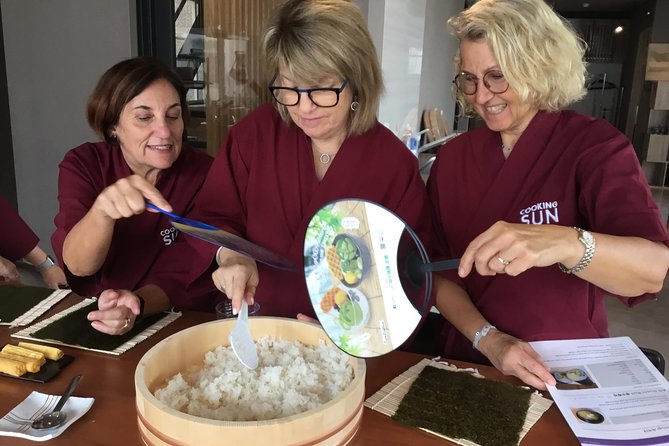
The menu is seasonal and adjusted every three months, so your exact dishes can vary. That said, the class covers a clear set of bento-friendly items. You can expect staples such as miso soup, tempura vegetables, and egg rolls. Those are great picks for a class because they teach foundational Japanese skills you can reuse at home.
Depending on the session timing and seasonal rotation, you might also practice other popular bento foods that show up often in these classes, such as rolled egg variations, teriyaki-style chicken, and vegetable sides. Several people highlight learning techniques like sushi rolling and tempura frying, which lines up with the way bento often includes both hot and cool components.
A key advantage of this kind of lineup is that it teaches you multiple cooking modes:
- Soups/broths: gives you a feel for seasoning and timing.
- Frying (tempura): teaches texture control and how not to overdo it.
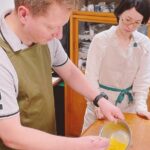
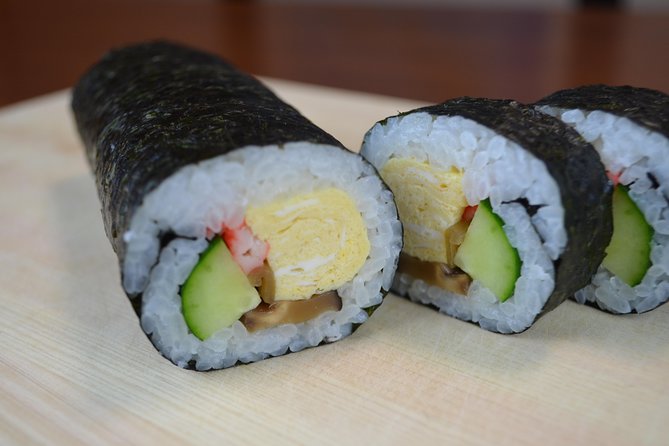
- Rolling (egg rolls / omelet-style rolls): builds confidence in even thickness and clean rolling.
- Assembly and portioning: helps you think like a bento-maker, not just a cook.
And yes, it’s a lot of food for one session. The instructor setup is designed so you don’t spend all your time chopping—some prep may already be handled so you can focus on learning the key technique steps that matter.
The instruction style: English-speaking chefs, patient pacing, and plenty of hands-on time
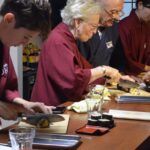
You get an English-speaking cooking instructor and you’ll cook with guidance from the class leader and chefs. Reviews emphasize how organized the class is and how clearly the instructors explain each step. The best part for most people is the balance: explanation first, then you take over at the station.
In a class like this, the biggest risk is confusion—too many steps, too little time, and hands full of tools. The structure here avoids that by keeping the flow manageable and supervision tight. You’re also given an apron, so you can move comfortably without treating the class like a delicate demo.
If you’re cooking more than you’re watching, it helps to arrive ready to ask questions. You’ll learn faster when you speak up about the exact technique you’re doing—especially with rolling and frying, where small timing changes matter.

Lunch at the end: your bento box, your pride, and a real payoff
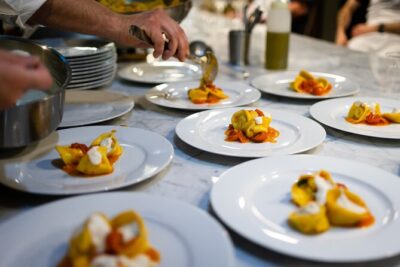
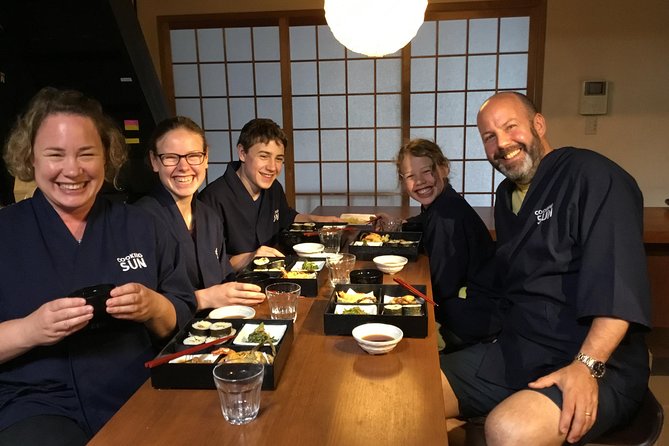
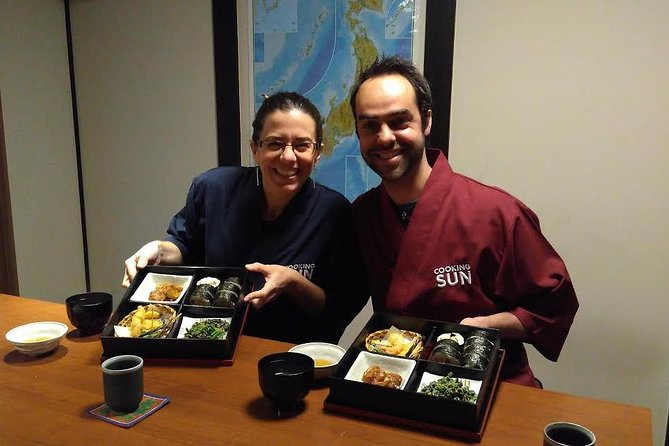
One of the strongest reasons to book is the finish. After cooking, you stow your knife and apron and sit down to enjoy the lunch you made. That moment turns the class from activity into satisfaction.
The bento format also makes the meal feel meaningful. You’re not just eating random dishes you cooked. You’re eating food that’s arranged like a bento—portioned, coordinated, and presented as a boxed lunch. That gives you a clearer idea of how Japanese home cooks think about meals.
People also point out that the bento can be more filling than expected, so go in hungry. If you’re the kind who wants lunch to happen immediately, you might prefer a lesson that eats sooner—but that’s not how bento works in a teaching setting. The waiting is the price of getting to eat a complete lunch at the end.
Recipes to take home: make it again without guesswork
At the end, you receive copies of the session recipes, so you can recreate the bento at home. This is a big deal for value. Cooking classes sometimes teach you in the moment, then you never make the food again because you don’t have a reliable recipe reference.
Here, the recipe handouts help you turn a one-time class into repeatable skills. And since your menu may include different bento staples, you’ll come away with a small library: soup, tempura, egg-based items, and other bento components you can mix and match.
If you already cook Asian food at home, this still pays off. You can refine technique—like how to roll neatly, how to manage frying, and how to season consistently—rather than just collecting one new dish.
Price and value: is $71.35 a fair deal in Kyoto?
At $71.35 per person for an experience lasting around 3 hours, the price feels fair because what’s included is substantial. You’re getting:
- Lunch (the bento you make)
- All ingredients for cooking
- An English-speaking instructor
- An apron
Add in that you’re working in a small group (max 8), and the value tilts even more toward “reasonable.” Many cooking classes in popular cities charge similarly while including less food or fewer hands-on steps. Here, the lunch payoff and the take-home recipes help justify the cost.
Also, the class offers group discounts and uses a mobile ticket, which can make planning smoother if you’re coming with someone.
Food allergies and dietary needs: plan ahead and don’t wing it
If you have allergies, this class is worth considering—but only if you communicate early. The booking process asks you to advise specific dietary requirements, and the staff is described as careful and helpful with allergies. That’s exactly what you want in a cooking environment.
Still, don’t assume every substitution is possible. Tell them what you need and confirm what can be safely accommodated. If your diet is complex (multiple allergens, strict cross-contact rules), send details at booking rather than hoping the day-of will be easy.
Who this Kyoto bento class is best for
This experience fits best if you want a practical food skill and a satisfying meal. It’s a great match for:
- Beginners who want guided technique without intimidation
- People who cook at home and want to level up bento-style skills
- Couples and families looking for a shared activity
- Anyone who likes Kyoto food but wants to do something hands-on instead of just eating
You might skip it if you’re looking for a long, sightseeing-heavy day, or if you already cook these specific dishes and want an advanced culinary deep training. Also, if you hate waiting to eat until the end, consider building your day with a solid breakfast.
Should you book this Bento Box Cooking Class in Kyoto?
I’d book it if you want hands-on Japanese cooking in a short morning window, and you care about leaving with recipes you can actually use. The small-group size and the focus on technique make it a better learning format than many “watch and sample” options.
I’d hesitate only if you’re very sensitive about eating timing (since you eat at the end), or if your dietary needs are complicated enough that you can’t clearly explain them during booking. If you can communicate your needs and you’re hungry by the time the class starts, this is a strong value play for Kyoto.
FAQ
Where is the bento box cooking class located in Kyoto?
The class starts at Cooking Sun, located at 679 Funayachō, Shimogyo Ward, Kyoto, 600-8466, Japan.
How long is the cooking class?
The class runs about 3 hours (and is sometimes listed as about 3 to 3.5 hours).
What time does it start?
The start time is 9:30 am.
What’s included in the price?
Lunch, all ingredients for cooking, an English-speaking cooking instructor, and an apron are included.
Does the menu change?
Yes. The menu is adjusted every three months based on seasonal ingredients.
Can you accommodate dietary requirements or allergies?
You should advise specific dietary requirements at the time of booking. The class is described as careful and helpful for food allergies.
Can I cancel and get a full refund?
Yes. Free cancellation is available if you cancel at least 24 hours before the experience’s start time.