REVIEW · KATHMANDU
Women Empowerment Project(Nepali cooking class & jewelry workshop
Book on Viator →Operated by Human welfare committee · Bookable on Viator
Kathmandu turns your hands busy fast. This two-day experience with the Women Empowerment Project (run through the Human welfare committee) mixes Nepalese momo practice with a hands-on jewelry workshop, all tied to women empowerment in Nepal. I especially like the warm, human pace that makes it easy to chat even if you’re not naturally social, and I like that you get real instruction from people like Aastha and the Momo Queen team (Syanbi). One thing to plan for: each day is short, and if you don’t eat meat, you’ll still be learning alongside buff-momo-making, so you’ll want to focus on the veg side and check what you’ll be handling.
You meet at We handicraft Paknajol (Kathmandu 44600), then the day 1 food session runs about 3 hours, followed by day 2 jewelry practice for about 3 hours. The vibe is practical and friendly, and it’s a private set-up for just your group, which helps if you want more conversation and less waiting around.
In This Review
- Key highlights at a glance
- Why this Kathmandu women-led project feels different than a cooking “tour”
- Day 1: Masala chai, pakoda snacks, and the rhythm of Nepali cooking
- Buffalo momos, veg momos, and learning the dumpling technique for real
- Dietary heads-up (important)
- Lunch: eating the momos you made, not something generic
- Day 2: jewelry workshop creativity at the Human welfare committee
- Price and logistics: $50 for two skill sessions, with a private-group feel
- Where to go
- When it runs
- Who it fits best
- Should you book this Kathmandu momo cooking and jewelry workshop?
- FAQ
- How much does the Women Empowerment Project experience cost?
- How long is the experience?
- What do I do on day 1?
- What do I do on day 2?
- Where is the meeting point in Kathmandu?
- Is this activity private?
- What is the cancellation policy?
Key highlights at a glance
- Masala chai kickoff: warm, comforting start before you start shaping dumplings
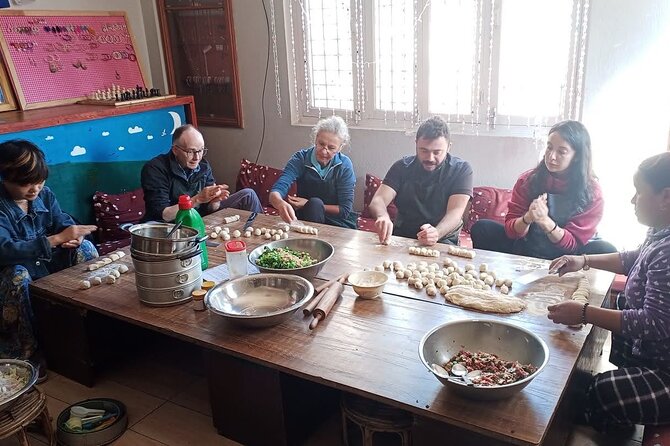
- Real momo coaching: guidance from Aastha and the Momo Queen team, Syanbi
- You’ll make multiple styles: buff momos and veg momos, plus Nepalese snacks like pakoda
- Lunch is part of the loop: you eat what you’ve made, not just watch it happen
- Second day is creative: craft your own jewelry, with help for both beginners and regulars
Why this Kathmandu women-led project feels different than a cooking “tour”
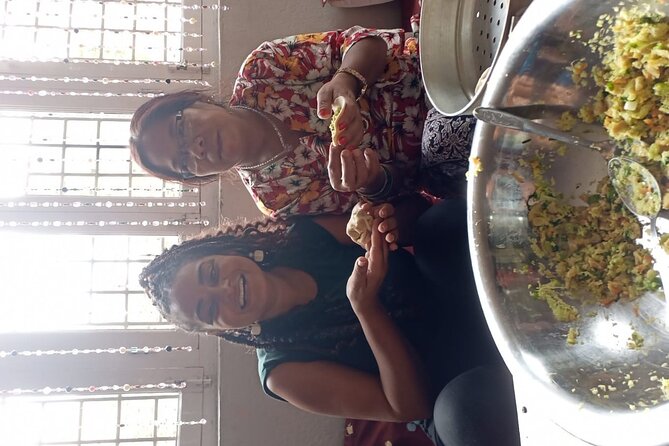
Most cooking classes teach recipes. This one also teaches context. You’re not just learning Nepalese comfort food; you’re supporting a women-focused project run through the Human welfare committee. That matters in a very down-to-earth way, because it changes the tone of the room. People show up with purpose, and you can feel it in how patiently they explain things and how proud they are of the work.
The experience also avoids that awkward “stranger in a kitchen” feeling. The teachers and project members create a relaxed atmosphere where questions are normal, and even quiet people can jump in. I like that the instruction is structured, but the social side doesn’t feel forced.
And then there’s the practical payoff: you get two real skills in two days. You’ll learn how to make momos (the Nepalese dumpling obsession), and you’ll take home a jewelry piece you made yourself. That combo is rare. Most experiences separate “food” and “craft.” Here, they’re paired with a clear social mission.
You can also read our reviews of more tours and experiences in Kathmandu.
Day 1: Masala chai, pakoda snacks, and the rhythm of Nepali cooking
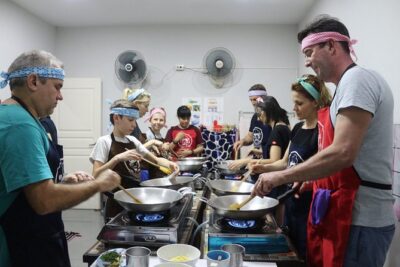
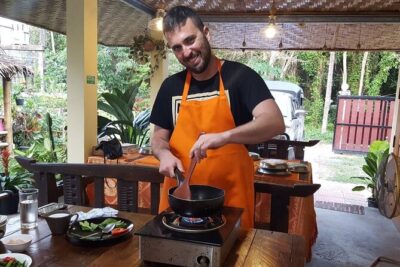
Day 1 is all about getting your hands active while you settle into Nepali flavors. It starts with a welcoming introduction, then you begin with traditional masala chai. That’s a smart first move. Chai isn’t just a drink here; it’s how the group sets the mood and gets everyone comfortable before the more hands-on dumpling work starts.
After that, you’ll move into Nepalese snacks, including pakoda. Even if you’ve cooked before, this part helps you understand how Nepali kitchens think about texture—what “crispy” means in this style, and how the batter and frying rhythm works in a home-kitchen setting.
What I appreciate most is that the class doesn’t treat this as a demo. You’re learning steps you can repeat later. You’ll be guided through what to do, not just what to watch, and you’ll get a feel for timing—when to shape, when to adjust, and when to stop.
If you’re a “show me, then I’ll try” type of learner, you’ll likely do well. If you want a super-formal class with exact measurements for everything, you might find the style more relaxed and skill-based. That’s not worse—just different.
Buffalo momos, veg momos, and learning the dumpling technique for real
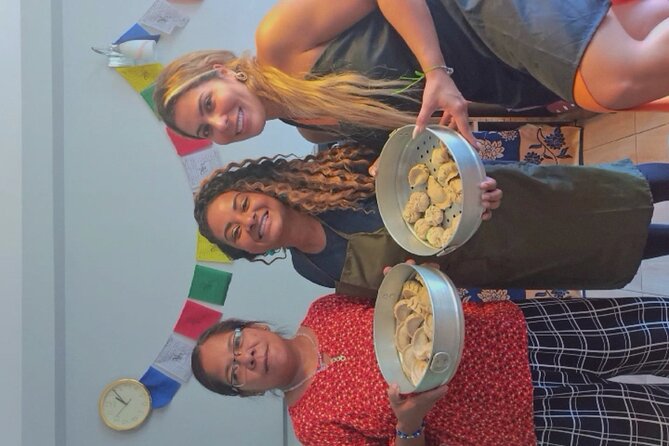
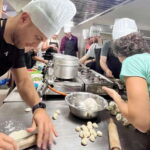
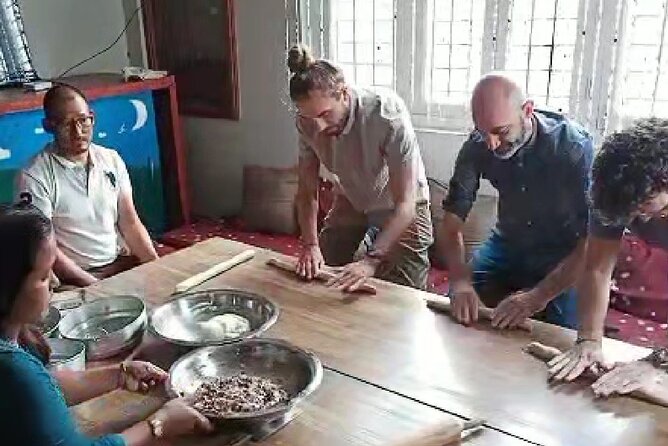
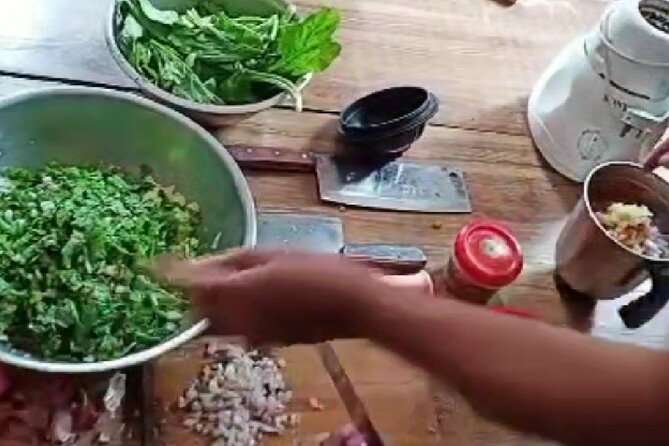
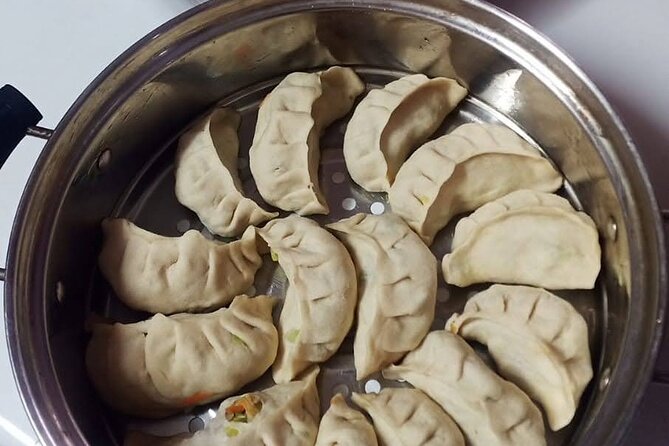
The main event is dumplings: momo making. You’ll learn the process for both buff momos and veg momos, which gives you a broader sense of how fillings and flavors work in Nepalese cooking.
A standout detail is the teaching team. You may work with Aastha and the Momo Queen team, including Syanbi. The names matter because they reflect a consistent teaching approach: clear explanation, patient corrections, and lots of encouragement. When someone is nicknamed the Momo Queen, they usually know how to teach people who’ve never shaped a dumpling before.
Here’s what you can expect from a practical instruction standpoint:
- You’ll focus on shaping, not just filling. Dumpling technique matters.
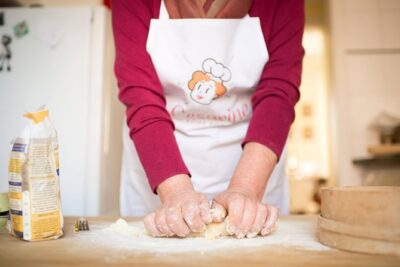
- You’ll learn how to handle the dough so it doesn’t tear or dry out too quickly.
- You’ll work in a small, friendly group setup (private activity for your group), so you won’t be lost in a crowd.
Also, you’ll likely make more than one kind of momo. That’s valuable because you’ll get to compare how fillings change the end result. In one day, you’ll move from “what do I do with this dough?” to “I can actually produce dumplings I’m proud to eat.”
Dietary heads-up (important)
Since buff and veg momos are part of what you’ll cook, think about how you want to participate. If you avoid meat, you can still enjoy the process and aim for the veg work, but be ready to choose your focus during the class.
Lunch: eating the momos you made, not something generic
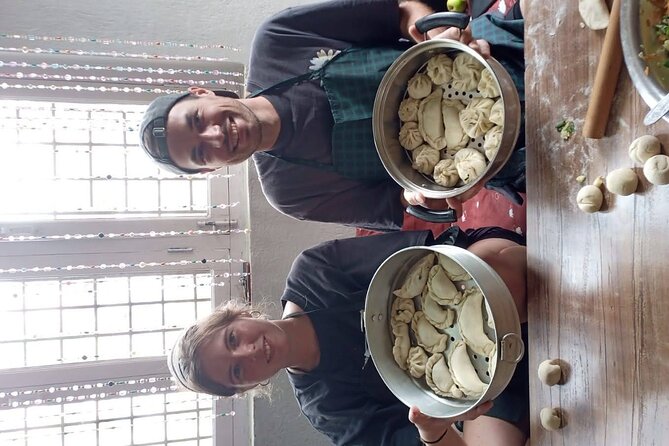
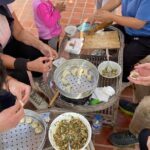
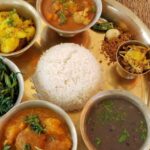
One of the best parts of this experience is that lunch is not separate from the learning. You gather to enjoy the momos you’ve prepared, and that becomes your meal.
This is a small but meaningful change from many “cooking experiences” where you get a plate at the end that feels unrelated to the process. Here, lunch is the proof of your work. You can taste what you shaped, and that makes it easier to remember what you did right (and what you’d improve next time).
It also helps that the meal is social. People from the project and volunteers often share the space with the group, and you may even end up eating together with children and family members, creating a more community-centered atmosphere. For me, that’s where the day stops being just about food and becomes about connection.
Day 2: jewelry workshop creativity at the Human welfare committee
On day 2, the focus shifts from the stove to your imagination. You’ll craft your own jewelry in the project workshop. The experience is designed so beginners can join, and it also helps people refine their skills.
What you should take away is that this isn’t “watch someone make something while you do one tiny step.” You’re meant to make the piece yourself. That’s why the class format works well as a second day: you already have momentum from cooking, and now you’re using that same active, hands-on energy in a different way.
Because day 2 runs about 3 hours, I’d plan your afternoon or evening around it. You’ll likely want some buffer time for drying, finishing, or simply enjoying the moment after you finish your piece—depending on what you choose to make.
And again, it’s women empowerment at the center. The workshop is run through the same Human welfare committee structure as day 1, so the project thread stays consistent. You’re supporting a mission while learning a craft, not just adding a souvenir.
Price and logistics: $50 for two skill sessions, with a private-group feel
At $50 per person for a two-day experience (about 3 hours each day), you’re paying for more than a cooking class. You’re getting:
- A full Nepalese cooking session with masala chai, pakoda, and momos
- A second-day jewelry workshop
- A setup for your group only (private activity)
- A mobile ticket approach
That makes the price feel more fair than a one-day food workshop, especially if you value skill building and not just sampling local dishes.
Where to go
Meet at We handicraft Paknajol, Kathmandu 44600, Nepal. The activity ends back at the meeting point.
When it runs
The listed opening hours for the activity window are Monday to Wednesday, 10:00 AM to 6:00 PM. That helps you plan around Kathmandu traffic and other sightseeing.
Who it fits best
This is a good choice if you:
- Want Kathmandu culture that’s hands-on, not just photos and temples
- Enjoy food and craft equally
- Like small-group attention and a friendly teaching style
- Are traveling solo or as a couple and want a structured way to meet people without it feeling forced
If you’re short on time, it’s still doable because each day is about 3 hours, but it’s not the kind of experience you can cram into one afternoon.
Should you book this Kathmandu momo cooking and jewelry workshop?
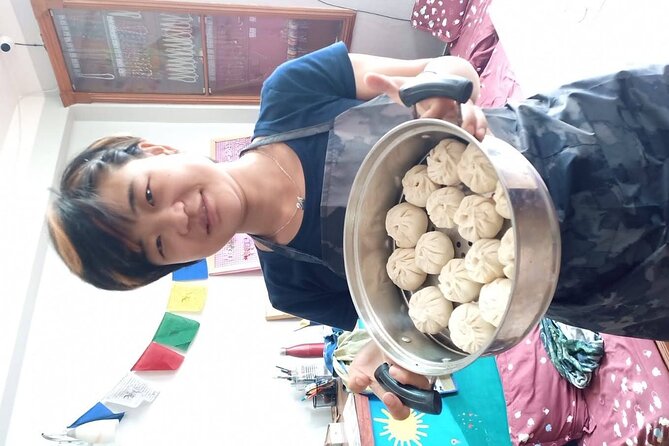
Yes, if you want your time in Kathmandu to feel practical and real. The best reason to book is the combination: you learn Nepalese food you can repeat, and you create a second-day keepsake through the women-led project work. The teachers and project members (including Aastha and the Momo Queen team, Syanbi, plus team members like Buddha and Tara) help make the process approachable, even if you don’t consider yourself a confident cook or maker.
You might want another option if you’re looking for something purely vegetarian with zero meat handling, or if you want a longer class where you can fully master technique with more time.
If your goal is meaningful cultural participation—good food, real craft, and support for women empowerment—this one is an easy “yes” for many visitors.
FAQ
How much does the Women Empowerment Project experience cost?
It costs $50.00 per person.
How long is the experience?
It’s listed as approximately 2 days.
What do I do on day 1?
Day 1 includes preparing masala chai, cooking Nepalese snacks like pakoda, making dumplings (buff momo and veg momo), and then having lunch.
What do I do on day 2?
Day 2 is a jewelry workshop where you craft your own jewelry.
Where is the meeting point in Kathmandu?
The start point is We handicraft Paknajol, Kathmandu 44600, Nepal, and the activity ends back at the same meeting point.
Is this activity private?
Yes. It’s a private tour/activity, so only your group participates.
What is the cancellation policy?
Free cancellation is available. You can cancel up to 24 hours in advance for a full refund. If you cancel less than 24 hours before the start time, the amount paid is not refunded.