REVIEW · ROME
Fettuccine & Tiramisù: Cooking Class with Wine & Limoncello
Book on GetYourGuide →Operated by Eat and Walk Italy · Bookable on GetYourGuide
Rome smells like fresh pasta and dessert. In this 3-hour Rome cooking class, you’ll make fettuccine from scratch and a classic tiramisù with fresh ingredients, guided step-by-step by your chef in English. You’ll also get to sit down and eat what you made, paired with Italian wine plus limoncello (or coffee).
One consideration: the class is very hands-on and timed, so if you want a slow, chatty cooking demo with lots of downtime, this may feel a bit fast-paced.
In This Review
- Quick hits before you go
- Why Fettuccine and Tiramisù Works So Well in Rome
- Gusto Restaurant Check-In: What to Do When You Arrive
- The Pasta Start: Rolling Dough and Shaping Real Fettuccine
- Tiramisù Hands-On: Layers, Timing, and the Fridge Rest
- The Meal Pairing: Wine, Limoncello, and Coffee
- The Group Dynamic: Cooking Together in a Roman Restaurant
- Price and Value: What $66 Includes and Why It’s Fair
- Who Should Book This Cooking Class (and Who Might Skip It)
- What You Take Home: Recipes and Confidence in the Kitchen
- Should You Book This Cooking Class?
- FAQ
- How long is the Fettuccine & Tiramisù cooking class?
- What dishes will I make during the class?
- Can I choose the pasta sauce?
- Is there wine and limoncello included?
- Is the instruction in English?
- Are pets allowed, and is it suitable for young kids?
Quick hits before you go
- Fettuccine shaped the right way: you’ll learn how to form the famous style, not just roll dough.
- Pick your sauce: Tomato and Basil, Amatriciana, or Cacio e Pepe.
- Tiramisù gets its rest time: you’ll assemble it, then pop it in the fridge before the pasta starts.
- Wine + limoncello/coffee with your meal: it turns the class into a full sit-down experience.
- English instruction from chefs who teach with humor: names like Tommy, Lori, Maria, Mimi, and Carlotta show up again and again for clear guidance.
Why Fettuccine and Tiramisù Works So Well in Rome
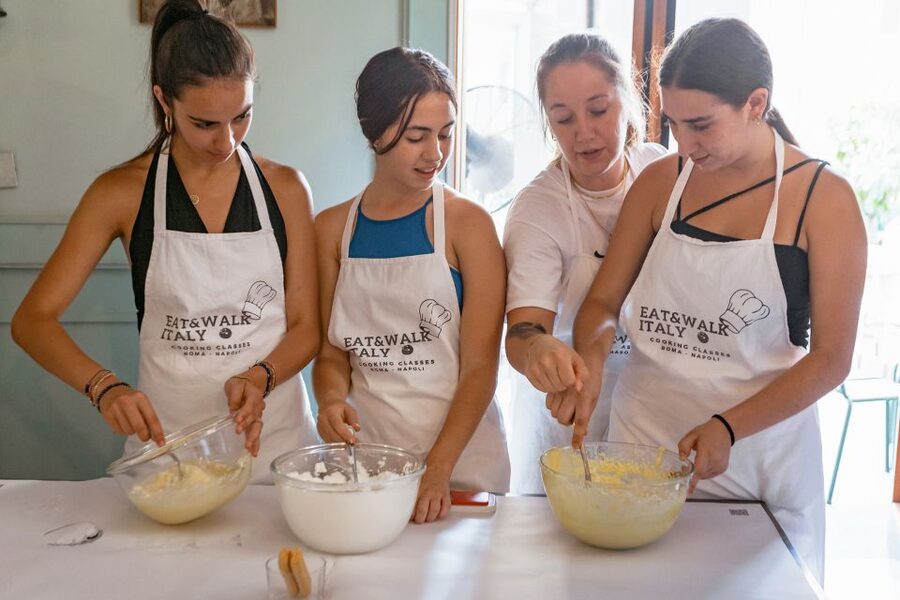
If you’re in Rome and you want something more meaningful than another pasta dinner, this kind of class delivers. You’re not watching food happen from the outside. You’re doing the work: mixing, shaping, and assembling two Italian staples that most people order but rarely make.
What makes it especially satisfying is the order of operations. You get a chance to make fresh pasta while the tiramisù rests. That rhythm matters because tiramisù is all about structure and time, while pasta is about technique and speed. Put together, you get the best of both worlds: a skill-building food lesson and a dessert you can taste immediately after.
The other reason it’s such a good fit for Rome is that it’s rooted in the everyday reality of Italian cooking. There’s no fancy smoke and mirrors. You’ll work with simple, fresh ingredients and learn what to look for as dough comes together and as layers of tiramisù assemble properly.
You can also read our reviews of more tours and experiences in Rome.

Gusto Restaurant Check-In: What to Do When You Arrive
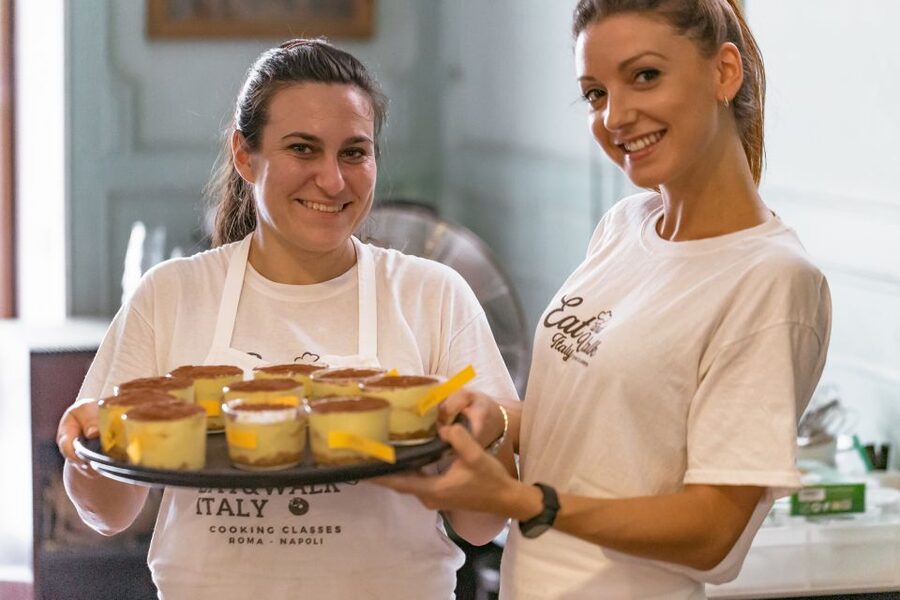
You meet your chef at Gusto Restaurant, Via Giuseppe Zanardelli 14. Plan to arrive 10 minutes early. That small buffer helps you settle in, find the right table, and get ready before the group starts cooking.
Expect the tone to be friendly and instructional. Many chefs who lead these classes are described as funny, patient, and good at getting the whole group involved, not just the loudest person in the room. You’ll also hear the guidance in English, which makes a big difference when you’re learning pasta technique—especially when the chef is describing texture, timing, and how your dough should feel.
One practical tip: if you’ve never made pasta before, don’t overthink it. You’re not trying to become an Italian nonna overnight. You’re learning a few core moves, and the rest is technique plus repetition.
The Pasta Start: Rolling Dough and Shaping Real Fettuccine
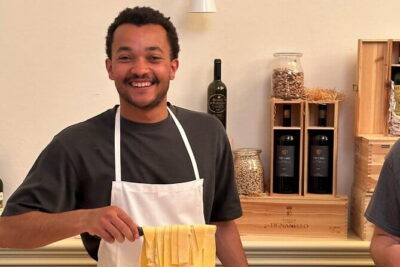
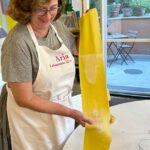
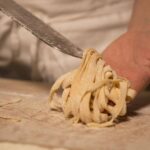
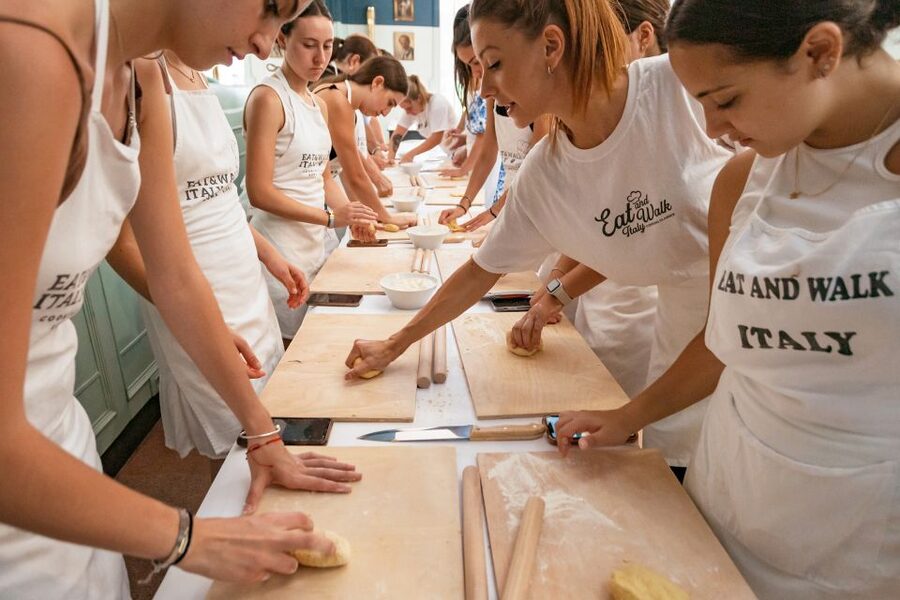
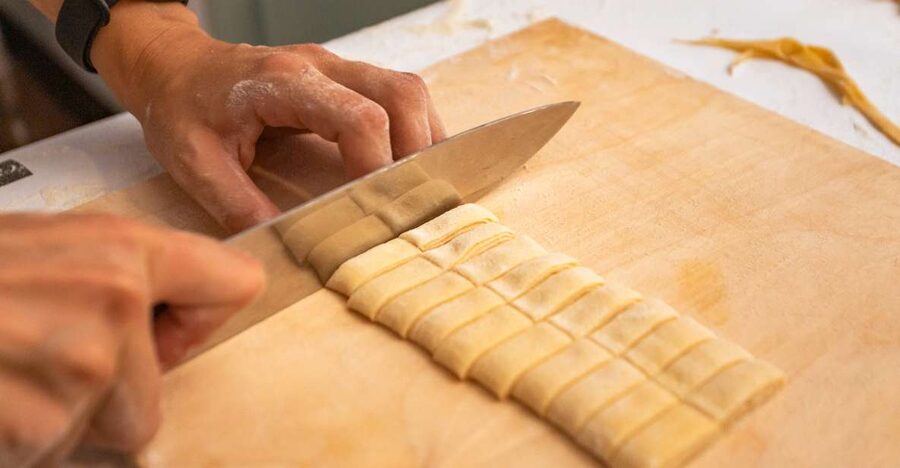
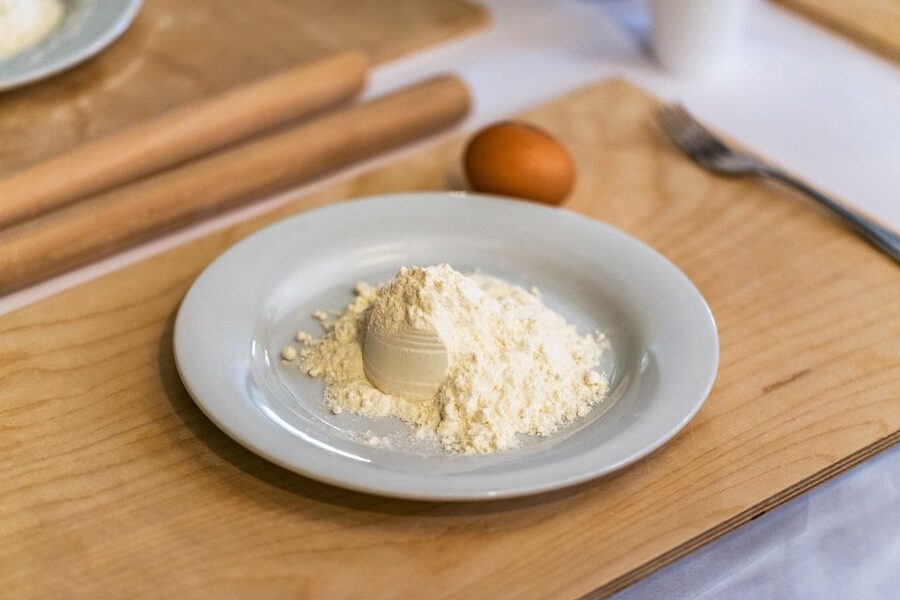
The class begins with homemade fettuccine. You’ll learn from scratch how to prepare pasta dough and how to shape it into the classic fettuccine style. That’s more valuable than it sounds. A lot of cooking classes teach you how to assemble ingredients. This one teaches you how to make the pasta itself—and the shape is part of the skill.
Why that matters for you at home:
- Fresh pasta cooks faster than dried. Learning the feel helps you avoid under- or over-cooking.
- Texture changes everything. When you understand how dough should behave, sauces cling better.
- Shaping is teachable. Once you know the method, repeating it feels less intimidating.
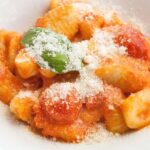
Sauce is part of the fun. You’ll choose a sauce option such as Tomato and Basil, Amatriciana, or Cacio e Pepe. Even if you’re not choosing among three brand-new recipes, you’re getting a better sense of what each sauce demands. That helps you make smarter choices the next time you cook—rather than just grabbing whatever sauce sounds good.
Also, there’s a built-in cultural lesson here. Pasta and Roman Italian cooking are deeply connected to technique, ingredients, and restraint. You’re learning the basics in a way that makes restaurant orders make more sense after.
Tiramisù Hands-On: Layers, Timing, and the Fridge Rest
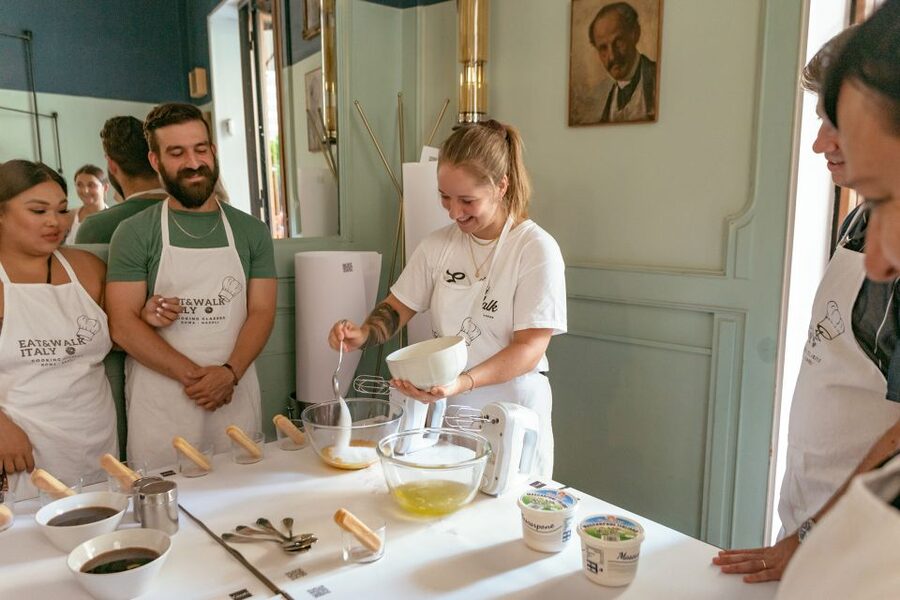
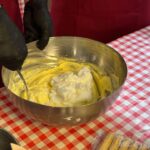
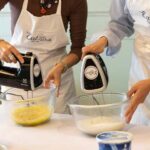
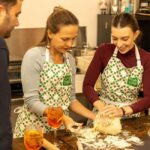
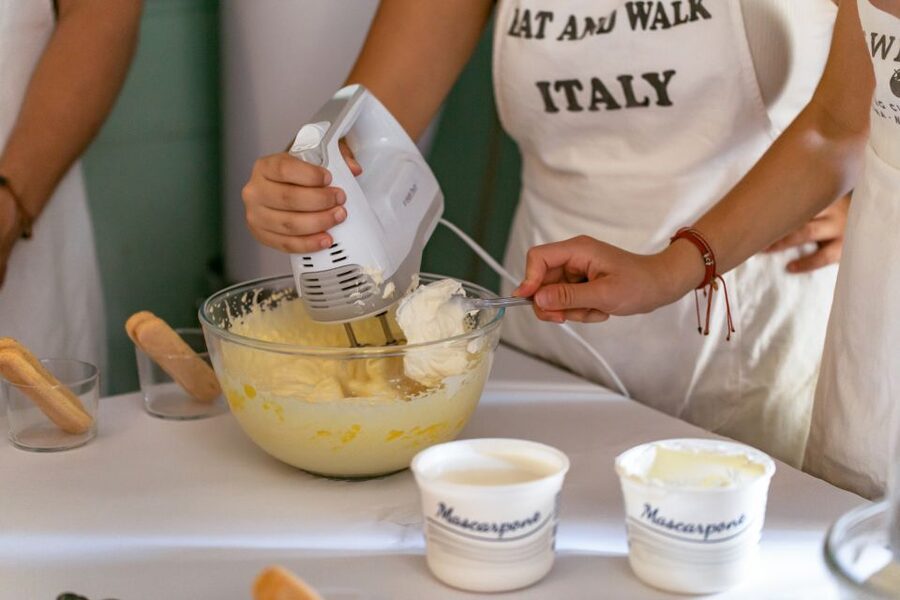
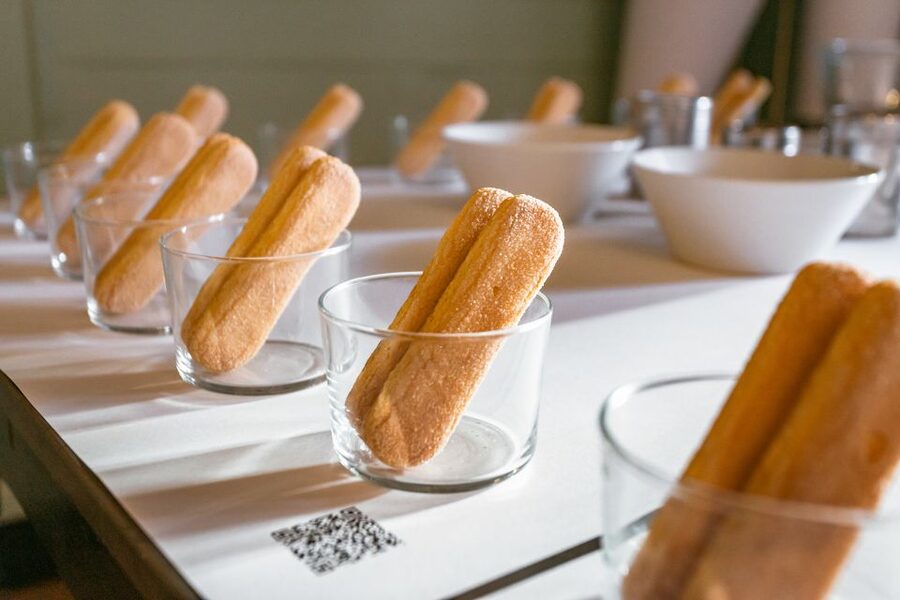
Then comes the dessert—tiramisù. You’ll make it yourself, not just watch someone assemble it. This is where the class feels like a “do it with me” workshop: you’ll follow step-by-step instructions while you build the layers.
A big detail: after assembling tiramisù, you put it in the fridge to rest. That’s not a random pause. It’s essential to the flavor and texture—so you’ll understand the logic behind the timing instead of treating it like a waiting game.
Why tiramisù is a smart match for this class:
- It’s forgiving if you follow directions and focus on the layers.
- You’ll learn why rest time matters, which is something many home cooks skip.
- It’s instantly rewarding. Even before you’re done with the meal, you know you’ve created something special.
Pair this with the pasta portion, and you’ll end up with two very recognizable dishes—meaning you’re not leaving with a complicated specialty you might never repeat. You’ll leave with skills that travel well back home.
The Meal Pairing: Wine, Limoncello, and Coffee
The class doesn’t end when the cooking ends. You sit down to taste your creations, and that’s where the “why” becomes real.
You’ll be offered:
- a glass of wine or a non-alcoholic drink
- a glass of limoncello or coffee
- water
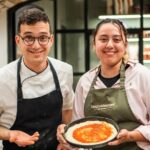
For many people, this is the best part because you can finally judge your work with a clear palate and no guesswork. Pasta is one thing when you’re rolling dough; it’s another when you taste it with the sauce you chose. Tiramisù becomes more than dessert when you feel how the rest time and layering change the bite.
And yes, limoncello matters. It’s one of those Rome-friendly details that turns the end of the experience into a true Italian finish. If you’d rather skip alcohol, you can choose the non-alcoholic drink option that’s part of the class setup.



The Group Dynamic: Cooking Together in a Roman Restaurant
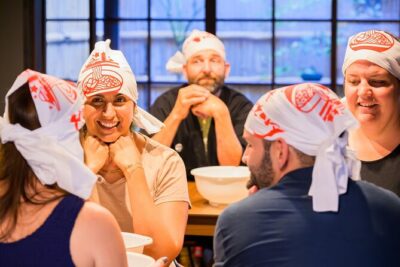
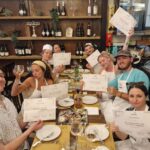
This class has a social side, and it’s usually a good one. People often describe the experience as fun, interactive, and easy to follow. Chefs repeatedly get credit for involving the group and teaching in a way that makes beginners feel capable—whether you’re in there with a cooking confidence level of 1 or 10.
One thing to keep in mind: shared table cooking can attract shared-table energy. In group activities, a few personalities can take over the noise level. That’s not really a fault of the chef or the restaurant—it’s just what happens in group settings. If you want a calmer learning vibe, aim to stay focused on your station and keep your attention on what the chef is demonstrating.
Also, the size can feel comfortable. Some people mention small-group setups, including classes of about five people. You can’t count on a specific number from this data alone, but the repeated emphasis on interaction suggests you’re unlikely to feel like a face in a crowd.
Price and Value: What $66 Includes and Why It’s Fair
At $66 per person for about 3 hours, the value comes from what’s included—not just the cooking.
You get:
- an instructor/chef and the full class
- ingredients and guidance for fettuccine with a sauce you choose (Tomato and Basil, Amatriciana, or Cacio e Pepe)
- tiramisù made by you
- wine or a non-alcoholic drink
- limoncello or coffee
- water
So you’re paying for an experience that turns into a proper meal with drinks, not a short snack tutorial. You’re also learning techniques you can repeat, which is where the “value” gets real. If you were to buy ingredients and just cook at home, you’d still be missing the step-by-step feedback and the pasta-shaping guidance.
Is it a budget option? Not exactly. But for Rome, it’s the kind of price that makes sense when you factor in: chef time, hands-on instruction, ingredients, and the food-and-drinks payoff.
Who Should Book This Cooking Class (and Who Might Skip It)
This works especially well for:
- first-timers who want clear guidance and immediate results
- food lovers who want a hands-on experience in Rome, not just another dinner
- couples, friends, and families with older kids (teens especially)
- anyone who wants a repeatable skill: pasta + tiramisù
It’s not a fit if:
- you’re traveling with pets (pets aren’t allowed)
- you have young children under 4 years (not suitable)
If your idea of travel is maximizing walking time and sightseeing, keep your expectations aligned. This is a kitchen experience. You’re trading an hour of Rome street wandering for a high-return activity that teaches something you’ll use again.
What You Take Home: Recipes and Confidence in the Kitchen
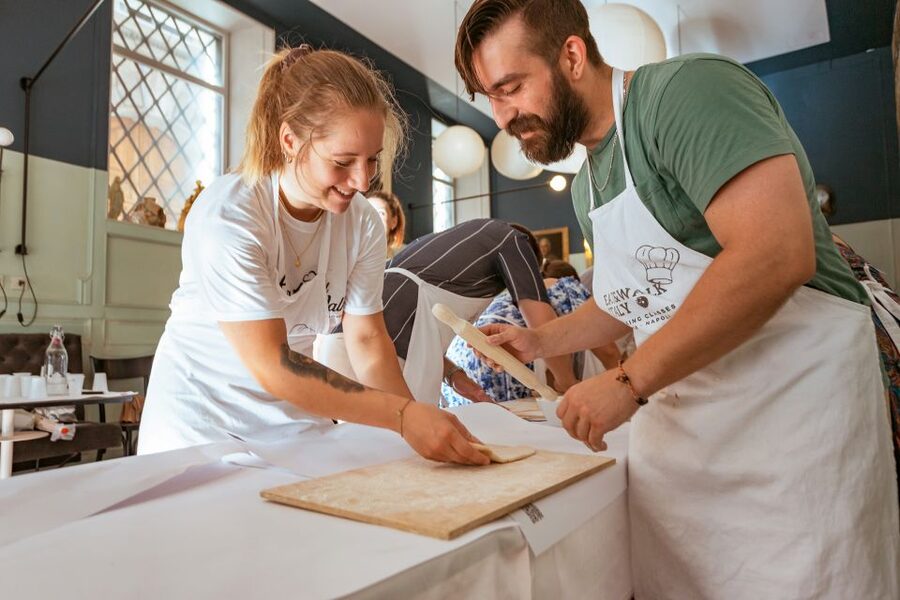
One of the quiet wins here is how much you leave knowing. People often mention that the food came out delicious and that the class helped them learn pasta and tiramisù properly.
You should also expect to get recipes after the class. Some people specifically note that the recipes were shared, which is a big help when you want to repeat the dishes at home and compare your results to what you learned.
The confidence part is practical. After learning dough feel, basic shaping, and how to build tiramisù layers with correct timing, you’ll stop treating these dishes as restaurant-only magic.
Should You Book This Cooking Class?
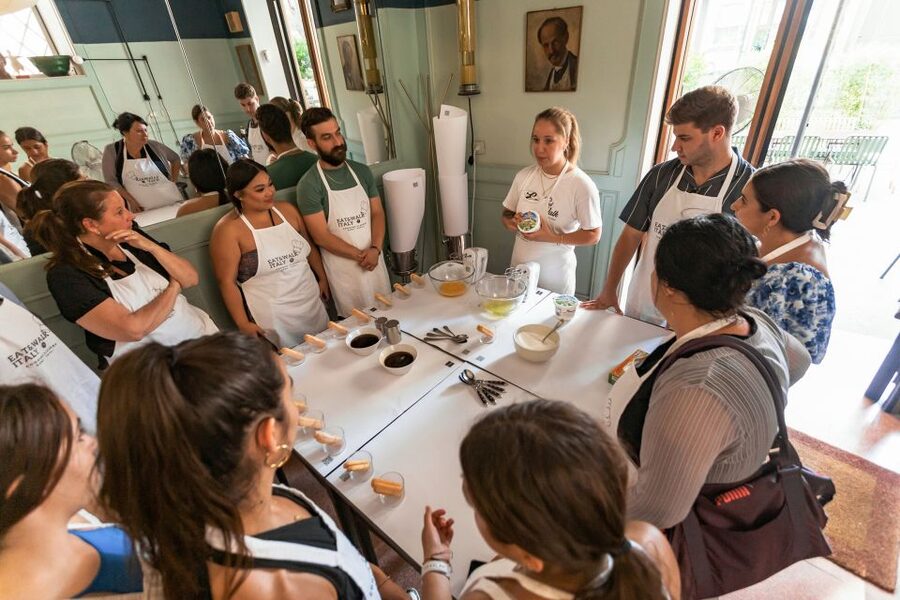
Book it if you want a memorable, hands-on Rome experience that ends with a real meal and clear, repeatable skills. The combination of fresh pasta shaping, a self-made tiramisù, and the add-on of wine plus limoncello makes it feel complete, not like a half-hour gimmick.
Skip it if you’re not interested in cooking at all, or if you prefer your experiences to be long on wandering and short on kitchen time. Also, if you’re traveling with a very small child under 4 or you’re bringing pets, this one won’t work.
If you’re on the fence, think like this: for one evening in Rome, you’re buying chef-guided technique plus dinner and drinks. That’s a pretty good trade.
FAQ
How long is the Fettuccine & Tiramisù cooking class?
It lasts 3 hours.
What dishes will I make during the class?
You’ll make homemade fettuccine and tiramisù, and you’ll choose a pasta sauce option.
Can I choose the pasta sauce?
Yes. You can choose among Tomato and Basil, Amatriciana, or Cacio e Pepe.
Is there wine and limoncello included?
Yes. You’ll get a glass of wine (or a non-alcoholic drink) and a glass of limoncello or coffee.
Is the instruction in English?
Yes, the instructor teaches in English.
Are pets allowed, and is it suitable for young kids?
Pets aren’t allowed. It’s not suitable for children under 4 years old.