REVIEW · MUMBAI
Mumbai: Indian Cooking Class & Cultural Delights
Book on GetYourGuide →Operated by Amaze Tours · Bookable on GetYourGuide
Want Mumbai spice lessons in 3 hours? You’ll get a guided market visit and a hands-on Maharashtrian cooking session in a small group setting, with lunch you actually make yourself.
I especially like the mix of practical cooking and local context: you’ll cook multiple dishes, then sit down together to eat the results. One thing to plan for is that transportation isn’t included, so you’ll want to get yourself to the meeting point first.
In This Review
- Key highlights I’d plan around
- Meeting at Star Anise patisserie: how this trip starts
- Market visit: seeing ingredients before the lesson
- Hands-on Maharashtrian cooking: multi-course but not complicated
- Your instructors: the guide-cook teamwork
- The cultural part: chai, rituals, and henna Mehndi
- Lunch you make yourself: why it lands well
- Price and value: $27 for a real meal, not just a demo
- Who this is best for (and who should skip it)
- Practical tips so your class goes smoothly
- Should you book this Mumbai cooking class?
- FAQ
- Where do I meet for the cooking class?
- How long is the experience?
- What’s included in the ticket price?
- Is transportation to and from the class included?
- Is this cooking class beginner-friendly?
- How many people are in the group, and is there a guide?
- Is it wheelchair accessible, and what’s the cancellation policy?
Key highlights I’d plan around
- Market visit before the kitchen, so you see ingredients up close before you touch the stove
- Small group limit of 6, which means more help while you’re chopping, frying, rolling, and tasting
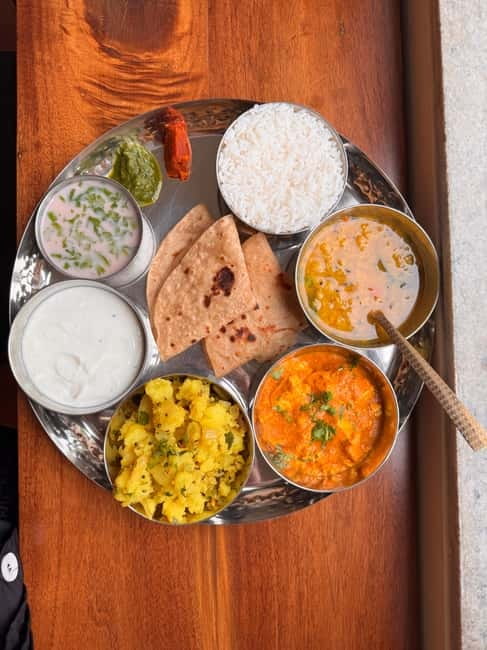
- Hands-on multi-course cooking, not just a demo, so you leave with real technique
- English live guide, plus a home cook who teaches how dishes fit local food habits
- Cultural add-ons during the experience, including a traditional welcome ritual and henna Mehndi in some sessions
- Recipe sheet to take away, so you can recreate the dishes after you’re back home
Meeting at Star Anise patisserie: how this trip starts
This experience kicks off at the entrance of Star Anise patisserie. It’s a straightforward meeting point, and you’ll know you’re in the right place because the group gathers right there before heading out.
From the start, the vibe is casual and friendly. You’re not walking into a lecture hall. You’re joining a small team for a short day that stays focused: ingredients first, cooking second, eating together at the end.
One practical note: since transportation isn’t included, you should plan how you’ll reach Star Anise patisserie. If you’re using ride-hailing, map it in advance. If you’re on foot, give yourself buffer time, because Mumbai timing can be a bit elastic.
You can also read our reviews of more tours and experiences in Mumbai.
Market visit: seeing ingredients before the lesson
The market walk is more than a photo stop. It’s where the day makes sense. You’ll stroll around to see where food is bought and how it looks in real life, not as it appears on a menu.
You’ll pay attention to basics that matter in Maharashtrian cooking: vegetables, spices, and the everyday building blocks that give curries their flavor without needing fancy shortcuts. Even if you’re not trying to recreate every ingredient exactly, seeing what’s available locally helps you understand what cooks are aiming for.
Many groups also pause for chai during the market portion, which keeps energy up and makes the pace comfortable. If you’re the kind of person who likes learning by observation, this part is for you. You’ll come away with a better sense of what each dish is trying to taste like.
Hands-on Maharashtrian cooking: multi-course but not complicated
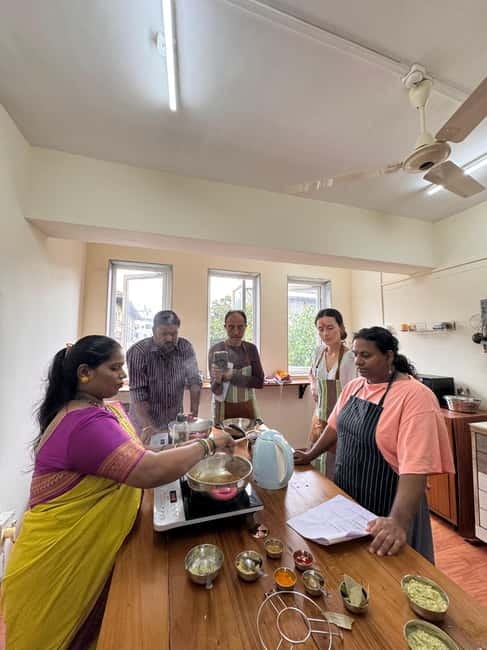
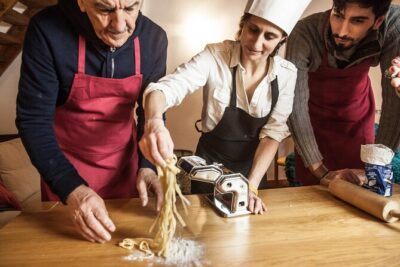
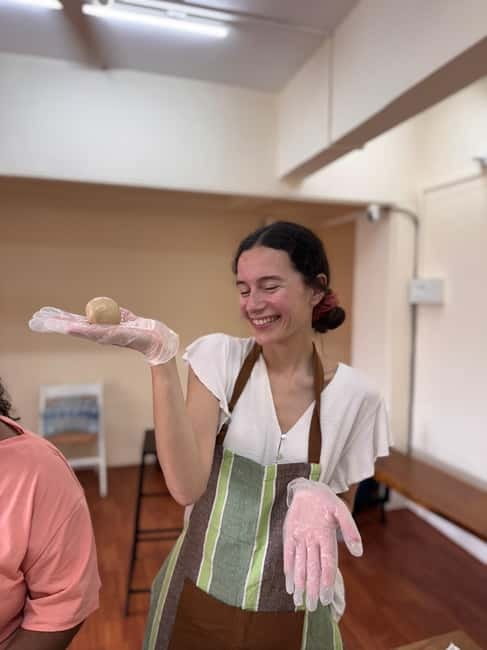
This is a hands-on class. You’ll do the work, not just watch it. That’s the point, especially in a short 3-hour window. The teaching style is built for real participation: you’ll get a demo or explanation, then you’ll jump in at your station.
The dishes are multi-course, and groups typically end up cooking several recipes. In many sessions, that includes Indian breads like chapati, and sometimes paratha. You’re also likely to make classic starters or sides depending on the rotation, but the core idea is consistent: you learn technique, then apply it immediately.
What surprised me in how people describe it is the emphasis on how flavor is built. You won’t need heavy theory. Instead, you’ll learn practical decisions—when to add spices, how to manage heat, and how to adjust for taste as you cook. And yes, you’ll taste as you go. Cooking classes that let you taste your own food are the ones where you actually learn.
Your instructors: the guide-cook teamwork
This experience runs with a live English tour guide and a home cook. You may meet names like Dinesh as the guide and cooks like Trupti, who teach the kitchen side with a clear, patient style. Other home cooks in past sessions have been described with warmth and confidence, the kind that makes you feel like you can do it too.
That guide-and-cook pairing matters. The guide helps you connect the dots—food background, cultural context, and what to watch for while you cook. The home cook handles the how: the step-by-step in the kitchen, including adjustments when something doesn’t look perfect at first (and it won’t, at least not at the start).
The small group limit of 6 participants is what makes this teaching workable. There’s enough attention that you can ask questions without waiting for your turn. It’s not a crowded class where you’re just hoping you’re next at the station.
The cultural part: chai, rituals, and henna Mehndi
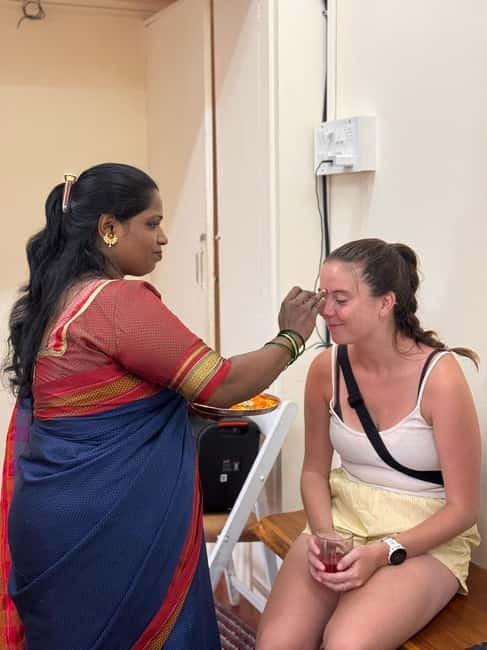
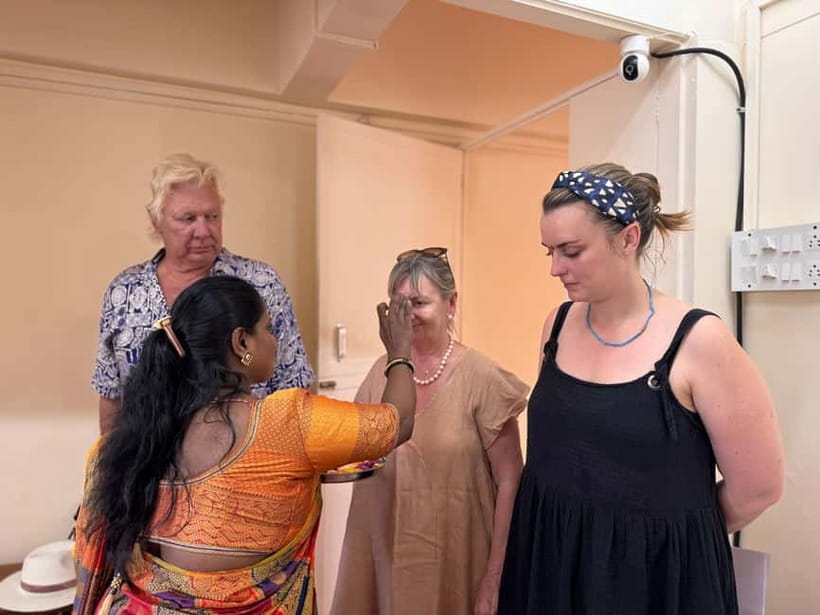
This isn’t only about food. You’ll also take part in cultural activities that connect the cooking to everyday Mumbai life. In some sessions, the welcome includes a traditional ritual, which sets a calm, respectful tone and helps you feel like you’re joining a household routine rather than running through a checklist.
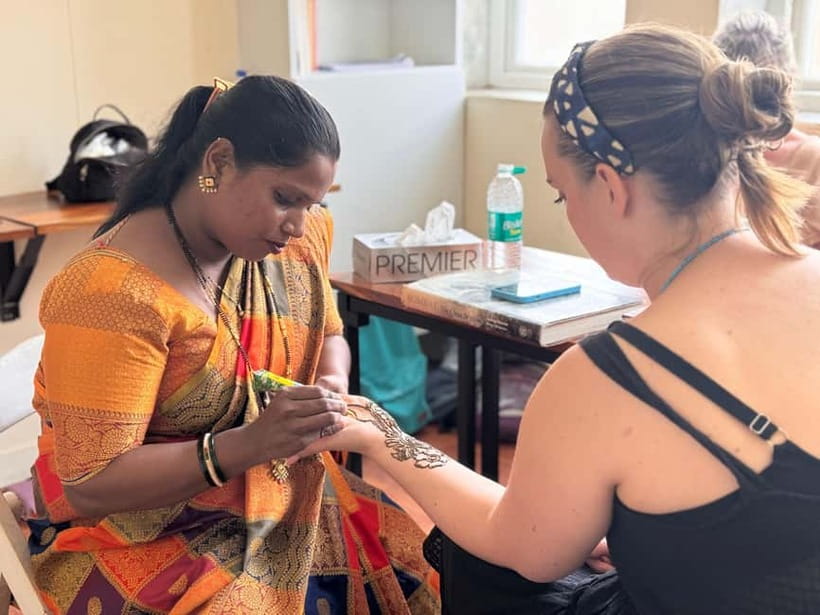
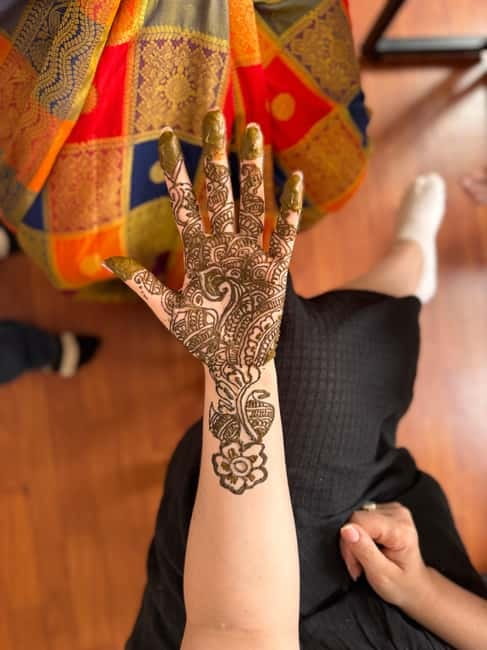
Henna Mehndi shows up for many groups as an extra hands-on moment—fun, simple, and very on-theme for a place where food, celebration, and tradition often overlap. If you like souvenirs that aren’t plastic, henna is a memorable one.
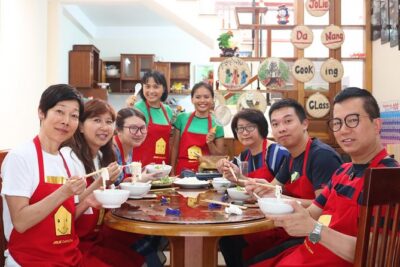
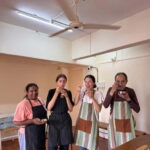
Also, the group meals are treated like part of the experience, not a refund for your patience. You sit down together and eat what you cooked, which makes the cultural side feel real instead of tacked on.
Lunch you make yourself: why it lands well
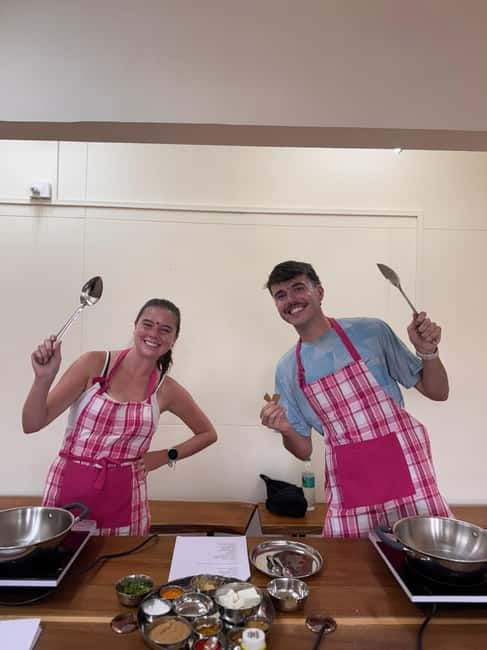
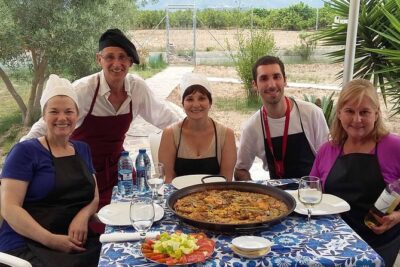
The meal at the end is a big reason this experience works. You’re not waiting until the finish for satisfaction. You cook through a multi-course setup, then you eat it as a team.
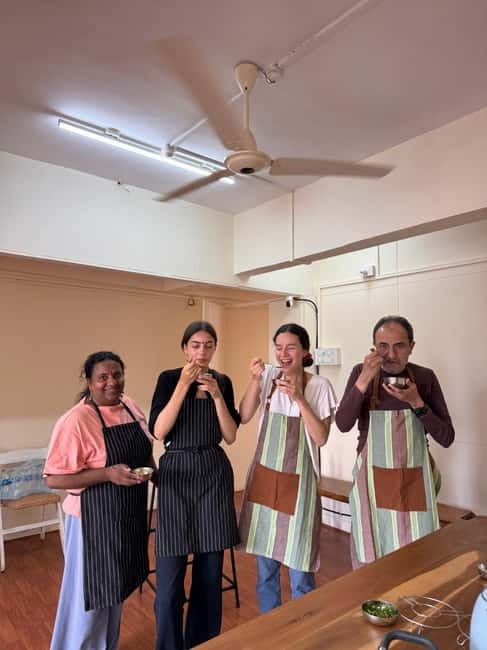
People consistently describe the food as tasting amazing, and that tracks with how the class is structured. When you cook the dishes yourself, you notice the texture, the aroma, and the flavor balance. You also learn what to look for next time—like the point when something tastes “done” instead of just “looks done.”
This is also where recipe sheets become valuable. Having written guidance after you’ve practiced makes it easier to repeat the dishes at home without guessing.
Price and value: $27 for a real meal, not just a demo
At $27 per person for about 3 hours, you’re paying for three things at once: guidance, ingredients, and instruction that results in a shared lunch. That’s a strong deal compared with food tours that mostly snack while you watch others cook.
Here’s the real value check: the class is small (max 6), hands-on, and run in English. That combination means you’re not just buying “a thing to do.” You’re buying time with an actual cook plus a step-by-step learning environment.
The one value downside is transportation. Because it’s not included, your total cost depends on how you get there. Still, if you’re already in the area or plan your route around the meeting point, the $27 price keeps the whole day accessible.
Who this is best for (and who should skip it)
This experience is a great fit if you want a short, satisfying Mumbai activity that connects food to daily life. It’s also good if you’re a beginner. The class is designed so you can join even without cooking experience, and the teaching format supports first-timers.
It’s also ideal for couples and solo travelers who want something social but not noisy. With a group size capped at 6, you’ll get conversation and help, without feeling like you’re in the way.
You might want to choose something else if you’re hoping for a long sightseeing day or a deep museum-style history program. This class stays focused on market-to-kitchen-to-table, which is great if you want that, and limiting if you expected hours of city touring.
Practical tips so your class goes smoothly
- Arrive a little early for the Star Anise patisserie meeting point so you can start on time.
- Wear clothes you don’t mind getting a little spiced up. Hands-on cooking can get messy in the best way.
- Bring curiosity. The guide’s English explanations are part of the value, especially when ingredients and technique connect.
- If you’re sensitive to smells or heat, plan for that mindset at the start. Kitchens are warm and aromas are strong.
- Plan for your own transport at the end too, since pickup isn’t listed as included.
On the plus side, the class is wheelchair accessible, which matters for planning when you’re comparing activities.
Should you book this Mumbai cooking class?
I’d book it if you want a hands-on food experience with real learning, not just tasting. The small group size, English guide, market visit, and multi-course meal you cook yourself make it feel like a complete activity instead of a quick stop.
Book it especially if you like the idea of learning practical technique you can use at home. And if you’ve been nervous about cooking Indian food, don’t be. The format is designed for people who are starting from zero—then helping you build confidence dish by dish.
FAQ
Where do I meet for the cooking class?
You’ll meet at the entrance of Star Anise patisserie.
How long is the experience?
It lasts 3 hours.
What’s included in the ticket price?
You get an authentic Maharashtrian cooking class, a market visit, cultural activities, and help preparing a multi-course meal.
Is transportation to and from the class included?
No. Transportation is not included.
Is this cooking class beginner-friendly?
Yes. The experience is open to anyone, even people with no cooking experience.
How many people are in the group, and is there a guide?
It’s a small group limited to 6 participants, with a live English tour guide.
Is it wheelchair accessible, and what’s the cancellation policy?
The experience is wheelchair accessible and you can cancel up to 24 hours in advance for a full refund.