REVIEW · ROME
Focaccia and Pesto Cooking Class in the Roman Countryside
Book on Viator →Operated by Rome Cooking Class · Bookable on Viator
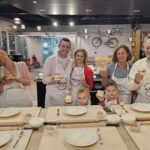
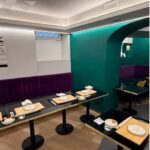
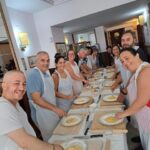
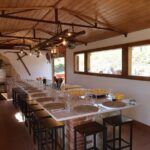
Hands-on focaccia in the Roman countryside is a treat. What makes this class feel special is the setting: you cook in a real kitchen with views over a vineyard, olive trees nearby, and a host who keeps things warm and practical. It is not a “watch and clap” experience. You roll up your sleeves and do the work.
I also love how focused it is on a few Roman classics, done properly. You learn fresh focaccia from scratch, make pesto with fresh basil (not some jar shortcut), and finish with traditional tiramisù. The pacing is relaxed enough that you get time to ask questions, but structured enough that you finish with food you can be proud of.
One possible drawback to keep in mind: the start can be sensitive to pickup timing. There has been at least one complaint about a driver not showing up and the team being unreachable, so I’d plan to stay alert around the 10:30 start and keep your phone charged.
In This Review
- Key highlights you’ll care about
- Why this Rome countryside cooking class feels different than city-only options
- Getting to Via di Santa Lucia in Fonte Nuova without stress
- Prosecco welcome and aprons on: what the 4 hours are really like
- Homemade focaccia: the skill that makes the whole class pay off
- Basil pesto from the garden: making sauce with real flavor
- Traditional tiramisù: the finishing course you’ll actually want to make again
- Starters, pasta, and local wine: eating the day, not just learning it
- Small group size (up to 16) and why it changes the experience
- Price reality check: what $108.26 gets you in a 4-hour class
- Who should book this class in Rome’s countryside
- Should you book Focaccia and Pesto Cooking Class in the Roman Countryside?
- FAQ
- What dishes will I cook and eat?
- How long is the class?
- What time does it start?
- Where do I meet?
- Is it offered in English?
- How big are the groups?
- Is there a mobile ticket?
- Does weather affect the class?
- What’s the cancellation window?
Key highlights you’ll care about
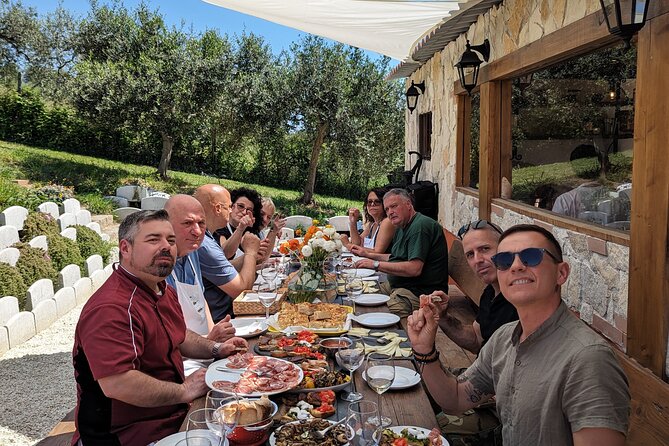
- Vineyard-view kitchen, not a city studio: You taste the countryside while you cook.
- Small group size (max 16): More hands-on time and fewer people getting lost in the shuffle.
- Three Roman favorites, made from scratch: focaccia, pesto, and tiramisù.
- Garden basil pesto: You’re working with fresh basil from the property, not packaged herbs.
- Food + local wine pairing: You actually eat what you made, with wine to match.
Why this Rome countryside cooking class feels different than city-only options
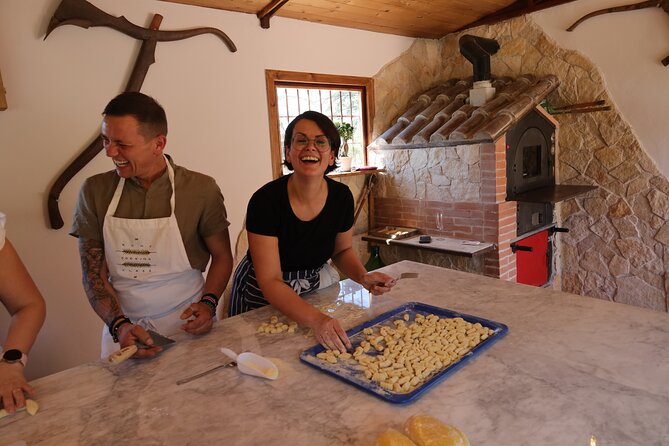
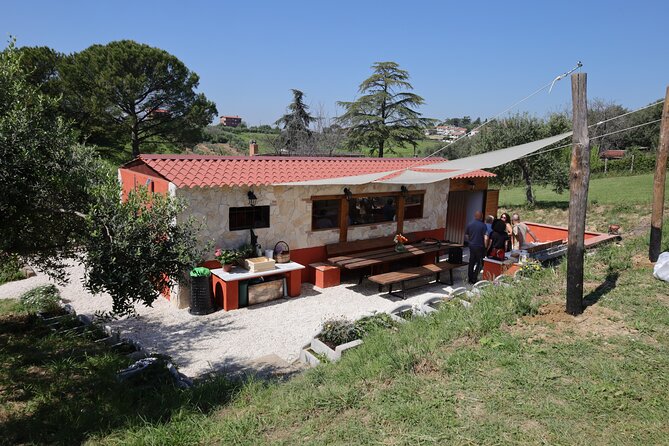
Rome cooking classes in the center can be fun, but they often feel like a classroom with ingredients. This one starts from a different idea: food as part of the local rhythm. You’re cooking in the countryside, surrounded by olive trees, with a kitchen that looks out toward a vineyard. That matters, because it turns “dinner activity” into something that feels like a day trip with purpose.
The menu focus is also smart. Instead of trying to cram in ten dishes, you learn three core items that connect to each other: dough (focaccia), sauce (pesto), and dessert (tiramisu). When you leave, you’re not just saying you ate Italian food. You’ll know what to do the next time you want pesto on bread or tiramisù for guests.
Finally, the class includes drinks and a real sit-down moment. You get a welcome with Prosecco and nibbles, then later your meal comes with carefully selected local wine. In other words: you’re not paying just for instruction. You’re paying for the full experience of eating the results.
You can also read our reviews of more tours and experiences in Rome.
Getting to Via di Santa Lucia in Fonte Nuova without stress
Your meeting point is Via di Santa Lucia, 274, 00013 Fonte Nuova RM, Italy. The start time is 10:30 am, and the activity ends back at the meeting point.
Here’s the practical advice I’d give you: arrive a little early, but don’t wander off and assume everything will happen automatically. The class duration is about 4 hours, so you want a smooth arrival that lets you relax once you’re there. Also, keep your mobile ticket ready. You’ll use a mobile ticket, and having it on your phone saves time when you’re matching with the group.
About pickup: the information you have doesn’t spell out every detail of transport, but a reported problem involving a driver not picking people up at the meeting point shows that timing and communication are the weak spot to watch. If your plan depends on someone meeting you at a specific time, bring charging power and keep your schedule flexible around that 10:30 start.
Prosecco welcome and aprons on: what the 4 hours are really like
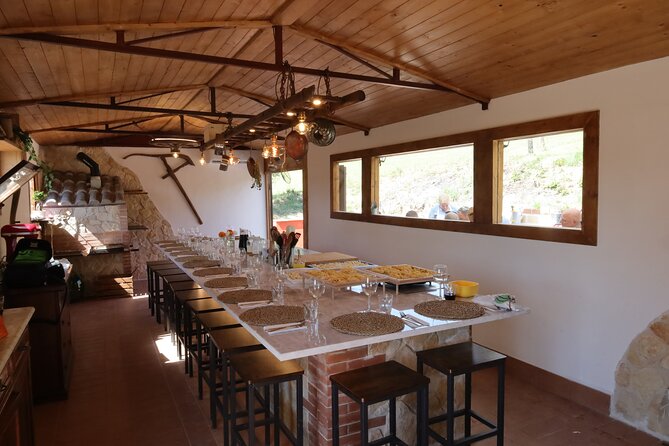
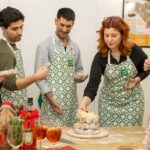
The day begins with a warm welcome, Prosecco, and nibbles. That first part sounds simple, but it sets the tone. In a cooking class, you want people to feel at ease quickly, and this format does that fast: drink in hand, food on the table, then aprons.
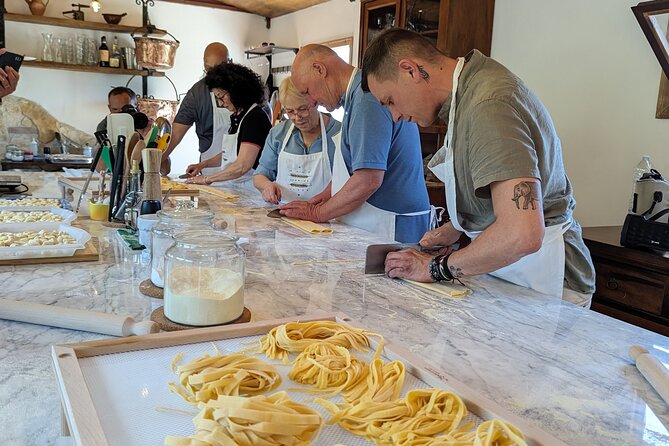
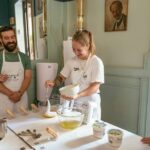
From there, you get the hands-on lesson. You’ll be working with a guide/host in that vineyard-view kitchen, learning while you cook. Expect a lot of “do this, then do that,” plus time to learn the why behind the steps when something matters (like dough texture, basil flavor, or building the dessert layers).
The class also includes starters made with seasonal ingredients from local farmers. That’s a nice bridge between “we cooked” and “we’re about to eat,” because it gives you a sense of what’s currently at its best, not what’s always available year-round.
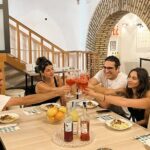
By the end, you sit down to enjoy what you made—focaccia and pesto, plus pasta and tiramisù—paired with local wine. It’s the kind of ending that feels like a meal, not a handout.
Homemade focaccia: the skill that makes the whole class pay off
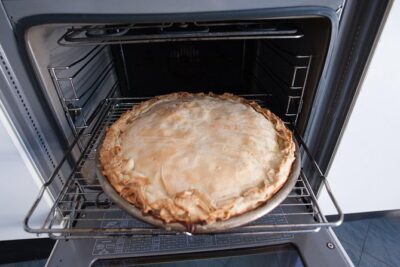
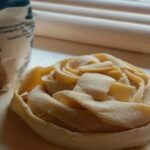
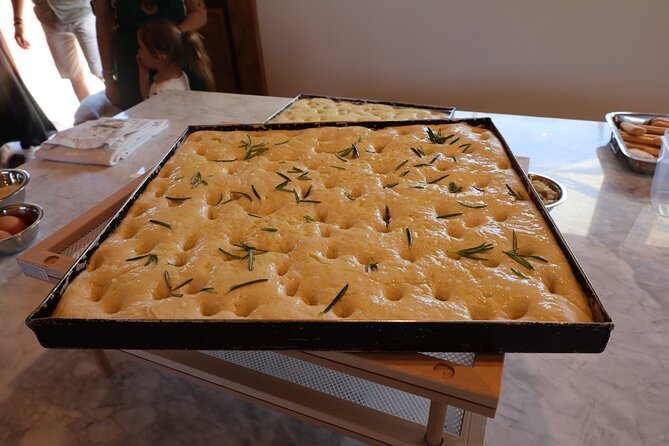
Focaccia is the anchor here, and it’s where the class gives you the most repeatable value. You’ll learn how to master making fresh homemade focaccia, and that means you’re working with the basics that many people struggle with: dough handling, timing, and getting the result right when the oven does its thing.
What you’ll likely appreciate most is that focaccia is forgiving in a way that home cooks understand immediately. You’re not trying to form delicate pasta sheets or make something that needs a very specific tool. You shape dough, let it do its work, then bake. When you get the final loaf, you can taste the difference between dough that was mixed and handled with care versus dough that comes pre-made.
A simple but important point: you’ll connect the dough with everything that follows. Focaccia works as bread, as a base, and as something you can dip into flavors made with pesto. Learning focaccia first makes pesto easier to understand. You’ll know how the two complement each other.
Basil pesto from the garden: making sauce with real flavor
Pesto is where people either accidentally nail it or end up with something flat. The big advantage in this class is that you make pesto using fresh basil from the garden. That detail matters more than it sounds, because fresh basil brings aroma you can’t copy with dried herbs or a jar.
You’ll learn to make traditional pesto, and you’ll taste it in the context of your own cooking. That’s the difference between a quick recipe you read once and a sauce you understand. You see how the ingredients behave together, and you get a sense of balance—how it should smell, how it should taste, and how it should feel on bread.
Pesto also teaches you a useful home-cooking lesson: it’s not only about ingredients. It’s about technique and how you treat the basil so it stays fragrant. After this class, you’ll have a clearer idea of what makes pesto feel alive instead of muted.

Traditional tiramisù: the finishing course you’ll actually want to make again
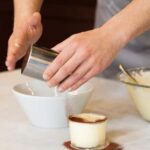
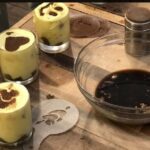
Dessert might be the easiest place to spot a class that’s more hype than skill. Here, you learn traditional tiramisù, and it’s a strong choice for a short class like this because tiramisù is structured. You’re working in steps you can follow, with clear stages.
What I like about this setup is that tiramisù gives you a satisfying close that matches the earlier cooking. Your morning starts with dough, shifts to sauce, and ends with dessert that you can assemble and share. You leave with a complete set of recipes that cover savory bread, a flavor bomb sauce, and a crowd-pleasing dessert.
And because you’re eating it at the end with the rest of the meal, the dessert isn’t just a demo. It’s part of the win.
Starters, pasta, and local wine: eating the day, not just learning it
The sample menu gives you a clear idea of what you’ll eat:
- Focaccia
- Pesto
- Pasta
- Tiramisu
You’ll also have starters made with seasonal ingredients from local farmers. That’s not filler. Starters help you shift gears from cooking mode to eating mode, and seasonal ingredients keep the meal from feeling like generic Italian tourist fare.
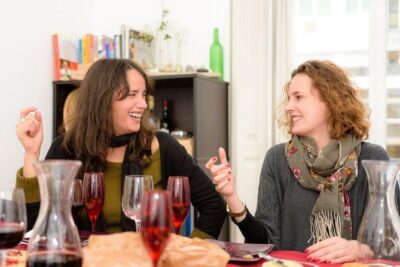
Then there’s the wine. Your meal is paired with carefully selected local wine. I like experiences that treat pairing as part of the meal, not an afterthought. It makes the countryside setting feel more “real,” because the flavors you cooked also get a match from the region.
Small group size (up to 16) and why it changes the experience
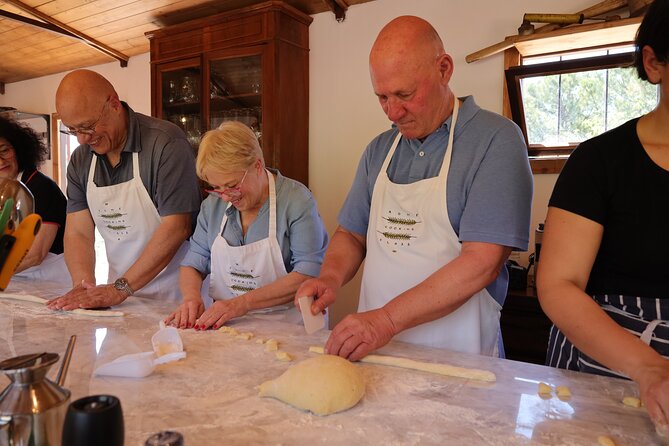
The group is capped at 16 people. In practice, that tends to create a better cooking class rhythm. When you have fewer people, the host can check on your hands, your dough, and your progress without rushing you.
It also means you’re more likely to actually have a conversation instead of standing on the edge of the kitchen trying to see what’s happening. Cooking is physical. Small groups keep the process moving and make it easier to learn by doing.
Price reality check: what $108.26 gets you in a 4-hour class
At $108.26 per person for about 4 hours, you’re paying for more than the recipe cards. You’re paying for:
- hands-on instruction in a countryside kitchen
- ingredients for focaccia, pesto, and tiramisù
- starters made with seasonal local ingredients
- Prosecco at the start
- local wine with your meal
If you compare that to buying ingredients separately, you’ll often notice the money difference is mostly about time and guidance. This kind of class is worth it when you want to learn technique and then eat the results immediately. If you only want a quick snack, this is overkill. If you want a full, structured food day, it looks like good value.
Who should book this class in Rome’s countryside
This class is a great fit if you:
- like hands-on cooking more than watching
- want a Roman meal that’s more grounded than a checklist of attractions
- enjoy learning the basics you can repeat at home (dough, sauce, dessert)
- want a smaller group experience with a countryside setting
If you’re traveling with limited patience for timing and logistics, do plan carefully for arrival since the meeting point start is fixed at 10:30 am and there has been at least one reported issue with pickup.
If you’re only interested in one dish, you might find the full menu feels like “a lot.” But since the class is designed around three connected items, it works best as a full package.
Should you book Focaccia and Pesto Cooking Class in the Roman Countryside?
I think you should book it if your ideal day includes real cooking, a vineyard-view setting, and a meal that feels like a celebration of what you made. The strongest reasons are the focus on classic Roman dishes, the small group size, and the fact that you don’t just taste—you build the whole plate yourself.
The only thing that would make me hesitate is the start-of-day pickup risk hinted by a rare but serious complaint. That’s not enough to scare me off, but it is enough to make me plan: show up early, keep your phone ready, and treat the 10:30 start as a firm anchor.
If you want a memorable Rome food day that goes beyond the usual ticket-and-taxi routine, this one deserves a spot on your list.
FAQ
What dishes will I cook and eat?
You’ll learn to make homemade focaccia, pesto, and traditional tiramisù. Your meal also includes pesto, focaccia, pasta, and tiramisù, plus starters made with seasonal ingredients.
How long is the class?
The experience runs for about 4 hours.
What time does it start?
The start time is 10:30 am.
Where do I meet?
You meet at Via di Santa Lucia, 274, 00013 Fonte Nuova RM, Italy. The experience ends back at the meeting point.
Is it offered in English?
Yes, the class is offered in English.
How big are the groups?
The maximum group size is 16 travelers.
Is there a mobile ticket?
Yes, you’ll have a mobile ticket.
Does weather affect the class?
Yes. The experience requires good weather, and if it’s canceled due to poor weather you’ll be offered a different date or a full refund.
What’s the cancellation window?
You can cancel for free up to 24 hours in advance for a full refund. Confirmation is received within 48 hours of booking, subject to availability.