REVIEW · CHENGDU
Half-Day Private Hot-Pot Cooking Class with a Local Market Visit
Book on Viator →Operated by Chilli Cool China · Bookable on Viator
Spicy, hands-on cooking in Chengdu. This half-day private class mixes a spice market walk with a chef-led double hotpot session so you’re doing more than just watching. I like that you cook both the red (spicy) and white (non-spicy) pot styles, which gives you a built-in comparison right at the table. You’ll also get the kind of clear, practical guidance that helps everything feel doable, even if hotpot is new to you.
Two things I really liked: the market stop for snacks and spice shopping, and the way the chef guides your knife work and plating. The guide Lance from Chilli Cool China sets the tone early, and the instructor keeps explanations practical instead of doing a formal script.
One thing to think about: this experience depends on good weather, so if conditions are poor you may need to reschedule.
In This Review
- Key highlights at a glance
- Chengdu Hot Pot, But You Learn the Red + White Difference
- Meeting Lance and Getting Your Bearings Fast
- The Spice Market Stop: What You’re Really Learning
- Tea Break and Prep Time: Turning Hunger Into Focus
- Cooking Double Pot: Red and White Under One Roof
- Cutting, Decorating, and Plating Like You Mean It
- Dipping Sauces, Beer, and the Moment It All Clicks
- Price and Value: $90 for a Private Chef-Led Half Day
- Logistics That Matter on a Short Day
- Who Should Book This Hot-Pot Class (and Who Might Skip)
- Should You Book It?
- FAQ
- How much does the Chengdu hot-pot cooking class cost?
- How long is the experience?
- Is pickup included?
- Is this a private tour?
- Do you visit a market during the experience?
- What hot-pot styles will I cook?
- Is there a break with tea before cooking?
- Will I eat the hotpot that I cook?
- What are the cancellation rules and weather conditions?
Key highlights at a glance
- Spice market + local snacks before you start cooking
- Red pot and white pot so you can compare flavors in one meal
- Chef-led cutting and plating with decorating tips, not just cooking instructions
- Sichuan tea break to reset before the cooking starts
- Cook, then eat what you make with beers or other beverages
- Private setup with only your group participating
Chengdu Hot Pot, But You Learn the Red + White Difference
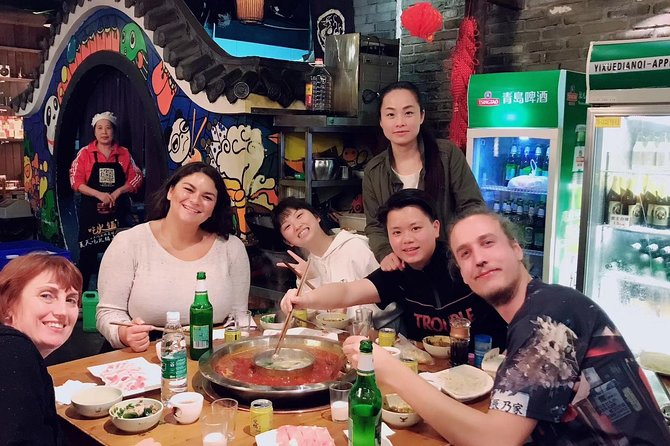
Chengdu hotpot isn’t just spicy food you shovel into your mouth. The fun is in the system: different broths, different dipping sauces, and different ways to cook and serve ingredients so they taste right.
In this class, you work with three styles of Sichuan hotpot flavors: the red pot (chili peppers plus Sichuan peppercorns), the white pot (non-spicy broth), and the double pot setup that includes both. The key for you is that you’ll actually cook both types during the same session, so you’re not guessing later what you liked more. You get to learn the logic of why one broth hits in one way and another broth hits in a different way.
And because you’re cooking rather than just tasting, you’ll start picking up small habits. For example, you’ll understand how preparation choices change how ingredients cook and how the overall meal balances out. That’s a big part of why a class like this feels more useful than a regular dinner.
You can also read our reviews of more tours and experiences in Chengdu.
Meeting Lance and Getting Your Bearings Fast
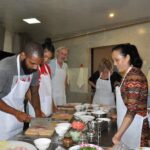
You’ll start with pickup offered, and the experience is designed to run smoothly as a half-day block. You also get a private tour format, so it’s only your group—no mixing with strangers who want to rush the market and skip the cooking details.
In the real-world rhythm of the day, Lance from Chilli Cool China is a big part of why the start feels easy. People mention him as engaging and helpful from the moment pickup happens, and that matches what you should look for in a market-and-cooking format. You need someone who can explain what you’re seeing without turning everything into a lecture.
After you’re done in the spice market, there’s time to reset with a break and Sichuan local tea before cooking begins. That pause matters because hotpot cooking is hands-on and can get intense fast—spices in the market plus chopping and boiling at the stove is a lot for the senses. The tea break gives you a minute to slow down, get organized, and be ready to actually enjoy the cooking stage.
The Spice Market Stop: What You’re Really Learning
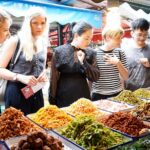
The market portion is a spice market visit where your guide takes you in to explore and sample local snacks. This isn’t just a photo stop. You’re there to see spices and seasonings that make Sichuan flavor work—especially the peppercorn and chili side of the equation.
What I think makes this stop valuable for you is that it turns hotpot flavor into something you can point to. You’ll taste snacks along the way, which helps you connect the aromas you’re seeing with flavors you can recognize later. It’s a quick way to learn the language of the market, even if you’re not a spice expert.
A practical tip: go in with curiosity, not speed. Give yourself permission to slow down at stalls that smell strong and look bright. In hotpot cooking, those are often cues for what will show up in the broths and sauces.
Also, keep in mind this is a morning-to-midday style experience. Market walking plus cooking means you want to wear comfortable shoes and be ready for spice smells on your clothes.
Tea Break and Prep Time: Turning Hunger Into Focus
Once you finish the market, you’ll go to the cooking class location for a break with Sichuan tea. This is one of those simple parts that makes the whole program feel more “together.” You’re not going straight from spice overload into chopping without any buffer.
This is also when you can get your head in the right place: you’re about to cook two different hotpots. That means you’ll need to pay attention to how each part is set up and how ingredients are portioned and arranged.
If you’re prone to rushing when you’re excited, this is your moment to slow down. Take a sip, listen to what your chef instructor plans to teach, and keep your hands ready for the next step—cutting, arranging, and cooking.
Cooking Double Pot: Red and White Under One Roof
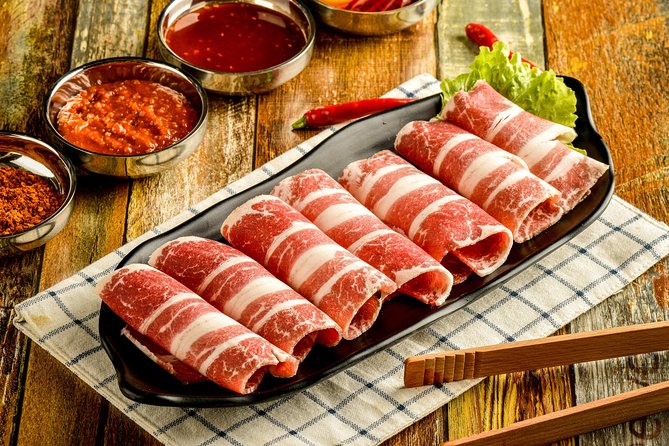
Here’s the core of the class: you’ll cook spicy hotpot (red pot) and non-spicy hotpot (white pot) with guidance from a professional chef. The “double pot” setup means you’re working with two flavor directions at the same time, which is exactly why this format is so useful.
From a value perspective, this is better than a single-broth class. If you only learn one style, you miss the contrast that explains why Sichuan hotpot is such a specific cultural taste. Here, you get to learn the flavor logic while you’re actively cooking.
You’ll also get instruction on how to approach the meal with the right mindset: what to pay attention to as ingredients go in, how to keep things organized at your station, and how to manage the intensity of the spicy side.
One thing I’d watch for when you’re cooking: the spicy side can affect your pace. If you take tiny bites and keep your timing calm, you’ll enjoy the heat instead of getting overwhelmed by it.
People highlight that explanations are clear and not delivered like a memorized speech. That’s a good sign for you because when you understand what you’re doing, you can repeat it later—at least in the basic method if not the exact spice blend.
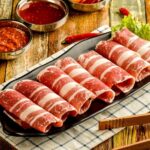
Cutting, Decorating, and Plating Like You Mean It
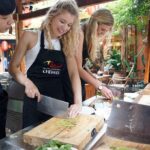
The class doesn’t stop at boiling broth. You’ll learn to cut dishes and set them with decorations, guided by a professional chef. This is where the experience becomes more than cooking—it becomes presentation and technique.
Knife work and plating might sound small compared to the spicy broth, but they’re actually huge in hotpot. In many hotpot meals, you eat with your eyes first. Neat cuts and thoughtful arrangement can make cooking faster and help everyone share in a smoother flow.
It also helps you avoid the common beginner mistake: dumping everything in without structure. When you learn to prepare and arrange, you start cooking in an order that makes sense and keeps the table from turning into chaos.
If you care about taking something home from a food class—this is your piece. You’re not just learning the flavors. You’re learning how to make the whole experience feel intentional.
Dipping Sauces, Beer, and the Moment It All Clicks
Once your cooking is underway, you’ll enjoy the hotpot you cooked yourself. The program includes beers or other beverages, which is a very sensible match for hotpot. Hotpot has heat, salt, richness, and lots of steam. Something cold and fizzy helps reset your palate.
A big part of why this feels satisfying is that you eat at the end with context. You’re tasting sauces and broth combinations while remembering how you prepared each pot and each dish. That makes the meal feel educational, not just filling.
You might also hear about learning traditional broths and dipping sauces during the session. Even if your own skills start at beginner level, you’ll pick up which flavors work together and which are too intense if you overdo the spicy pot first.
Practical advice: start with smaller portions from each pot so you can compare in real time. If you go heavy on the spicy side too early, the non-spicy broth can taste bland even when it’s actually balanced.
Price and Value: $90 for a Private Chef-Led Half Day
Let’s talk money in plain terms. At $90 per person for about 4 hours 30 minutes, this isn’t a bargain snack. It’s closer to a structured cooking lesson with a guide plus a market component.
So what makes it worth it?
- Private format: your group only, so you’re paying for attention and pacing that fits your day.
- Two-broth cooking: red pot and white pot under instruction means more skill than a single-style class.
- Chef-led cutting and plating: you’re learning the method, not just eating.
- Market + snacks + tea + meal: you’re getting multiple “stops” wrapped into one time block.
If you like food experiences where you come away able to do something afterward, the price starts to look reasonable. If you only want an easy dinner and zero effort, you could find cheaper ways to eat hotpot in Chengdu. But you wouldn’t learn the double-pot method or the cutting and decorating skills that make the meal feel personal.
Another value clue: it’s often booked around 10 days in advance on average. That suggests the schedule and capacity fill up, especially for private groups.
Logistics That Matter on a Short Day
This is a half-day private experience and pickup is offered, which reduces friction in a city where navigating on your own can add stress. It’s also near public transportation, so if you’re not taking pickup or your route plan changes, you’re not totally stuck.
You’ll get a mobile ticket, and confirmation is received at booking time. Those small things matter because they reduce last-minute worry.
Timing-wise, plan for a compact morning or daytime flow: market walking, then tea, then cooking, then eating. Bring an appetite, and don’t schedule another major activity right after. Hotpot leaves you full, and you’ll want time to decompress.
Weather matters too. The experience requires good weather, and if it’s canceled due to poor conditions you’ll be offered a different date or a full refund.
Who Should Book This Hot-Pot Class (and Who Might Skip)
This class is a great fit if you want:
- A hands-on cooking lesson with real guidance
- A market component where you taste and learn instead of only shopping
- A way to understand Sichuan hotpot’s red vs white flavors
- An experience that ends with you eating what you cooked, not just watching
You might skip if:
- You hate spice and don’t want to be near chili and Sichuan peppercorn aromas for long
- You’re only looking for casual hotpot without instruction or chopping
- You need a very hands-off experience with zero prep work
If you fall in the middle—curious but not confident in your cooking skills—this is exactly the sweet spot. The chef and guide format is designed to keep you moving step-by-step.
Should You Book It?
Book it if you like food learning with a clear payoff: you’ll walk through the spice market, cook red and white hotpot with a chef, and finish by eating the meal you made with beers or other beverages. The private setup and the presence of Lance from Chilli Cool China make the start smoother, and the instructor’s clear, non-scripted explanations help the skills stick.
Don’t book it if you only want a cheap dinner or you dislike spice exposure in the lead-up. Also think about weather—this one really does depend on good conditions.
If you want a memorable Chengdu food experience that teaches you something you can repeat, this is the kind of class that earns its cost.
FAQ
How much does the Chengdu hot-pot cooking class cost?
It costs $90.00 per person.
How long is the experience?
It lasts about 4 hours 30 minutes.
Is pickup included?
Pickup is offered.
Is this a private tour?
Yes, it’s a private activity with only your group participating.
Do you visit a market during the experience?
Yes. You’ll visit a spice market and enjoy local snacks.
What hot-pot styles will I cook?
You’ll cook both the spicy hotpot (red pot) and the non-spicy hotpot (white pot).
Is there a break with tea before cooking?
Yes. After the spice market, you’ll have a break with Sichuan local tea before you start cooking.
Will I eat the hotpot that I cook?
Yes. You’ll enjoy the hotpot you cooked, with beers or other beverages.
What are the cancellation rules and weather conditions?
The experience requires good weather. If it’s canceled due to poor weather, you’ll be offered a different date or a full refund. You can cancel up to 24 hours in advance for a full refund; within 24 hours there’s no refund.