REVIEW · ROME
Pizza Cooking Class in Rome – Near Piazza Navona
Book on Viator →Operated by Eatalian Cooks · Bookable on Viator
Your hands make dinner in Rome. This small-group pizza workshop near Piazza Navona teaches classic Roman techniques, from sauce to toppings, then you eat your own pie in Osteria Pasquino with drinks. I love that it’s truly hands-on, with instructors guiding you step by step, and I love that the class turns into a real Italian meal with prosecco, bruschetta, and either limoncello or coffee. One possible drawback: this is an intro class, not an advanced, pro-level culinary course.
You’ll be working in English and capped at 10 people, which keeps things friendly and makes it easier to ask questions. If you’re sensitive to gluten or lactose, plan ahead—gluten intolerance isn’t recommended, and cheese needs special care for lactose intolerance.
In This Review
- Quick hits you’ll actually use
- Pizza in Rome, but taught like a hands-on workshop
- Where the experience starts: Piazza Navona and Osteria Pasquino
- What each stop is good for (and what to expect)
- The 2-hour flow: dough, roll, top, and bake
- The part after the oven: prosecco, bruschetta, wine or beer, limoncello or coffee
- Instructors and teaching style: small-group guidance you can follow
- What you actually learn about Roman pizza (so you can repeat it later)
- Diet notes: gluten and lactose are the big ones
- Price and value: what $67.72 buys in real Rome time
- Who should book this pizza class near Piazza Navona
- Should you book it or skip it?
- FAQ
- Is the pizza class in English?
- How long does the class last?
- Where do I meet for the class?
- How big is the group?
- What food and drinks are included?
- Is the welcome drink included?
- Can I join if I have gluten intolerance?
- What should I do if I have lactose intolerance?
- Do I get to eat the pizza I make?
- Can I cancel and get a refund?
Quick hits you’ll actually use
- Hands-on Roman pizza basics: dough prep, rolling, and topping in a short, guided session
- A real meal after baking: prosecco up front, then water plus wine/beer/soda with bruschetta
- Wood-fired outcome: your pizza gets baked in a wood-fired oven
- Small-group vibe (max 10): more time with the instructor and less waiting around
- Beginner-friendly, family-friendly structure: lots of adults and kids can keep up
- Not for gluten intolerance: and lactose needs extra caution with cheese
Pizza in Rome, but taught like a hands-on workshop
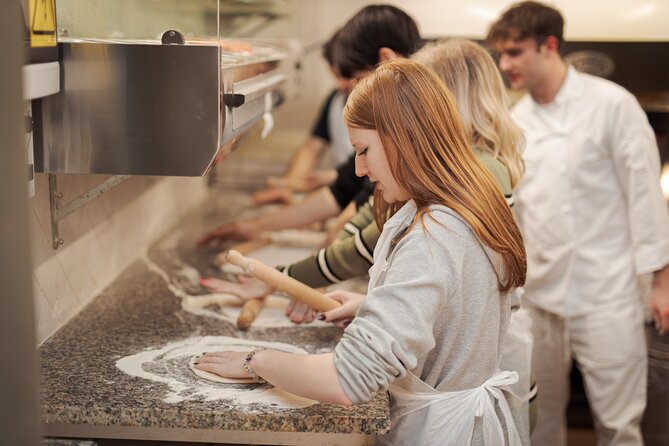
This class is a good match for Rome travel style: you get a break from lines and museums, and you do something real with your hands. You’re not just watching someone else cook. You’re making a pizza, then eating it soon after—warm, messy, and satisfying in the best possible way.
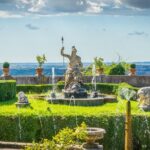
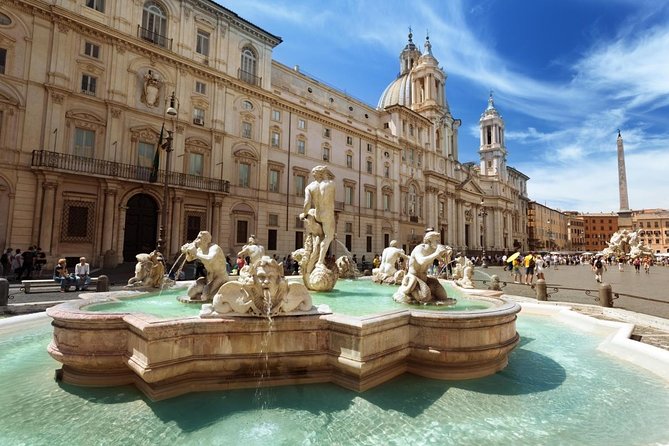
The location helps too. Piazza Navona sits right in the historic center, and the whole experience is built around getting you settled quickly into the rhythm of old Rome—squares, stone streets, and the smell of food that never really stops.
You can also read our reviews of more tours and experiences in Rome.
Where the experience starts: Piazza Navona and Osteria Pasquino
Your tour centers on a meeting point at Osteria Pasquino, on Piazza di Pasquino 1. That puts you close to the action, but in a way that still feels human-sized. You’re in a lively area, with easy connections to public transport.
From there, the experience moves through a short Rome route with stops at major landmarks and squares, starting with Piazza Navona. You’ll also make stops that include Pantheon, Vatican City, Trevi Fountain, Piazza Venezia, Campo de’ Fiori, and Castel Sant’Angelo.
A key practical point: this route is part of a 2-hour activity. That means you should think photo stops and quick orientation, not long museum visits or in-depth tours.
What each stop is good for (and what to expect)
- Piazza Navona: great people-watching space, and a classic Rome square to anchor the start of your evening
- Pantheon: you get the wow-factor of that huge dome from the outside area and the feel of the surrounding streets
- Vatican City: you’re mainly getting the direction and atmosphere, not a deep timed visit within the walls
- Trevi Fountain: expect crowds and constant motion, so keep your phone ready but don’t plan on lingering forever
- Piazza Venezia: a big open square that helps you orient across central Rome
- Campo de’ Fiori: a lively square vibe—more everyday Rome energy than postcard-quiet
- Castel Sant’Angelo: a strong visual finish as you look toward the river area and fortress silhouette
If you’re heat-sensitive or you hate standing around in crowds, go into this with a flexible mindset. Rome landmarks can be busy, and the time is limited by design.
The 2-hour flow: dough, roll, top, and bake
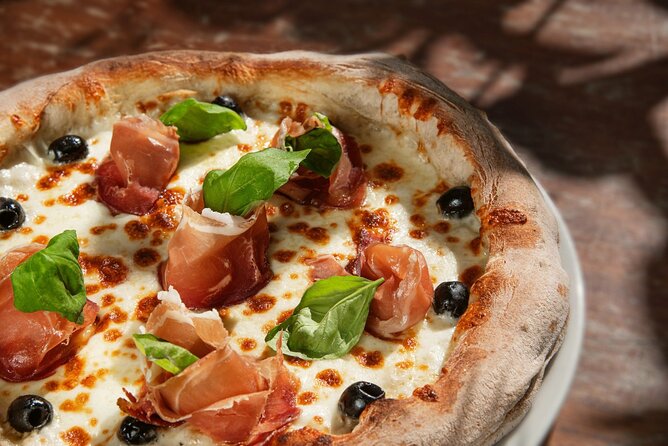
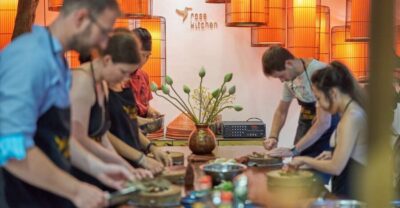
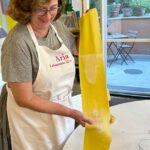
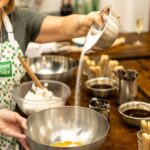
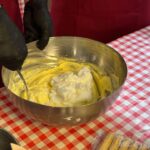
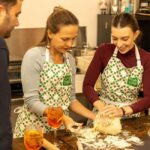
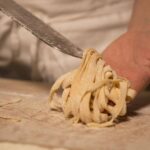
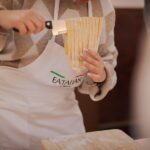
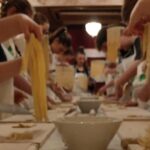
The class itself is the heart of the experience, and it’s built to move fast. You’ll learn the basics of traditional Roman pizza, including how to handle dough, how to roll it out, and how to build toppings properly.
Most sessions follow this rhythm:
1) quick setup and dough work
2) rolling your base
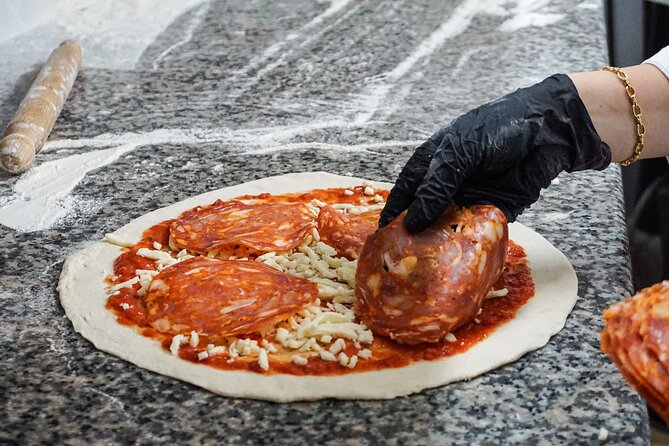
3) topping it with classic-style ingredients
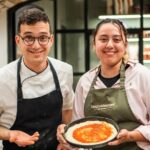
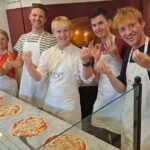
4) getting your pizza cooked in a wood-fired oven
You’ll also hear practical guidance on the sauce and topping choices. Roman pizza has its own logic—keep it balanced and don’t overload it. That matters because the oven time is short and the goal is a great result without turning this into a day-long project.
Here’s something I really like: the instruction style is hands-on and interactive. Instructors often show you what to do, then watch closely while you do it. People I’ve met on similar Roman food experiences know this is the difference between a fun activity and a frustrating one.
Also, note the class length is short enough that you won’t walk out with a full home-pizza course. The upside is you’ll still get a real “I made that” moment, not a lecture.
The part after the oven: prosecco, bruschetta, wine or beer, limoncello or coffee
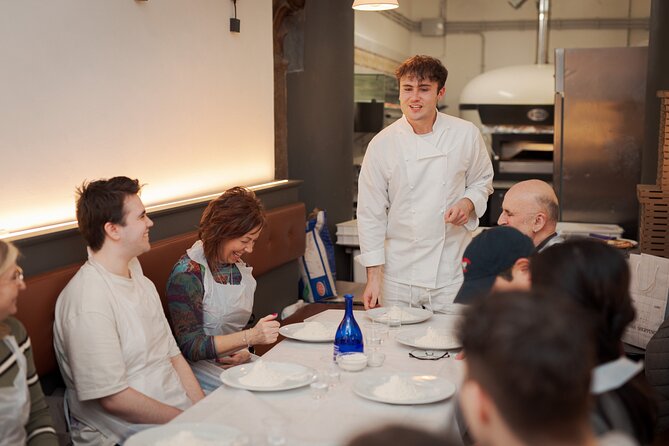
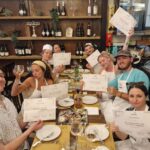
This is where the value story comes alive. The activity doesn’t stop at the baking station. After your pizza is ready, you sit down in the osteria and get served.
Included details you can count on:
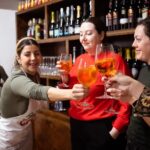
- complimentary prosecco at the start
- water plus a drink choice like wine, beer, or soda during/with your meal
- appetizers like bruschetta
- after the pizza, limoncello or coffee
This matters because you’re not paying just for dough training. You’re paying for a full Rome food moment that continues past cooking.
A small but meaningful bonus: the dinner pacing helps you relax. Once your pizza is done, you shift from hands-on work to actual dining. That’s a welcome change if your Rome day is already packed with walking.
Instructors and teaching style: small-group guidance you can follow
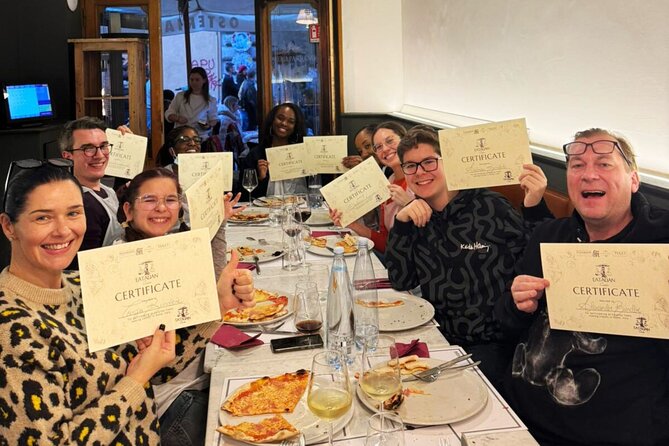
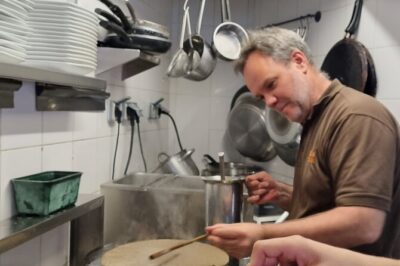
The teaching team is made up of chefs and instructors. In different sessions, you might be guided by instructors such as Cleo, Sara, Elisa, Luca, Georgia, Simone, Anastasia, Paloma, or Alessandra. The names matter less than the method: they focus on clear steps and quick feedback so you can correct the pizza work before it becomes a loss.
It’s also a good sign that the atmosphere tends to stay upbeat. Instructors are often described as funny, friendly, and engaging—exactly what you want when you’re learning something messy and new.
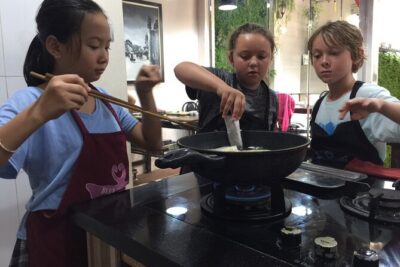
If you’re bringing kids, the structure usually works well. It’s hands-on, not high-stakes. That said, expect a little mess. Flour on sleeves is part of the deal, and the goal is fun plus a tasty outcome.
What you actually learn about Roman pizza (so you can repeat it later)
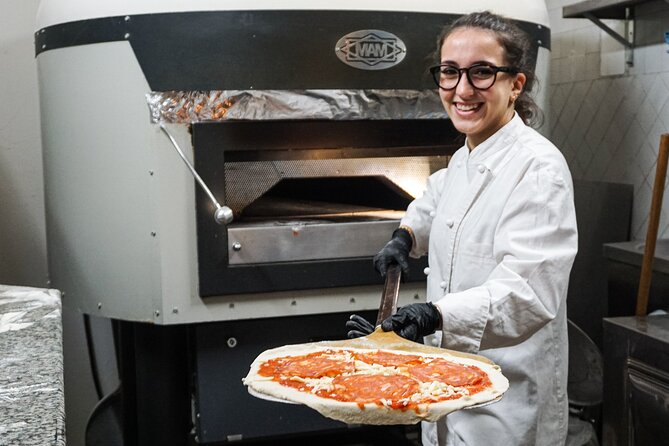
You won’t leave with a binder of advanced techniques, but you’ll pick up the big practical ideas that make pizza better at home.
From the way the class is taught, you can expect to learn:
- how dough should feel and how to handle it without overworking it
- how rolling affects thickness and how that changes the bake
- how to build toppings with restraint (Roman style tends to be simpler)
- how sauce-topping balance affects the final bite
The best benefit is mental. You start thinking like a pizza maker, not like a diner. That’s why even people who already cook at home often enjoy this kind of session: it gives you a Roman-specific angle you can copy next time.
Diet notes: gluten and lactose are the big ones
This class has clear guidance for dietary limitations.
- Gluten intolerance: it is not recommended.
- Lactose intolerance: you should keep cheese away from the pizza.
That second note is practical. If you can handle small amounts but want to control it, you’ll have a way to do that during topping.
If you have allergies beyond these categories, you’ll want to check specifics directly with the restaurant team when you arrive. The class is run inside an osteria kitchen environment, so ingredient details are something you should confirm rather than guess.
Price and value: what $67.72 buys in real Rome time
At $67.72 per person for about 2 hours, the price only makes sense if you treat it like a combined cooking class plus dinner. And that’s exactly how it’s structured.
You’re getting:
- hands-on pizza making in a small group (up to 10 people)
- prosecco at the start
- water and a drink choice like wine/beer/soda
- bruschetta appetizers
- your own freshly made pizza
- limoncello or coffee afterward
In Rome, that bundled meal-with-activity format is often the difference between feeling like you paid for food and feeling like you paid for an experience. Here, you get both.
Who should book this pizza class near Piazza Navona
This works best if you want:
- a break from sightseeing that still feels authentically Roman
- a fun evening plan in the historic center
- a beginner-friendly way to learn pizza basics
- a small-group setting where you can ask questions
It might not fit if you want:
- an advanced course focused on pizza science and long fermentation
- a silent, museum-style experience (this is interactive and lively)
- a strictly sedentary activity (you’ll do some walking through landmark stops and hands-on cooking)
Also consider warm weather. Rome can get hot, and cooking spaces can feel warm depending on the day and room setup. If you’re sensitive to heat, bring water habits and plan for a sweat-friendly evening.
Should you book it or skip it?
If your ideal Rome evening is hands-on food, a short guided route through famous sights, and then a real sit-down meal, I’d book this. The strongest reasons are the combo: you make the pizza and then you eat it with drinks and appetizers in a proper osteria setting.
Skip it only if you’re chasing expert-level pizza craft instruction. This is a guided intro, not a top-tier culinary boot camp. If you go in expecting a fun, beginner-friendly workshop that ends with a wood-fired pizza dinner, you’re likely to leave happy—and with a pizza-making habit you can repeat back home.
FAQ
Is the pizza class in English?
Yes. The experience is offered in English.
How long does the class last?
The duration is about 2 hours (approx.).
Where do I meet for the class?
You meet at Osteria Pasquino, Piazza di Pasquino 1, 00186 Roma RM, Italy.
How big is the group?
The experience is capped at a maximum of 10 travelers (people).
What food and drinks are included?
You get a complimentary prosecco, then water plus a drink choice such as wine/beer/soda. You also get appetizers like bruschetta, your own pizza, and finishing drinks like limoncello or coffee.
Is the welcome drink included?
Yes, the booking includes a complimentary prosecco at the start.
Can I join if I have gluten intolerance?
No, it is not recommended for those with gluten intolerance.
What should I do if I have lactose intolerance?
The guidance is to keep the cheese away from the pizza if you have lactose intolerance.
Do I get to eat the pizza I make?
Yes. You’ll make your pizza and then eat it as part of the meal afterward.
Can I cancel and get a refund?
Yes. You can cancel up to 24 hours in advance for a full refund.