REVIEW · HOI AN
Hoi An: Bay Mau Cooking Class Only and Making Pho
Book on GetYourGuide →Operated by Sky Travel · Bookable on GetYourGuide
Rice tools and noodle secrets in 3 hours. This Bay Mau class is a fast, hands-on way to learn how Vietnamese cooking starts at the ingredient level, not just the recipe card. I like the small group size (under 10) because you actually get help while you cook, and I love the traditional rice tools experience, from pounding and separating rice to grinding for rice milk and rice paper. One thing to consider: it is not suitable for wheelchair users, so check your mobility needs before you book.
You’ll meet up near the Big Dragon Bridge area and then get whisked to the coconut village kitchen, where a local chef and English-speaking guide walk you through making four classic dishes. It’s the kind of class where you learn the steps in the right order, from prep work to cooking, and then you sit down and eat what you made.
The potential drawback is simple: with only 3 hours, the focus is on practical cooking skills and a few signature dishes, not an extended tour of markets or extra stops.
In This Review
- Key things to know before you go
- Getting to Bay Mau: Coconut Village starts the lesson
- The heart of the class: pounding, separating, and grinding rice
- The cooking lineup: four dishes that cover Vietnam’s range
- Southern-style Bun Bo Nam Bo
- Hanoi-style Pho Bo Ha Noi (rice noodle soup)
- Banh Xeo Vietnamese sizzling crepes
- Goi Cuon Vietnamese salad rolls
- Lunch or dinner: you eat what you cook
- Value check: is $26 fair for a 3-hour class?
- Who this class fits best (and who should think twice)
- Tips to get the most out of the coconut village kitchen
- Should you book the Bay Mau cooking class?
- FAQ
- FAQ
- How long is the Hoi An Bay Mau cooking class?
- How much does it cost per person?
- Where do I meet for the class?
- Is this class a small group?
- What dishes will I cook?
- Is there a vegetarian option?
- What’s included in the price?
- Is hotel pickup or drop-off included?
- Is a market trip or basket boat trip included?
- Do I get recipes to take home?
- Is it wheelchair accessible and are pets allowed?
Key things to know before you go
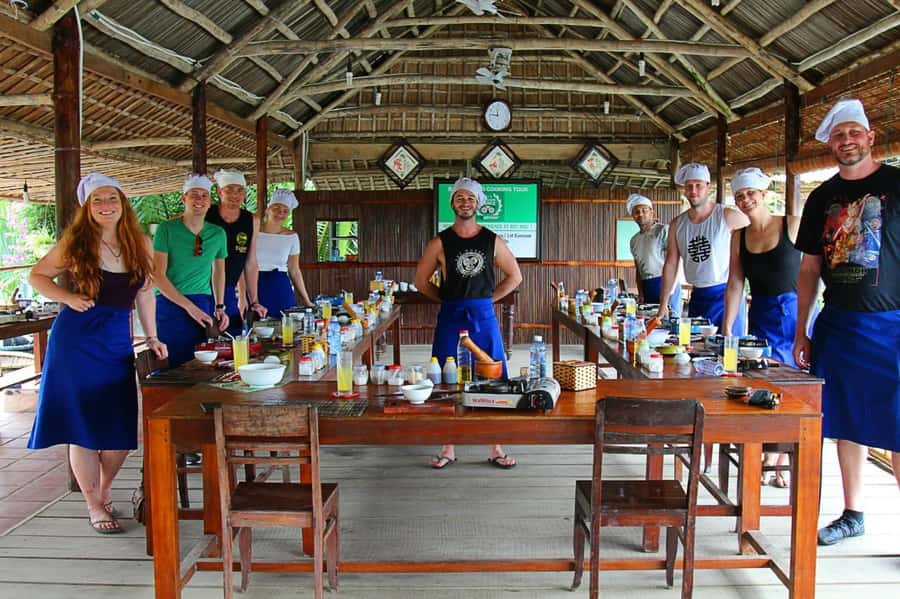
- Small group of up to 10 keeps the pace friendly and the instruction personal
- Pounding, grinding, and rice paper work makes the cooking feel real, not scripted
- Four dishes cover Southern and Northern Vietnamese flavors in one session
- English-speaking local chef support helps you follow each step without guessing
- Recipes and souvenirs come with you, so the class doesn’t end when you leave the kitchen
- Unlimited mineral water and juices keep you hydrated while you cook
Getting to Bay Mau: Coconut Village starts the lesson
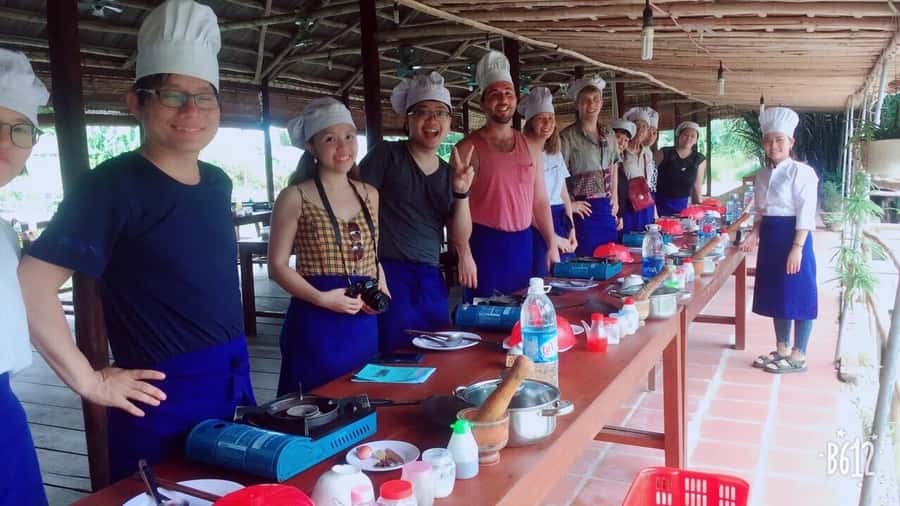
Your day begins at a clear, easy-to-find spot: in front of Ba Tran Cooking Class, right by the Big Dragon Bridge. From there, your chef and guide meet you and move you to the Bay Mau Cooking Class inside the coconut village. Even if you’re new to Hoi An, this setup helps you avoid the common chaos of hunting for an activity on your own.
Why I think this matters: in cooking classes, timing is everything. You want to arrive, get settled, and start working with the food while it is at its best. By routing you from the bridge area to the coconut village kitchen, the experience keeps the day tight and efficient.
If you want smoother directions, have a WhatsApp number ready. The activity notes that they use it to send directions to the meeting point, which is especially helpful if you’re walking around with map apps and spotty signals.
You can also read our reviews of more tours and experiences in Hoi An.

The heart of the class: pounding, separating, and grinding rice
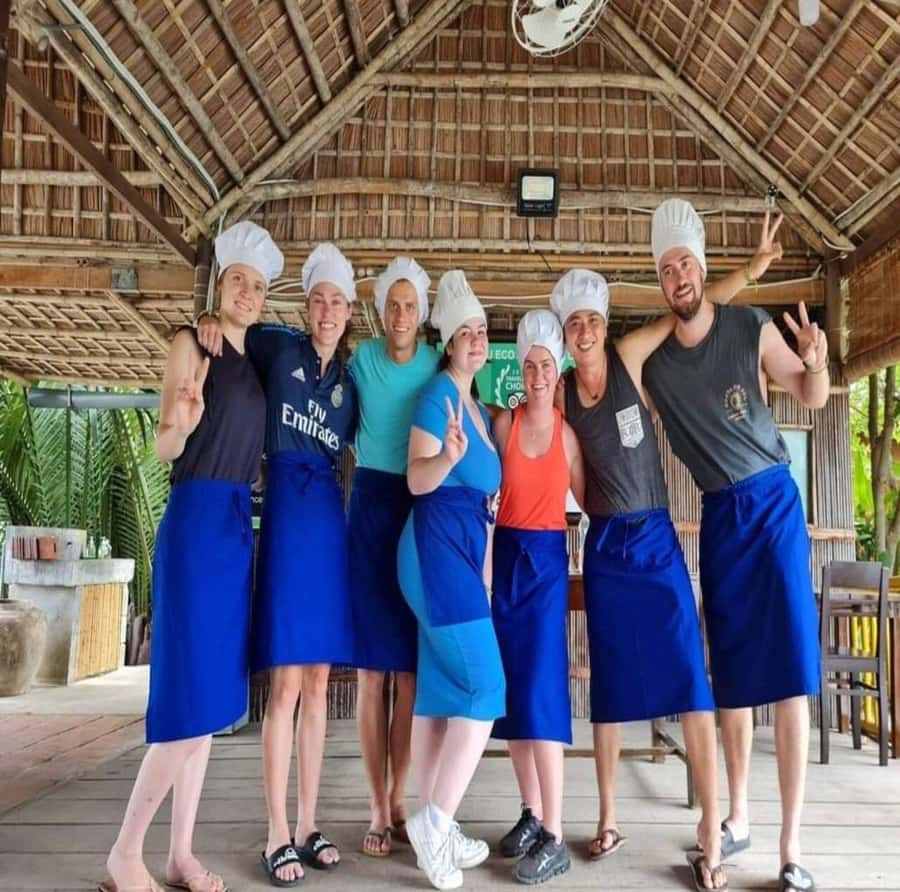
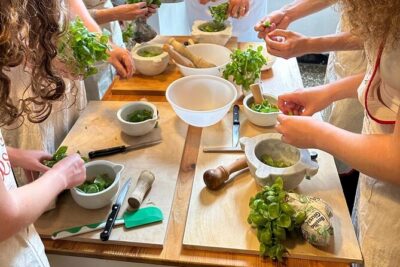
This is the part that makes the class feel different from the usual hand-you-a-menu cooking tour. Before you even start cooking dishes, you get to work with traditional tools: a stone mortar and grinder and a wooden pestle. You’ll learn how to pound and separate rice, then grind rice to make rice milk, and finally make rice paper.
You’re not just watching. You’re doing the motions, feeling the texture changes, and learning what matters in each step. That kind of hands-on practice turns Vietnamese cooking from something you order into something you can reproduce at home.
What you’ll likely notice while you work:
- The texture of rice changes in stages, so timing and pressure matter.
- Rice milk is not just a name on a menu. Making it helps you understand why some dishes have that gentle, milder backbone.
- Rice paper becomes more understandable once you’ve seen how it’s made, so later steps feel less mysterious.
Also, there’s a cultural side here that’s practical, not just decorative. Those tools are how local cooks do real work day after day. When you handle them for yourself, you get a better sense of the effort behind everyday Vietnamese food.
The cooking lineup: four dishes that cover Vietnam’s range
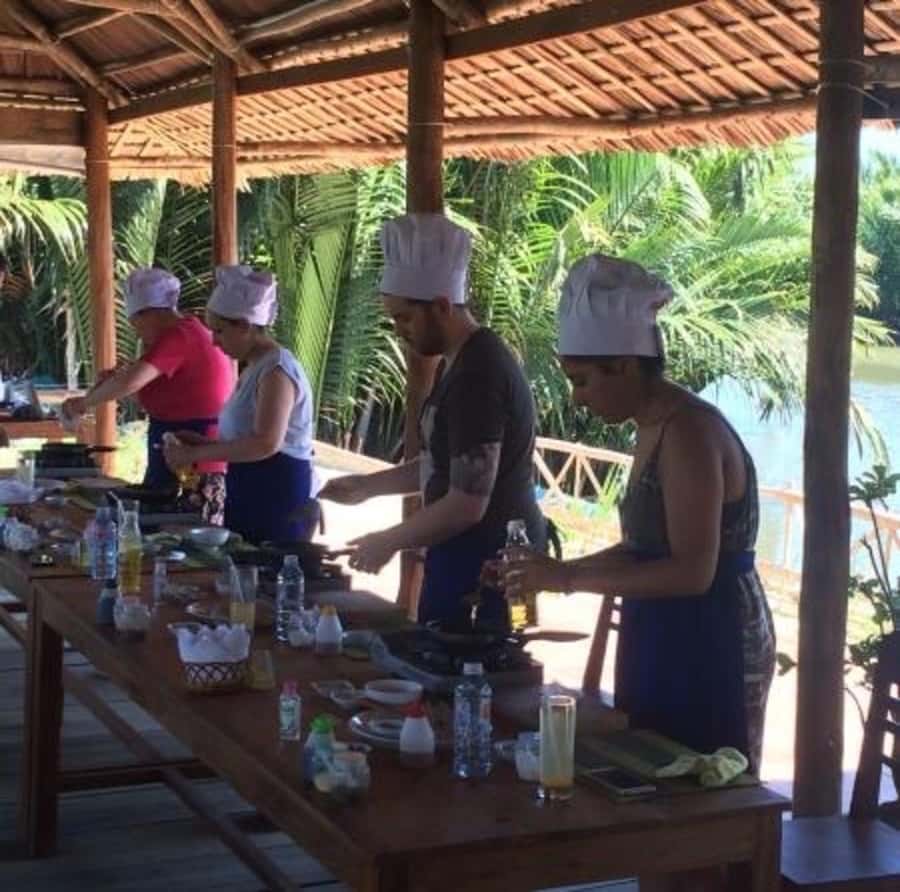
After the rice tools, the class shifts into the main cook-and-eat part. You’ll cook four local dishes under the guidance of the English-speaking local chef.
Southern-style Bun Bo Nam Bo
First up is Southern-style Beef Vermicelli (Bun Bo Nam Bo). This dish helps you understand how the South builds flavor around hearty beef and a comfortable, noodle-friendly format. You’ll get practice with the kind of cooking flow Vietnamese meals use: prep, cook, assemble, then taste while it’s fresh.
If you like food that feels satisfying without being overly complicated, this is a great anchor dish.
Hanoi-style Pho Bo Ha Noi (rice noodle soup)
Then you tackle Hanoi-style Rice Noodle Soup with Beef (Pho Bo Ha Noi). Pho is the global star, but what makes this class valuable is the way it ties back to earlier steps. You’ll understand how rice processing connects to the final comfort bowl.
Practical tip for your own prep at home: once you’ve seen rice components made in class, you’ll be more confident cooking with the right substitutes and focusing on broth balance and timing, not just chasing exact brand names.
Banh Xeo Vietnamese sizzling crepes
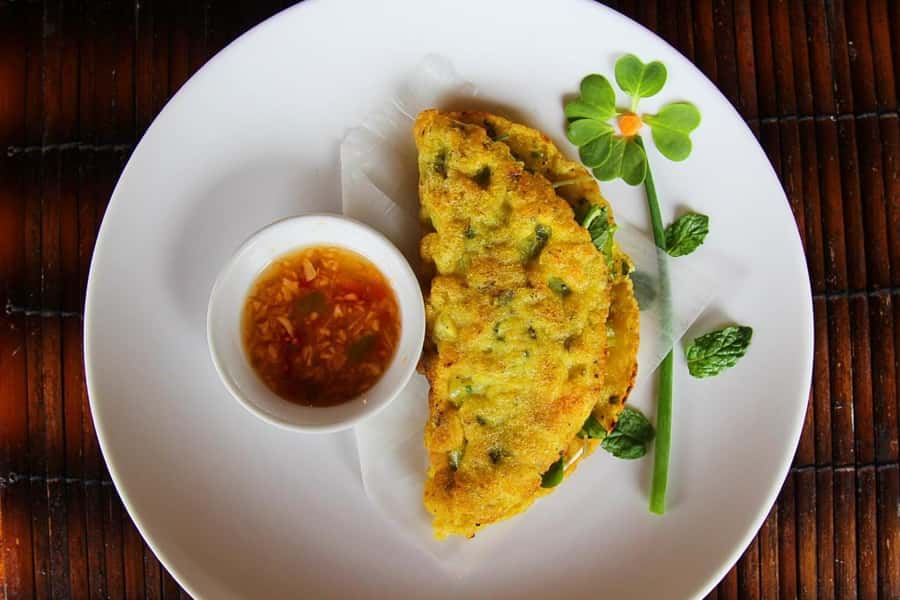
Next is Sizzling Vietnamese Crepes (Banh Xeo). These crepes are all about heat and timing. In a class setting like this, you learn how the batter behaves and how to watch the pan rather than staring at a recipe like it’s a science experiment.
This is often where people have the most fun because you can see the results quickly. If you’ve ever been intimidated by pan cooking, this is a good training ground.
Goi Cuon Vietnamese salad rolls
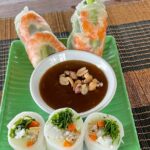
Finally, you make Vietnamese Salad Rolls (Goi Cuon). Salad rolls are a different skill set from soup and crepes. You focus on assembly and balance—filling choices, wrapping, and keeping the roll structure intact.
The payoff is that these rolls give you a fresh counterpoint to the richer dishes. They’re also a nice example of how Vietnamese meals often mix textures instead of leaning only on one kind of chew or crunch.
Lunch or dinner: you eat what you cook
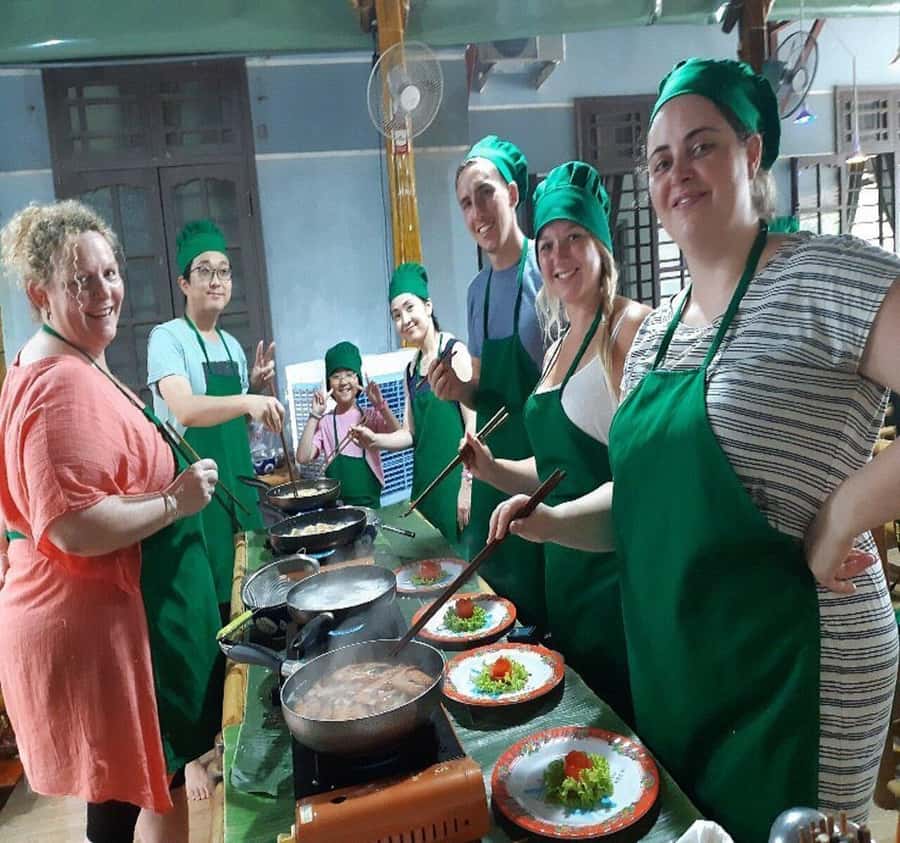
Once the cooking wraps up, you enjoy a traditional lunch or dinner based on what the class schedule offers. This is one of my favorite parts of short classes: you don’t leave hungry, and you can immediately judge what you made while it’s hot and at its peak.
You’ll also get unlimited mineral water and juices, which is a thoughtful inclusion. In a kitchen where you’re working with heat and repetitive steps, hydration matters more than people expect.
One practical mindset shift: instead of waiting until the end to taste, try a small taste while you’re assembling each dish. That helps you spot seasoning and texture issues early, and your final plate improves because you corrected in the moment.
Value check: is $26 fair for a 3-hour class?
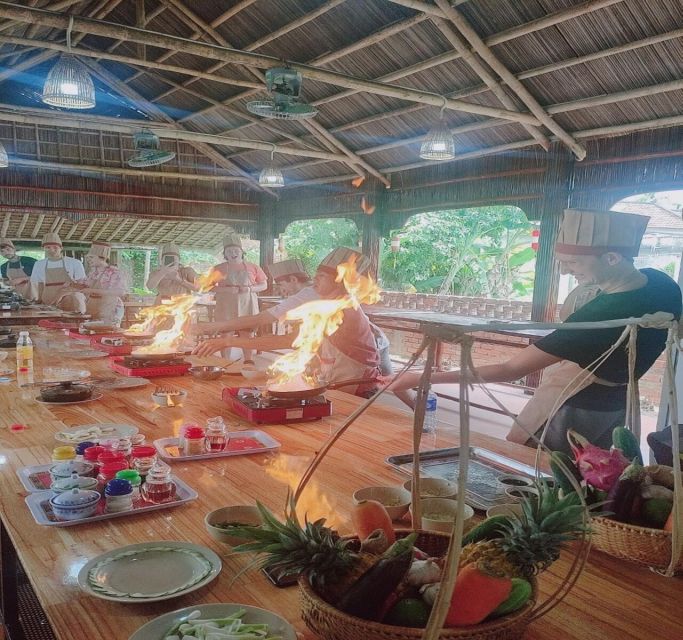
At $26 per person for a 3-hour experience, this class looks like strong value if your goal is to learn practical Vietnamese cooking in Hoi An without burning a full day.
Here’s why it feels worth the money:
- You’re not only cooking. You’re also doing rice tools work that most food experiences skip.
- Four dishes is a lot for a 3-hour window, and you end up eating them.
- Your package includes ingredients, a coconut village ticket, and unlimited mineral water and juices.
- You get local souvenirs plus recipes to take home, so you get carryover beyond the meal.
It is also a small-group setup limited to 10 participants, which tends to make the instruction more effective. In bigger classes, you might feel like a spectator. Here, you have a better shot at actually doing the steps.
One consideration: this price doesn’t include hotel pickup/drop-off in the Hoi An area. If you’re far from the bridge zone, factor in the cost and time to get to the meeting point.
Who this class fits best (and who should think twice)
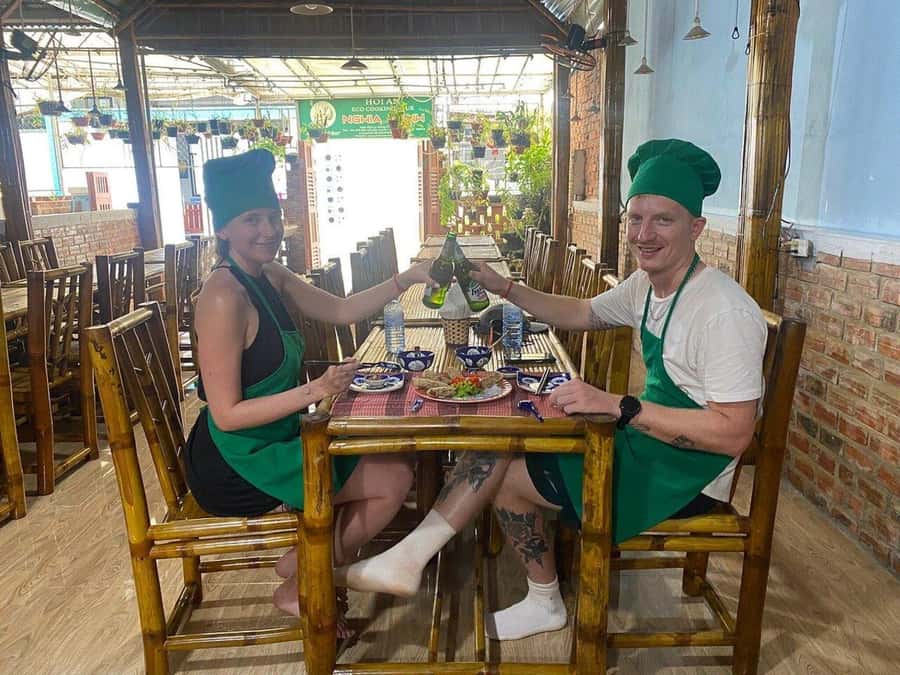
This is a great match if you want:
- A short Hoi An food experience that still feels hands-on
- A cooking class with real process learning (pounding, grinding, rice paper), not only mixing and plating
- English-friendly guidance from a local chef / English-speaking tour guide
- A chance to make both pho and other classics like banh xeo and goi cuon
It may be less ideal if:
- You need wheelchair accessibility (the activity notes it is not suitable for wheelchair users)
- You expect a long market tour or extra side trips (the experience is focused on cooking, not extended sightseeing)
- You want hotel pickup as part of the deal
Tips to get the most out of the coconut village kitchen
A few small moves can make a big difference in how much you remember—and how good your final dishes are.
- Wear clothes you don’t mind getting a little messy. You’re working with rice and cooking steps.
- Listen closely during the rice prep steps. The earlier texture work affects later results.
- If you want the vegetarian version, request it in advance. The activity states vegetarian options are available upon request.
- Use the included recipes after the class while the steps are still fresh. They’re given at the end, and they’re meant to help you recreate what you made.
And if you’re curious about the people behind the class: one instructor mentioned in past sessions is Kieunguyen, known for walking students through rice dough and related steps like rice noodles and rice milk. Even if your chef differs, the teaching style is clearly focused on doing the work with you, then letting you eat immediately after.
Should you book the Bay Mau cooking class?
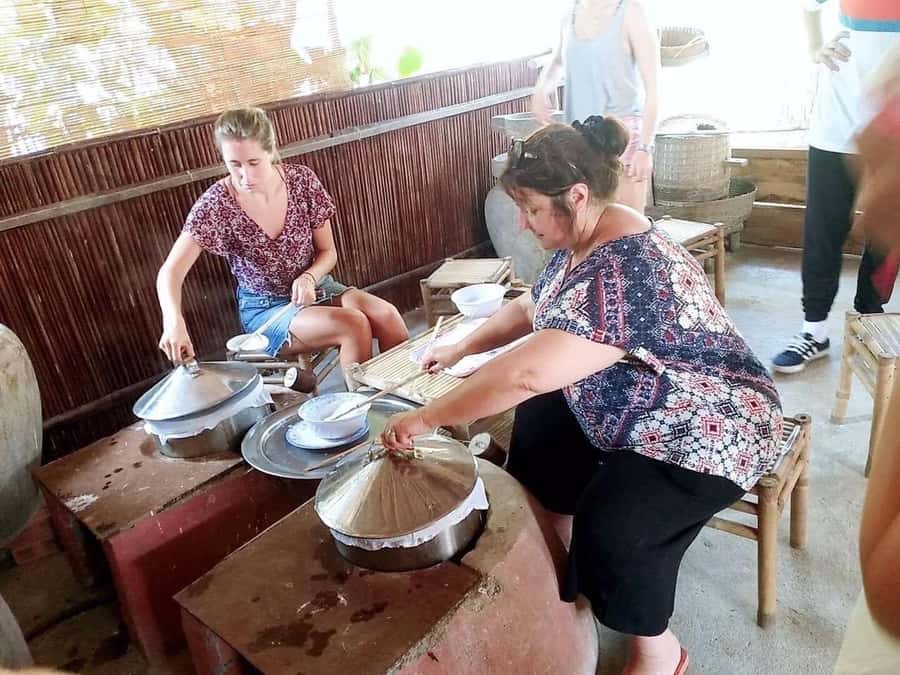
I think you should book this if you’re in Hoi An with limited time and you want a food-focused experience that teaches process, not just photos. The combination of small group cooking, traditional rice-tool practice, and four dishes you eat makes it a very efficient way to understand Vietnamese cooking basics.
Skip it if you specifically want hotel pickup, long market wandering, or wheelchair-friendly logistics. Also, if you’re the type who wants a huge menu buffet of flavors, remember this is a 3-hour workshop with a tight set of dishes.
If you want one cooking class that helps you bring Vietnam home, this one is easy to recommend.
FAQ
FAQ
How long is the Hoi An Bay Mau cooking class?
The experience lasts 3 hours.
How much does it cost per person?
The price is $26 per person.
Where do I meet for the class?
You meet at the meeting point in front of Ba Tran Cooking Class near the Big Dragon Bridge. Your chef meets you there and takes you to the cooking class inside the coconut village.
Is this class a small group?
Yes. The class is limited to a small group of up to 10 participants.
What dishes will I cook?
You’ll cook four local dishes: Bun Bo Nam Bo (Southern-style beef vermicelli), Pho Bo Ha Noi (Hanoi-style beef pho), Banh Xeo (sizzling Vietnamese crepes), and Goi Cuon (Vietnamese salad rolls).
Is there a vegetarian option?
Yes. Vegetarian options are available upon request.
What’s included in the price?
Included are an English-speaking tour guide/local chef, cooking ingredients, a ticket in the coconut village, unlimited mineral water and juices, a traditional lunch or dinner, local souvenirs, and recipes.
Is hotel pickup or drop-off included?
No. Pick up and drop off from hotels in the Hoi An area is not included.
Is a market trip or basket boat trip included?
No. The activity notes a local market trip and a basket boat trip are not included.
Do I get recipes to take home?
Yes. Recipes are provided at the end of the class.
Is it wheelchair accessible and are pets allowed?
The class is not suitable for wheelchair users, and pets are not allowed.