REVIEW · OSAKA
Osaka Market Tour & Cooking Class with Local Expert Masato/Shohei
Book on Viator →Operated by Traveling Spoon · Bookable on Viator
Knife skills start at the market.
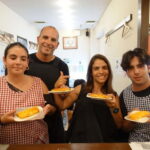
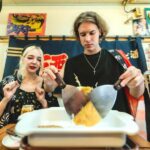
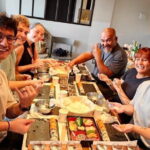
This Osaka experience pairs a guided walk through Karahori Shotengai (if you choose the market option) with real cooking instruction led by local chefs such as Masato and Shohei. I love that you get to see ingredients first, then learn how and why they’re used once you’re back at the kitchen. You also get room to ask questions while you cook, which makes it feel more like a lesson than a show.
I also like the class structure: you make three dishes from scratch and finish by sitting down to enjoy what you cooked, plus tea. The default menu is sushi-making (raw fish is not included), but you can usually set your preferences ahead of time for what you want to focus on.
One thing to consider: this is a shared class with a set meeting point at Matsuyamachi Station and no hotel pickup. If you’re tired from a long day of transit, you’ll want to plan your arrival so you’re ready to cook.
In This Review
- Key things I’d plan around
- Osaka’s market-to-kitchen flow at Karahori Shotengai
- Meeting the chef team: Masato, Shohei, and the teaching style
- What you’ll cook: sushi (no raw fish), tamagoyaki, and more
- If you book sushi by default
- If you pick other menu preferences
- Miso soup and the “three dishes” reality
- Learning techniques you can repeat (not just copy a recipe)
- The meal, tea, and the cultural side that sticks
- Price and logistics: is $120 worth it?
- Dietary needs, allergies, and what to tell them
- Who should book this class in Osaka
- Should you book this Osaka Market Tour & Cooking Class?
- FAQ
- Where does the tour start and end?
- How long is the cooking class?
- Is there a market tour option?
- What does the class include?
- How much does it cost?
- What dishes will you cook?
- Does the sushi class include raw fish?
- Can you accommodate dietary restrictions?
- Is hotel pickup included?
- What’s the group size?
- Is there a mobile ticket?
Key things I’d plan around
- Karahori Shotengai street sampling: a short, guided 30-minute market stop that helps you understand Japanese pantry basics
- Chef-led, not demo-only: you cook, you ask, and you learn techniques you can repeat later
- Sushi option avoids raw fish: you’ll practice sushi-related components without handling raw fish
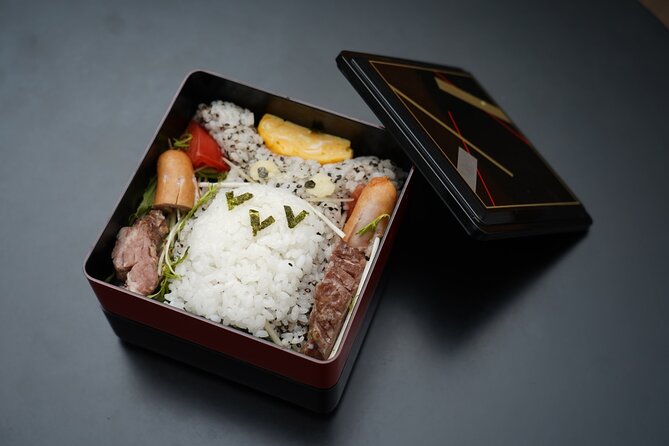
- Menu can shift with your choice: sushi is the default, but character bento and curry rice are part of the menu range
- Dietary needs can be handled on request: lactose free, gluten free, vegetarian, and vegan accommodations are available if you tell them up front
- Small group size: capped at 13 people, which keeps the class from feeling crowded
Osaka’s market-to-kitchen flow at Karahori Shotengai
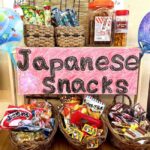
If you pick the market tour option, your morning (or afternoon) gets a nice rhythm. You start by stepping into Karahori Shotengai, a covered shopping street where vendors sell the everyday stuff serious home cooks buy: vegetables, condiments, and ingredients you usually never think about until someone points them out.
This part is short on purpose. The market walk is only about 30 minutes, so you don’t get stuck in shopping fatigue. Instead, you get a fast orientation to what makes Osaka food practical: fresh produce, small-batch sauces and seasonings, and items that shape the flavor of dishes like miso soup, sushi components, and braised-style fillings.
The value here isn’t that you’ll memorize the names of 50 products. It’s that you’ll learn how to spot what matters. For example, during your cooking you’ll likely notice how the class treats seasonal items—like lotus root, bamboo shoots, and shiitake mushrooms—because those show up as texture and flavor building blocks, not just garnish.
If you don’t choose the market option, you still get the core cooking lesson. But if you’re the type who likes understanding ingredients before you touch them, the market add-on is the part that makes the rest of the class click faster.
You can also read our reviews of more tours and experiences in Osaka.
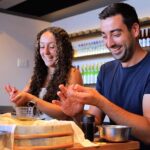
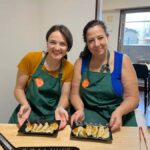
Meeting the chef team: Masato, Shohei, and the teaching style
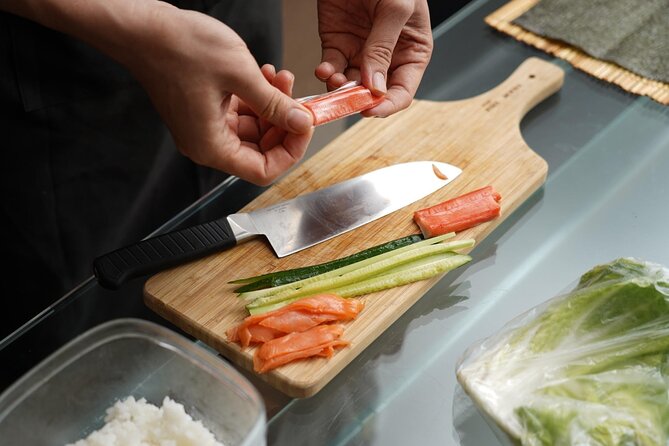
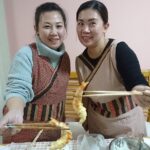
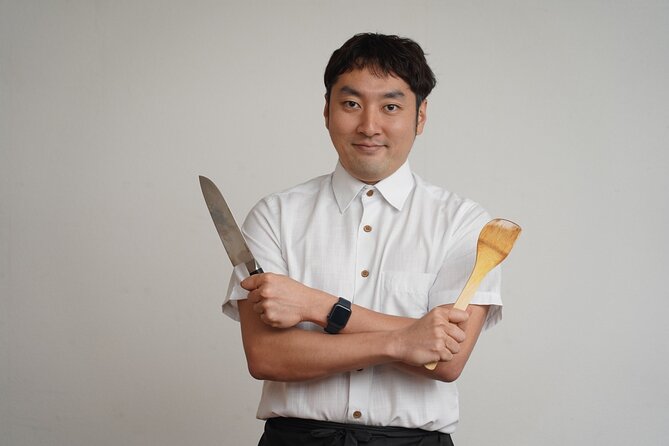
This experience is hosted by local chef Masato, and on days he’s unavailable, another chef colleague steps in. The cooking class is organized by Traveling Spoon, and the guides you might meet include names like Shohei and others—based on day and availability.
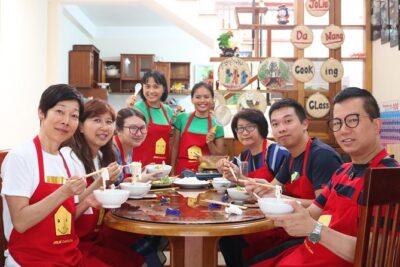
What matters for you is the teaching vibe. In the feedback you’ll see a clear pattern: hosts are patient, they explain as they cook, and they’re careful about questions. That’s a big deal in a hands-on class. You don’t want to feel rushed or talked over, especially when you’re learning Japanese techniques that rely on timing and texture.
There’s also a practical element: some chefs are proactive about preferences and allergy checks ahead of time. That doesn’t mean you should skip your own responsibility—tell them about dietary needs when you book—but it does mean you’re more likely to feel genuinely prepared.
What you’ll cook: sushi (no raw fish), tamagoyaki, and more
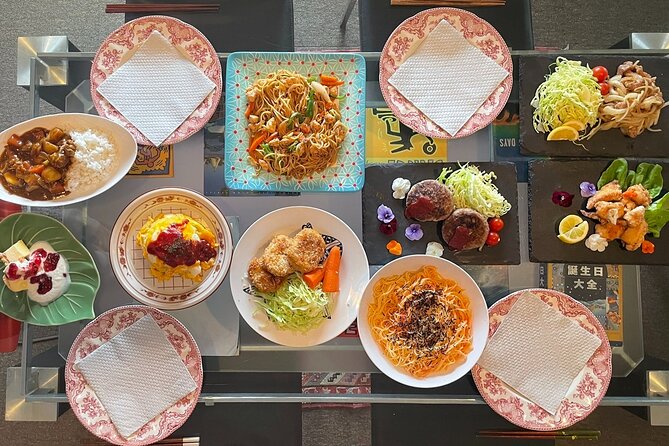
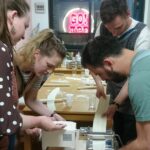
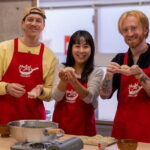
The cooking part is the heart of this tour. It runs about 2 hours 30 minutes total, and it’s built around making dishes from scratch with guidance. The class covers three dishes, and the exact menu depends on your booking selection.
If you book sushi by default
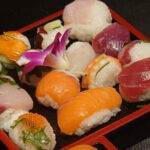
If you don’t specify a menu preference, you’ll start with a sushi-making experience. Here’s the helpful clarification: raw fish is not included. That makes the class feel less intimidating and more beginner-friendly, especially if you’re new to Japanese cooking or you simply prefer not to handle raw seafood.
In the sushi menu, you’ll work with ingredients such as:
- tamagoyaki (rolled Japanese omelet)
- Wagyu beef
- seasonal vegetables like lotus root, bamboo shoots, and shiitake mushrooms
So even within sushi, you’re not just assembling rolls. You’re learning how sweet-savory egg and cooked fillings fit into the final bite.
If you pick other menu preferences
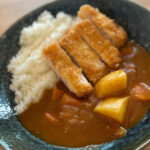
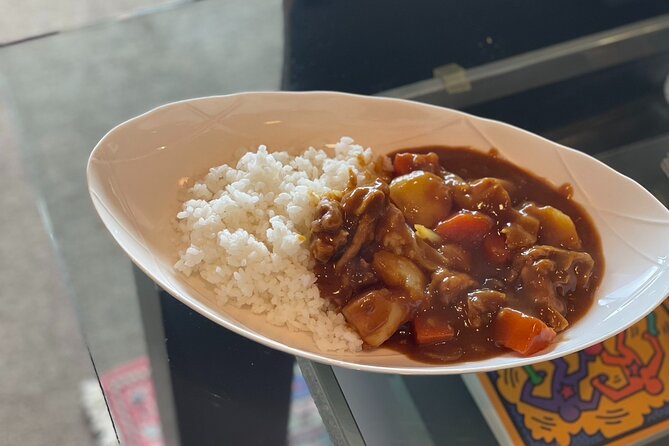
Your class may also include dishes in the range of sushi, character bento boxes, or Japanese curry rice. The point is that you’re not locked into one style of Japanese cooking.
Bento-focused classes are a nice choice if you like the idea of form and portioning—how flavors balance inside a box and how you create something that looks intentional. Curry rice is a great choice if you want a comfort-food flavor route, the kind of dish that feels easy to recreate after the trip.
Miso soup and the “three dishes” reality
Even though the menu varies, you should expect more than just one plated dish. The class is structured around three dishes, and miso soup appears as part of the learning experience in at least some versions of the class. If you’re a miso person, it’s a good bet you’ll be tasting and using key flavor concepts you can reuse at home.
Learning techniques you can repeat (not just copy a recipe)
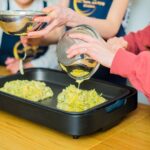
The class is hands-on, and that’s what makes it worth your time. You’re not just watching a chef do the work while you take photos. You’re building skills that transfer to your kitchen back home.
Here are the technique categories you’ll likely practice:
- Japanese ingredient handling: seeing how common items are selected and used
- Timing and texture: egg rolls, cooked vegetable fillings, and how they hold up in a final assembly
- Building flavor in layers: seasonings and ingredients used together instead of one big sauce
One detail I appreciate is the pacing. You can go at your own pace and ask questions while you cook. That matters because Japanese cooking often depends on small decisions—how thick something is, how evenly it’s cooked, and when you stop.
Also, by the end you sit down to eat. That isn’t just “included food.” It’s quality control. You taste your results and learn what went right, so when you try again at home, you have a memory of the target texture and balance.
The meal, tea, and the cultural side that sticks
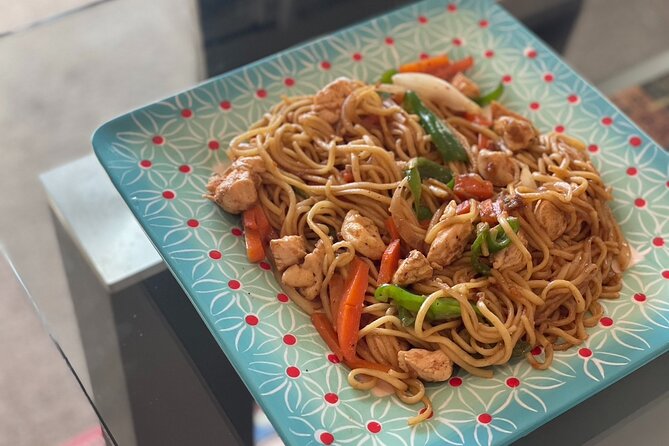
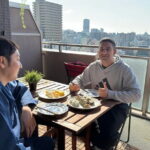
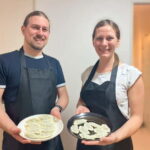
After cooking, you eat the meal you made. That meal is homecooked Japanese food, served with tea. It’s a simple ending, but it’s also where learning becomes personal.
This is where you notice what you did that affects the final dish:
- The way tamagoyaki sweetness changes how you think about sushi fillings
- How cooked vegetables add texture, especially when they’re not just soft mush
- How miso-based flavors (when included) anchor the meal
More importantly, you learn the cultural “why,” not just the method. A good chef doesn’t only tell you what to do; they explain culinary tradition and small habits behind it. That’s where the experience becomes more than cooking.
If you’re traveling with food as your priority—Osaka is a great choice—this kind of food education helps you understand the places you’ll eat later. You start recognizing ingredients, noticing seasoning style, and understanding why certain bites feel balanced instead of heavy.
Price and logistics: is $120 worth it?
At $120 per person for about 2 hours 30 minutes, plus a homecooked meal, this isn’t a budget activity. But it also isn’t overpriced when you look at the full value.
Here’s why the math can work:
- You get a hands-on cooking class with a professional chef
- You get three dishes made from scratch (and then eaten)
- If you choose the market option, you also get a guided market tour to Karahori Shotengai
- Group size stays limited to a maximum of 13 people, which helps keep instruction practical
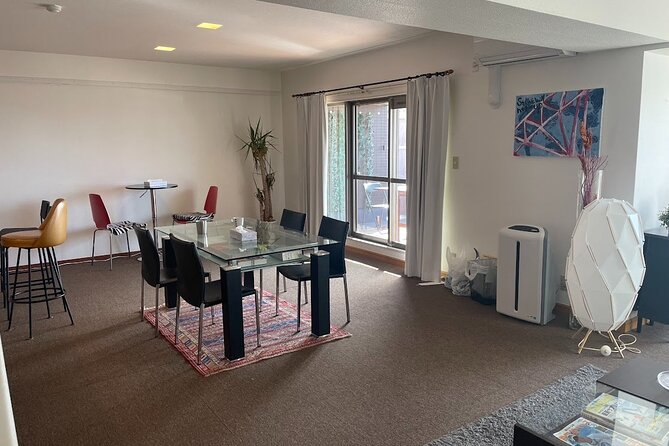
Where you need to be honest with yourself is logistics. There’s no hotel pickup or drop-off, so you need to make it to the meeting point near public transportation. You start at Matsuyamachi Station at 2 Chome-6 Andojimachi, Chuo Ward, Osaka (542-0061), and you finish back at the meeting point.
If you’re the kind of traveler who hates timed activities, cooking classes can feel like one more schedule stress. But if you like hands-on experiences and you want something you can take home—skills and recipes—this is one of the stronger ways to spend your time in Osaka.
Dietary needs, allergies, and what to tell them
If you have dietary restrictions, you should feel encouraged—this class can accommodate on request. The information provided says the class can handle lactose free and gluten free options, plus vegetarian and vegan diets, if you advise them when booking.
Also, raw fish is not included in the default sushi class, which can be helpful for some dietary comfort levels. Still, you’ll want to treat your own situation carefully. Tell them about allergies, dietary restrictions, and cooking preferences at booking so they can adjust the menu and process.
One practical tip: when you write your preferences, be specific about what you need to avoid and how strict it is. That gives the chef the best chance to keep the class smooth while still teaching the techniques.
Who should book this class in Osaka
This tour is a great fit if:
- You want to learn Japanese cooking in a hands-on way, not just eat at a restaurant
- You like structure: market context, then cooking, then sitting down to eat
- You want a class with room for questions and a small group size
- You’re interested in sushi components like tamagoyaki and cooked fillings, without raw fish
It might be less ideal if:
- You need hotel pickup or you’re unable to get to Matsuyamachi Station
- You want a mostly sightseeing tour with minimal food prep
- You dislike cooking in a shared group setting
If you’re traveling with kids or teens, this could work well too, because it’s active and skill-based. Just note that the class is shared and you should confirm expectations when booking—especially around dietary needs.
Should you book this Osaka Market Tour & Cooking Class?
Yes, I think you should book it if food learning is a top priority for your Osaka trip. The combination is the big selling point: a quick guided ingredient-focused market stop (optional), then a chef-led cooking class where you make three dishes and eat what you made with tea.
Skip it only if you’re short on time, hate cooking, or you know you can’t comfortably get to the meeting point at Matsuyamachi Station. Otherwise, this is a smart value choice for anyone who wants more than restaurant tasting. You’ll leave with techniques you can use again, not just a full stomach.
FAQ
Where does the tour start and end?
The tour starts at Matsuyamachi Station (2 Chome-6 Andojimachi, Chuo Ward, Osaka, 542-0061, Japan) and ends back at the meeting point.
How long is the cooking class?
It runs about 2 hours 30 minutes.
Is there a market tour option?
Yes. If you choose the market tour option, your host takes you to Karahori Shotengai for a guided 30-minute tour.
What does the class include?
You’ll do a shared cooking class in Osaka, eat a homecooked Japanese meal, and if you choose the market option, you’ll also get the guided Karahori Shotengai market tour.
How much does it cost?
The price is $120.00 per person.
What dishes will you cook?
The class covers three dishes from scratch. Menu options can include sushi, character bento boxes, or Japanese curry rice. If no preference is selected, the default experience is sushi-making.
Does the sushi class include raw fish?
No. Raw fish is not included in this class.
Can you accommodate dietary restrictions?
On request, the group can accommodate lactose free, gluten free, vegetarian, and vegan diets. If you have allergies or specific restrictions, you should advise at booking.
Is hotel pickup included?
No. Hotel pickup and drop-off are not included.
What’s the group size?
The tour/activity has a maximum of 13 travelers.
Is there a mobile ticket?
Yes, the experience uses a mobile ticket.
If you tell me your dietary needs and which menu you’re leaning toward (sushi, bento, or curry rice), I can help you choose the best option for your style and schedule.