REVIEW · HOI AN
Hoi An: Evening Cooking Class with Locals in Herbs Village
Book on GetYourGuide →Operated by Sky Travel · Bookable on GetYourGuide
Cook dinner in a herb village at dusk. This Hoi An class is all about hands-on cooking for real Vietnamese dishes, in the beautiful Tra Que Herb Village, with a small group capped at 10. I like that the chef teaches traditional techniques without making it feel intimidating, and I like that you actually eat what you cook right after. The one practical wrinkle: the meeting spot inside the village can be a bit tricky to locate, so give yourself extra time.
A 3-hour evening session is a nice break from the usual walking-and-shopping routine, and it also lets you see how herbs and vegetables shape everyday Vietnamese cooking. You’ll start with a welcome drink, then cook at your own station with guided help (including pre-portioned ingredients), and end with the meal you prepared plus side dishes. If you’re organized, you’ll find it; if not, you might get spun around for a few minutes.
In This Review
- Quick reasons this Tra Que class earns its high rating
- Tra Que Herb Village: why the setting matters for your meal
- Timing that actually works: 10:00, 15:00, or 18:00
- What happens when you arrive: welcome drink, then right into cooking
- The core lesson: 4 local dishes, taught like locals
- How the class feels as you cook
- Enjoying your meal: you eat what you cooked
- Vegetarian and vegan: ask ahead so the menu fits
- Price and value: what $27 buys you in real terms
- Finding the meeting point inside Tra Que Herbs Village
- Who should book this cooking class (and who might not)
- A quick checklist before you go
- Should you book this evening cooking class?
- FAQ
- FAQ
- How long is the cooking class?
- What time does the class run?
- Where is the meeting point?
- What dishes will I cook?
- Is there a vegetarian or vegan menu?
- How big is the group?
- What is included in the price?
- Are drinks included?
- Is there any extra cost on public holidays?
Quick reasons this Tra Que class earns its high rating
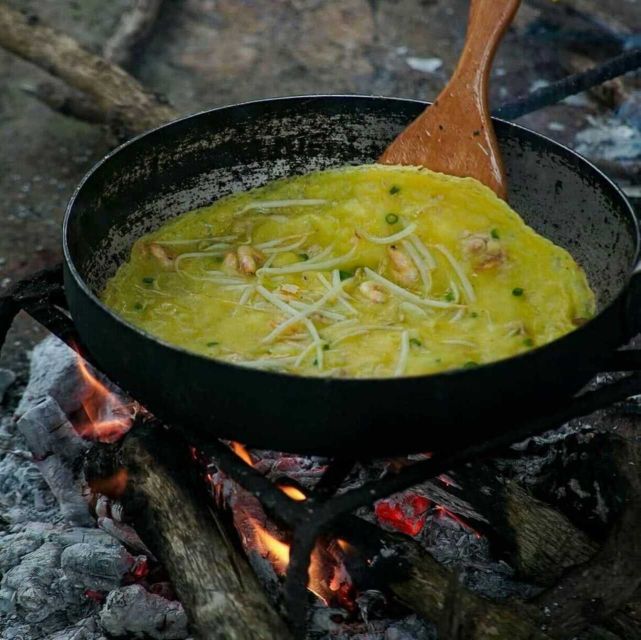
- You cook four dishes at your own station, then you sit down and enjoy what you made
- Traditional methods, simplified: ingredients are pre-portioned so you can focus on technique
- Tra Que Herb Village setting: cooking outdoors in a place built around fresh herbs feels special
- Small group pace: limited to 10 participants, so questions don’t get buried
- English guidance: live English support makes the steps and recipes easy to follow
- Vegetarian/vegan option: ask ahead so the menu fits your needs
Tra Que Herb Village: why the setting matters for your meal
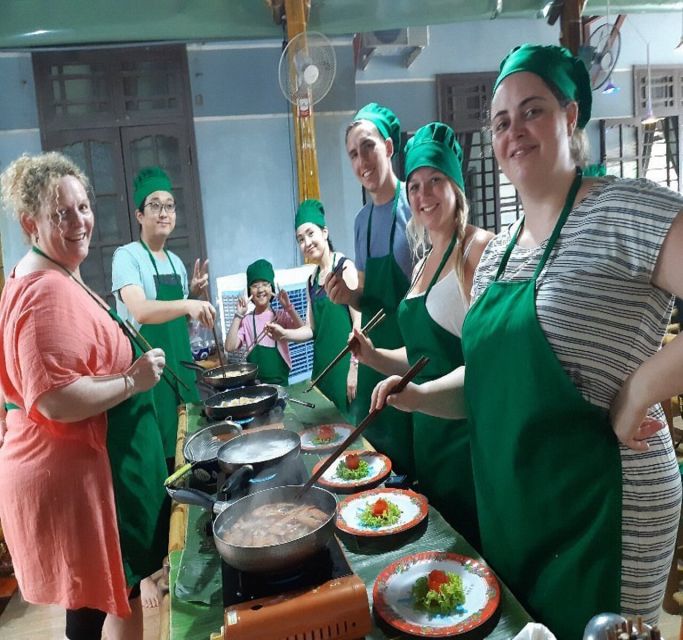
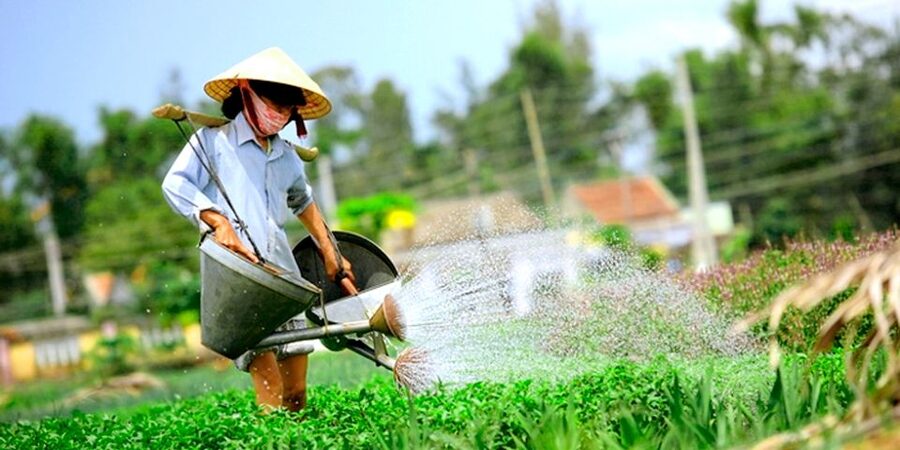
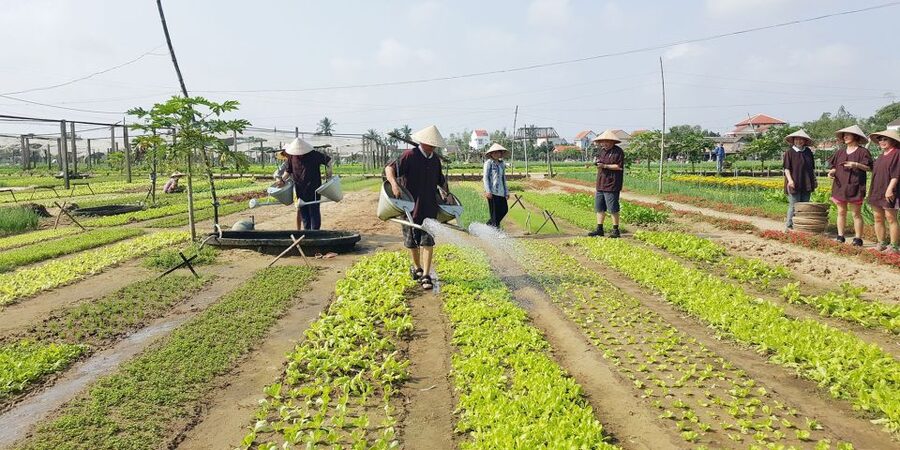
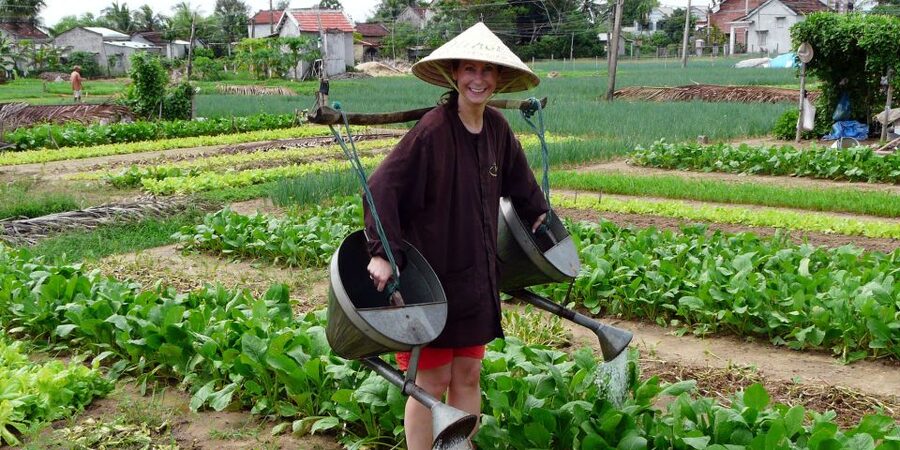
Tra Que is one of those places where the scenery isn’t just for photos—it connects directly to the food you’ll cook. Even before you start chopping and frying, you’re in a herb-focused environment in the Hoi An area, and that changes how you experience the class. Instead of “cooking demo” vibes, it feels like you’re learning a local routine: fresh ingredients first, then simple methods that make them taste right.
The class takes place at Tra Que Rural Charm Cooking class inside Tra Que Herbs Village. In practice, that means you should mentally prepare for “find the right entrance” energy. One of the most repeated lessons from past participants is that it’s easy to miss the exact spot—so arrive early, keep your booking details handy, and don’t assume every sign will look obvious from the street.
You can also read our reviews of more tours and experiences in Hoi An.

Timing that actually works: 10:00, 15:00, or 18:00
This is a 3-hour experience with three start times during the day: 10:00, 15:00, and 18:00. Sessions are scheduled so the class finishes around 13:00, 18:00, or 21:00 respectively.
Why timing matters: the midday slot can feel greener and calmer, while the evening slot is great if you want a slower day and a warm meal right afterward. If you’re pairing this with sightseeing in Hoi An, an afternoon or evening start helps you avoid the “too early, too hungry” problem. It also fits well after a market visit or a light lunch—though drinks aren’t included, so plan to hydrate as needed.
What happens when you arrive: welcome drink, then right into cooking
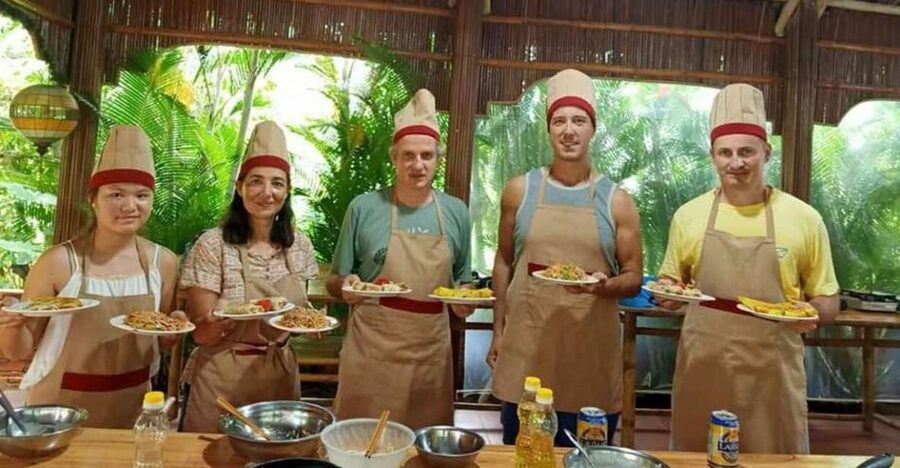
When you get to the class, you’ll start with a welcome drink and time to rest before you cook. That small pause is more than comfort—it’s also practical. It helps you reset your pace, especially if you’ve been walking in the heat.
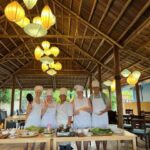
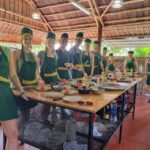
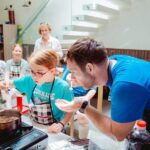
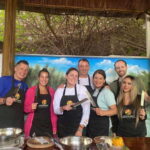
Then you head to your cooking station. This is not a “watch from the side” event. You’ll prepare cooking components yourself, and the staff helps keep things organized. Ingredients are pre-portioned in a way that makes assembling recipes straightforward, even if you don’t cook much at home.
The class is led with a live English guide, and you’ll be working with recipes at your station. Past participants have highlighted the friendliness of the people teaching, including hosts like Trang, who’s described as personable and accommodating with food needs when asked in advance. That kind of human touch matters here because it turns cooking steps into something you can actually repeat.
The core lesson: 4 local dishes, taught like locals
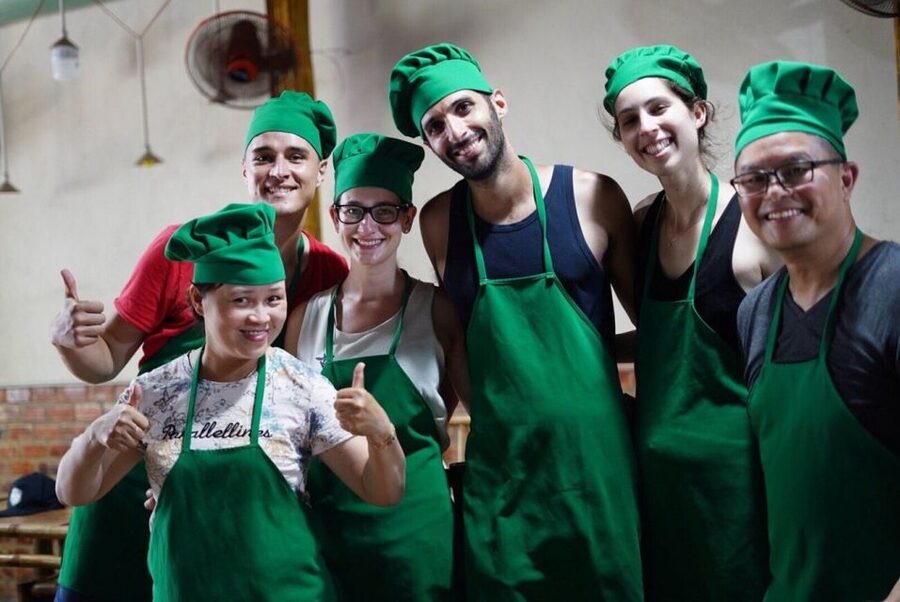
You’ll cook four dishes during the class. The menu you’ll make includes:
- Special Tra Quế vegetable village
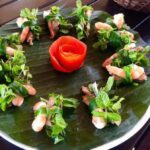
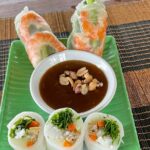
- Hoi An spring rolls
- Hoi An pancake
- Morning Glory stir-fried with Garlic
A key detail: the cooking menu can change based on ingredient availability. So don’t be surprised if the exact balance shifts slightly on your day. The experience is still built around classic Hoi An flavors and familiar techniques.
Here’s what I think makes this format valuable. Vietnamese cooking often feels “simple” only after you understand the sequence—what goes in first, how flavors build, and how herbs and vegetables are treated rather than just thrown in. The class focuses on traditional methods for these dishes, but it keeps you from getting lost with clear recipe steps and on-hand help.
How the class feels as you cook
Expect a steady rhythm: mix, assemble, stir, adjust. You’re not being graded; you’re learning by doing. The assistance team portioning ingredients is a big deal if you’re on vacation. You don’t want to spend your trip counting spoonfuls and searching for a specific item in a kitchen basket. Instead, you get to learn the “why” behind the method.
Because you’re making four dishes, you also get a good cross-section of Vietnamese home cooking:
- rolling and stuffing (spring rolls)
- pan-frying/browning and batter technique (pancake)
- vegetable stir-fry timing (morning glory with garlic)
- herb-vegetable preparation that fits the Tra Que setting
That range gives you more than one takeaway—you’ll likely remember multiple “aha” moments.
Enjoying your meal: you eat what you cooked
After the cooking portion, you get to enjoy what you prepared. That means your spring rolls, pancake, and stir-fried morning glory aren’t just sample bites. It’s a real meal you can share and talk through with the group.
You’ll also have side dishes prepared alongside what you cook. Again, this matters for value. Many cooking classes end with you getting a tiny tasting and rushing off. Here, the structure supports sitting down, eating, and actually tasting the results of your effort.
And because the class is in a herb village setting, it’s easier to connect what you’re tasting to the environment where it grew. If you like food experiences that explain themselves through flavor, this lands well.
Vegetarian and vegan: ask ahead so the menu fits
If you’re vegetarian or vegan, a suitable menu is available. Just tell the team when you book so they can prepare properly.
This is worth highlighting because cooking classes can sometimes handle dietary changes in a vague way—like swapping one ingredient and calling it good. Here, the class explicitly says they can adjust for well-prepared vegetarian/vegan needs, which is exactly what you want when you’re traveling and don’t want surprises.
Price and value: what $27 buys you in real terms
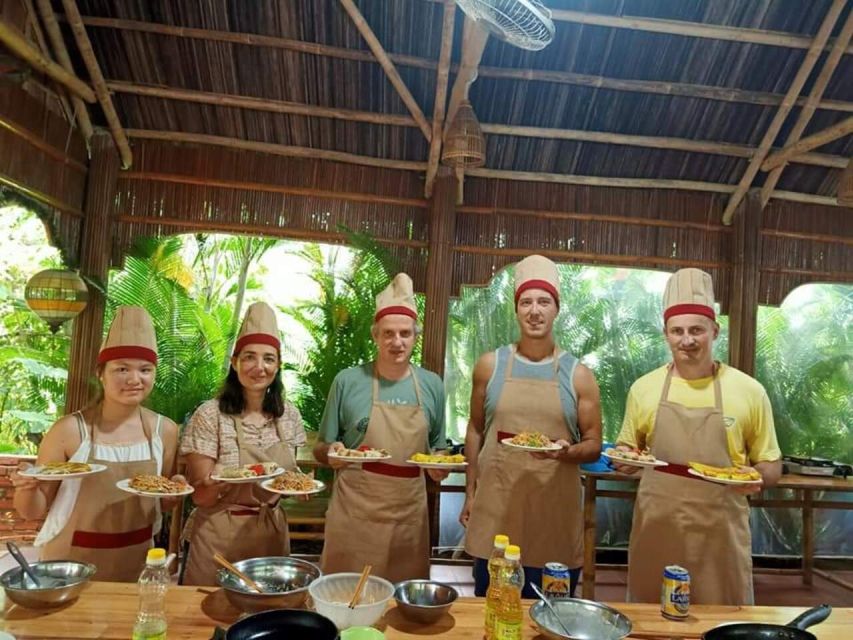
At $27 per person for a 3-hour class, the value comes from three places:
First, you get the ingredients included. That’s not small—Vietnamese recipes use enough components that a “market price” perspective can add up fast.
Second, you get the welcome drink and the recipe menu. A recipe menu is useful because it gives you a way to recreate what you cooked later, instead of relying on memory.
Third, you get a meal. Eating what you cooked plus side dishes changes the economics. You’re paying for a cooking experience, but you’re also covering food.
One more detail that improves the value: the class is limited to 10 participants. A small group keeps the pace friendly and makes it easier to get help when you have questions mid-cook. If you’ve ever been in a big class where you can’t see the guide’s hands clearly, you’ll appreciate the cap here.
Finding the meeting point inside Tra Que Herbs Village
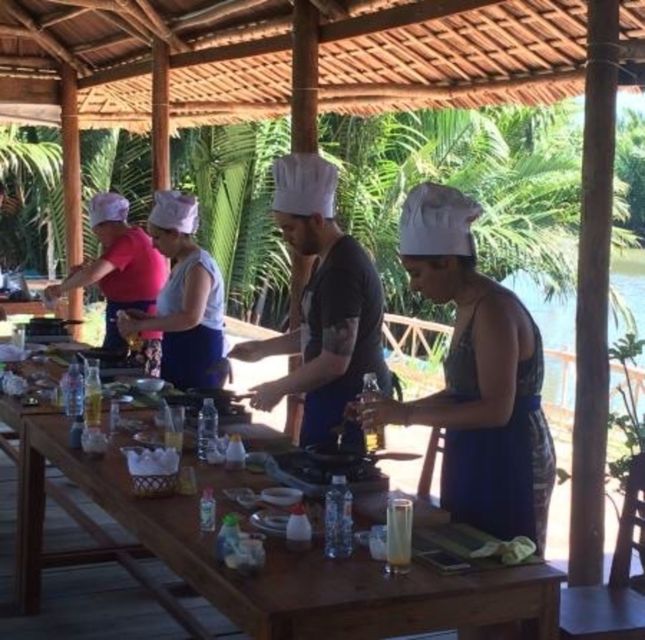
This is the practical part I’d plan for: the meeting point is Tra Que Rural Charm Cooking class inside Tra Que Herbs Village. That’s very specific, but one past participant called it a bit difficult to find exactly.
So here’s my advice to reduce stress:
- Arrive a little earlier than you think you need
- Use your map app plus the exact meeting name when searching
- Keep your phone ready with your confirmation details
- If you’re lost, ask staff to point you to the Rural Charm Cooking class area inside the village
The class itself is friendly and supportive, and when people have trouble locating the spot, they’ve been helped to get to the correct area. You’ll still want to do your part with early arrival.
Who should book this cooking class (and who might not)
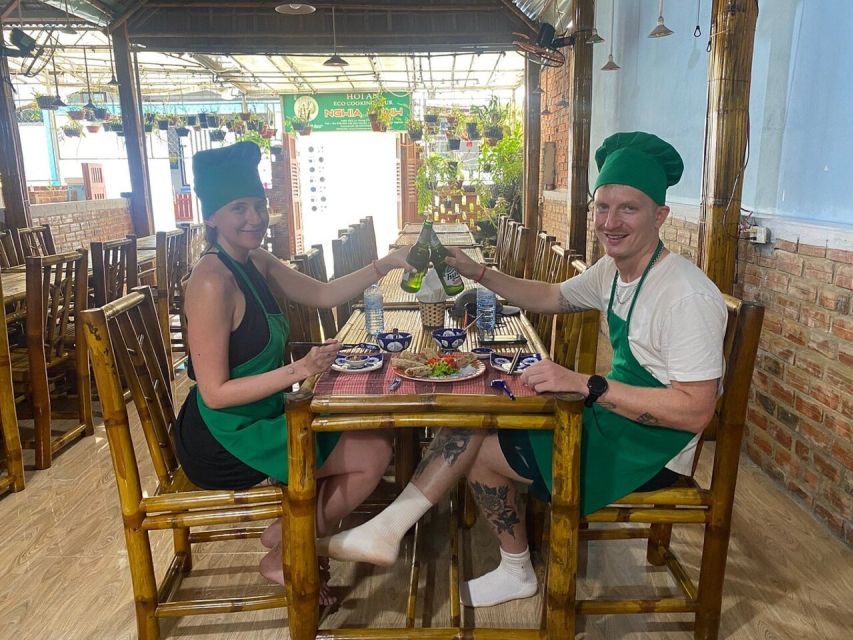
This experience suits you if you:
- want a practical Hoi An cooking class with real technique, not just watching
- like hands-on food learning where you cook and then eat
- enjoy herb-focused places and the Tra Que atmosphere
- appreciate small groups and an English-speaking guide
It may not be the best fit if you:
- rely on a wheelchair (the experience is not suitable for wheelchair users, based on the activity info)
- want a super formal, instructional cooking school vibe (this is laid-back, guided, and approachable)
Also, pets aren’t allowed, so you’ll want to plan accordingly.
A quick checklist before you go
This tour includes ingredients, welcome drink, and the recipe menu. It does not include drinks, hotel pickup/drop-off, or other unspecified expenses.
So I’d plan like this:
- Arrange your own arrival to the meeting point inside Tra Que Herbs Village
- Bring a basic level of comfort for standing at a station for a few hours
- Budget for drinks since they aren’t included
- If you’re on a special diet, message ahead for vegetarian/vegan preparation
There’s also a note for public holidays: a surcharge of 100,000 VND per person is applied by cash. If your trip lands on one of those days, factor it into your budget early.
Should you book this evening cooking class?
Yes, I’d book it if your goal is an authentic, hands-on meal experience in the Hoi An area. The best reason is simple: you cook multiple classic dishes, you learn traditional methods, and you eat a full result afterward, all in a small group with English support.
Also, if you care about the difference between “tasting food” and “understanding how it’s made,” this format does that job. The pre-portioned ingredients and guided steps mean you can focus on technique and timing instead of logistics.
The only real caveat is the meeting point location inside the herb village. Plan to arrive early and use the exact meeting name in your navigation. If you do that, the experience is very likely to feel smooth and satisfying from start to finish.
FAQ
FAQ
How long is the cooking class?
The class lasts 3 hours.
What time does the class run?
There are start times at 10:00, 15:00, and 18:00, with the class ending around 13:00, 18:00, and 21:00 respectively.
Where is the meeting point?
Meeting point is the Tra Que Rural Charm Cooking class inside Tra Que Herbs Village.
What dishes will I cook?
The menu includes Special Tra Quế vegetable village, Hoian spring rolls, Hoian pancake, and Morning Glory stir-fried with Garlic. The menu can change based on ingredient availability.
Is there a vegetarian or vegan menu?
Yes. A vegetarian/vegan menu is available, and you should let the team know upon booking for proper preparation.
How big is the group?
The group is limited to 10 participants.
What is included in the price?
Included are the cooking ingredients, a welcome drink, and the recipe menu.
Are drinks included?
No, drinks are not included.
Is there any extra cost on public holidays?
Yes. There is a surcharge of 100,000 VND per person paid by cash for bookings on public holidays.