REVIEW · KANDY
Private Traditional Sri Lankan Cooking Class in Kandy
Book on GetYourGuide →Operated by yummy kandy cooking · Bookable on GetYourGuide
Four people, one kitchen, and serious spice skills. In Kandy, this traditional Sri Lankan cooking class teaches you how the food actually comes together, not from a shortcut but from step-by-step technique led by Chitra and a friendly local team. You’ll also get to sit down and eat what you make, which turns the class from a demo into a real meal.
Two things I love: the small group size (limited to 4) that makes it easy to ask questions, and the start-to-finish cooking approach where you learn dishes like lentils and jackfruit curry without relying on pre-made bits. One thing to consider: it’s only 3 hours, so you’ll cover several dishes, but you won’t get to master every single detail the way you would in a longer workshop.
In This Review
- Key Highlights Worth Booking
- A Kandy Cooking Class That Feels Personal, Not Performative
- Hotel Pickup and the 3-Hour Rhythm in Real Life
- Meeting the Team: Chitra’s Guidance and a Welcoming Local Touch
- Choosing Ingredients: The Market Step That Makes Everything Click
- Cooking Sri Lankan Classics: Lentils, Jackfruit Curry, and Friends
- Lentils: learning texture and timing
- Jackfruit curry: a Sri Lankan favorite with a twist
- Chutney and vegetable dishes: the flavor glue
- If you’re worried about spices
- Vegan and Gluten-Free Options Without a Compromise Feel
- Lunch at the Table: Eat What You Made
- What You Get Besides Cooking: Equipment, Lunch, and Recipes
- Price and Value: Why $40 Can Be a Smart Deal
- Accessibility and Comfort Notes for Your Day
- Who This Sri Lankan Cooking Class Fits Best
- Should You Book This Cooking Class in Kandy?
- FAQ
- How long is the Private Traditional Sri Lankan Cooking Class in Kandy?
- How much does the cooking class cost?
- Is hotel pickup and drop-off included?
- What language is the instruction?
- How big is the group?
- Are vegan and gluten-free options available?
- What’s included in the price?
- Will I get recipes after the class?
- Is the experience wheelchair accessible?
- Is there a cancellation option if my plans change?
Key Highlights Worth Booking
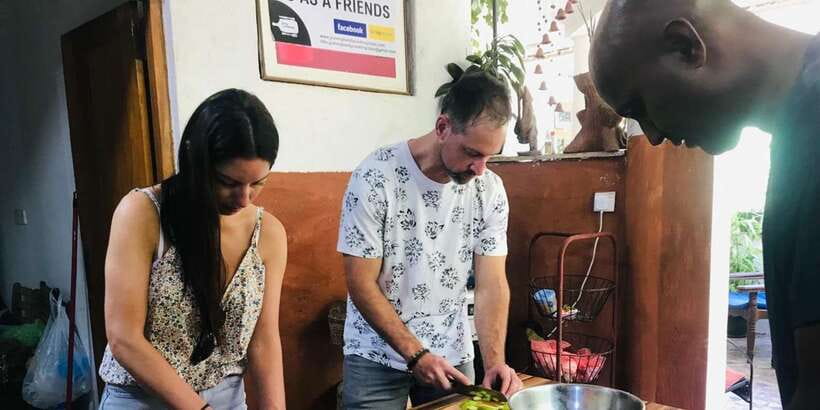
- Small group of up to 4: you get hands-on help instead of watching from the sidelines.
- English-speaking instruction: Chitra guides you in a way that works well for first-time cooks.
- Market-to-pot energy: your session may include picking produce before you cook, so ingredients feel personal.
- Core Sri Lankan dishes: you’ll learn lentils and jackfruit curry plus other classics.
- Dietary options that actually matter: vegan and gluten-free versions are offered, not just an afterthought.
- You leave with the instructions: you can get full recipes and directions so you can repeat the dishes later.
A Kandy Cooking Class That Feels Personal, Not Performative
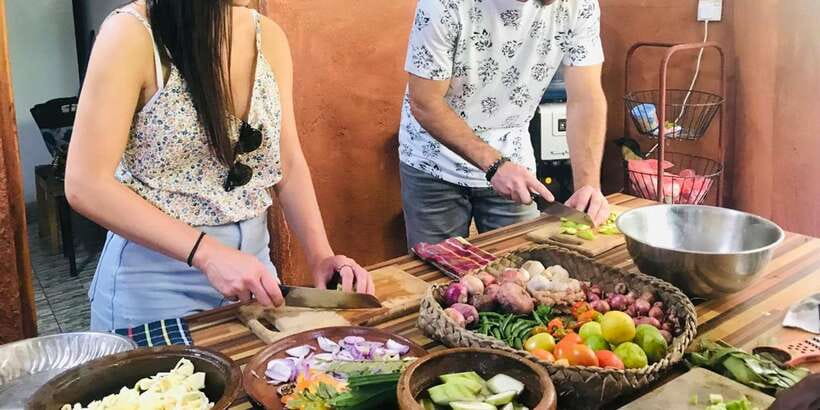
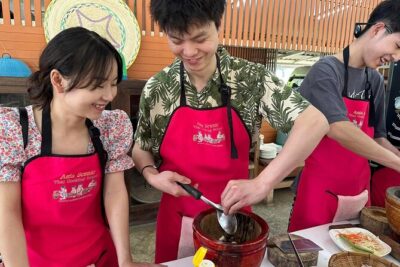
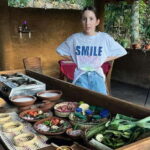
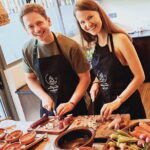
This experience is built around one idea: you learn faster when you cook with people watching closely. With the group capped at 4, the kitchen stays calm enough for questions, corrections, and quick demonstrations when your spice blend is a little off.
I also like that the instruction is in English. When you’re dealing with Sri Lankan spices, cooking times, and flavor layering, language matters. Clear guidance helps you understand why one step is different from another, not just what to do next.
And yes, this is traditional cooking in a way that matters. The class doesn’t feel like you’re assembling something from a kit. You’re taught how dishes are built from basics—spice blends, cooking methods, and how to balance flavors—then you eat the result.
You can also read our reviews of more tours and experiences in Kandy.

Hotel Pickup and the 3-Hour Rhythm in Real Life
The logistics are straightforward. You meet your group at the concierge desk of your hotel, then you’re taken to the cooking location using a tuk tuk or van depending on how many guests are in your pickup group. After the class, you’re brought back to your hotel.
The session runs about 3 hours, which is a solid middle ground. Long enough to make several dishes and sit down to lunch, but short enough that it won’t wreck your day in Kandy. If you’re thinking about doing this after a morning temple visit, you’ll likely be fine—just plan to arrive on time for the concierge meeting.
One practical note: because it’s hands-on, wear clothes you don’t mind getting a little warm or slightly stained. Even with the best intentions, you’ll be working with spices and sauces.
Meeting the Team: Chitra’s Guidance and a Welcoming Local Touch
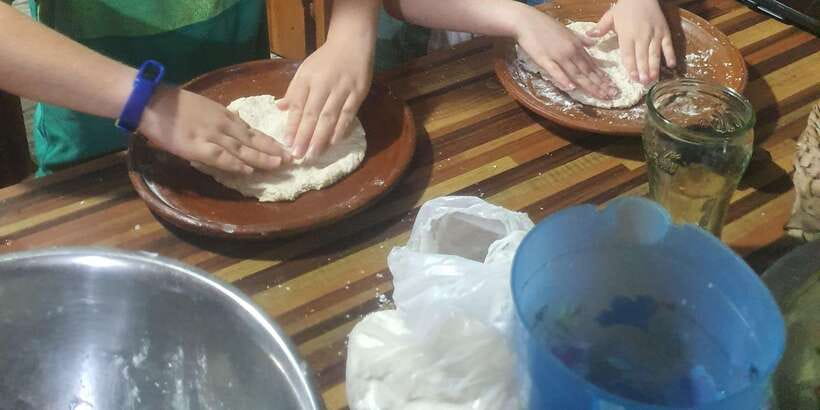
Chitra is the named instructor behind this Sri Lankan cooking class, and that matters because she’s described as an expert in Sri Lankan cuisine. You’re not just following a timer—you’re learning from someone who can explain technique and adjust when you’re stuck.
In practice, you may also spend a lot of time with the host team (Ranees is named in past sessions) and his wife. That’s a good sign, because warm hospitality usually turns the class into a conversation: you ask, they explain, and you get comfortable enough to cook confidently.
If you’re the kind of traveler who enjoys learning how locals actually cook at home, this setup works well. You get coaching without feeling rushed, and the atmosphere stays supportive even when your first attempt at a curry base isn’t perfect.
Choosing Ingredients: The Market Step That Makes Everything Click
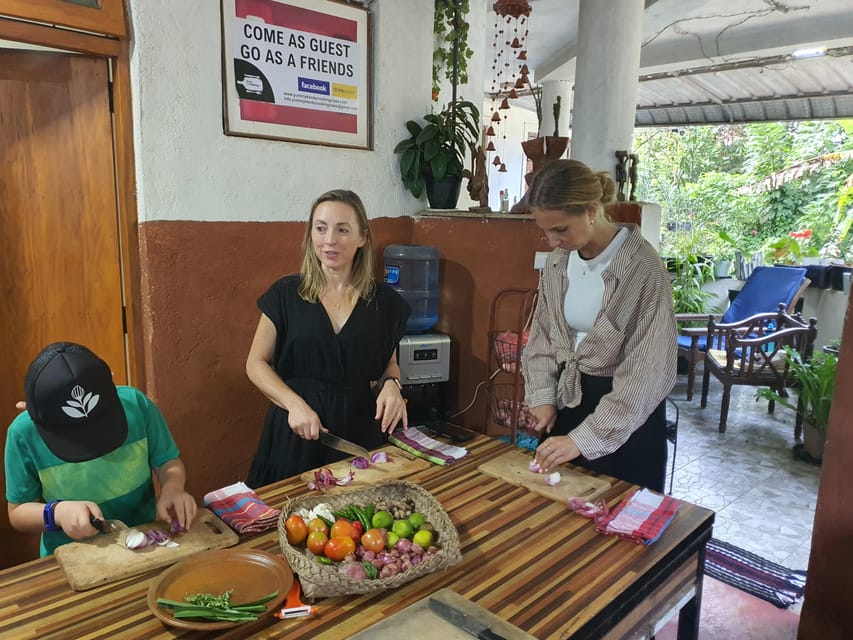
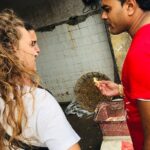
One reason this class lands so well is how much emphasis goes on ingredients before the stove turns on. Some sessions include a market stop where you can pick produce for what you’ll cook.
That market piece is more than a fun add-on. It helps you connect dishes to specific vegetables and pantry staples, and it makes the food feel less generic. When you know what you chose and why, you’re more likely to remember the technique later when you cook at home.
You’ll also learn that Sri Lankan cooking uses a lot of thoughtful ingredient choices—vegetables aren’t just fillers. You can get tips about which vegetables to use and how best to prepare them.
Cooking Sri Lankan Classics: Lentils, Jackfruit Curry, and Friends
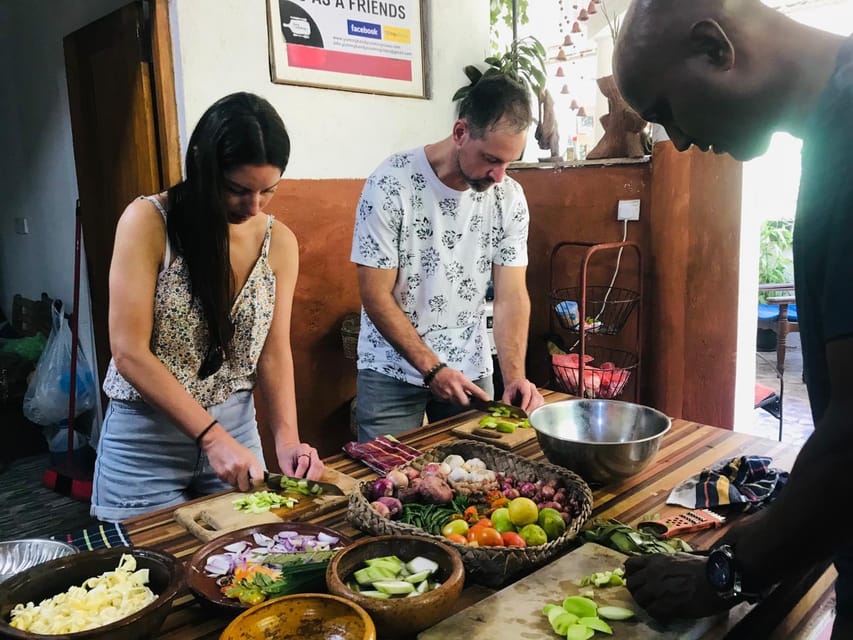
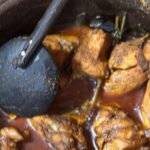
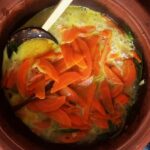
The menu focus centers on Sri Lankan staples, with dishes like lentils and jackfruit curry. You’ll also typically work through additional items that round out a meal—things like chutney and vegetable dishes, and in some menus, a chicken curry may appear as well.
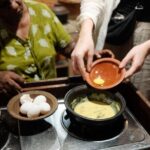
The most important part isn’t the exact menu title. It’s that you cook each dish in sequence, from start to finish. That approach teaches you how one step feeds the next: spice blend preparation, aromatics, simmering method, and how the dish changes as it thickens.

Lentils: learning texture and timing
Lentils can go from perfect to mushy fast. Watching for the right simmer, adjusting consistency, and balancing seasoning are key skills here. Once you understand the timing, you can apply the same logic to other lentil curries.
Jackfruit curry: a Sri Lankan favorite with a twist
Jackfruit curry gets a lot of attention because it teaches you how to cook a fibrous ingredient so it becomes tender and flavorful. If your version is vegan, it’s also a great example of how Sri Lankan curries can stay satisfying without relying on meat.
Chutney and vegetable dishes: the flavor glue
Even if you only remember one takeaway, try to remember this: chutney and vegetables often provide contrast—sweet, sour, spicy, and fresh. That balance is what makes the meal feel complete rather than heavy.
If you’re worried about spices
You won’t be left guessing. The class is designed to teach technique and flavor layering, and instruction is tailored to skill level. You’ll be shown how spices are used and when to adjust so your dish tastes balanced, not just hot.
Vegan and Gluten-Free Options Without a Compromise Feel
This is one of the strongest practical features: the class offers recipe options suitable for vegan diets and gluten-free needs. That’s not just about swapping one ingredient. It changes how the cooking plan is structured so everyone gets to eat what was made in class.
If you requested vegan food ahead of time, you should expect your meal to match what you cook rather than receiving a separate, plain option. The payoff is bigger than dietary compliance—it makes the lunch feel like part of the same shared experience.
And if you need gluten-free, it’s worth asking what you should avoid based on your triggers. The data says gluten-free options are available, so you should have a clear path to a safe meal.
Lunch at the Table: Eat What You Made
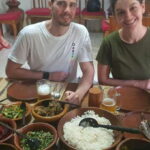
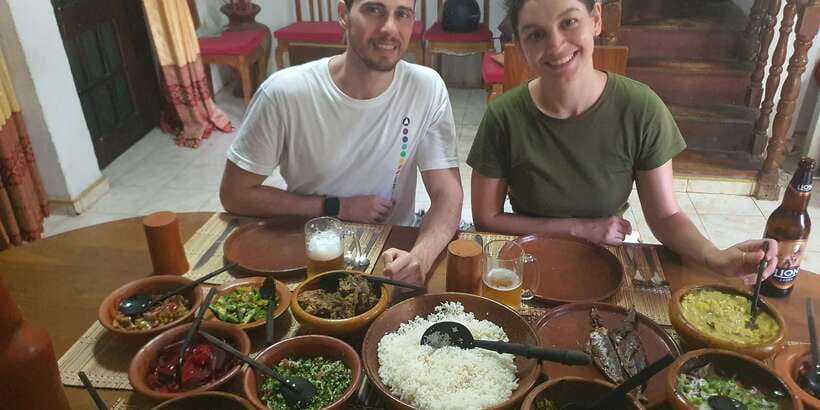
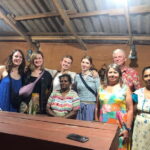
After cooking, you sit down with your fellow participants and the instructor team to enjoy what you made. This is a big deal, because it lets you taste the dish while it’s still fresh and understand what “correct” should taste like.
It also turns the class into a social meal. You share the table, trade small cooking tips, and compare what you learned for each dish. For many people, that eating moment is when the class becomes a highlight of the trip, not just a learning exercise.
One small comfort: coffee and/or tea are included, along with bottled water. That means you can focus on food and conversation without running around for refreshments.
What You Get Besides Cooking: Equipment, Lunch, and Recipes
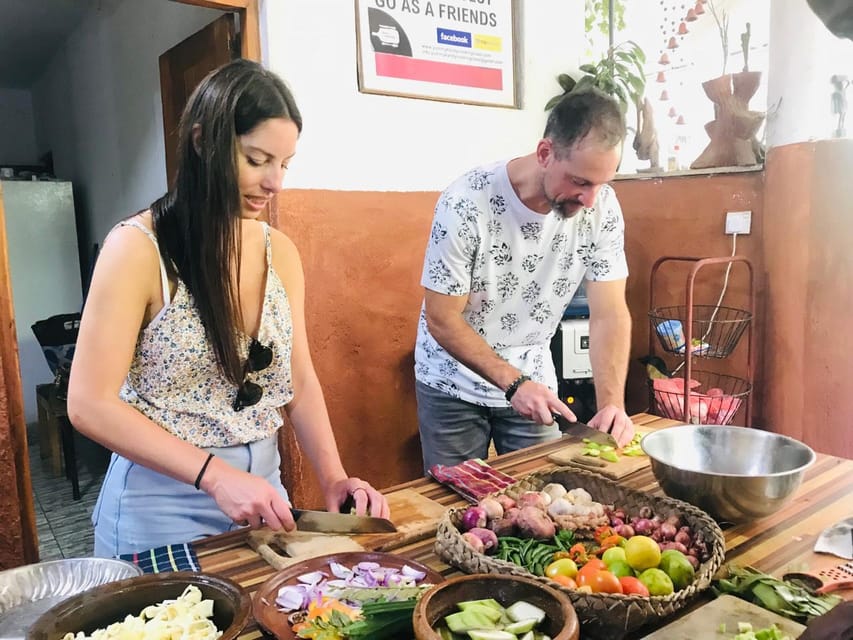
You get all necessary kitchen equipment provided, plus bottled water, coffee and/or tea, and lunch. Meals are prepared according to your dietary preferences (vegan/vegetarian or gluten-free), so you’re not expected to piece together your own plan.
The biggest “take-home” value is recipes. Past sessions mention receiving full recipes and instructions after the class, sometimes as a recipe book covering what you cooked. That matters because it turns your memory into something you can actually use when you’re back home and craving Sri Lankan flavors again.
Price and Value: Why $40 Can Be a Smart Deal
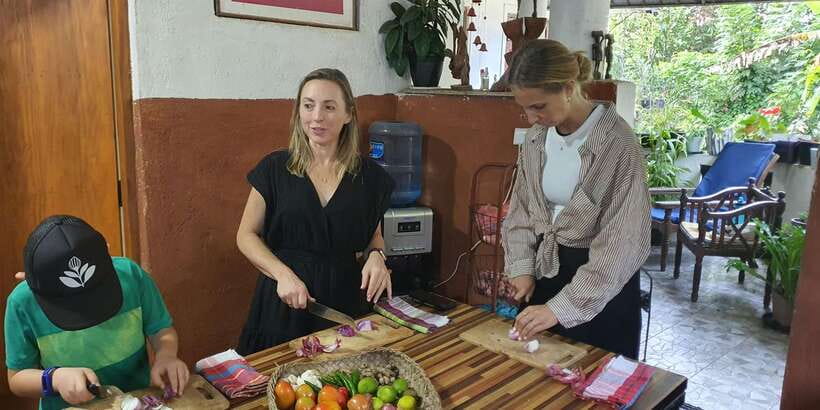
At $40 per person for a 3-hour, small-group class, this can be good value because you’re getting more than one dish. You’re learning technique, cooking multiple items, eating a full lunch, and receiving instructions you can use later.
It also helps that the group limit is tiny. When a cooking class is large, you spend time waiting your turn and watching others cook. Here, the coaching ratio is better, so your $40 buys real practice.
If you’re comparing to cooking classes where you only taste a few bites, this one has a different energy. You’re not just sampling. You’re producing a meal, with guidance, then sitting down to eat it.
Accessibility and Comfort Notes for Your Day
The experience is listed as wheelchair accessible, which is a real plus if you need step-free access or a manageable kitchen setup. Still, kitchens can vary, so it’s smart to flag mobility needs when you book.
For comfort: plan for a short transport time between hotel and the class location. Pickup and drop-off are included, which keeps you from having to figure out local transit on the fly.
Also remember: babies under 1 year aren’t considered suitable for this activity. If you’re traveling with a very young child, you’ll need an alternative plan.
Who This Sri Lankan Cooking Class Fits Best
This class suits you if you want hands-on travel—learning by doing, not watching. It’s also a strong match if you care about getting the flavors right and want guidance on spice blending and cooking methods.
You’ll probably enjoy it even more if you like:
- cooking as a skill, not just an activity
- small-group experiences
- vegan or gluten-free meals that still feel like Sri Lankan food
If you prefer a laid-back tour with minimal work, you might find the hands-on portion a bit much. But the payoff is that you’ll come away able to cook at least a few dishes with confidence.
Should You Book This Cooking Class in Kandy?
Book it if you want a practical Sri Lankan food lesson with a real lunch at the end, and you appreciate small-group attention. The combination of Chitra’s instruction, tiny group size, and the chance to learn dishes like lentils and jackfruit curry makes it a strong choice for food-focused travelers.
Hold off if you’re short on time and need something that takes half the day. At 3 hours, this is efficient, but it still requires your full attention for cooking and eating.
If you’re on the fence, the deciding factor should be this: do you want to learn technique you can repeat? If the answer is yes, this class is one of the most useful ways to spend time in Kandy.
FAQ
How long is the Private Traditional Sri Lankan Cooking Class in Kandy?
The class lasts 3 hours.
How much does the cooking class cost?
It costs $40 per person.
Is hotel pickup and drop-off included?
Yes. You meet at the concierge desk of your hotel, then you’ll be dropped back after the experience. A tuk tuk or van is used depending on the number of guests.
What language is the instruction?
The instructor teaches in English.
How big is the group?
It’s a small group limited to 4 participants.
Are vegan and gluten-free options available?
Yes. There are menu options suitable for vegan and gluten-free diets.
What’s included in the price?
Coffee and/or tea, lunch, all necessary kitchen equipment, bottled water, and meals based on your dietary preferences.
Will I get recipes after the class?
You should expect to receive the full recipes and instructions for the dishes you cook.
Is the experience wheelchair accessible?
Yes, it’s listed as wheelchair accessible.
Is there a cancellation option if my plans change?
Yes. You can cancel up to 24 hours in advance for a full refund. Reserve now and pay later is also available to keep plans flexible.