REVIEW · BANGKOK
Thai Cooking Class at Tingly Thai Cooking School in Bangkok
Book on Viator →Operated by Tingly Tours and Transport · Bookable on Viator
Bangkok is a fast track to Thai cooking. I love the market tour for shopping real ingredients, and I love the hands-on cooking where you make curry paste and assemble dishes yourself. The one thing to weigh: transportation isn’t included, so you’ll need to plan how to get to the meeting point at Suriyawong.
You get a practical class built for repeat cooking at home, not just a one-off meal. Expect a maximum group size of 12, bottled water on site, kitchen tools provided, and 4 dishes to eat at the end (plus sticky rice and mango). The morning option runs about 3 hours 30 minutes, while the afternoon version is about 3 hours and skips the market stop.
In This Review
- Key highlights to know before you go
- Market tour at Wat Kheak: where Thai flavors start
- The teaching kitchen: you make curry paste and build the dishes
- What you’ll cook (the daily lineup)
- If you want swaps
- Day-by-day curry options: how to pick the right afternoon or morning
- What’s included (and what you’ll have to handle)
- How the price stacks up for Bangkok value
- Small group size: why max 12 matters in a cooking class
- Timing: morning versus afternoon (and who each one fits)
- Morning class (includes market): about 3 hours 30 minutes
- Afternoon class (no market): about 3 hours
- What you’ll eat at the end: more than just a meal
- Who should book this Thai cooking class
- Should you book Tingly Thai Cooking School?
- FAQ
- How long is the class?
- Do I get a market tour?
- What dishes will I make?
- Which curry do you cook?
- Is transportation included?
- How big are the classes?
- What’s included in the price?
- Is the ticket digital?
- What if I need to change seafood to chicken or vegetables?
- What is the cancellation policy?
Key highlights to know before you go
- Wat Kheak fresh market ingredient hunt (morning classes): Learn what Thai herbs, vegetables, fruits, and spices to look for.
- Curry paste + cooking skills you can repeat: You don’t just watch—you prepare, cook, and assemble.
- Four-dish meal with daily favorites: Tom Yum Kung and Pad Thai Kung show up every day, plus mango sticky rice.
- Instructor energy and clear step-by-step guidance: Names you’ll hear include Nam and Song, both described as fun and very helpful.
- Small group feel (max 12): Easier to ask questions while you’re cooking.
Market tour at Wat Kheak: where Thai flavors start
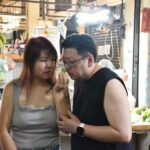
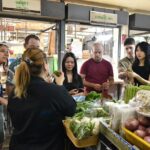
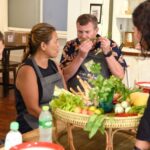
If you choose the morning class, you’ll start at Tingly Thai Cooking School and then head out for a market tour at Wat Kheak fresh Market. This part matters because Thai cooking depends less on fancy gadgets and more on getting the right ingredients in the right form.
You’ll get a guided introduction to the traditional fruits, herbs, vegetables, and spices used for authentic Thai food. And you also get something practical: you learn how to shop like a cook. Instead of guessing at labels back home, you’ll know what you’re trying to buy and why it changes the final dish.
A small but important detail: the class is designed so that after you learn the techniques, you can cook at home. A market stop supports that goal. It’s the difference between following a recipe list and understanding what the dish needs.
One logistical note. Morning runs about 3 hours 30 minutes total (roughly 08:30 to 12:00). If you’re the type who hates losing time before lunch, the afternoon class can feel more relaxed because it removes the market portion.
You can also read our reviews of more tours and experiences in Bangkok.
The teaching kitchen: you make curry paste and build the dishes
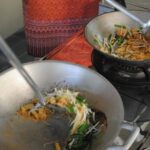
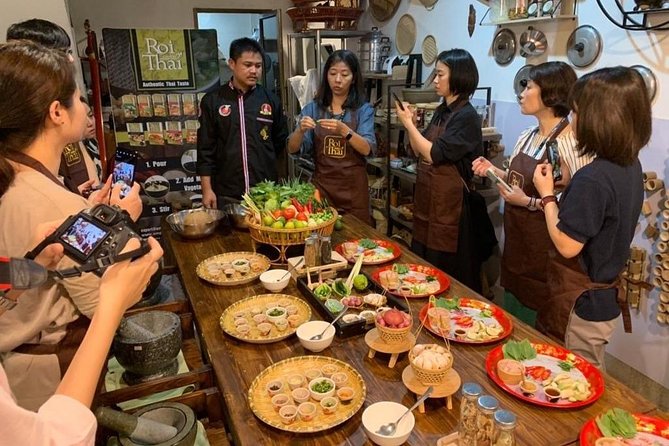
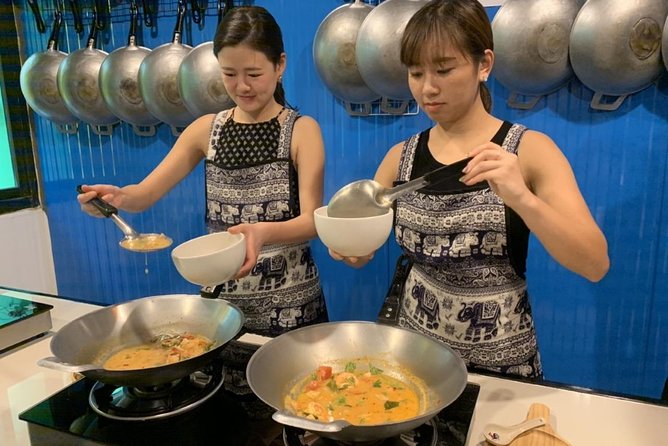
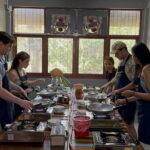
From 09:05 to 12:00 in the morning (or 13:05 to 16:00 in the afternoon), the focus becomes your hands. The structure is straightforward: you learn traditional prep techniques, you make curry paste, and you cook and assemble all dishes yourself.
That’s a big deal. Lots of cooking classes end with you holding a fork and watching someone else work. Here, the goal is to leave with workable skills: how curry paste should look and taste while it’s being made, how to pace your cooking steps, and how to assemble dishes so they look and eat like the real thing.
What you’ll cook (the daily lineup)
Across the class, you’ll make a meal of four dishes. Here are the core dishes that show up every day:
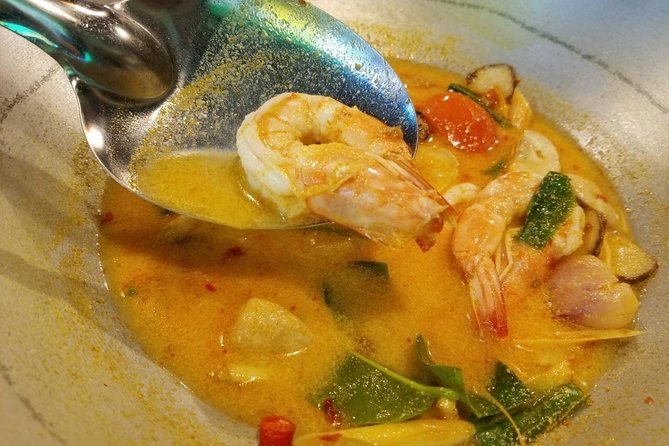
- Tom Yum Kung (Hot and Sour Prawn Soup) — every day
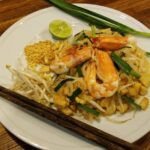
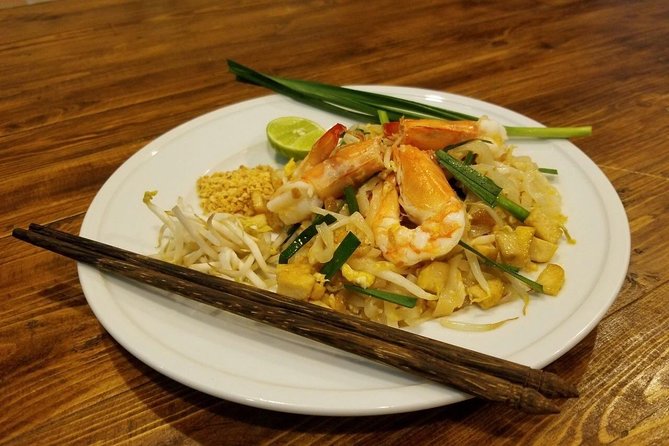
- Pad Thai Kung (Thai-style fried noodles with prawns) — every day
- Mango with sticky rice (Khao Neeaw Mamuang) — every day
Then you’ll round it out with one curry, depending on the day:
- Green curry with chicken — Monday, Thursday, Friday
- Red curry with chicken — Tuesday, Saturday
- Panang chicken curry — Wednesday, Sunday
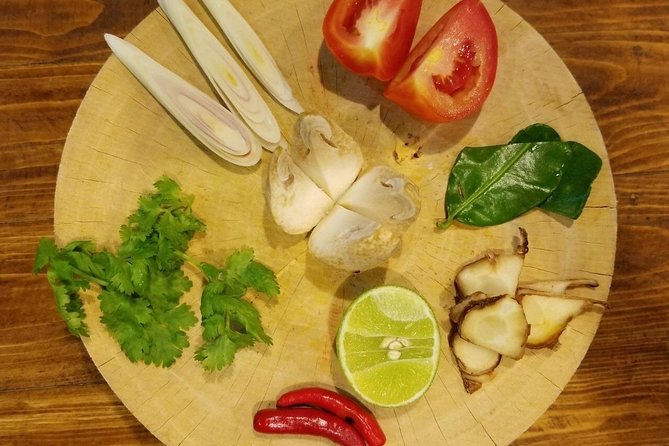
When you look at this list, you can see the “why” behind the menu. Tom Yum teaches you balance (sour, hot, aromatic). Pad Thai teaches you timing and texture. Curry paste teaches you depth. Sticky rice and mango gives you an easy sweet finish that still feels very Thai.
If you want swaps
If you don’t eat seafood, you’ll be happy to know the format allows adjustments. One experience noted that swapping prawns for chicken or veggie options wasn’t an issue. You’ll want to ask when you book or when you arrive, since the class flow is built around the scheduled menu.
Day-by-day curry options: how to pick the right afternoon or morning
Because the curry changes by weekday, your best move is to choose the class day based on the curry you want most. If you’re the kind of person who likes planning, here’s your quick cheat sheet:
- Want green curry? Pick Monday, Thursday, or Friday
- Want red curry? Pick Tuesday or Saturday
- Want Panang? Pick Wednesday or Sunday
This matters because curries can feel similar to beginners until you taste the differences in paste and finish. By choosing your curry in advance, you’ll end the class remembering one specific dish more clearly—and you’ll be more likely to cook it again.
If you don’t care which curry you get, the class still works well. You’ll still make curry paste and practice the techniques that carry over to other Thai curries.
What’s included (and what you’ll have to handle)
This experience is built around feeding you and teaching you at the same time, so the included items are part of the value.
Included:
- Kitchen tools
- Bottled water
- Meals (4 dishes)
Not included:
- Transportation
That last line is the main thing to plan for. The class runs from a meeting point in Bang Rak (Suriyawong), and it ends back at the meeting point. So you’ll want to factor in how you’ll get there and back—grab car, taxi, or transit depending on where you’re staying.
Also, you’ll receive a mobile ticket, and the tour offers confirmation at the time of booking. It’s a simple setup that cuts down on day-of confusion.
How the price stacks up for Bangkok value
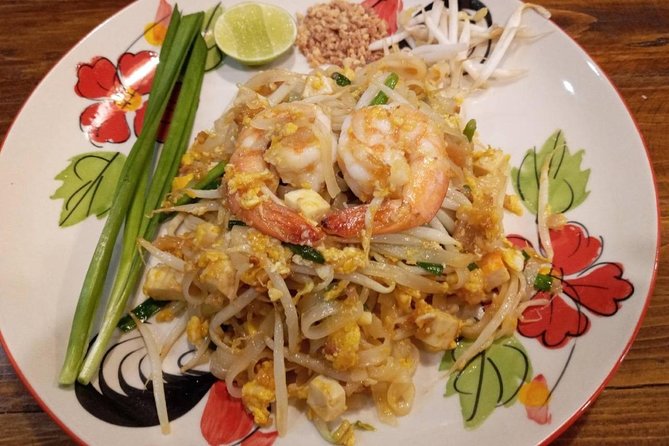
At $38.94 per person, this is priced like a budget-friendly meal with a serious skills lesson attached. You’re not just paying for food.
You’re getting:
- about 3 to 3.5 hours of guided cooking time
- 4 dishes worth of food
- tools and water
- practice making curry paste and assembling multiple dishes
For Bangkok, that’s a decent deal—especially because the class is small (maximum 12 travelers). Smaller groups tend to mean you spend less time waiting and more time actually cooking.
One more value point: you’re leaving with more than a full stomach. You’re leaving with a mental checklist of ingredients and steps. That’s what helps you reproduce the results later, rather than turning your kitchen into a science project.
Small group size: why max 12 matters in a cooking class
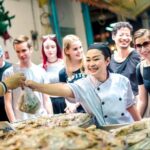
A max group size of 12 changes the vibe. In a larger class, questions get lost and stations can feel crowded. Here, it’s easier to get clarification mid-cook—especially for curry paste texture, noodle timing, and how much heat to keep during stir-fry.
If you’ve ever taken a cooking class where you watched half the time, this is the fix. The structure is hands-on: you’re cooking and assembling the dishes yourself, and the setup supports that.
Names you may meet or hear include instructors like Nam and Song, both praised for making things fun while keeping instructions clear.
Timing: morning versus afternoon (and who each one fits)
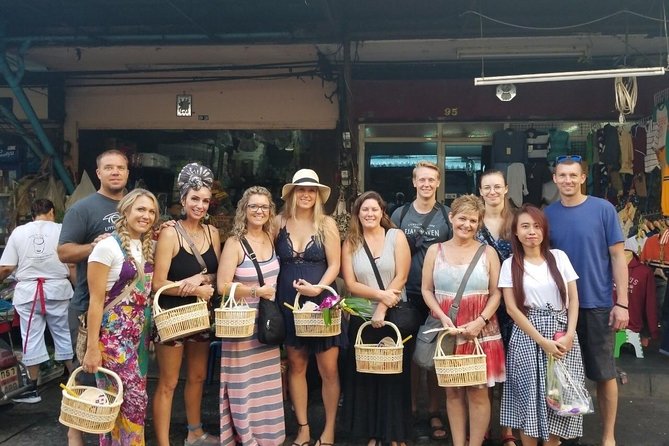
Morning class (includes market): about 3 hours 30 minutes
Morning runs 08:30 meeting point and then starts with a market tour (only morning classes). You finish around 12:00.
Choose morning if:
- you want ingredient shopping and the story behind what you’re cooking
- you like starting your day early and having lunch plans already solved
Afternoon class (no market): about 3 hours
Afternoon starts 13:00 and runs until 16:00, skipping the market tour.
Choose afternoon if:
- you’d rather keep your schedule simpler
- you want a later start and don’t want the extra time on ingredients shopping
If you’re trying to fit this into a packed Bangkok trip, afternoon can be the smoother fit. If you want the more complete cooking-and-culture package, morning is the better choice.
What you’ll eat at the end: more than just a meal
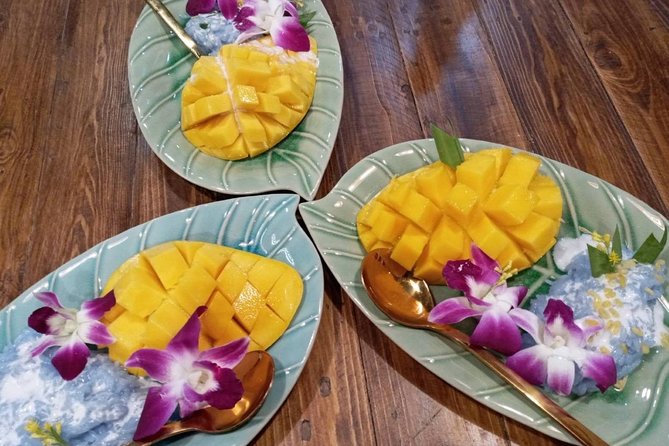
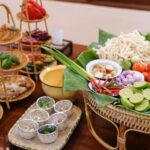
By the time you sit down, you’ll be eating the dishes you cooked:
- Tom Yum Kung
- Pad Thai Kung
- One curry (green, red, or Panang depending on the day)
- Mango with sticky rice
This is one of those classes where the food tastes better because you made it. You understand what to taste for, and you can tell when the balance is right. That also makes the eating part more enjoyable—you’re not just consuming, you’re checking flavors.
And you’ll likely bring that confidence to your next Thai meal outside the class. You’ll notice the sourness level in Tom Yum, the chew and sauce balance in Pad Thai, and the paste depth in curry.
Who should book this Thai cooking class
This class is a great match if you:
- want a repeatable skill at the end (curry paste and dish assembly)
- like cooking with real ingredients instead of substitute guesses
- enjoy small-group teaching rather than crowd chaos
- want to take home a taste of Thailand that isn’t just street food
It may be less ideal if:
- you don’t want to plan transportation to and from the meeting point
- you can’t do a 3-hour block of hands-on cooking (morning is a bit longer)
Should you book Tingly Thai Cooking School?
I think you should book if your goal is simple: learn how Thai cooking actually works so you can cook at home with less guesswork. The combination of a market tour in the morning, curry paste practice, and a four-dish meal is strong value for the price.
If you’re short on time or your schedule is tight, choose the afternoon class. You’ll still get the core cooking skills, just without the ingredient shopping portion.
FAQ
How long is the class?
Morning classes run about 3 hours 30 minutes (08:30 to 12:00, including the market tour). Afternoon classes run about 3 hours (13:00 to 16:00).
Do I get a market tour?
You only get the market tour with the morning class. Afternoon classes do not include the market stop.
What dishes will I make?
You’ll make four dishes. Tom Yum Kung, Pad Thai Kung, and Mango with sticky rice are listed as everyday dishes, plus one curry based on the day.
Which curry do you cook?
The curry depends on the day:
- Green curry with chicken: Monday, Thursday, Friday
- Red curry with chicken: Tuesday, Saturday
- Panang chicken curry: Wednesday, Sunday
Is transportation included?
No. Transportation isn’t included, and the activity ends back at the meeting point.
How big are the classes?
The school has a maximum of 12 travelers per class.
What’s included in the price?
You get bottled water, kitchen tools, and meals (4 dishes).
Is the ticket digital?
Yes, you’ll receive a mobile ticket.
What if I need to change seafood to chicken or vegetables?
One experience shared that swapping prawns for chicken or veggie options was not an issue. You should confirm your preference with the class when you book or upon arrival.
What is the cancellation policy?
You can cancel for free up to 24 hours before the experience start time for a full refund. If you cancel less than 24 hours before, the amount paid won’t be refunded.